

Montessori math beads: Why they improve counting speed
Do montessori math beads really improve counting speed?
Montessori math beads improve counting speed by helping children physically see and feel numbers. Using montessori math beads, kids quickly recognize patterns, group quantities, and build number sense faster than with memorization alone, making counting more automatic, accurate, and confident over time.
Montessori math beads: Why they improve counting speed
⏱ 6 min read — Do you ever notice your child counting slowly, losing track, or getting frustrated with numbers? Many parents worry when early math feels like a struggle. Montessori math beads offer a simple, hands-on solution that transforms counting into a fast, natural skill through touch, repetition, and visual learning.
Which learning tool actually helps kids count faster without pressure? Let’s explore what makes this approach so effective.
👉 Discover the safest toys for your baby: Explore Baby Growth & Learning for tools that build real skills through play.
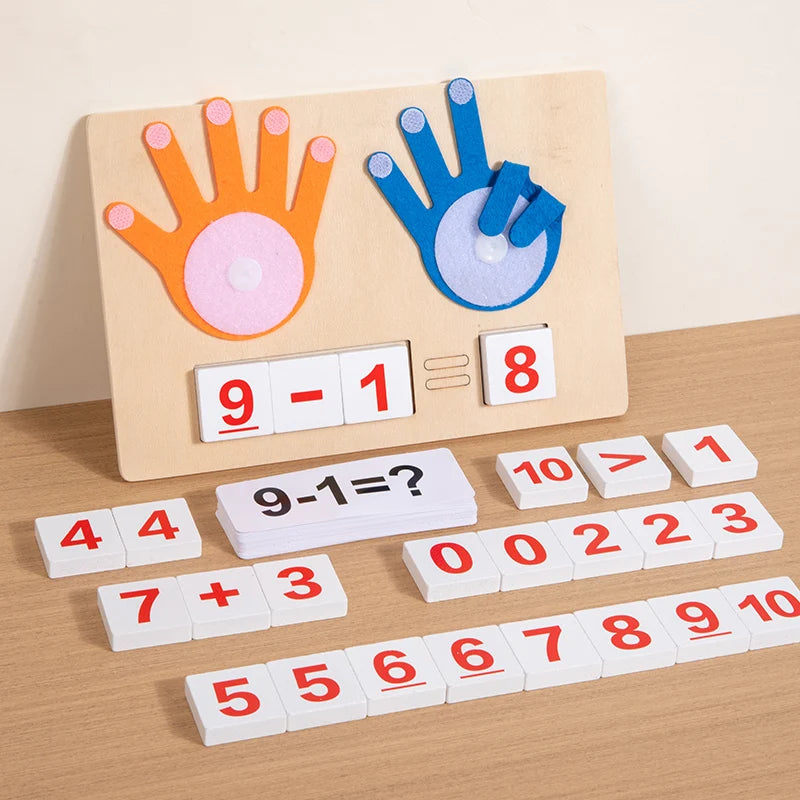
💡 See it in action - montessori math beads / Montessori methods for early math learning, how wooden math toys improve learning, early learning math toy Montessori style, best hands on math toys for children
Why counting feels hard for young children
Counting seems simple to adults, but for kids, it’s a complex skill involving memory, coordination, and focus.
- They must remember number order
- Track each object without skipping
- Understand quantity, not just recite numbers
- Avoid distractions while counting
Without hands-on support, children often count slowly or incorrectly, leading to frustration and low confidence.
What are montessori math beads?
Montessori math beads are structured wooden bead sets designed to represent numbers physically. Each group of beads visually and physically represents quantities, helping children connect numbers with real-world meaning.
As an early learning math toy Montessori style, they turn abstract numbers into something kids can touch, move, and understand instantly.
How montessori math beads improve counting speed
Montessori math beads improve counting speed by combining visual, tactile, and repetitive learning. Instead of guessing or memorizing, children build automatic recognition of numbers through repeated physical interaction.
- Visual grouping: Kids quickly recognize sets (like 5 or 10) without recounting
- Muscle memory: Moving beads reinforces counting rhythm
- Error reduction: Physical tracking prevents skipping numbers
- Pattern learning: Children identify sequences faster over time
This combination is exactly how wooden math toys improve learning—by engaging multiple senses at once.
👉 Learn step-by-step how to choose the right baby gear: Browse Sensory Toys that support focus, coordination, and early math development.
Key benefits parents notice quickly
Parents often see improvements within days of consistent use.
- ✅ Faster counting with fewer mistakes
- ✅ Increased confidence in math tasks
- ✅ Better focus during learning time
- ✅ Stronger understanding of number relationships
One parent shared: “My child went from counting slowly and guessing to confidently recognizing numbers almost instantly.”
Montessori beads vs traditional learning tools
| Feature | Montessori Math Beads | Flashcards / Worksheets |
|---|---|---|
| Learning style | Hands-on and visual | Abstract and memory-based |
| Speed improvement | Fast through pattern recognition | Slower, repetition only |
| Engagement | High (interactive) | Low (passive) |
| Error correction | Immediate and visible | Often unnoticed |
This is why they’re considered among the best hands on math toys for children.
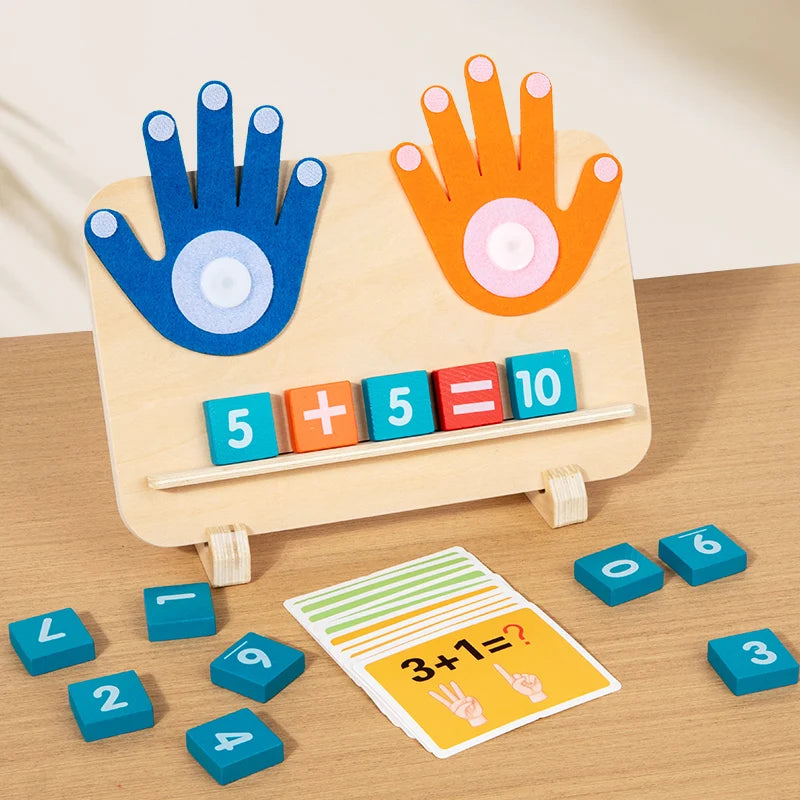
💡 See it in action - montessori math beads / Montessori methods for early math learning, how wooden math toys improve learning, early learning math toy Montessori style, best hands on math toys for children
How to use them effectively at home
You don’t need complicated lessons to get results.
- Start with simple counting (1–10)
- Encourage your child to move beads one by one
- Group beads into sets (5s or 10s)
- Practice daily for short sessions (5–10 minutes)
Consistency matters more than duration. Short, playful sessions build faster results.
Pairing tools like this with Feeding Tools or structured routines helps create a balanced daily rhythm for learning and care.
Why they work better than other toys
Many toys claim to teach math, but few build real number sense.
Montessori math beads stand out because they:
- Focus on understanding, not memorization
- Encourage independent learning
- Build long-term cognitive skills
- Adapt to different learning speeds
Unlike digital apps, they eliminate distractions and keep children fully engaged in the learning process.
If you’re considering a practical option, you can explore a hands-on version here: wooden finger counting toy.
Many parents report that switching to physical tools like this reduces learning resistance and increases enjoyment.
Real-life results: what changes after consistent use
- Before: Slow counting, frequent mistakes
- After: Faster recognition, smoother counting flow
- Before: Low interest in math
- After: Curiosity and confidence
This shift happens because children finally “see” how numbers work—not just hear them.
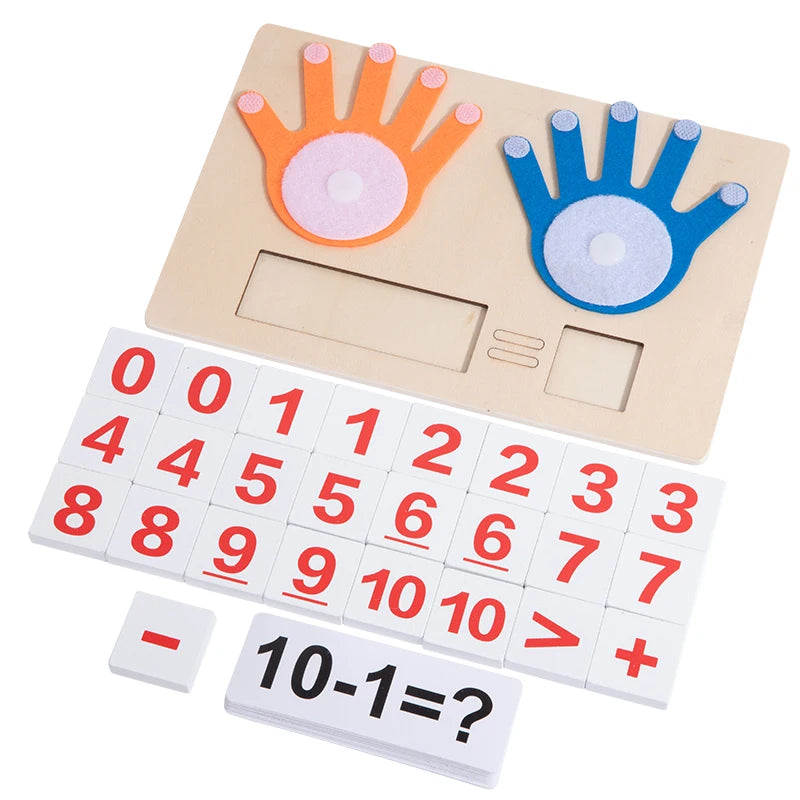
💡 See it in action - montessori math beads / Montessori methods for early math learning, how wooden math toys improve learning, early learning math toy Montessori style, best hands on math toys for children
Frequently asked questions
At what age can children start using montessori math beads?
Most children can begin around age 3, when they start recognizing numbers and can handle small objects safely.
How long does it take to see improvement?
With daily use, many parents notice faster counting and fewer errors within 1–2 weeks.
Are montessori math beads better than digital learning apps?
Yes, for early learners. Physical interaction improves retention, focus, and understanding more effectively than screen-based learning.
Can they be used for advanced math later?
Absolutely. They help build foundational skills like addition, subtraction, and even multiplication.
👉 Get yours now — limited stock! Try the wooden finger counting toy and help your child build faster, more confident counting skills today.
Pillar Article: Math learning toys: Key features that boost early skills
Other Related Articles:
Explore More:





