

Math learning toys: Key features that boost early skills
Do math learning toys really work?
Math learning toys help children build early number sense, counting skills, and problem-solving abilities through hands-on play. Studies show that tactile, visual learning tools—especially wooden and Montessori-inspired designs—can improve memory retention by up to 30% in young learners while boosting confidence and focus.
Math learning toys: Key features that boost early skills
⏱ 5 min read — Worried your child isn’t showing interest in numbers yet? You’re not alone. Many parents struggle to turn early math into something fun instead of frustrating. The good news: the right math learning toys can transform everyday play into meaningful skill-building moments—helping toddlers develop confidence, focus, and a love for learning from the very start.
Which toy actually helps your child understand numbers—not just memorize them? Keep reading to discover what truly works.
👉 Discover the safest toys for your baby
Explore thoughtfully designed options in Baby Growth & Learning that turn play into real progress.
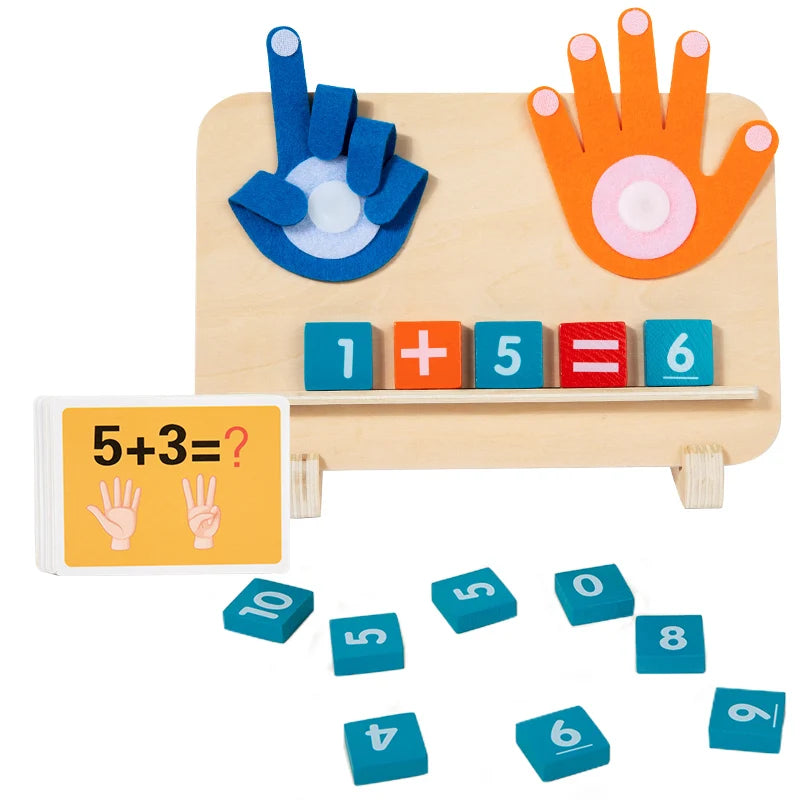
💡 See it in action - math learning toys / best educational toys for early math, how wooden math toys improve learning, Montessori math learning toys for toddlers, top rated counting toys for kids
Why math learning toys matter for early development
Math isn’t just about numbers—it’s about understanding patterns, solving problems, and thinking logically. For toddlers, these skills don’t come from worksheets. They grow through play.
That’s where math learning toys shine. Instead of passive memorization, children actively explore numbers by touching, moving, and experimenting.
- Builds number recognition naturally
- Encourages hands-on problem solving
- Strengthens fine motor skills
- Reduces fear or anxiety around math
Imagine your child stacking rings, counting beads, or matching shapes—without even realizing they’re learning math. That’s the power of play-based learning.
Key features that make math learning toys effective
Math learning toys work best when they combine multiple developmental benefits into one engaging experience. The difference between a toy that entertains and one that truly teaches comes down to specific features.
1. Multi-sensory engagement boosts retention
Children learn faster when multiple senses are involved. The best educational toys for early math stimulate touch, sight, and movement simultaneously.
- Bright colors attract attention
- Different textures enhance sensory input
- Movable parts encourage interaction
This combination strengthens memory pathways, making concepts stick longer.
2. Progressive difficulty supports growth
A toy should grow with your child. Start simple, then introduce more complex challenges.
- Beginner: counting and sorting
- Intermediate: number matching
- Advanced: simple addition concepts
This prevents boredom while maintaining confidence.
3. Hands-on interaction builds real understanding
Kids don’t just see numbers—they feel them. Moving objects physically helps children grasp abstract ideas like quantity and comparison.
For example, using a wooden finger counting toy allows children to visualize numbers through motion, making learning intuitive.
4. Safe, durable materials matter
Parents want toys that last—and that are safe for everyday use.
Look for:
- Non-toxic finishes
- Smooth edges
- Sturdy construction
Collections like Health & Safety highlight products designed with these priorities in mind.
How wooden math toys improve learning outcomes
There’s a reason wooden toys are making a strong comeback. They’re not just nostalgic—they’re effective.
So, how wooden math toys improve learning comes down to simplicity and focus.
Why less distraction leads to better focus
Unlike electronic toys, wooden options don’t overwhelm children with sounds or flashing lights. This allows kids to concentrate fully on the task.
Better tactile feedback
Wooden materials provide a natural texture that enhances sensory learning. Children feel the difference between shapes, sizes, and weights.
Encourages imaginative thinking
Without pre-programmed responses, children create their own ways to play—building deeper understanding.
| Feature | Wooden Math Toys | Plastic/Electronic Toys |
|---|---|---|
| Focus | High | Often distracted |
| Durability | Long-lasting | Breakable |
| Learning depth | Conceptual | Surface-level |
Why Montessori math learning toys for toddlers stand out
Montessori-inspired toys follow a simple principle: children learn best by doing.
Montessori math learning toys for toddlers are designed to encourage independence, exploration, and repetition.
Child-led learning builds confidence
Instead of instructions, children discover patterns on their own. This builds confidence and curiosity.
Error-friendly design
Many Montessori toys allow children to self-correct, reducing frustration.
Real-world connection
These toys often mimic real-life objects, helping children relate math concepts to everyday experiences.
Pairing these toys with options from Sensory Toys enhances overall cognitive development.
👉 Learn step-by-step how to choose the right baby gear
Browse curated selections in Baby Growth & Learning for smarter choices.
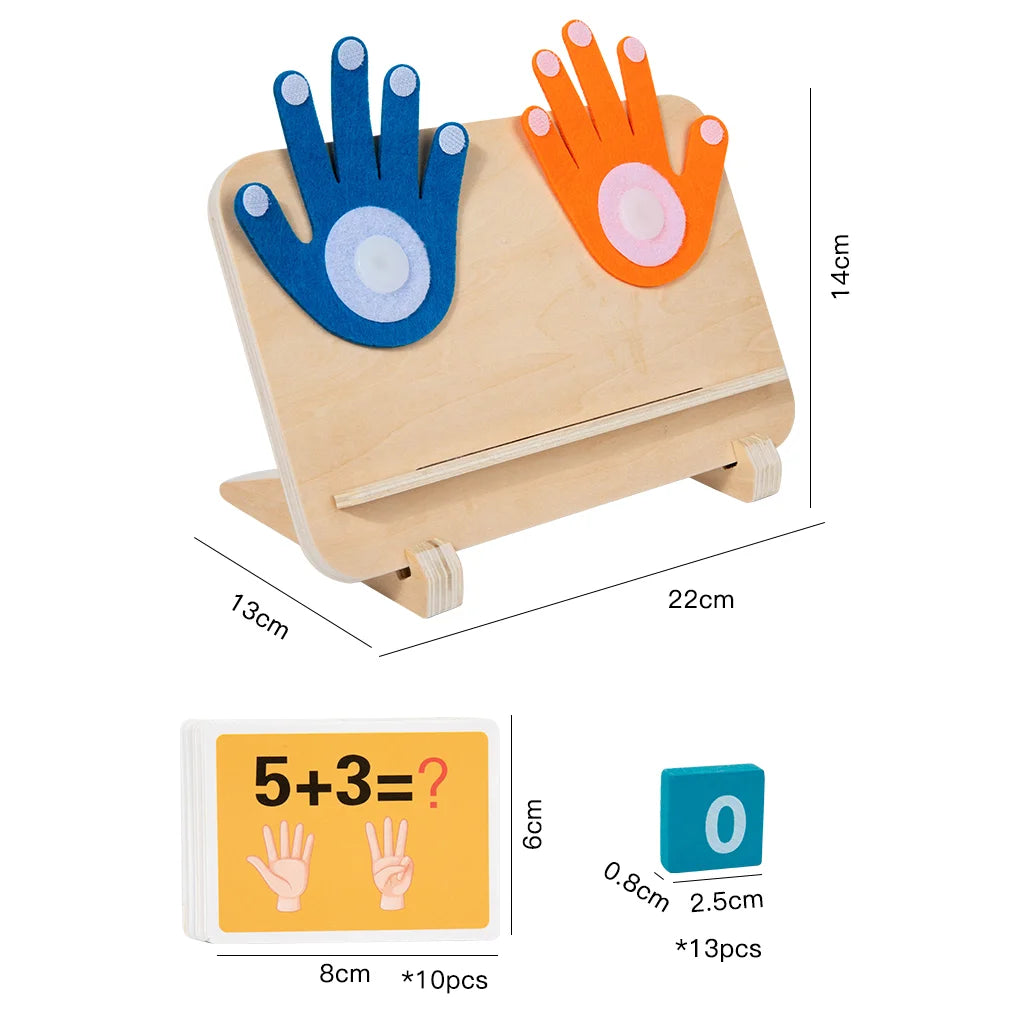
💡 See it in action - math learning toys / best educational toys for early math, how wooden math toys improve learning, Montessori math learning toys for toddlers, top rated counting toys for kids
Comparing top rated counting toys for kids
Not all counting toys deliver the same results. Here’s a clear comparison to help you decide.
| Toy Type | Best For | Key Benefit | Limitation |
|---|---|---|---|
| Wooden counting toys | Toddlers | Hands-on learning | Less flashy |
| Digital math toys | Older kids | Interactive feedback | Overstimulation |
| Montessori toys | Early learners | Self-guided discovery | Requires patience |
How to choose the best educational toys for early math
Choosing the right toy can feel overwhelming—but it doesn’t have to be.
- Match your child’s age: Simpler toys for younger toddlers, more complex for older kids.
- Look for multi-use features: Toys that teach counting, sorting, and patterns offer better value.
- Prioritize safety: Always choose non-toxic, durable materials.
- Encourage interaction: Avoid passive toys—engagement is key.
Products like the wooden finger counting toy combine all these elements into one effective learning tool.
Real parent experiences and results
Parents often notice changes within weeks of introducing structured play tools.
- “My toddler started counting objects around the house after just a few days.”
- “Screen time dropped because my child preferred hands-on play.”
- “Math became fun instead of frustrating.”
These results highlight how the right toy can shift a child’s mindset toward learning.
Combining math toys with supportive environments—like calm spaces from Sleep & Comfort—can further improve focus and engagement.
Pros and cons of math learning toys
- ✅ Encourages early cognitive development
- ✅ Builds confidence in learning
- ✅ Reduces screen dependency
- ❌ Requires parent involvement initially
- ❌ Some toys may lack variety
Why this approach works better than alternatives
Traditional methods rely heavily on memorization. Math learning toys, on the other hand, focus on understanding.
This leads to:
- Stronger long-term retention
- Improved problem-solving skills
- Greater enthusiasm for learning
When children enjoy learning, they naturally do more of it.
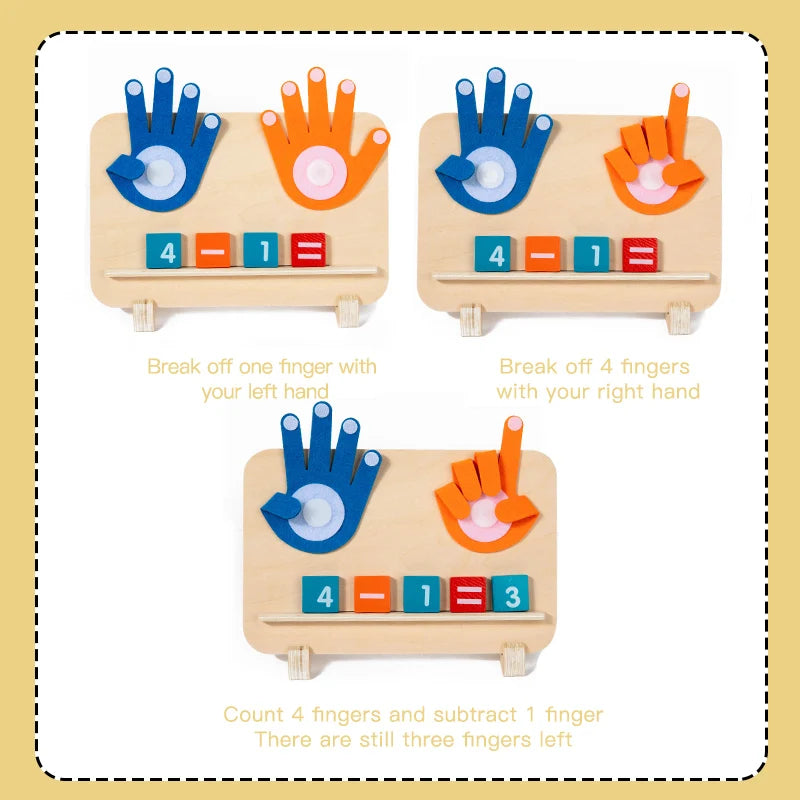
💡 See it in action - math learning toys / best educational toys for early math, how wooden math toys improve learning, Montessori math learning toys for toddlers, top rated counting toys for kids
👉 Get yours now — limited stock!
Start building your child’s confidence today with the wooden finger counting toy and explore more in Baby Growth & Learning.
FAQ
What age should kids start using math learning toys?
Children can start as early as 12–18 months with simple counting and sorting toys designed for toddlers.
Are wooden math toys better than plastic ones?
Wooden toys often provide better sensory feedback and durability, helping children focus more effectively.
How often should my child use math toys?
Short daily play sessions of 10–20 minutes are ideal for building consistent learning habits.
Do math learning toys replace teaching?
No, they support learning by making concepts easier to understand through play.
What makes a toy Montessori-inspired?
Montessori toys encourage independent exploration, hands-on learning, and self-correction.
Related Articles:
- Educational toys math: Key benefits for stronger number skills
- Montessori math beads: Why they improve counting speed
Pillar Articles:





