

Hands On Learning Preschool: Benefits, Activities & Easy Ideas
What are hands on activities for preschool and why do they work?
Hands on activities for preschool are interactive experiences that help children learn by exploring, building, sorting, creating, and solving problems. Because preschoolers learn best through active participation, these activities strengthen cognitive development, language, fine motor skills, creativity, and confidence while making everyday learning enjoyable at home or in the classroom.
Hands On Activities for Preschool: Easy Daily Learning Guide
Hands on activities for preschool turn everyday play into meaningful learning experiences. Whether you're looking for hands on learning activities for preschoolers, preschool learning activities at home, or simple ways to improve kids fine motor skills and creativity, this guide explains how active learning supports healthy development. You'll also discover practical preschool daily activities, easy materials, and age-appropriate ideas that fit naturally into everyday routines.
⏱ 5 min read
Do you ever feel like keeping your preschooler engaged all day is exhausting? Between short attention spans, busy schedules, and endless energy, it can be difficult to know which activities genuinely support learning.
The good news: meaningful learning doesn't require expensive equipment or complicated lesson plans. Simple hands-on experiences throughout the day help children practice essential skills while having fun.
Let's explore the activities, routines, and resources that help preschoolers learn through play every day.
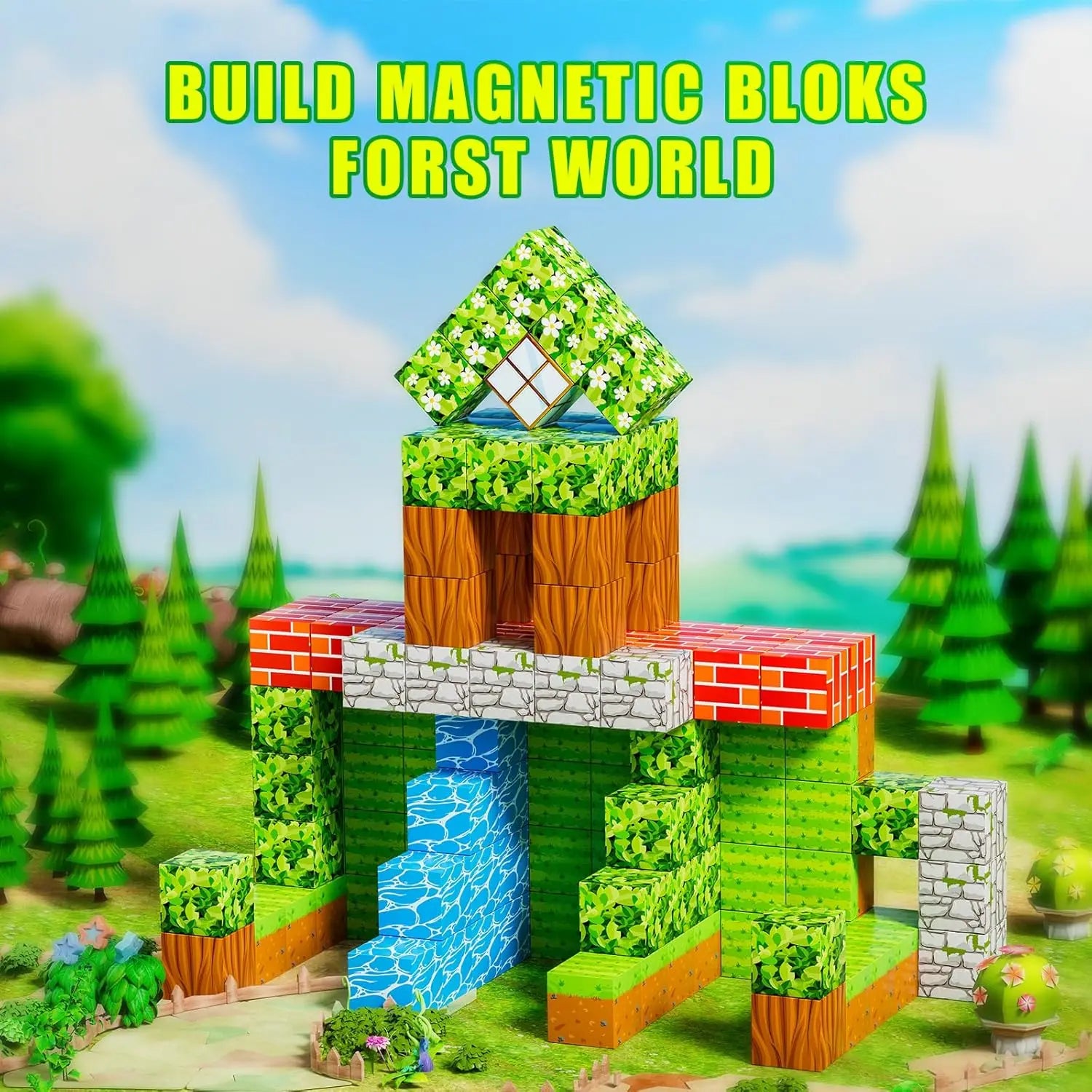
Hands on activities for preschool using creative tools. See hands-on learning in action.
Discover the safest toys for your child that make learning fun and effortless.
What Is Hands-On Learning in Preschool?
Definition of hands-on learning
Hands on learning preschool programs encourage children to learn by actively participating instead of simply watching or listening. Rather than memorizing facts, children manipulate objects, ask questions, experiment, and solve problems through real experiences.
This approach, often called experiential learning, supports curiosity while helping preschoolers connect new ideas with what they already know.
Examples in preschool settings
Common preschool hands on learning activities include:
- Building towers and structures with blocks
- Sorting objects by size, color, or shape
- Counting everyday household items
- Exploring water, sand, or sensory bins
- Painting, drawing, and crafting
- Pretend play using kitchens, stores, or doctor sets
Unlike passive learning, these experiences allow children to make discoveries independently while developing confidence and critical thinking.
Why Hands-On Learning Matters for Preschool Development
Hands on learning activities for preschool help children develop multiple skills simultaneously because learning happens through movement, exploration, and meaningful interaction.
Cognitive development
Building, matching, sorting, and experimenting strengthen memory, attention, reasoning, and early problem-solving skills.
Language and communication
Children naturally expand vocabulary as they describe objects, ask questions, follow directions, and explain their ideas during activities.
Social-emotional growth
Collaborative play teaches sharing, patience, cooperation, empathy, and emotional regulation while encouraging independence.
Fine and gross motor skills
Manipulating small objects develops hand strength and coordination, while obstacle courses, dancing, climbing, and active games improve balance and body awareness.
- ✅ Encourages curiosity and independent thinking
- ✅ Strengthens problem-solving abilities
- ✅ Builds confidence through trial and error
- ✅ Supports healthy brain development
- ✅ Keeps children engaged without excessive screen time
How Hands-On Learning Supports Key Developmental Domains
Well-designed hands on learning activities for preschoolers help children reach developmental milestones while keeping learning enjoyable.
Early literacy
Letter matching, storytelling with picture cards, tracing, and rhyming games build early reading readiness and language skills.
Early math
Counting blocks, measuring ingredients, pattern building, and sorting activities introduce numbers and mathematical thinking naturally.
Science and discovery
Simple experiments, observing insects, planting seeds, or exploring magnets encourage curiosity and scientific thinking.
Sensory exploration
Sensory bins filled with rice, water beads, sand, or textured materials strengthen observation skills while supporting sensory development.
Creative arts
Painting, music, dramatic play, and open-ended construction activities encourage imagination, self-expression, and flexible thinking.
Hands-On Learning Activities for Preschoolers by Skill Area
The best hands on activities for preschoolers match a child's interests while gradually introducing new challenges.
Literacy activities
- Alphabet scavenger hunts
- Letter tracing with playdough
- Story sequencing cards
- Picture-word matching games
Math activities
- Counting blocks
- Pattern building
- Sorting buttons or pom-poms
- Shape hunts around the house
Science activities
- Floating and sinking experiments
- Growing beans in clear cups
- Color mixing
- Nature observation journals
Sensory play
- Rice or pasta sensory bins
- Water pouring stations
- Foam or shaving cream writing
- Texture matching games
Fine motor activities
| Activity | Primary Skill | Difficulty |
|---|---|---|
| Building blocks | Hand-eye coordination | Easy |
| Threading beads | Finger strength | Medium |
| Playdough sculpting | Grip control | Easy |
| Using tweezers | Pincer grasp | Medium |
Explore additional ideas through Baby Growth & Learning for activities that continue supporting developmental milestones.
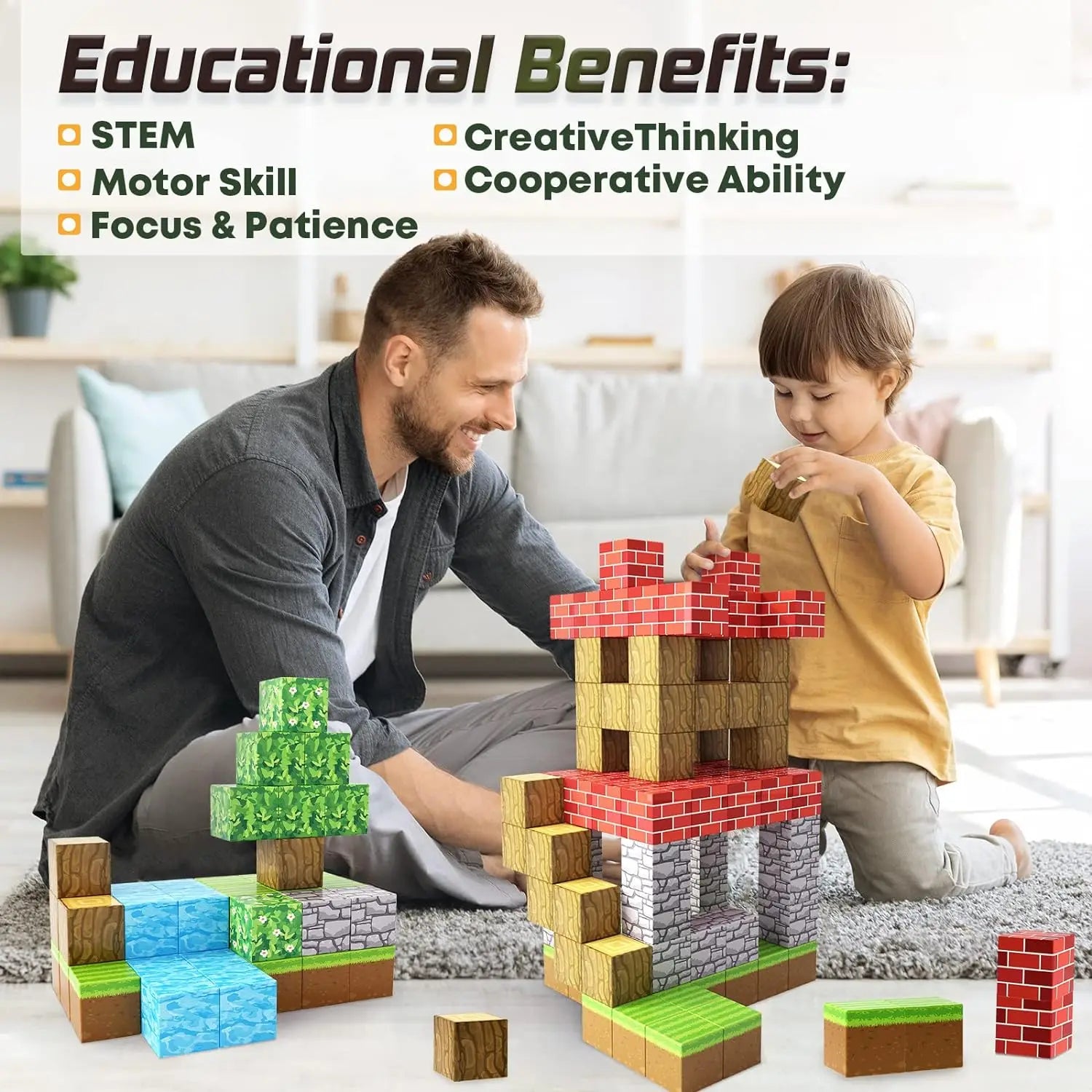
Hands on learning activities for preschoolers encourage creativity, exploration, and independent thinking.
Learn step-by-step how to choose the right learning toys for your child.
Turn Everyday Moments into Preschool Learning Opportunities
Many of the best preschool learning activities at home happen during normal routines. Parents don't need to schedule every lesson because everyday life naturally provides learning opportunities.
Kitchen learning
- Count fruit pieces
- Measure ingredients
- Compare sizes and weights
- Name colors and textures
Outdoor exploration
- Collect leaves
- Observe insects
- Count flowers
- Practice balancing and jumping
Household routines
- Sort laundry by color
- Match socks
- Organize toys by category
- Practice buttons and zippers while dressing
These preschool daily activities build independence while reinforcing academic and life skills.
For more family learning ideas, explore Baby Growth & Learning .
How to Create a Daily Hands-On Preschool Routine
A balanced routine combines structured activities with plenty of opportunities for free exploration.
Sample daily schedule
- Morning (10–15 minutes): Literacy or fine motor activity
- Late morning (15–20 minutes): Outdoor exploration or science activity
- Afternoon (15–20 minutes): Building, art, or pretend play
- Evening (5–10 minutes): Storytelling, puzzles, or calming sensory play
Balancing structured and free play
Children benefit most when adults introduce activities without controlling every outcome. Offer guidance, ask questions, and allow preschoolers to explore at their own pace.
Materials and Resources for Hands-On Preschool Learning
You don't need expensive classroom supplies to create meaningful preschool hands on learning activities.
Open-ended materials
- Wooden or magnetic blocks
- Building tiles
- Loose parts like shells, stones, and sticks
- Stacking cups
DIY supplies
- Cardboard boxes
- Paper towel rolls
- Recycled containers
- Craft paper and washable markers
Printables
Printable alphabet cards, counting sheets, matching games, and simple scavenger hunts can complement active learning when used alongside real-world activities.
Montessori-inspired resources
Choose safe, open-ended materials that encourage exploration rather than toys with a single predetermined outcome.
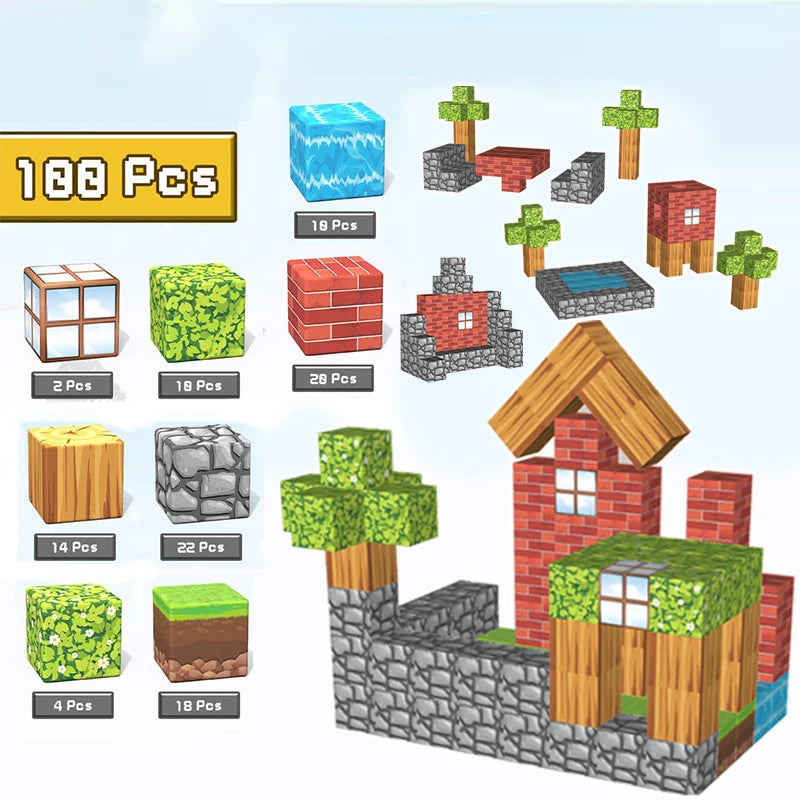
Building toys encourage preschoolers to learn through creative, hands-on exploration.
Get yours now — limited stock available and start building smarter playtime today.
Tips for Successful Hands-On Learning at Home and in the Classroom
Encourage exploration
Allow children to test ideas, make mistakes, and discover solutions independently instead of immediately providing answers.
Ask open-ended questions
Questions like "What do you think will happen?" or "Can you build it another way?" encourage reasoning and communication.
Adapt for different abilities
Adjust activities by simplifying instructions, increasing challenges gradually, or offering larger materials when additional support is needed.
Building toys remain one of the most versatile resources because they support creativity, spatial awareness, fine motor development, and early STEM learning across many ages.
Try the Magnetic Blocks Toy 100PCS STEM Set to encourage open-ended learning through everyday play.
Find more developmental resources in Baby Growth & Learning .
Frequently Asked Questions
What is hands-on learning in preschool?
Hands-on learning is an educational approach where preschoolers actively learn by manipulating materials, experimenting, creating, and solving problems instead of only listening to instruction.
Why is hands-on learning important for preschoolers?
It supports cognitive growth, language development, creativity, social-emotional learning, and fine and gross motor skills while making learning more engaging.
What are the best hands on activities for preschoolers?
Building blocks, sensory bins, pretend play, simple science experiments, sorting games, art projects, puzzles, and counting activities are excellent choices.
How can parents use hands-on learning activities at home?
Turn everyday routines into learning opportunities by cooking together, sorting laundry, gardening, building with blocks, reading interactive books, and encouraging imaginative play.
How do hands-on activities support early literacy and math?
Children develop literacy through storytelling, letter games, and vocabulary-building conversations, while counting, measuring, sorting, and pattern recognition strengthen early math skills.
What materials do I need for hands-on preschool activities?
Basic supplies like blocks, recycled materials, crayons, paper, playdough, sensory materials, measuring cups, and simple household objects are enough for countless activities.
How often should preschoolers participate in hands-on learning?
Daily opportunities throughout normal routines are ideal. Multiple short sessions of 10–20 minutes are generally more effective than one long lesson.
How do I adapt hands-on activities for different skill levels?
Increase or reduce the complexity of tasks, provide larger or smaller materials, offer additional support when needed, and let each child progress at an appropriate pace.
Related Articles:
- Hands On Math Activities Preschool: Teach Numbers Fast
- Building Magnetic Blocks: Step by Step Creative Play Guide
- Magnetic Toys for Preschoolers: How to Use Them Safely
- Magnetic Block Ideas: 10 Fun Ways to Build and Learn
Pillar Articles:





