

Hands On Math Activities for Preschoolers That Make Learning Click
What are hands on math activities for preschoolers and why do they matter?
Hands on math activities for preschoolers help children understand early math concepts by turning abstract ideas into meaningful play. Instead of memorizing numbers on a worksheet, children count, sort, compare, stack, measure, and build using real objects. This active learning strengthens number sense, problem-solving, fine motor skills, and confidence.
Early math learning activities also prepare children for kindergarten by helping them recognize numbers, understand quantities, identify patterns, compare sizes, and develop logical thinking. Because preschoolers learn best through movement and exploration, hands-on experiences often lead to deeper understanding than passive instruction alone.
Hands On Math Activities Preschool: Teach Numbers Fast
Hands on math activities preschool can transform how quickly kids grasp numbers while having fun. Using the best activities for child brain development, you can turn simple play into powerful learning moments. Discover how to encourage STEM learning at home with easy setups and Montessori-inspired play ideas that build focus, memory, and confidence. The best activities don't require expensive materials—just consistent opportunities to explore, count, sort, and create.
⏱ 5 min read
Does your child lose interest when learning numbers? You're not alone. Many parents find that preschoolers respond much better when math becomes part of everyday play instead of formal lessons.
When children can touch, move, and experiment with objects, they naturally begin building the early math skills they'll use throughout school.
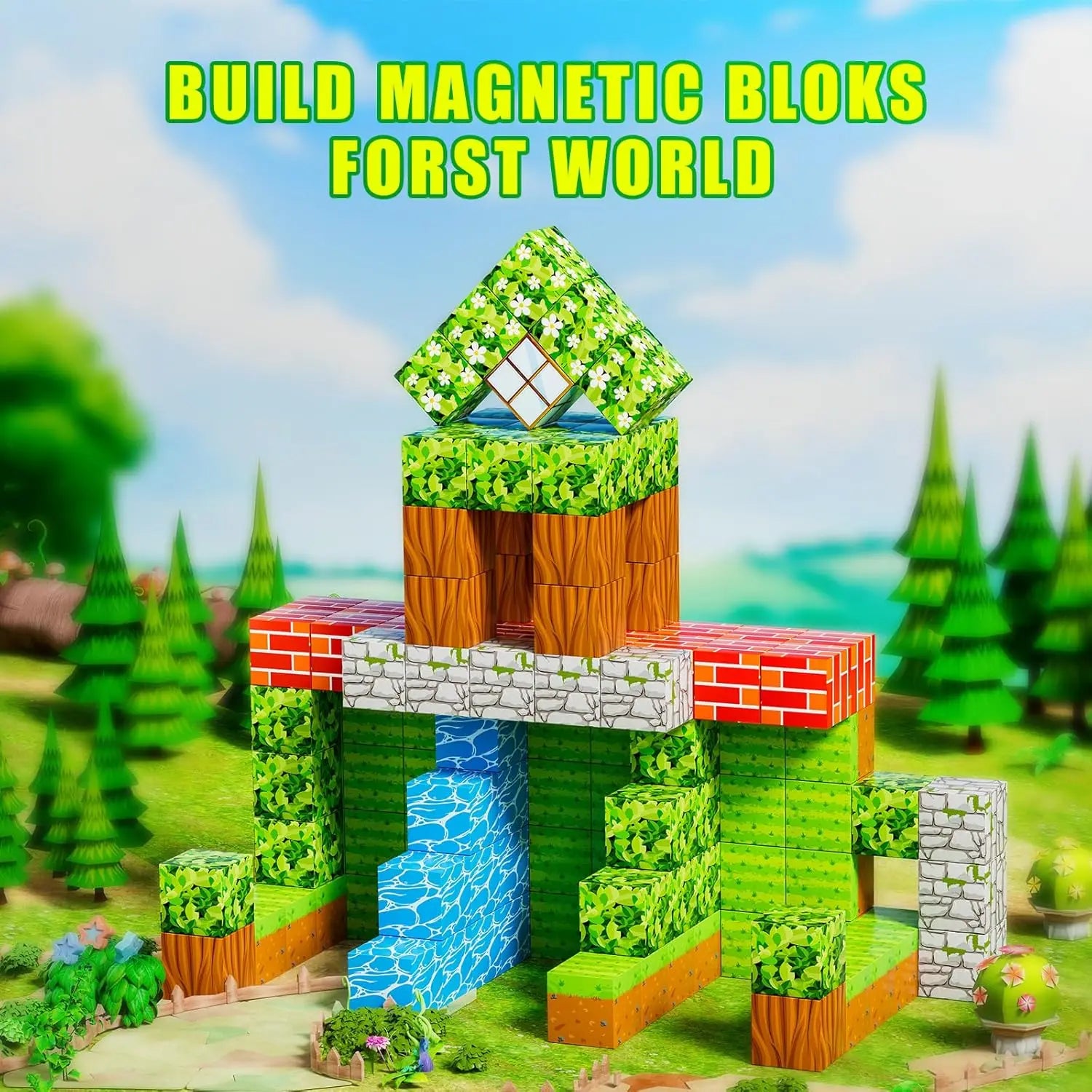
Hands on math activities preschool for faster number learning. See them in action.
Discover the safest toys for your baby
Explore smart learning tools inside Baby Growth & Learning that turn playtime into real progress.
Core preschool math skills to build before kindergarten
Before children begin formal math, they benefit from mastering a few foundational concepts. These preschool math activities support skills recommended in many early childhood learning frameworks.
Counting and one-to-one correspondence
Children learn that each object counted represents one number. Practice by counting snacks, toys, steps, or blocks together.
Number recognition
Recognizing numerals helps children connect written numbers with real quantities. Number cards, puzzles, and matching games work well.
Sorting and classifying
Grouping objects by color, size, shape, or texture teaches children to notice similarities and differences while strengthening logical thinking.
Patterns and sequencing
Creating repeating patterns with beads, blocks, or household objects develops prediction skills and prepares children for later mathematical reasoning.
Shapes, measurement, and comparing quantities
Children can compare longer and shorter, heavier and lighter, or identify everyday shapes while building vocabulary and observation skills.
Hands on math activities for preschoolers by learning goal
Hands on math activities for preschoolers work best when each activity focuses on one learning objective. Most require only simple household materials.
Counting with everyday objects
Learning goal: Counting and one-to-one correspondence
Materials: Toys, buttons, spoons, cereal pieces, or craft pom-poms.
- Count objects together slowly.
- Group items into sets.
- Ask questions like "Which group has more?"
- Increase quantities as confidence grows.
Building numbers with blocks
Learning goal: Number recognition and quantity.
- Build one tower for each number.
- Compare tower heights.
- Combine towers to introduce simple addition.
- Create missing-number challenges.
Sorting and matching games
Learning goal: Classification and logical thinking.
- Sort by color, shape, or size.
- Match number cards to groups of objects.
- Create simple repeating patterns.
- Discuss why items belong together.
Number hunt around the house
Learning goal: Number recognition in everyday life.
- Find numbers on clocks, books, calendars, and food packaging.
- Identify which number is larger or smaller.
- Count how many examples you discover.
Pattern making with household items
Create repeating patterns using bottle caps, crayons, socks, or toy animals. Ask your child to predict what comes next before extending the sequence.
Shape scavenger hunt
Search your home for circles, rectangles, squares, triangles, and other familiar shapes. This combines movement with shape recognition activities.
Measurement with everyday objects
Compare pencils, books, toy cars, or stuffed animals using words like longer, shorter, taller, heavier, and lighter instead of measuring tools.
Simple graphing activity
Count favorite fruits, toy colors, or family pets in picture books, then create a simple bar graph using blocks or sticky notes.
| Activity | Primary Skill | Materials | Difficulty |
|---|---|---|---|
| Counting Objects | Counting | Household items | Easy |
| Block Building | Number concepts | Building blocks | Easy-Medium |
| Sorting Games | Classification | Mixed objects | Easy |
| Pattern Making | Sequencing | Household objects | Medium |
| Shape Hunt | Shape recognition | Home environment | Easy |
| Simple Graphing | Comparing data | Blocks or paper | Medium |
How to set up preschool math activities at home
Choose simple materials
You don't need specialized supplies. Blocks, measuring cups, buttons, toy animals, coins, sticks, or snacks all support meaningful early math learning activities.
Create short learning routines
- Choose one skill for the day.
- Prepare materials before your child joins.
- Keep sessions between 5 and 15 minutes.
- End while your child is still engaged.
- Repeat favorite activities throughout the week.
Follow your child's pace
Some preschoolers master counting quickly while others spend more time exploring shapes or sorting. Allow repetition and avoid rushing to the next concept.
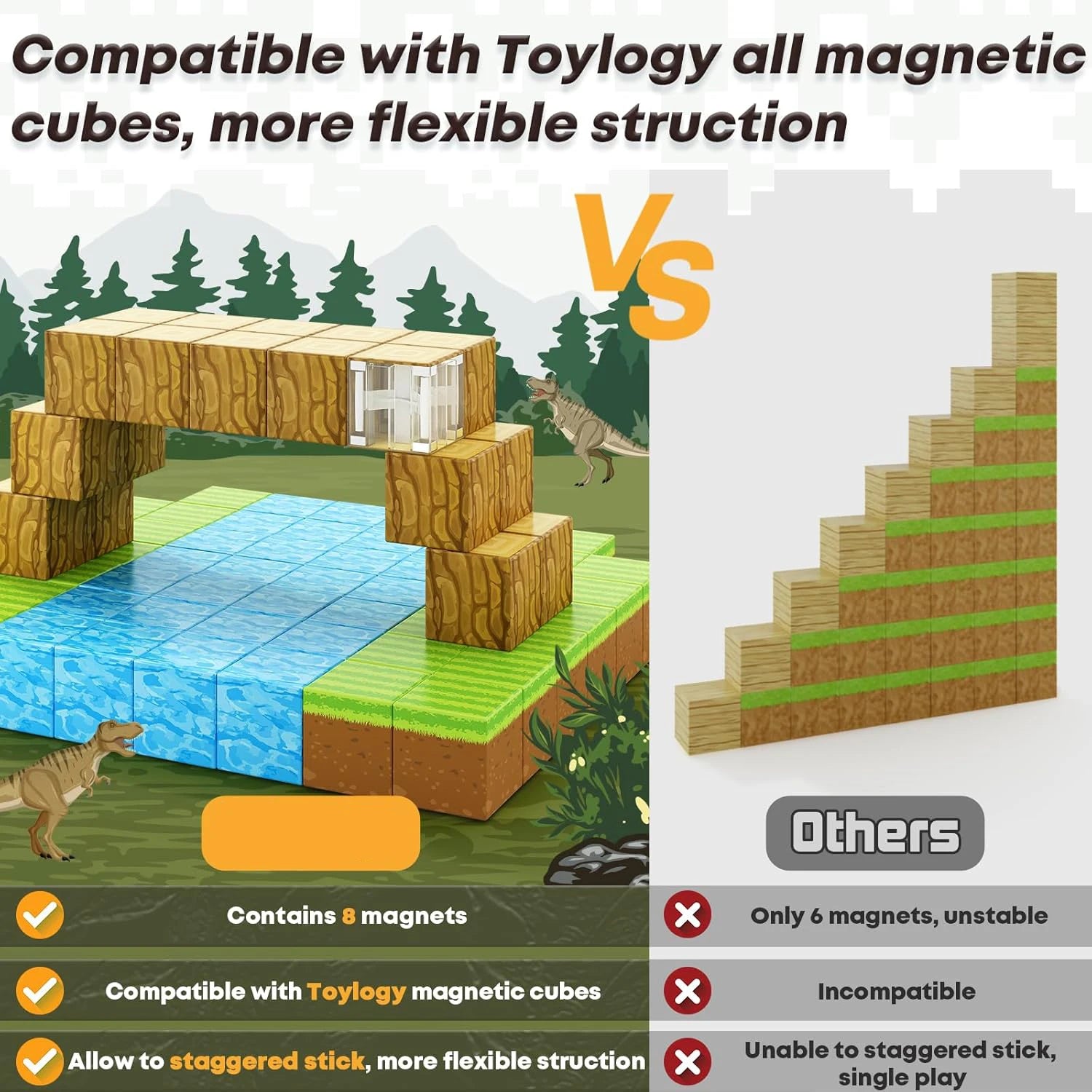
Simple home setups make daily preschool math activities easy and enjoyable.
Learn step-by-step how to choose the right baby gear
Browse Sensory Toys designed to boost focus, creativity, and early math skills.
Montessori math activities for preschool children
Montessori math activities preschool encourage children to discover concepts independently through carefully prepared materials and repetition.
Practical life counting
Invite children to count spoons while setting the table, collect leaves outside, or water a certain number of plants.
Number trays
Place numeral cards beside matching quantities of natural objects such as stones, shells, or wooden beads so children can self-correct.
Loose parts math
- Build patterns with pebbles and sticks.
- Create groups of different quantities.
- Compare sizes and lengths.
- Strengthen fine motor skills alongside early math.
These hands-on experiences naturally encourage independence while supporting STEM learning at home.
Adapt activities for classrooms, homeschool, and different ability levels
Low-prep classroom version
Use math stations where small groups rotate between counting, sorting, pattern building, and shape exploration using shared materials.
Homeschool variation
Integrate math into daily routines such as cooking, grocery shopping, gardening, or cleaning to make learning meaningful throughout the day.
Sensory-friendly adaptations
For children who benefit from additional sensory support, use larger manipulatives, textured materials, quieter spaces, or movement breaks between activities. Adjust expectations based on each child's developmental stage rather than age alone.
How to know your preschooler is making progress
Instead of formal testing, observe how your child uses math naturally during play.
- Counts objects accurately without skipping items.
- Recognizes more written numbers.
- Sorts objects using multiple attributes.
- Completes simple repeating patterns.
- Uses comparison words such as more, less, bigger, and smaller.
- Begins solving simple problems independently.
Once these skills become consistent, gradually introduce larger numbers, more complex patterns, and simple addition through play.
Common mistakes when teaching preschool math
| Common Mistake | Better Approach |
|---|---|
| Starting with worksheets | Begin with hands-on exploration first. |
| Teaching too many concepts together | Focus on one new skill at a time. |
| Long learning sessions | Keep activities between 5 and 15 minutes. |
| Expecting memorization before understanding | Build concepts using real objects first. |
| Correcting every mistake immediately | Encourage exploration and discussion. |
Children build stronger confidence when adults celebrate curiosity and progress rather than perfect answers.
If you'd like additional building materials that encourage counting, pattern making, and spatial reasoning, the Magnetic Blocks Toy 100pcs STEM Set offers opportunities for creative math play while supporting independent exploration.
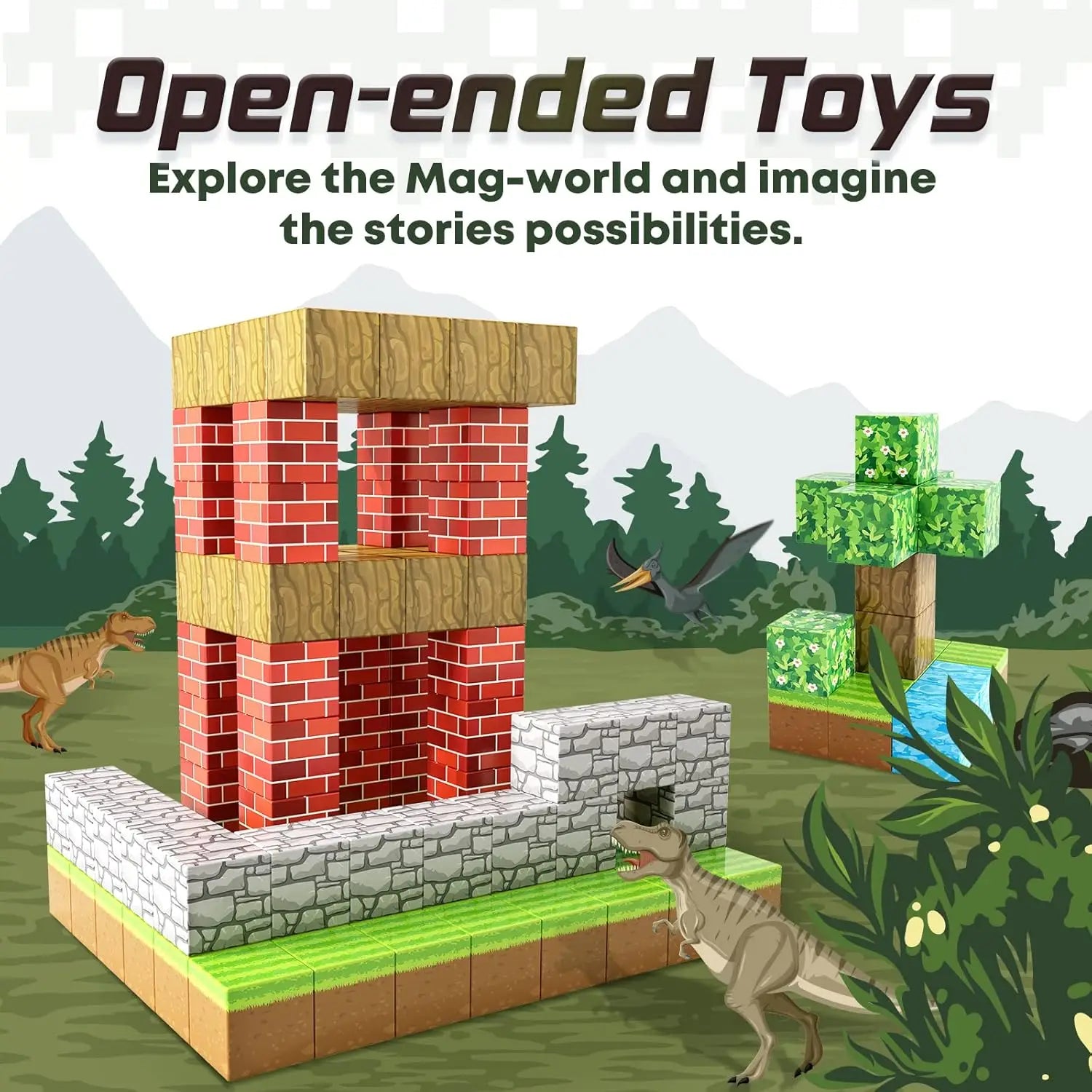
Hands-on building activities naturally reinforce counting, patterns, and problem-solving.
Frequently asked questions
What are the best hands on math activities for preschoolers?
Counting objects, sorting games, building with blocks, pattern making, shape hunts, and simple measuring activities all help preschoolers develop early math concepts through play.
How do I teach numbers to preschoolers through play?
Use everyday routines like cooking, shopping, or cleaning to count objects, compare quantities, recognize numerals, and ask simple math questions naturally throughout the day.
How many minutes should preschool math activities last?
Most preschoolers benefit from 5 to 15 minutes of focused math play. Short, consistent practice is generally more effective than occasional long sessions.
What materials do I need for math activities for preschoolers at home?
Household items such as blocks, cups, buttons, toy animals, measuring spoons, sticks, paper, and crayons provide everything needed for many engaging activities.
What are good counting activities for preschoolers?
Count snacks, toys, steps, books, blocks, or natural objects collected outdoors. Encourage one-to-one correspondence by touching each object while counting aloud.
How can I improve number recognition in preschool?
Display number cards, point out numbers during everyday activities, play matching games, and connect written numerals to real quantities using hands-on materials.
What Montessori math activities are suitable for preschoolers?
Practical life counting, number trays, loose parts activities, sorting exercises, and self-correcting matching games all align well with Montessori-inspired learning.
How do I know my preschooler is ready for more advanced math?
When your child consistently counts accurately, recognizes numbers, compares quantities, creates patterns, and solves simple problems independently, you can gradually introduce more challenging concepts through play.
Pillar Article: Hands On Activities for Preschool: Easy Daily Learning Guide
Other Related Articles:
- Building Magnetic Blocks: Step by Step Creative Play Guide
- Magnetic Toys for Preschoolers: How to Use Them Safely
- Magnetic Block Ideas: 10 Fun Ways to Build and Learn
Explore More:





