

Best Preschool Toys for Curious Kids Who Love to Learn
What are the advantages of Montessori education?
The advantages of Montessori education include stronger independence, better problem-solving skills, deeper concentration, and a lasting love of learning. Rather than relying primarily on memorization or worksheets, the Montessori approach encourages children to explore concepts through hands-on experiences at their own pace. These Montessori education benefits support academic growth while also developing confidence, responsibility, and practical life skills.
Core Montessori principles
Developed by Dr. Maria Montessori, the Montessori philosophy is built on the belief that children learn best when they actively explore their environment. Classrooms are carefully prepared with age-appropriate materials that encourage curiosity, movement, and independent discovery.
- Child-led learning within structured environments
- Hands-on materials that make abstract concepts concrete
- Mixed-age classrooms that encourage collaboration
- Respect for each child's individual pace of development
- Teachers who guide rather than lecture
How self-directed learning works
Instead of completing identical activities at the same time, children choose meaningful work from carefully designed learning materials. Teachers observe each child's progress and introduce new challenges when appropriate, helping maintain motivation without unnecessary pressure.
Why hands-on learning improves outcomes
Many Montessori method benefits come from using physical materials before moving to abstract thinking. Whether learning numbers, language, science, or practical life skills, children manipulate real objects, making concepts easier to understand and remember.
Advantages of Montessori Education vs Traditional Preschool Methods
⏱ 7 min read — Curious why so many parents are rethinking preschool choices? If your child struggles with focus, confidence, or early academic skills, you're not alone. Montessori education combines independent exploration with structured guidance, helping children develop both academic abilities and life skills. Here's how it compares with traditional preschool and what parents should consider before choosing.
Wondering whether Montessori is the right fit for your family? The sections below explain what research says, how classrooms differ, and what parents can realistically expect.
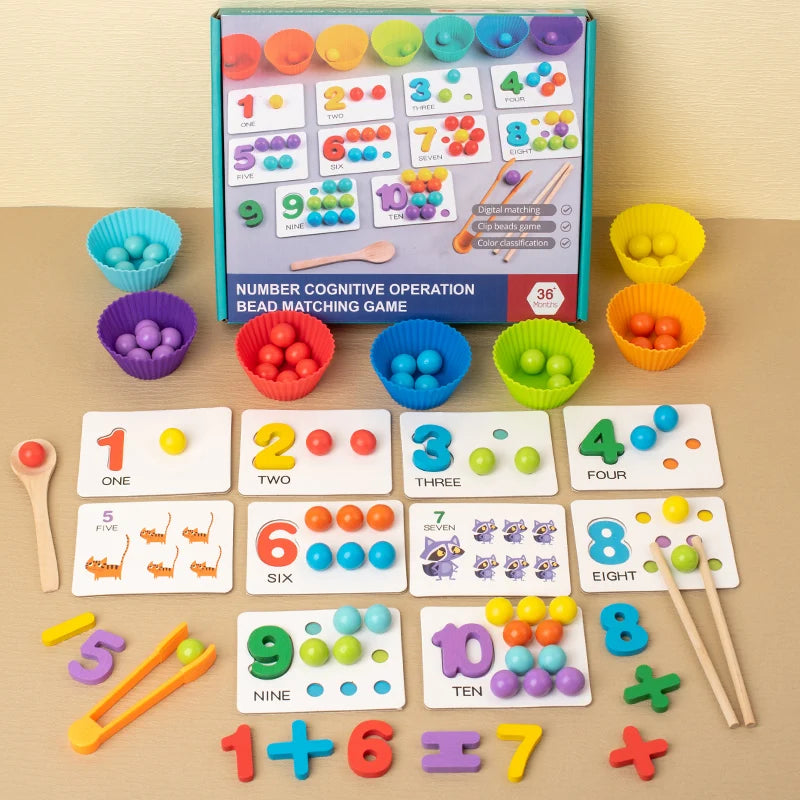
See it in action - advantages of montessori education / detailed guide on Montessori education benefits, child-led learning, classroom activities, and early childhood development.
Discover hands-on learning tools that make math fun: Explore Montessori wooden math set
How the Montessori Method Supports Child Development
Cognitive development
Montessori activities encourage children to think critically, identify patterns, and solve problems independently. Rather than memorizing answers, children develop deeper conceptual understanding through repeated exploration.
Executive function
Choosing activities, completing tasks independently, and returning materials to their proper place strengthens executive function skills such as planning, organization, attention, and self-control.
Social-emotional growth
Mixed-age classrooms create natural opportunities for cooperation, empathy, leadership, and communication. Older children often mentor younger classmates while younger learners gain confidence from observing more advanced peers.
Practical life skills
Daily activities such as pouring, cleaning, preparing snacks, organizing materials, and caring for the classroom teach responsibility while improving fine motor coordination and independence.
Explore more learning ideas in Baby Growth & Learning to support every stage of early development.
Montessori vs Traditional Preschool: Key Differences
| Feature | Montessori Method | Traditional Preschool |
|---|---|---|
| Learning approach | Hands-on, child-directed exploration | Teacher-led instruction |
| Teacher's role | Guide and observer | Primary instructor |
| Assessment | Continuous observation and progress | Group activities and benchmarks |
| Classroom environment | Prepared learning stations with self-correcting materials | Structured classroom routines |
| Learning pace | Individualized progression | Whole-class pacing |
| Independence | Strong emphasis | Moderate emphasis |
Neither approach is universally better. Montessori often benefits children who enjoy exploration and self-paced learning, while traditional preschool may suit children who thrive with predictable routines and teacher-led instruction.
Research-Backed Benefits of Montessori Education
Academic performance
Research suggests that high-quality Montessori programs can support early literacy, mathematics, and language development by combining structured materials with active learning.
Independence and motivation
Children are encouraged to make choices, complete meaningful work, and evaluate their own progress. These experiences help build intrinsic motivation rather than relying solely on external rewards.
Problem-solving skills
Montessori materials are intentionally designed to encourage experimentation and self-correction. Instead of immediately receiving answers, children discover solutions through observation and practice.
Long-term learning habits
Many parents choose Montessori because it helps children develop curiosity, persistence, concentration, and confidence—qualities that support lifelong learning beyond preschool.
Benefits of Montessori Education by Age
Toddlers
- Develop independence through simple daily routines
- Strengthen fine motor coordination
- Expand vocabulary through real-life experiences
Preschoolers
- Build early literacy and numeracy skills
- Improve attention span and concentration
- Develop confidence through independent work
Kindergarten and elementary
- Apply critical thinking across subjects
- Practice collaboration and leadership
- Develop stronger organizational skills and responsibility
Advantages and Limitations of Montessori Education
Major advantages
- Encourages independent learning
- Supports critical thinking and creativity
- Develops practical life skills alongside academics
- Adapts to individual learning pace
- Promotes intrinsic motivation
Potential limitations
- Quality varies between Montessori programs
- Authentic Montessori materials may increase classroom costs
- Some children may initially prefer more structured teacher-led instruction
Who benefits most
Montessori can work especially well for curious children who enjoy exploring independently, although many children thrive when schools successfully balance structure with self-directed learning.
Questions to ask before choosing
- Is the classroom truly Montessori-based?
- What teacher training and certification do educators have?
- How are academic progress and child development monitored?
- How does the school communicate with parents?
Real parent insight: "After introducing Montessori-inspired activities at home, our child became much more confident about solving problems independently instead of waiting for help."
Support your routine with calming environments from Sleep & Comfort for better focus.
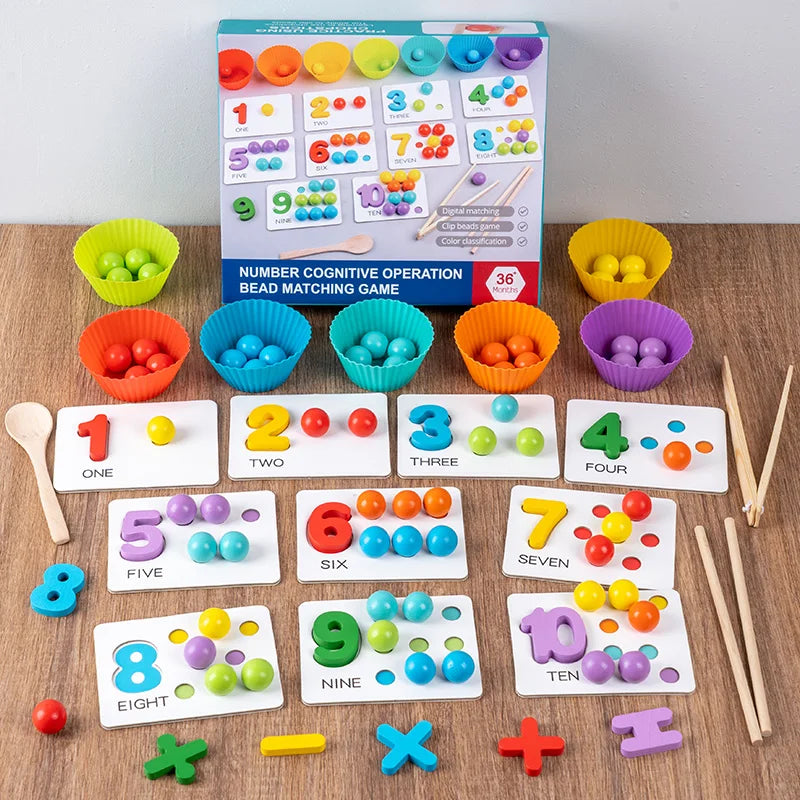
Hands-on Montessori materials help children connect learning with real experiences through exploration and repetition.
Is Montessori the Right Choice for Your Child?
Learning style
If your child enjoys exploring independently, asking questions, and learning through movement and discovery, Montessori may be an excellent fit.
Family involvement
Parents often reinforce Montessori principles at home by encouraging independence, allowing children to participate in daily routines, and providing opportunities for hands-on learning.
School quality indicators
- Prepared learning environments
- Well-trained Montessori educators
- Age-appropriate learning materials
- Observation-based assessment instead of excessive testing
- Respectful classroom culture focused on independence
Get yours now — limited stock! Shop Montessori math learning set today
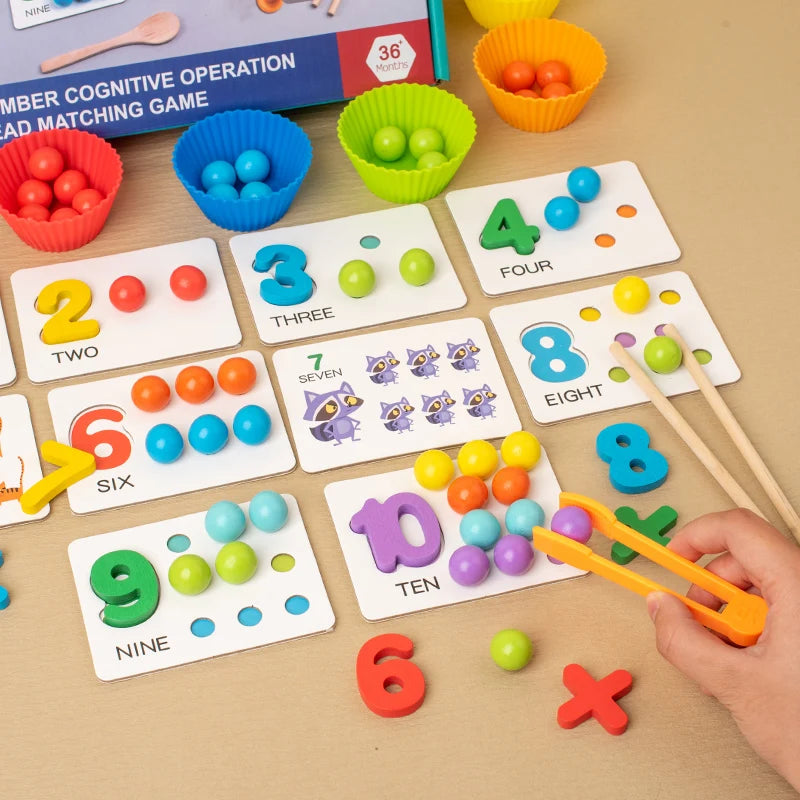
Children build confidence through independent exploration using carefully designed Montessori learning materials.
Frequently Asked Questions
What are the advantages of Montessori education?
Montessori education encourages independence, critical thinking, problem-solving, concentration, practical life skills, and intrinsic motivation while supporting academic development through hands-on learning.
What are the benefits of Montessori education?
Benefits include stronger executive function, improved confidence, deeper conceptual understanding, social-emotional development, and greater engagement with learning.
Is Montessori worth it for every child?
Not necessarily. Many children thrive in Montessori settings, while others may prefer a more structured classroom. The best choice depends on the child's personality, learning style, and the quality of the school.
How does Montessori compare with traditional preschool?
Montessori emphasizes self-directed learning and individualized pacing, while traditional preschool typically follows teacher-led lessons and a shared classroom schedule.
What age is best to start Montessori?
Many children begin Montessori programs between ages 2 and 3, although Montessori principles can support learning from infancy through elementary school.
Do Montessori students perform better academically?
Studies suggest that well-implemented Montessori programs can support strong academic achievement, particularly in early literacy, mathematics, executive function, and independent learning.
Can parents use Montessori methods at home?
Yes. Families can encourage independence, provide hands-on learning experiences, create organized environments, and use age-appropriate educational materials to reinforce Montessori principles.
What are the disadvantages of Montessori education?
Potential drawbacks include variability in program quality, the need for specialized materials, and the possibility that some children may initially prefer more structured teacher-led classrooms.
Pillar Article: Best preschool educational toys: Top picks & comparisons 2026
Other Related Articles:
- Number recognition games for preschoolers: Top games compared
- Preschool math manipulatives: Best sets compared for learning
- Benefits of hands on learning: What works better for kids?
- Educational toys for 4 year olds: Which works best?
Explore More:





