

High Quality Educational Toys: What Makes Them Worth It
Are high quality educational toys worth it?
High quality educational toys are often worth it because they last longer, support deeper skill-building, and stay engaging across multiple growth stages. Families frequently spend less over time by choosing durable toys that encourage creativity, focus, problem-solving, and independent play instead of replacing cheap, short-lived options.
High Quality Educational Toys: What Makes Them Worth It
⏱ 8 min read
Parents want toys that do more than fill shelves or create clutter. The best choices keep children engaged, grow with their abilities, and stand up to daily use. If you are comparing cost, safety, and learning value, this guide explains why high quality educational toys can be one of the smartest upgrades for calmer playtime and better development.
Wondering which toy upgrade gives the biggest payoff? Start with toys children can use in multiple ways. Open-ended play usually delivers the longest value.
👉 Discover a playtime favorite: Ice Cream Counter Playset for Kids
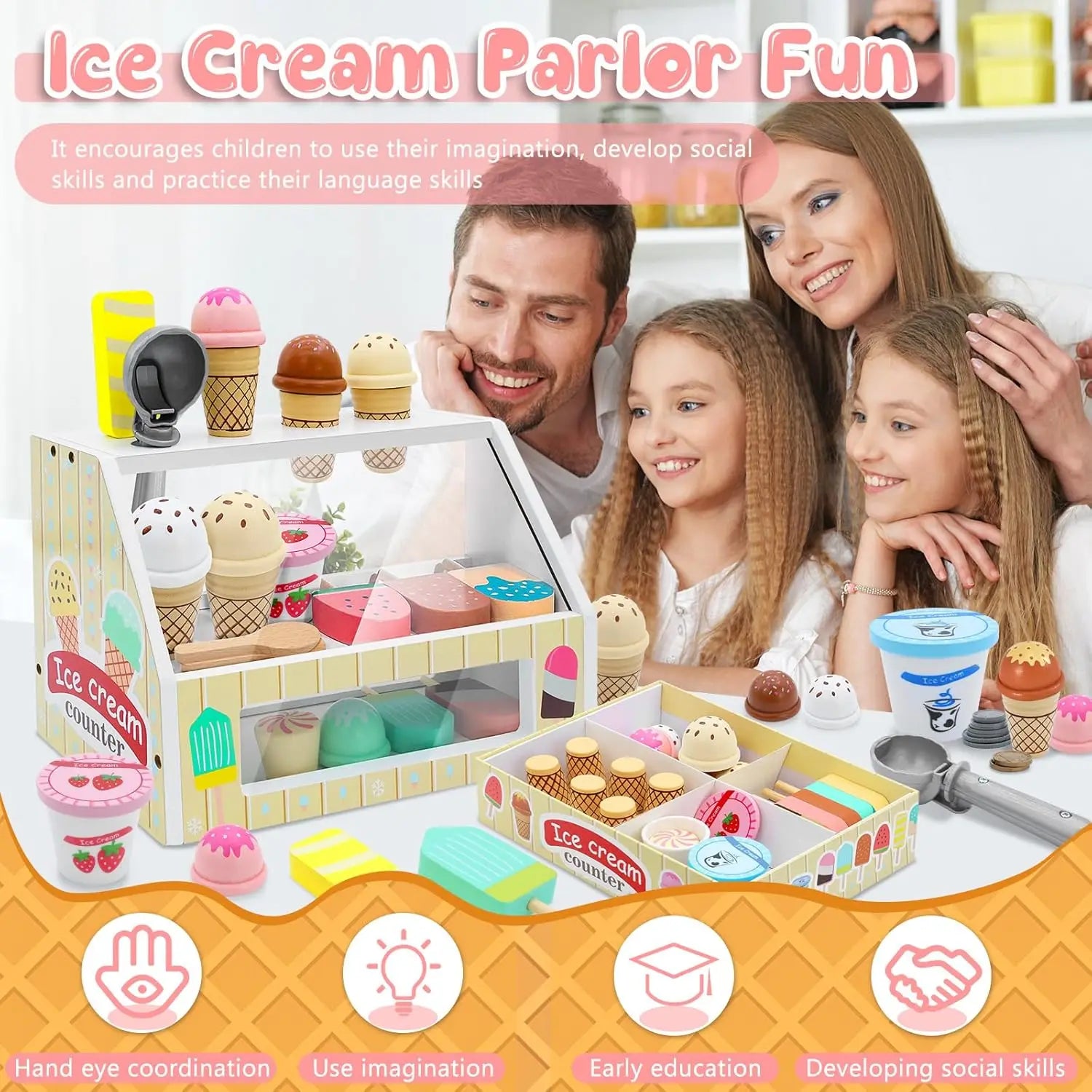
High quality educational toys that support imagination and hands-on learning. 💡 See it in action.
How Better Design Makes Learning Easier Every Day
High quality educational toys help children stay focused because they work smoothly, feel satisfying to handle, and invite repeated play. Pieces fit correctly, finishes are safer, and activities feel rewarding instead of frustrating.
That matters because young children learn through repetition. When toys break quickly or feel confusing, they lose interest fast. Better-made toys often encourage longer play sessions and more independent exploration.
- Longer attention spans: fewer distractions from broken parts or poor design.
- More creativity: open-ended toys can become many different games.
- Less clutter: fewer low-value impulse purchases.
- Better value: toys can be reused for siblings or gifted onward.
| Low-Cost Short-Term Toy | High-Quality Educational Toy |
|---|---|
| Single use or one trick | Multiple ways to play |
| Breaks faster | Built for repeat use |
| Quick excitement | Steady long-term engagement |
Wooden vs Plastic Toys Safety and Durability: Which Wins?
Wooden vs plastic toys safety and durability depends on design quality, materials, and intended use. Solid wood toys often excel in durability and tactile play, while high-grade plastic can be lighter, washable, and useful for detailed features. Poorly made versions of either material are the real problem.
When Wooden Toys Shine
- Strong and long-lasting for stacking, sorting, and pretend play.
- Heavier feel can improve fine motor control.
- Classic appearance that many families keep for years.
- Often simpler designs that reduce overstimulation.
When Plastic Toys Make Sense
- Easy to wipe clean after messy play.
- Lighter for younger children to carry.
- Useful for moving parts, lights, or water play.
- Often lower upfront cost.
What to Check for Safety
- Smooth edges and no splinters or cracks.
- Non-toxic finishes or coatings.
- Securely attached small parts.
- Age-appropriate sizing.
For many families, a mix works best: wooden toys for open-ended learning and select plastic toys for washable specialty play.
Parents often report that sturdier toys create calmer rooms because children spend more time playing and less time asking for help.
Why Safe Wooden Pretend Play Toys for Preschoolers Boost Imagination
Safe wooden pretend play toys for preschoolers help children practice language, empathy, planning, and social skills. Pretend play lets them copy the real world in a safe, joyful way—serving food, running a shop, caring for dolls, or solving little problems.
A toy kitchen or counter set can turn into hours of role play. Children take turns, count items, describe flavors, organize supplies, and invent stories. That is learning hidden inside fun.
👉 Want a screen-free activity kids return to again and again? Explore the Ice Cream Counter Playset for Kids.
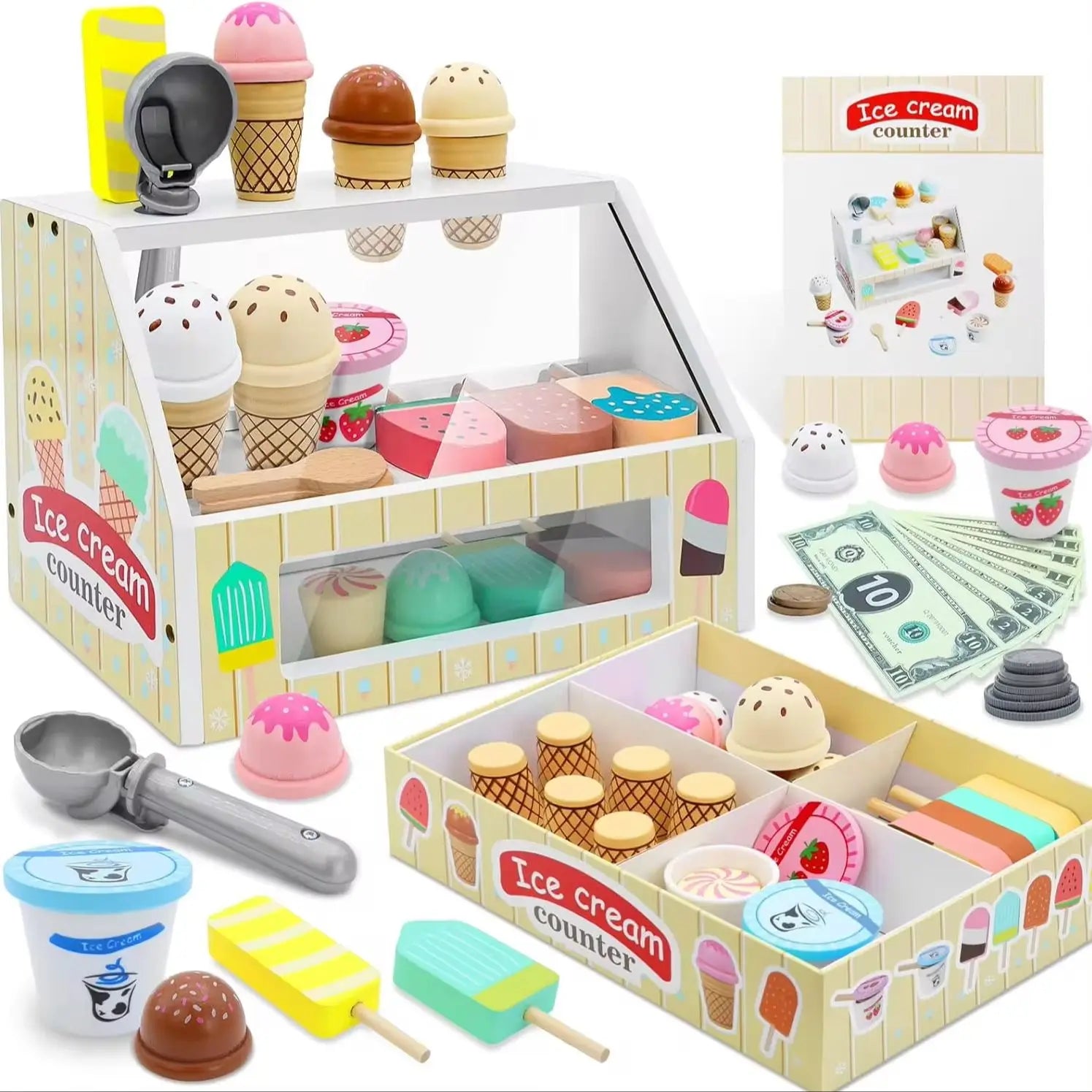
Safe wooden pretend play toys for preschoolers build language, sharing, and confidence. 💡 See it in action.
Skills Built Through Pretend Play
- Communication: asking, answering, storytelling.
- Math basics: counting scoops, sorting colors, taking turns.
- Confidence: leading the game.
- Emotional growth: understanding others.
Real-life example: A child who hesitates in group settings may happily become the “shop owner” during pretend play and start talking more naturally.
Related collections for growing minds: Baby Growth & Learning and Sensory Toys.
Best Montessori Toys for 3 to 6 Year Olds for Focus and Independence
The best montessori toys for 3 to 6 year olds are simple, purposeful, hands-on, and self-correcting. They help children practice real skills, build concentration, and complete tasks independently without constant adult direction.
Top Categories to Consider
- Practical life tools: pouring sets, child-safe cleaning kits, dressing frames.
- Puzzles: shape matching, maps, sequencing boards.
- Building sets: blocks, magnetic tiles, balance games.
- Language toys: alphabet objects, sound matching cards.
- Math manipulatives: counting beads, number rods, sorting counters.
How They Help Busy Families
- Children stay occupied with meaningful tasks.
- Less reliance on screens for entertainment.
- More pride in doing things themselves.
- Quieter, more focused play sessions.
| Age | Good Toy Types |
|---|---|
| 3 Years | Sorting trays, large puzzles, pretend food sets |
| 4 Years | Pattern games, building blocks, role-play stations |
| 5-6 Years | Counting tools, early reading games, advanced construction sets |
How to Choose Toys That Truly Last
Before buying, ask these five questions:
- Can my child use it in more than one way?
- Will it still be useful six months from now?
- Is it sturdy enough for daily handling?
- Does it teach a real skill or spark imagination?
- Would I be happy to keep or pass it on?
If the answer is yes to most of these, you are likely looking at one of the better high quality educational toys available.
Helpful family essentials: Health & Safety, Sleep & Comfort, and Mom Essentials.
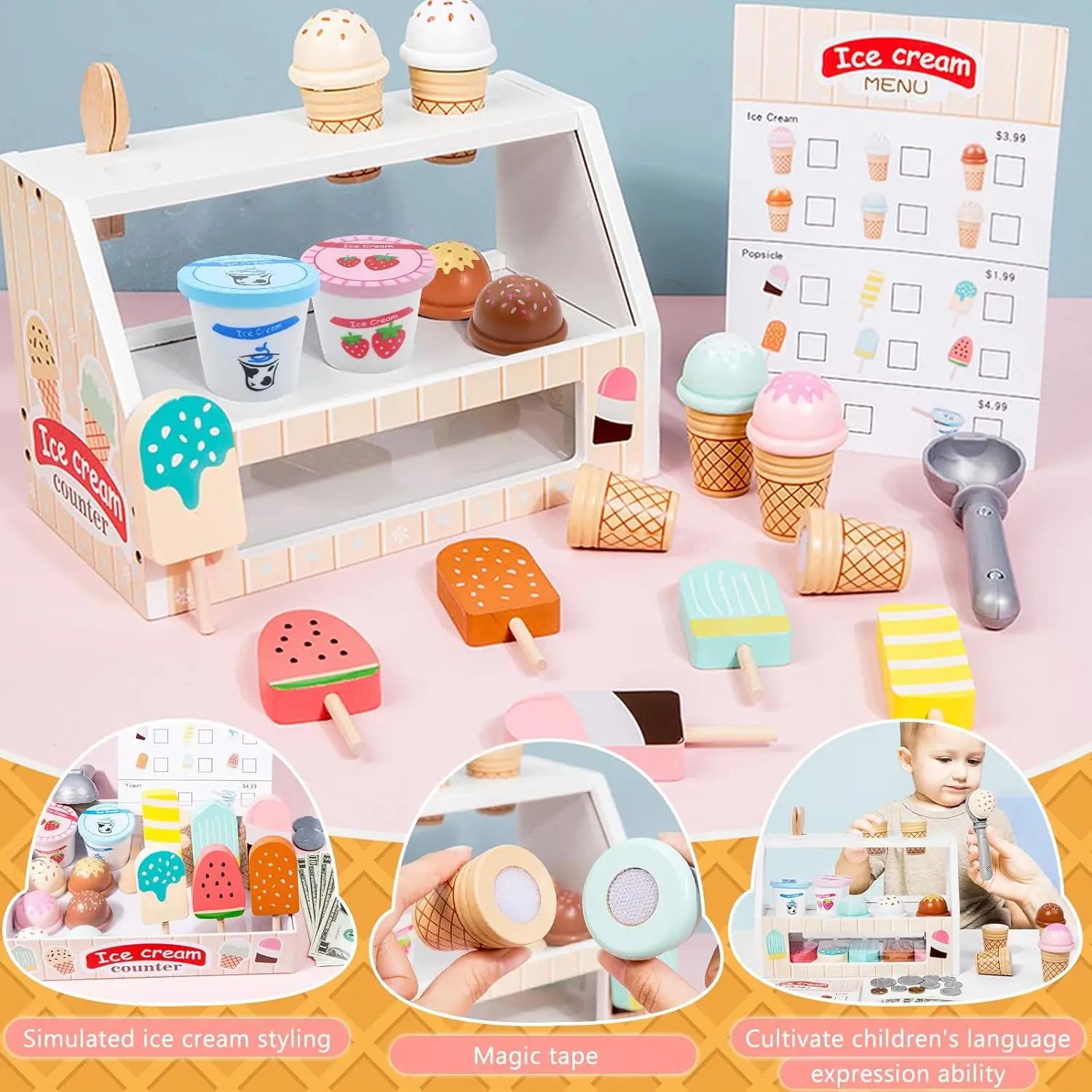
Wooden vs plastic toys safety and durability matters most when toys are used every day. 💡 See it in action.
Why Many Parents Upgrade After Buying Cheaper Toys First
Many families notice the same pattern: cheaper toys create fast excitement but fade quickly. Better toys may cost more upfront, yet they often become favorites used for months or years.
That means less waste, fewer replacement purchases, and more meaningful playtime. For comparison shoppers, that is where the value becomes clear.
👉 Ready for a toy kids actually keep using? Get the Ice Cream Counter Playset for Kids while available.
Mini FAQ
Are expensive toys always better?
No. Price alone does not guarantee value. Look for durability, open-ended use, and age-appropriate design.
How many educational toys does a child need?
Usually fewer than parents think. A smaller set of versatile toys often creates deeper engagement than many single-use toys.
Are wooden toys safer than plastic toys?
Not automatically. Safety depends on construction quality, finishes, and age suitability.
What is the best first upgrade for preschoolers?
A pretend play set, building blocks, or practical life activity station often delivers strong long-term value.
Do Montessori-style toys really help?
They can help by encouraging independence, concentration, and hands-on learning when matched to the child’s stage.
Pillar Article: Best Educational Toys: Key Features That Boost Learning Fast
Other Related Articles:
Explore More:





