

Best Educational Toys: Key Features That Boost Learning Fast
Are the best educational toys really worth it?
The best educational toys support creativity, language, and problem-solving when they encourage open-ended play and real-world exploration. Toys with flexible use, safe materials, and social interaction features outperform flashy gadgets, helping toddlers learn faster through imagination, repetition, and meaningful engagement.
Best Educational Toys: Key Features That Boost Learning Fast
⏱ 8 min read — Choosing toys shouldn’t feel overwhelming—but with endless options, it often does. Many parents worry they’re buying toys that entertain briefly but fail to build real skills. The truth? The best educational toys don’t just keep kids busy—they shape how children think, imagine, and connect with the world around them.
Toys imaginative play can transform how children think, create, and connect—but not all toys spark that magic. Many parents unknowingly choose toys that don’t encourage imaginative play, limiting creativity and problem-solving. So how to encourage imaginative play at home without overcomplicating things? The answer lies in choosing the right features and understanding which pretend play toys improve social skills naturally. Ready to unlock deeper focus, richer storytelling, and more independent play in your child?
Explore curated options in Baby Growth & Learning designed to support real development from day one.
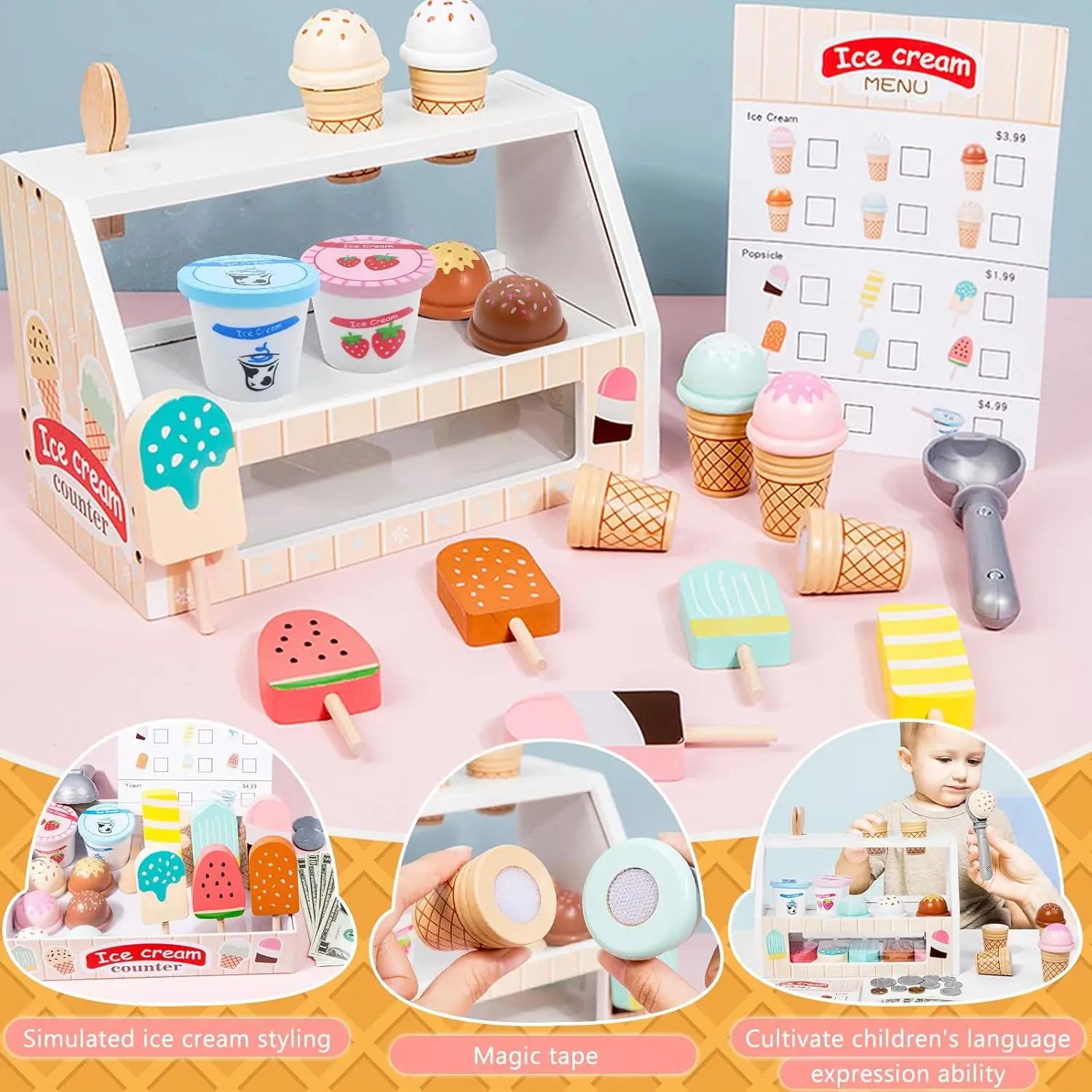
Best educational toys for imaginative play 2026 💡 See it in action
What Makes the Best Educational Toys Truly Effective?
The best educational toys combine open-ended play, safety, and skill-building features that adapt as your child grows. Unlike passive toys, they encourage exploration, storytelling, and interaction—helping toddlers build cognitive, emotional, and social skills through hands-on learning and imaginative scenarios.
Which baby gear actually helps your child learn faster—not just play longer? Keep reading.
Parents often notice a pattern: some toys get used every day, while others sit untouched. The difference isn’t price or brand—it’s how the toy engages your child’s mind.
- Active engagement: Encourages doing, not just watching
- Open-ended use: No single “correct” way to play
- Skill layering: Builds multiple abilities at once
- Real-world connection: Mirrors everyday experiences
Explore options that nurture these qualities in Sensory Toys and Mobility & Training.
Key Features That Boost Learning Fast
1. Open-Ended Design Encourages Creativity
Toys that can be used in many ways grow with your child. Blocks, pretend play sets, and role-playing tools inspire storytelling and problem-solving.
- Promotes independent thinking
- Encourages experimentation
- Supports longer play sessions
2. Safe Materials for Stress-Free Play
Safety is non-negotiable. Look for non-toxic, durable materials that withstand daily use.
Find trusted options in Health & Safety.
3. Social Interaction Features
Toys that involve sharing, role-playing, or teamwork help children develop communication skills naturally.
- Builds empathy
- Improves language development
- Encourages cooperation
4. Sensory Stimulation Without Overload
Bright colors and textures are helpful—but too many flashing lights can overwhelm toddlers.
Balanced stimulation supports focus and calm exploration.
5. Real-Life Role Play Elements
Pretend kitchens, shops, and everyday scenarios help children understand the world.
These toys transform play into meaningful learning experiences.
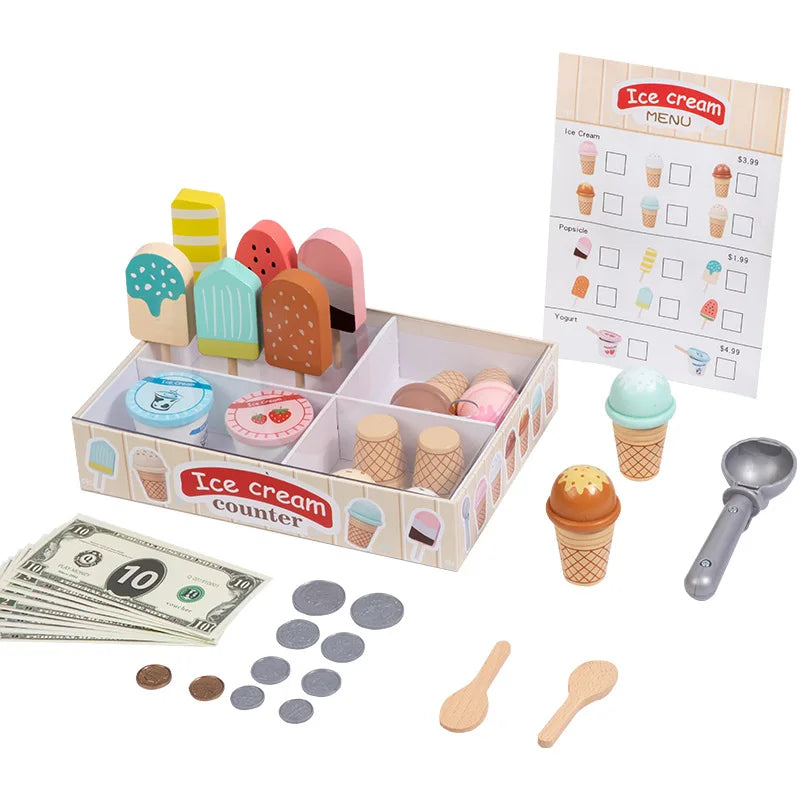
Safe toys for toddlers with learning benefits 💡 See it in action
Browse practical guides in Baby Growth & Learning Tips.
Toys That Don’t Encourage Imaginative Play
Not all toys are created equal. Some limit creativity instead of enhancing it.
- ❌ Single-purpose toys with fixed outcomes
- ❌ Overstimulating electronic toys
- ❌ Toys that require constant adult direction
- ❌ Passive entertainment-focused products
These toys often lead to short attention spans and reduced problem-solving skills.
Why Pretend Play Builds Real-Life Skills
Pretend play isn’t just fun—it’s essential for development.
- Language skills: Children narrate stories and expand vocabulary
- Emotional growth: Role-play helps process feelings
- Problem-solving: Kids create solutions in imaginary scenarios
- Confidence: Independent play builds self-trust
Parents consistently report noticeable improvements in communication and creativity when using pretend play toys.
Comparison: Effective vs Low-Value Toys
| Feature | High-Value Educational Toys | Low-Value Toys |
|---|---|---|
| Play Style | Open-ended | Fixed |
| Engagement | Active participation | Passive |
| Skill Development | Multi-skill growth | Limited |
| Longevity | Grows with child | Quickly outgrown |
How to Choose the Right Toy for Your Child
- Look for toys with multiple ways to play
- Prioritize safety and durability
- Choose toys that mimic real-life activities
- Encourage interaction and storytelling
- Balance stimulation with simplicity
For more curated options, visit Sensory Toys and Baby Growth & Learning.
How This Ice Cream Playset Unlocks Creativity Fast
The best educational toys combine imaginative play with real-world interaction—and this ice cream counter playset does exactly that. It encourages storytelling, social skills, and independent play through hands-on role-play scenarios, making it a powerful tool for early learning and creativity development.
Explore it here: Ice Cream Counter Playset for Kids
- ✅ Encourages role-play and storytelling
- ✅ Builds communication and social skills
- ✅ Safe and toddler-friendly design
- ✅ Supports independent and group play
Real parent feedback: “My child plays with this every day—creating stories, serving ‘customers,’ and even counting pretend money. It’s more than a toy—it’s a learning experience.”
Why It Works Better Than Alternatives
Unlike single-function toys, this playset adapts to your child’s imagination.
- Flexible play scenarios
- Encourages creativity without screens
- Promotes real-world understanding
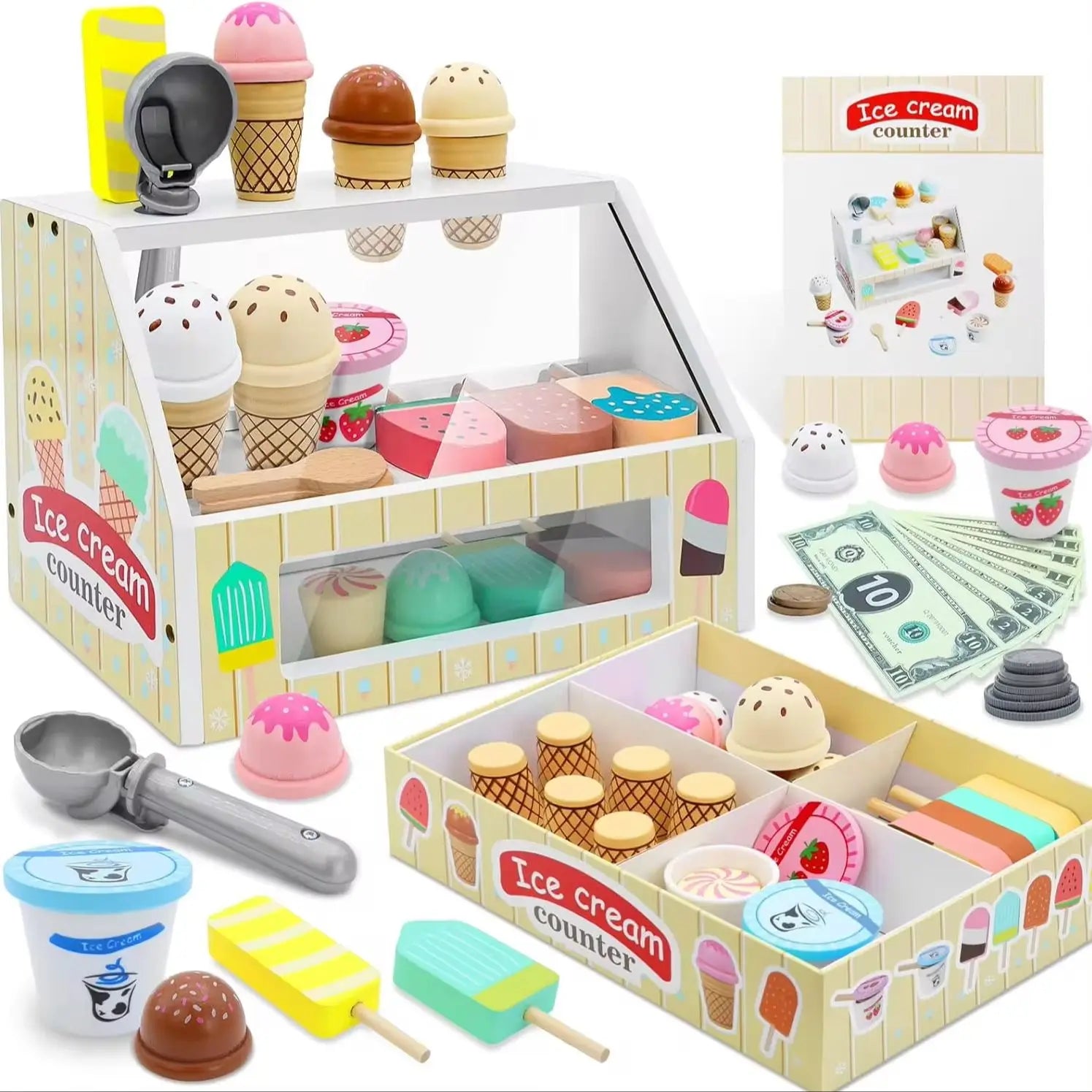
Best educational toys for imaginative play 2026 💡 See it in action
Shop the Ice Cream Counter Playset and turn playtime into learning time today.
Frequently Asked Questions
What are the best educational toys for toddlers?
The best educational toys are open-ended, safe, and encourage imaginative play. They support multiple skills like communication, creativity, and problem-solving.
How do I know if a toy has learning value?
Look for toys that allow multiple uses, encourage interaction, and mimic real-life scenarios. Avoid toys that only entertain passively.
Why is imaginative play important?
Imaginative play helps children develop language, emotional understanding, and creativity. It also builds confidence and independence.
Are electronic toys bad for learning?
Not always—but excessive stimulation can reduce focus and creativity. Balanced, interactive toys are usually more beneficial.
How can I encourage imaginative play at home?
Provide open-ended toys, limit screen time, and engage in role-play activities with your child. Simple setups often lead to the richest play experiences.
Related Articles:
- High Quality Educational Toys: What Makes Them Worth It
- Toys Imaginative Play: Features That Unlock Creativity
Pillar Articles:





