

Toys Imaginative Play: Features That Unlock Creativity
Do toys imaginative play really matter for child development?
Toys imaginative play support creativity, language growth, and social skills by encouraging children to invent stories, roles, and solutions. Unlike passive toys, they promote active thinking and problem-solving. Choosing the right features can significantly improve how children learn, interact, and express themselves during everyday play.
Toys Imaginative Play: Features That Unlock Creativity
⏱ 8 min read
Toys imaginative play isn’t just fun—it’s how children build creativity, confidence, and communication skills from the ground up. But many parents unknowingly choose toys that limit imagination instead of expanding it. What if a simple shift in toy features could unlock deeper learning, better social interaction, and more meaningful playtime at home?
Toys imaginative play that spark creativity and learning 💡 See it in action
Why Imaginative Play Matters More Than Ever
Children today are surrounded by screens and structured entertainment. While convenient, these often limit independent thinking.
Imaginative play flips the script. It encourages kids to create, explore, and problem-solve without fixed rules.
- Builds language through storytelling and dialogue
- Strengthens emotional understanding through role play
- Improves attention span and independent thinking
- Encourages collaboration with siblings or friends
Parents often ask: “Which toys actually support this kind of growth?” The answer lies in the features—not just the toy itself.
Key Features That Unlock Creativity in Toys Imaginative Play
Toys imaginative play work best when they leave room for interpretation rather than giving fixed outcomes.
1. Open-Ended Design Encourages Endless Possibilities
Open-ended toys don’t tell children what to do. Instead, they invite exploration.
- No single “correct” way to play
- Multiple uses across different scenarios
- Grows with your child over time
Explore more creative options in Baby Growth & Learning.
2. Real-Life Roleplay Enhances Social Skills
Kids learn by mimicking everyday life. Pretend kitchens, stores, or doctor kits allow them to practice real-world interactions.
- Teaches sharing and communication
- Builds empathy through role reversal
- Encourages teamwork
3. Minimal Electronics, Maximum Thinking
Toys with lights and sounds can entertain—but often reduce imagination.
Children become passive instead of creative participants.
4. Multi-Sensory Engagement Deepens Learning
The best toys combine touch, movement, and visual elements.
For more ideas, browse Sensory Toys.
Toys That Don’t Encourage Imaginative Play
Not all toys are created equal. Some actually limit creativity.
| Type of Toy | Why It Falls Short |
|---|---|
| Single-function toys | Only one way to play |
| Overly electronic toys | Reduces active thinking |
| Pre-scripted playsets | Limits storytelling freedom |
| Fast-paced digital toys | Shortens attention span |
These toys may entertain briefly, but they don’t build lasting skills.
How to Encourage Imaginative Play at Home
Even the best toys need the right environment to shine.
- Create a distraction-free play area
- Rotate toys weekly to keep interest fresh
- Join in occasionally—but let your child lead
- Use everyday items as props for storytelling
- Encourage group play for social development
Support daily routines with helpful tools from Mom Essentials.
How to encourage imaginative play at home with simple setups 💡 See it in action
Which Pretend Play Toys Improve Social Skills
Certain toys stand out when it comes to building interaction and communication.
- Play kitchens: Teach cooperation and sharing
- Shop or market sets: Practice conversation and negotiation
- Doctor kits: Build empathy and care
- Dress-up sets: Encourage storytelling and confidence
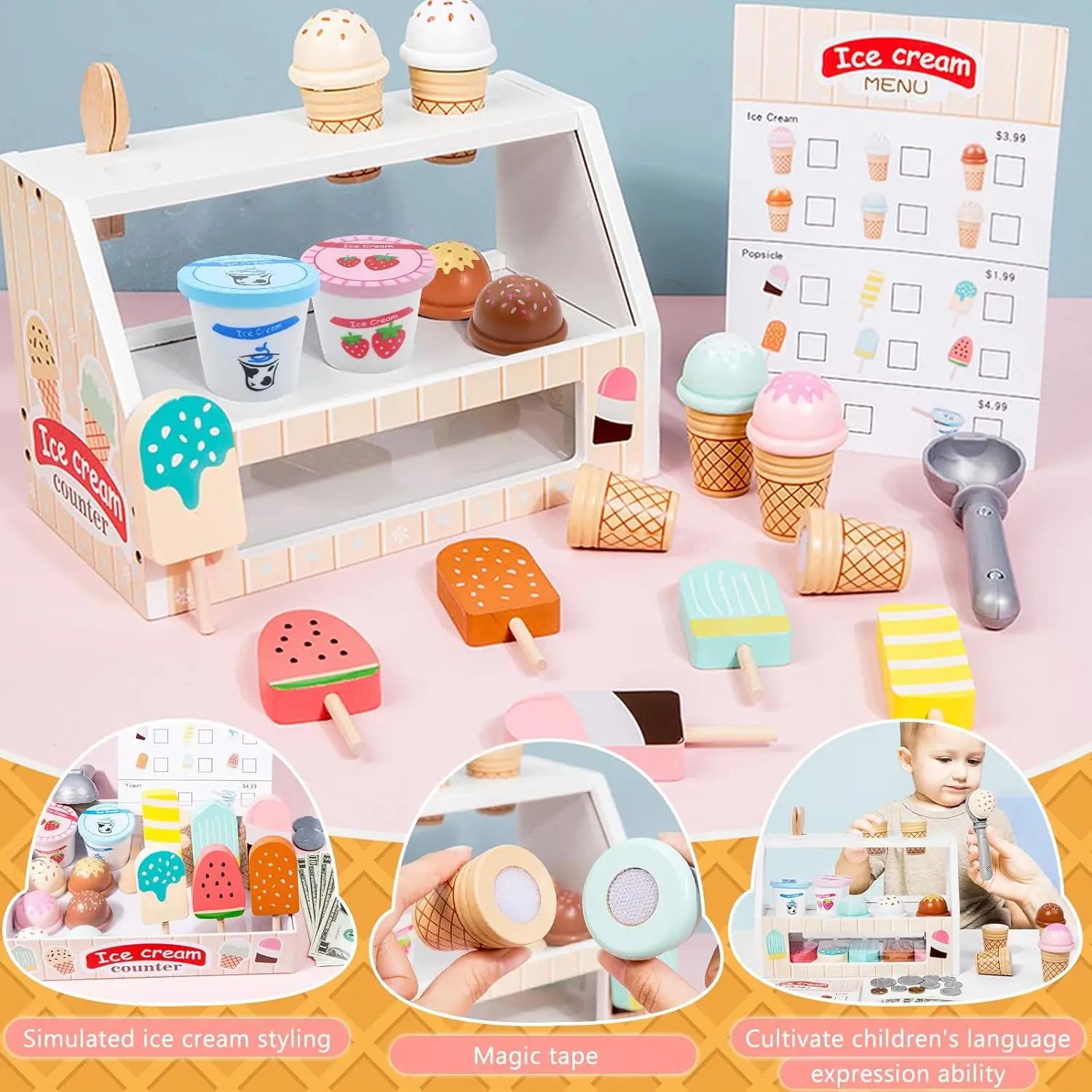
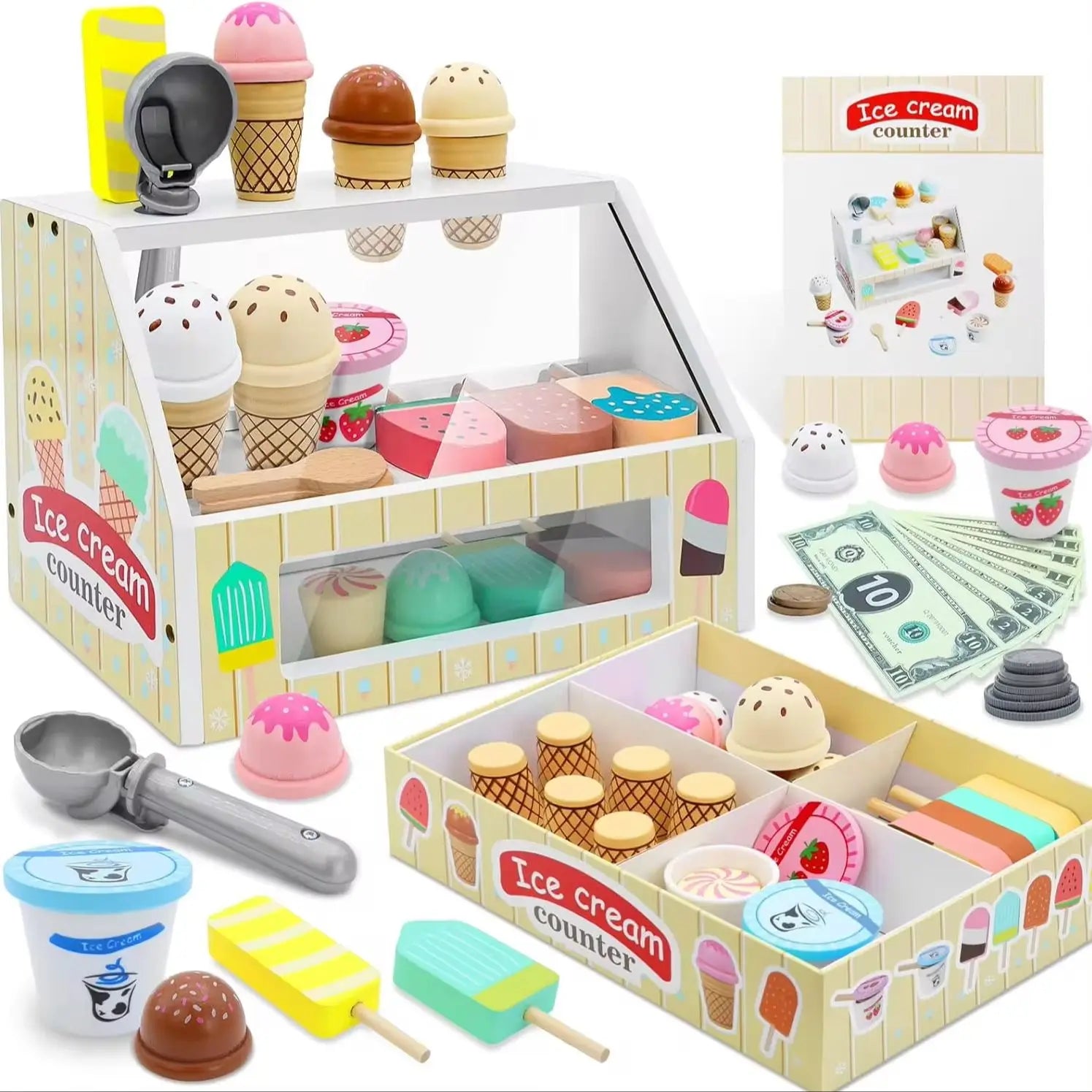
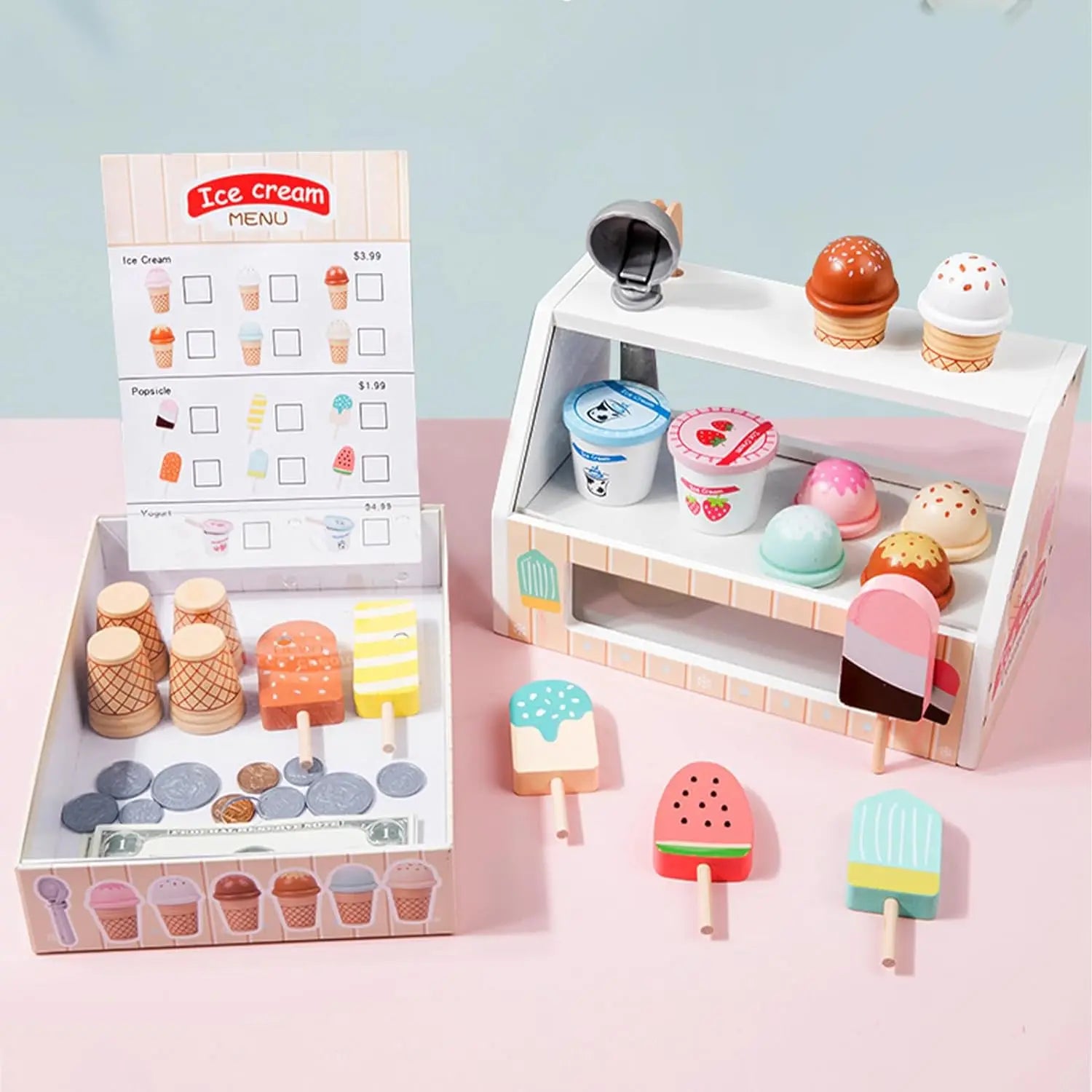
One standout example is the ice cream counter playset for kids.
It combines roleplay, creativity, and social interaction in one engaging setup.
Why This Playset Delivers Better Results
The ice cream counter playset for kids is designed specifically to support toys imaginative play through interactive features and open-ended design. It encourages storytelling, builds social confidence, and keeps children engaged longer than traditional toys.
- Encourages real-life roleplay scenarios
- Supports independent and group play
- Enhances communication and creativity
- Durable design for long-term use
Real Parent Feedback
“My child plays with this every day—it’s the only toy that keeps them engaged for hours.”
“We’ve noticed better communication and sharing skills after just a few weeks.”
Before vs After
| Before | After |
|---|---|
| Short attention span | Longer focused play sessions |
| Passive entertainment | Active storytelling |
| Limited interaction | Improved social engagement |
Pair this with resources from Baby Growth & Learning for even better outcomes.
Which pretend play toys improve social skills for kids 💡 See it in action
Frequently Asked Questions
What age is best for toys imaginative play?
Imaginative play typically starts around age 2 and grows stronger through early childhood. The right toys can support development at every stage.
How do I know if a toy encourages imagination?
Look for open-ended designs, minimal electronics, and opportunities for roleplay. If a toy has multiple ways to play, it likely supports creativity.
Can imaginative play improve behavior?
Yes. It helps children process emotions, practice communication, and build problem-solving skills—all of which contribute to better behavior.
How long should kids engage in imaginative play daily?
Even 30–60 minutes a day can make a noticeable difference in creativity, focus, and social development.
Are pretend play toys worth the investment?
Absolutely. They provide long-term developmental benefits and often replace multiple single-use toys, making them a smarter choice overall.
Pillar Article: Best Educational Toys: Key Features That Boost Learning Fast
Other Related Articles:
Explore More:





