

Home Preschool Activities: How to Build Fun Learning Routines
What are home preschool activities and how do they help toddlers learn?
Home preschool activities are simple, structured play routines that help toddlers develop focus, creativity, and independence without screens. By using everyday materials, these activities support sensory growth, improve attention span, and build early learning skills in a fun, low-pressure environment at home.
Home Preschool Activities: How to Build Fun Learning Routines
Home preschool activities can transform everyday moments into powerful learning experiences without stress or screens. Discover screen free creative toddler activities that boost curiosity, preschool sensory development activities at home that strengthen brain connections, and preschool attention span short activities designed for real-life routines. These hands on sensory learning activities are simple, affordable, and surprisingly effective for building focus and independence. Ready to turn playtime into meaningful growth without overwhelm?
⏱ 8 min read
Do you ever feel like your toddler has endless energy—but struggles to stay focused for more than a few minutes? You’re not alone. Many parents want to create meaningful learning time at home but feel overwhelmed by messy setups, short attention spans, or too much screen reliance.
Here’s the good news: you don’t need fancy tools or long lesson plans. The right home preschool activities can turn everyday play into powerful learning moments—naturally, gently, and effectively.
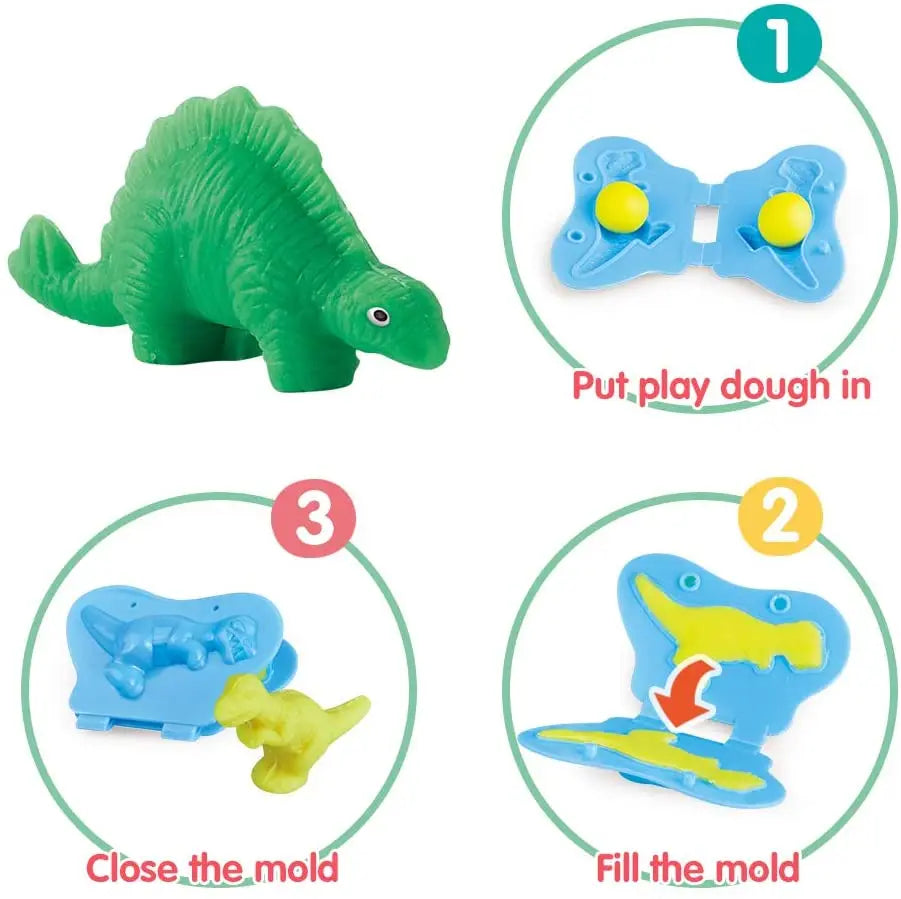
Screen free creative toddler activities that build focus and curiosity 💡 See it in action
Why Home Preschool Activities Work So Well for Early Learning
Home preschool activities give toddlers something they crave: predictable structure + creative freedom.
Instead of overwhelming your child with long lessons, you offer small, engaging moments that build confidence over time.
- ✅ Encourage independent thinking
- ✅ Reduce screen dependency
- ✅ Build stronger parent-child connection
- ✅ Support emotional regulation
- ✅ Improve focus naturally
Parents often notice that within just a week of consistent routines, their toddler becomes calmer, more engaged, and easier to guide.
Which activity works best for your child’s personality? Keep reading—you’ll find the perfect fit.
How to Build a Simple Daily Learning Routine Without Stress
Creating a routine doesn’t mean scheduling every minute. In fact, the best routines feel flexible and natural.
Start With Just 3 Core Activity Blocks
- Morning: Calm sensory play
- Midday: Creative exploration
- Afternoon: Short focus activities
This simple structure helps toddlers know what to expect, reducing resistance and meltdowns.
Keep Activities Short and Engaging
Toddlers thrive on quick wins. Aim for:
- 5–10 minutes per activity
- Clear start and end
- Hands-on involvement
This approach aligns perfectly with preschool attention span short activities and keeps your child excited instead of overwhelmed.
Create a “Learning Corner” at Home
You don’t need a full classroom setup. A small space with accessible materials is enough.
Explore helpful tools inside Baby Growth & Learning to build a simple, engaging environment.
Preschool Attention Span Short Activities That Actually Work
If your toddler jumps from one toy to another, don’t worry—that’s completely normal.
The key is using short, purposeful activities that match their natural attention span.
Try These 5-Minute Focus Boosters
- Sorting objects by color or shape
- Stacking blocks with a goal (build a tower)
- Matching cards or simple puzzles
- Scoop-and-transfer games with cups
- Playdough shaping challenges
These quick activities train the brain to focus longer over time.
| Activity | Skill Developed | Time Needed |
|---|---|---|
| Sorting colors | Attention + categorization | 5 min |
| Stacking blocks | Problem-solving | 7 min |
| Playdough shapes | Creativity + motor skills | 10 min |
Hands-On Sensory Learning Activities That Boost Brain Development
One of the most powerful ways toddlers learn is through their senses.
Preschool sensory development activities at home don’t need to be complicated—they just need to be engaging.
Simple Sensory Activities You Can Try Today
- Water pouring stations
- Rice or bean sensory bins
- Playdough sculpting
- Texture exploration (soft, rough, smooth)
- Smell and identify games
These activities strengthen neural connections and improve coordination.
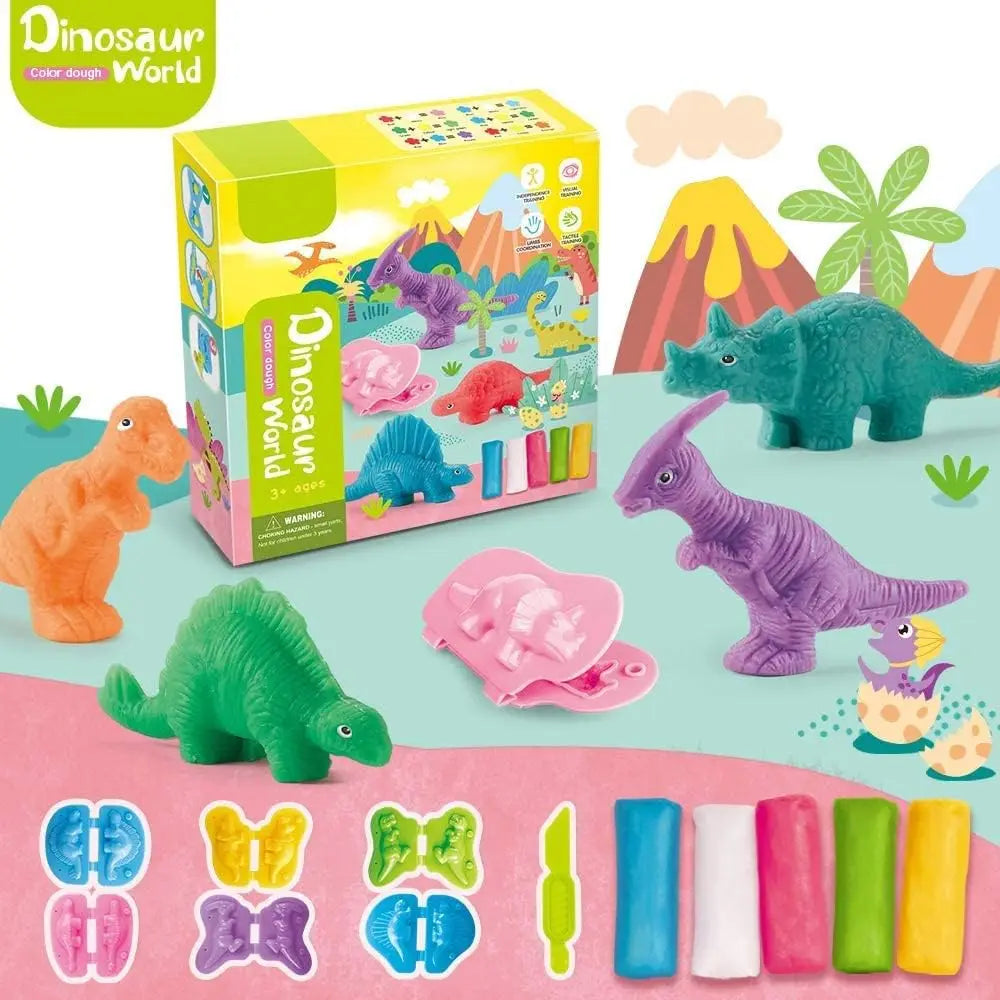
Preschool sensory development activities at home that enhance learning 💡 See it in action
For ready-made options that simplify setup, explore Sensory Toys designed to support hands-on learning.
Screen Free Creative Toddler Activities That Spark Imagination
Screens may seem convenient, but they often reduce creativity and attention over time.
Instead, try these screen free creative toddler activities that naturally engage your child.
Creative Play Ideas That Never Get Old
- Storytelling with toys
- Building forts with blankets
- Drawing or painting freely
- Pretend cooking or role-play
- Music and movement games
These activities build imagination while keeping your toddler emotionally engaged.
Many parents report fewer tantrums when switching from screen time to hands-on creative play.
Step-by-Step Daily Routine You Can Start Today
- Set a consistent start time each day
- Begin with calm sensory play (5–10 minutes)
- Transition to creative activity (10–15 minutes)
- Add a short focus task (5 minutes)
- End with free play or quiet time
This structure keeps your toddler engaged without feeling restricted.
Consistency is more important than perfection. Even 20–30 minutes a day can make a huge difference.
Common Mistakes Parents Make (And Easy Fixes)
| Mistake | Why It Happens | Fix |
|---|---|---|
| Too many activities | Trying to do everything | Limit to 2–3 per session |
| Expecting long focus | Unrealistic expectations | Keep activities short |
| Relying on screens | Convenience | Use hands-on alternatives |
| No routine | Lack of structure | Create simple daily flow |
Fixing these small issues can dramatically improve your child’s engagement and behavior.
Tools That Make Home Learning Easier and More Fun
While you can start with everyday items, the right tools can save time and increase engagement.
- Playdough kits for creativity
- Sensory bins for exploration
- Simple puzzles for focus
- Safe, child-friendly materials
Explore more supportive tools inside Baby Growth & Learning and Sensory Toys.
One parent shared: “After introducing simple sensory routines, my toddler stayed focused twice as long and actually asked for playtime instead of screens.”
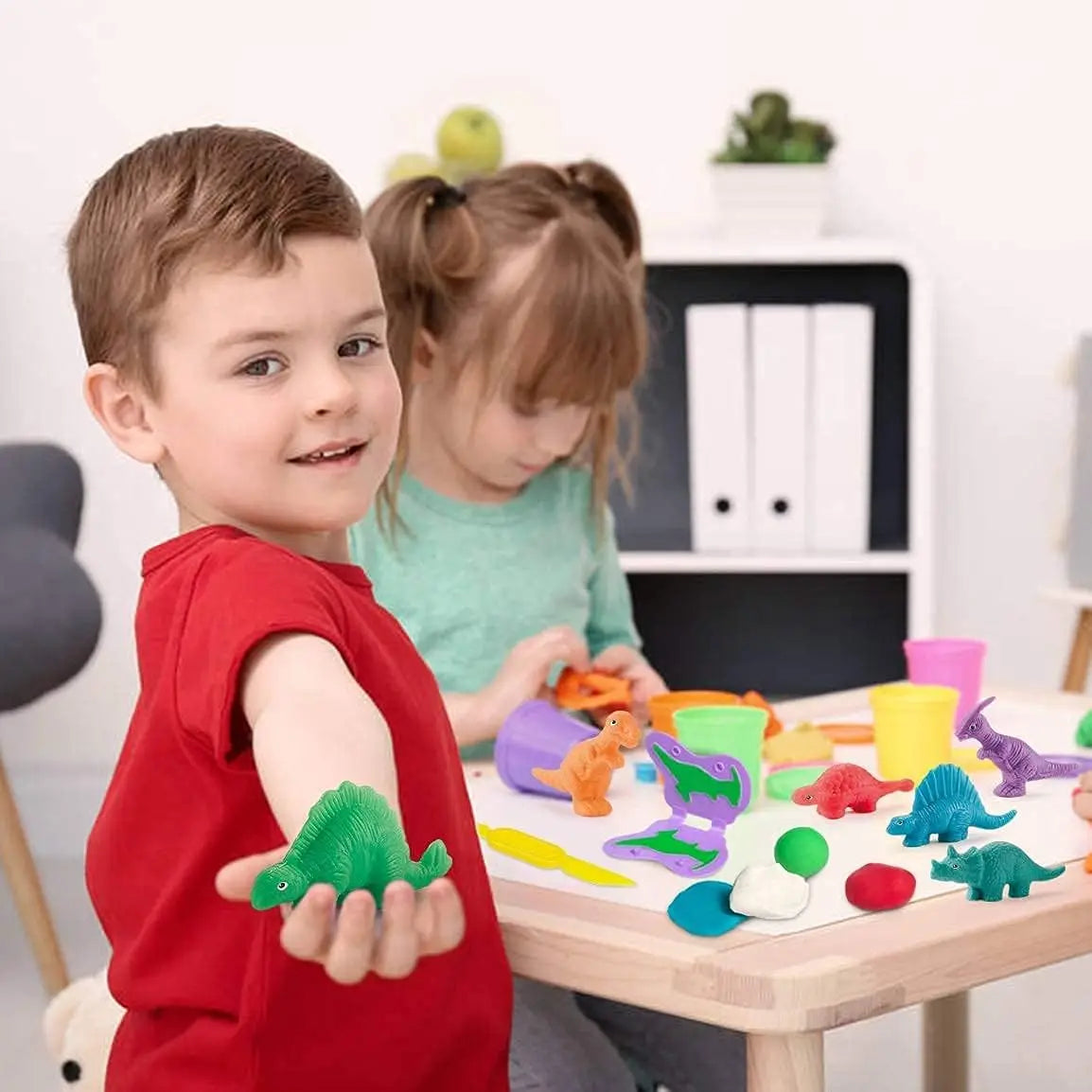
Hands on sensory learning activities that improve focus and independence 💡 See it in action
FAQs
What are the best home preschool activities for beginners?
Start with simple activities like sorting, stacking, and sensory play. These are easy to set up, require minimal materials, and help toddlers build focus and coordination quickly.
How long should preschool activities last?
Most toddlers benefit from activities lasting 5–15 minutes. Short sessions keep them engaged without frustration and gradually improve attention span over time.
Do I need special tools for home learning?
No, many activities use household items. However, dedicated tools like sensory kits or playdough sets can enhance engagement and make setup easier for parents.
How do I reduce my toddler’s screen time?
Replace screen time with hands-on activities that are equally engaging. Sensory play, creative games, and structured routines naturally reduce the need for screens.
Can home preschool activities replace formal preschool?
They can strongly support early development, especially when done consistently. While they may not fully replace formal preschool, they build essential skills like focus, creativity, and independence.
Related Articles:
- Montessori Sensory Toys: How to Use Them Effectively
- Dinosaur Clay Model: How to Make Fun Dino Creations
- Sensory Play for 3 Year Olds: How to Start at Home
- Modeling Play Dough: How to Boost Creativity Step by Step
Pillar Articles:





