

Montessori Sensory Toys: How to Use Them Effectively
Do montessori sensory toys really help children learn better?
Montessori sensory toys help children learn by engaging touch, sight, and movement together. When used correctly, montessori sensory toys improve focus, build fine motor skills, and encourage independent problem-solving. Simple tools like clay and playdough kits can turn everyday play into structured, meaningful learning experiences.
Montessori Sensory Toys: How to Use Them Effectively
Montessori sensory toys can transform everyday play into powerful learning moments for young children. From montessori style clay learning activities that boost creativity to playdough kits for early childhood development that strengthen fine motor skills, these tools go beyond simple fun. In this guide, we break down a top sensory toys for preschoolers review and show how to use each one with purpose—so your child learns faster, focuses longer, and enjoys every moment. But are you using them the right way?
⏱ 7 min read
Which sensory toy actually helps your child focus longer and learn faster? Keep reading—you might be surprised how small changes in how you use them make a big difference.
Explore our Sensory Toys collection designed for early development.
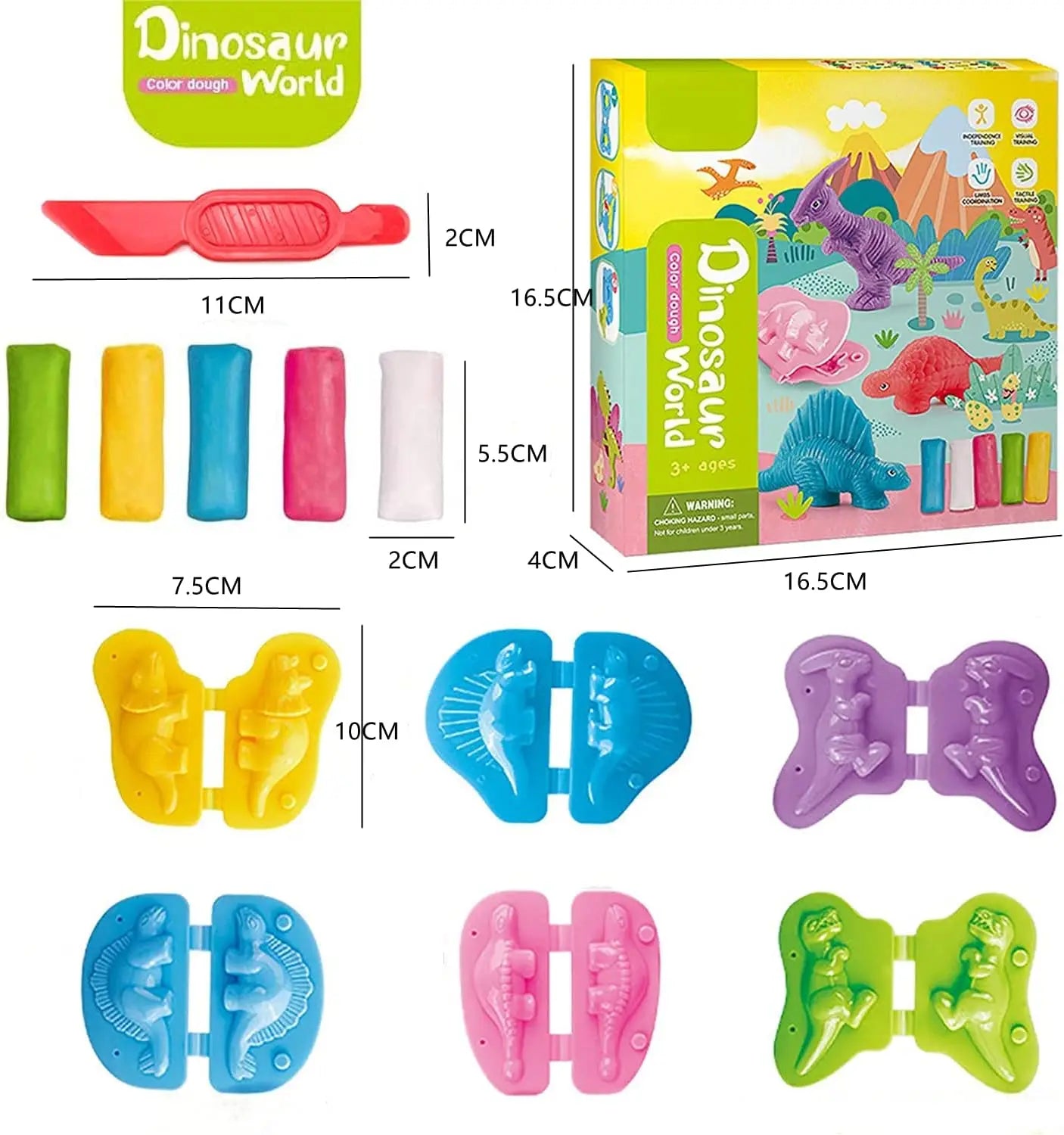
Montessori sensory toys with clay learning activities for creative play 💡 See it in action
What Are Montessori Sensory Toys?
Montessori sensory toys are designed to engage a child’s senses while promoting independence and hands-on exploration. Unlike flashy, overstimulating toys, these focus on simplicity, texture, and purposeful interaction.
- Encourage self-directed learning
- Focus on real-world skills
- Use natural materials or simple designs
- Build concentration through repetition
Think of tools like textured balls, stacking objects, or playdough kits—simple, but incredibly powerful when used correctly.
Why Montessori Sensory Toys Improve Focus and Learning
Montessori sensory toys improve learning by connecting physical movement with brain development. When children touch, shape, and manipulate materials, they strengthen neural pathways that support memory, coordination, and problem-solving.
Key Benefits You’ll Notice Quickly
- ✅ Longer attention span during play
- ✅ Better hand-eye coordination
- ✅ Stronger fine motor skills
- ✅ Reduced screen dependency
Parents often struggle with short attention spans and messy, unstructured play. These toys solve both—by giving kids a clear, engaging purpose.
How to Use Montessori Sensory Toys Effectively (Step-by-Step)
-
Start with one toy at a time
Too many options overwhelm children. Introduce a single activity to build focus. -
Demonstrate slowly, then step back
Show how to use the toy once. Let your child explore independently. -
Repeat activities daily
Repetition builds mastery and confidence. -
Create a distraction-free space
Keep play areas calm and organized to improve concentration. -
Rotate toys weekly
Maintain excitement without overstimulation.
Browse Baby Growth & Learning for tools that support daily development.
How Clay and Playdough Activities Boost Development
Montessori style clay learning activities are especially effective because they combine creativity with physical skill-building.
- Rolling improves wrist strength
- Pinching builds finger control
- Shaping encourages creativity
- Cutting enhances coordination
Using a structured set like the dinosaur playdough set makes it easier for parents to guide meaningful play without extra preparation.
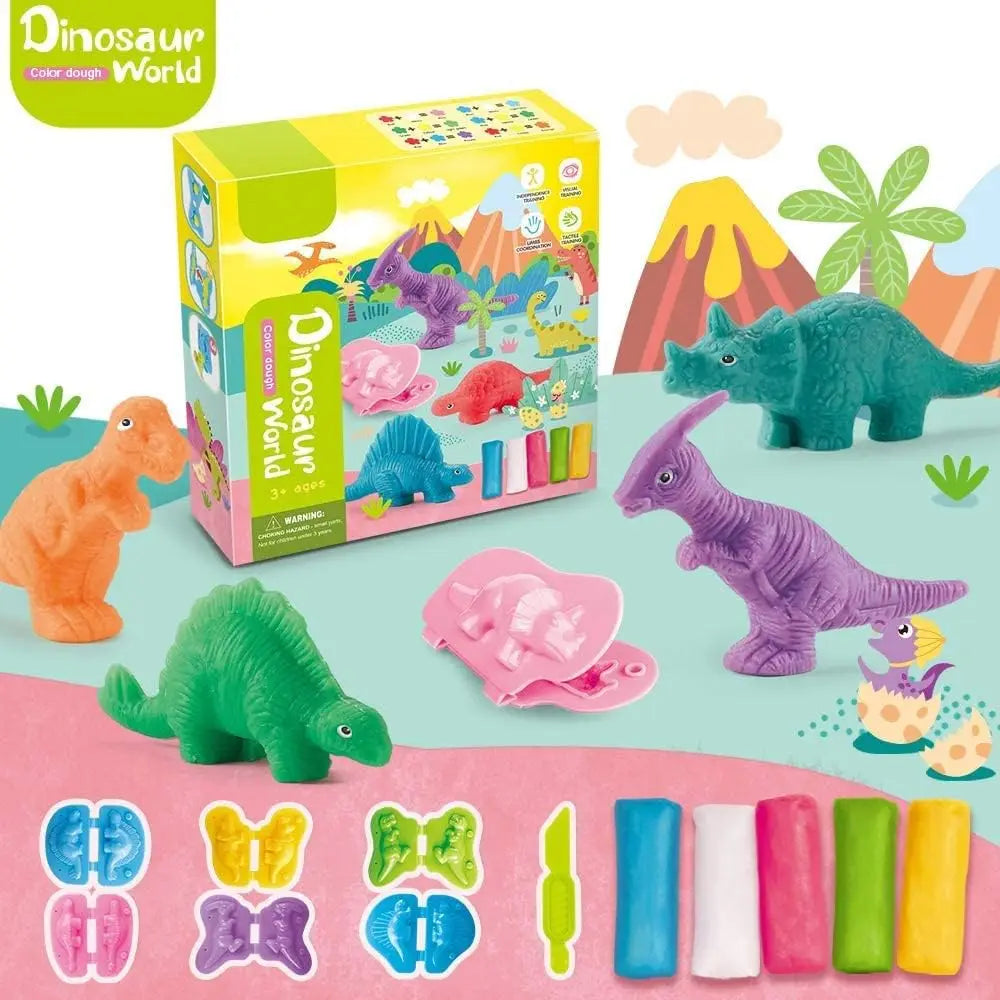
Playdough kits for early childhood development that strengthen fine motor skills 💡 See it in action
Top Sensory Toys for Preschoolers Review
| Toy Type | Best For | Key Benefit | Ideal Age |
|---|---|---|---|
| Playdough Kits | Creative play | Fine motor skill development | 2–5 years |
| Textured Blocks | Sensory exploration | Tactile awareness | 1–4 years |
| Stacking Rings | Problem-solving | Coordination & sequencing | 1–3 years |
| Clay Activity Sets | Structured learning | Creativity + focus | 3–6 years |
Why Playdough Kits Stand Out
Among all options, playdough kits for early childhood development provide the most balanced learning experience. They combine creativity, structure, and hands-on engagement in one simple activity.
- Encourage storytelling and imagination
- Improve grip strength for writing readiness
- Keep children engaged longer than passive toys
Common Mistakes Parents Make (And How to Fix Them)
| ❌ Mistake | ✅ Better Approach |
|---|---|
| Too many toys at once | Limit to 1–2 options |
| Interrupting play | Allow independent exploration |
| Expecting fast results | Focus on consistency |
| Using toys without guidance | Demonstrate first, then step back |
Fixing these small mistakes can dramatically improve how effective montessori sensory toys are in your child’s daily routine.
Real Results: What Parents Notice After Consistent Use
Parents who use montessori sensory toys consistently often report noticeable improvements within weeks:
- “My child sits longer and plays independently.”
- “Less screen time, more creative play.”
- “Better control when holding crayons and pencils.”
One parent shared that after introducing structured clay activities, their toddler stayed focused for 20 minutes—up from just 5 minutes before.
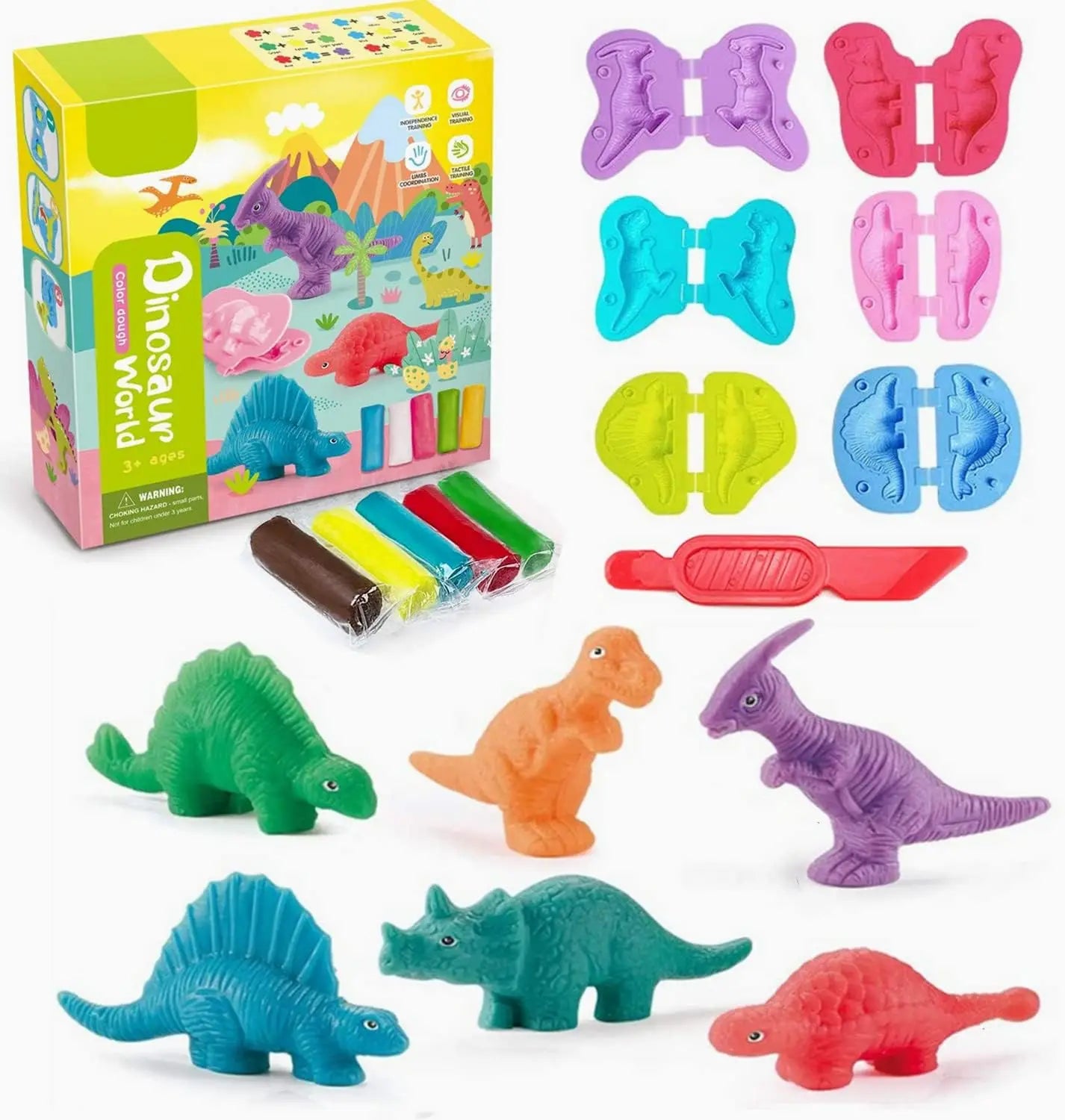
Top sensory toys for preschoolers review with engaging clay learning activities 💡 See it in action
Try the dinosaur playdough set to make learning fun and effective today.
FAQs
How often should children use montessori sensory toys?
Answer: Daily use is ideal, even for 15–30 minutes. Consistency helps children build focus, improve motor skills, and develop independence faster than occasional play sessions.
What age is best for montessori sensory toys?
Answer: Most montessori sensory toys are suitable from 1 to 6 years old. Choose simpler toys for toddlers and more structured activities like clay sets for preschoolers.
Are playdough kits safe for toddlers?
Answer: Yes, if made from non-toxic materials and used under supervision. Always check age recommendations and ensure children do not ingest the material.
Pillar Article: Home Preschool Activities: How to Build Fun Learning Routines
Other Related Articles:
- Dinosaur Clay Model: How to Make Fun Dino Creations
- Sensory Play for 3 Year Olds: How to Start at Home
- Modeling Play Dough: How to Boost Creativity Step by Step
Explore More:





