

How to Develop Fine Motor Skills: Top Tools Compared
How to develop fine motor skills effectively?
How to develop fine motor skills starts with simple, consistent activities that strengthen small hand muscles and improve coordination. Using tools like drawing aids, sensory toys, and hands-on exercises can significantly improve control, grip, and precision in just a few weeks when practiced daily in fun, low-pressure ways.
How to Develop Fine Motor Skills: Top Tools Compared
Wondering how to develop fine motor skills without stress or guesswork? Many parents struggle with messy handwriting, weak grip, or frustration during simple tasks like buttoning or drawing. The good news: the right tools and activities can turn daily struggles into confident progress. This guide compares what actually works—so you can support your child with clarity and ease.
⏱ 6 min read
Which tool makes the biggest difference in your child’s progress? Keep reading to find out.
👉 Discover fun ways to boost your child’s skills with Sensory Toys
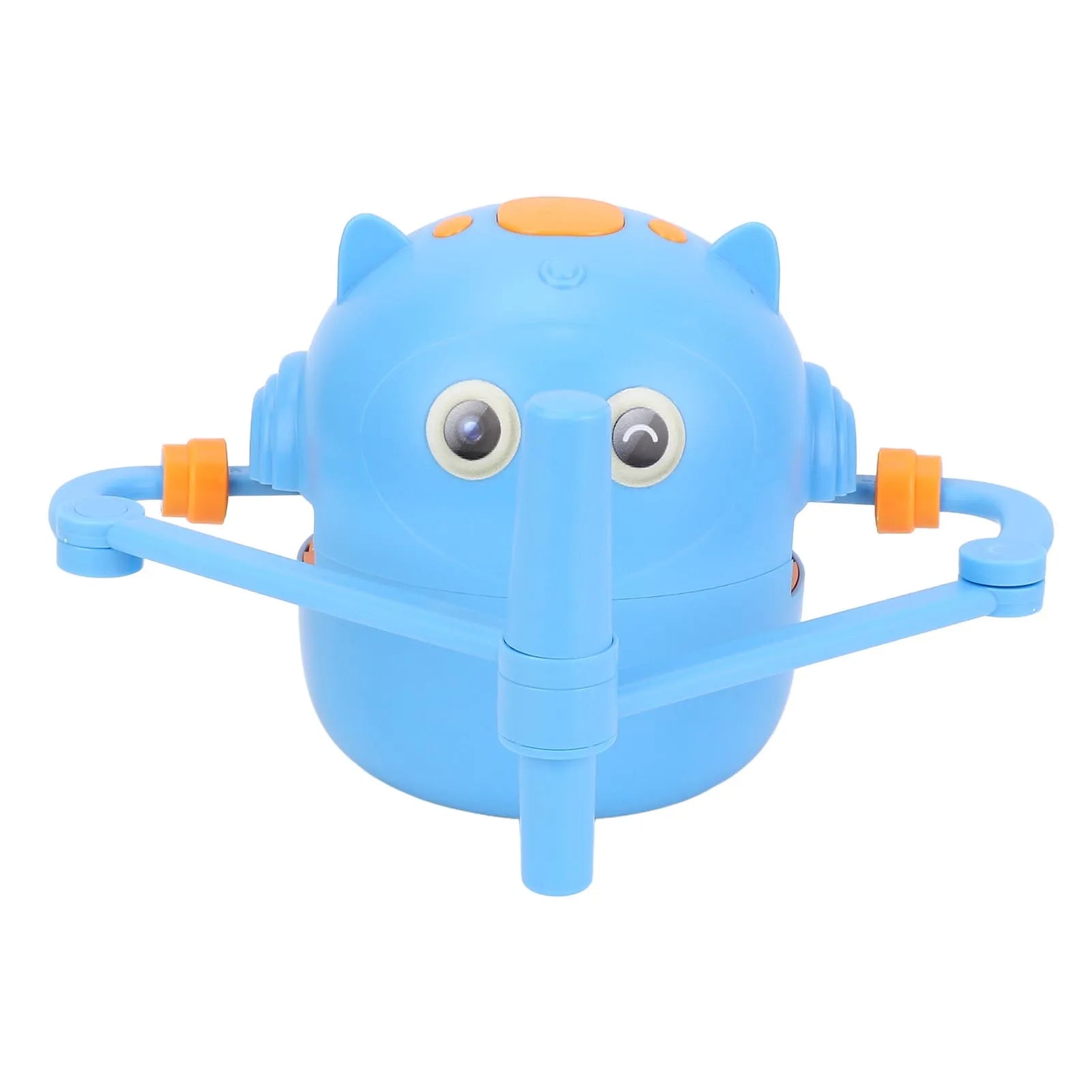
Build stronger hands with tools for how to develop fine motor skills 💡 See it in action
Why Fine Motor Skills Matter More Than You Think
Fine motor skills control small muscle movements in the hands and fingers. These are essential for everyday tasks like writing, eating, dressing, and even using devices.
When preschooler fine motor skills development issues appear, children may:
- Struggle to hold pencils correctly
- Avoid drawing or coloring
- Have trouble with buttons or zippers
- Get frustrated easily
Early support doesn’t just improve skills—it builds confidence.
How to Develop Fine Motor Skills Faster
How to develop fine motor skills effectively involves combining strengthening exercises, coordination activities, and engaging tools. Daily practice with structured play—such as drawing aids, grip tools, and sensory activities—can improve precision, hand control, and endurance within weeks, especially when learning feels fun and pressure-free.
- Start with simple gripping activities (blocks, balls)
- Introduce guided drawing tools
- Add sensory-based play for finger strength
- Practice daily in short, fun sessions
Top Tools Compared for Real Results
| Tool Type | Best For | Pros | Cons |
|---|---|---|---|
| Drawing Robots | Hand control & drawing | Guided movement, fun, engaging | Requires supervision |
| Sensory Toys | Finger strength | Great for tactile learning | Less structured |
| Grip Trainers | Muscle strength | Improves endurance | Can feel repetitive |
| Craft Activities | Coordination | Creative and flexible | Messy setup |
Parents often report faster improvement when combining at least two tools.
👉 Learn step-by-step how to choose the right tools in Baby Growth & Learning
How to Develop Fine Motor Skills Drawing (Without Frustration)
Drawing is one of the most effective ways to build fine motor control—but only when children feel confident.
- Start with guided tools that assist movement
- Use large shapes before small details
- Encourage tracing before free drawing
- Keep sessions short and playful
A popular option is a guided drawing device like drawing robot for kids, which helps children follow patterns and improve precision naturally.
Real parent insight: “Within two weeks, my child went from avoiding drawing to asking for it daily.”
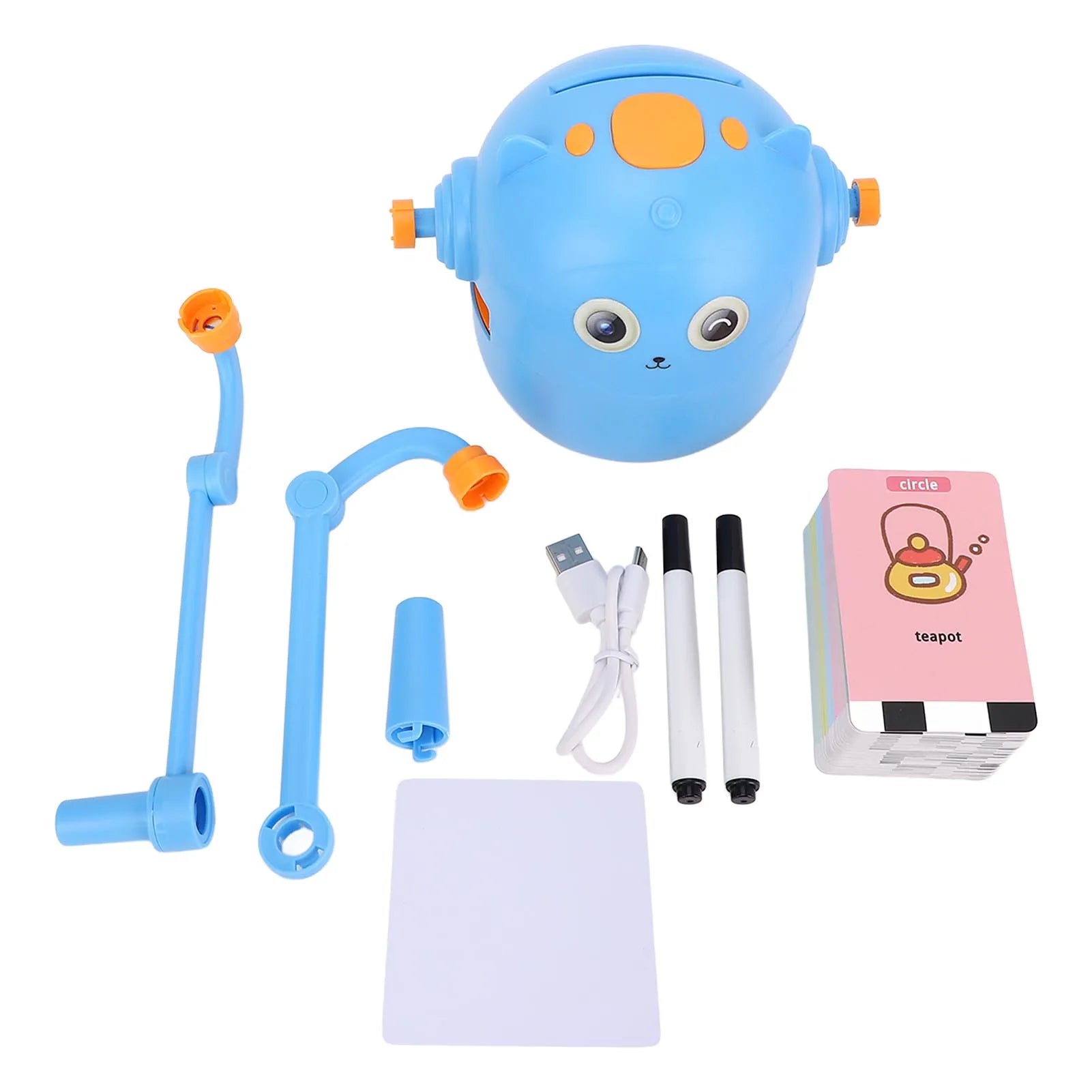
Support how to develop fine motor skills drawing with guided tools 💡 See it in action
Best Activities for Fine Motor Skills Development
If you prefer screen-free methods, these activities work wonders:
- Playdough shaping: strengthens finger muscles
- Bead threading: improves coordination
- Sticker placement: builds precision
- Cutting with scissors: enhances control
Pair these with tools from Sensory Toys to increase engagement.
Consistency matters more than complexity. Even 10 minutes daily creates visible progress.
How to Choose the Right Tool for Your Child
Not all children need the same solution. Consider:
- If your child avoids drawing: use guided drawing tools
- If grip is weak: focus on strengthening toys
- If coordination is low: combine crafts + tracing
For a balanced approach, explore options in Smart Baby Gadgets that combine learning with play.
Quick tip: The best tool is the one your child enjoys using daily.
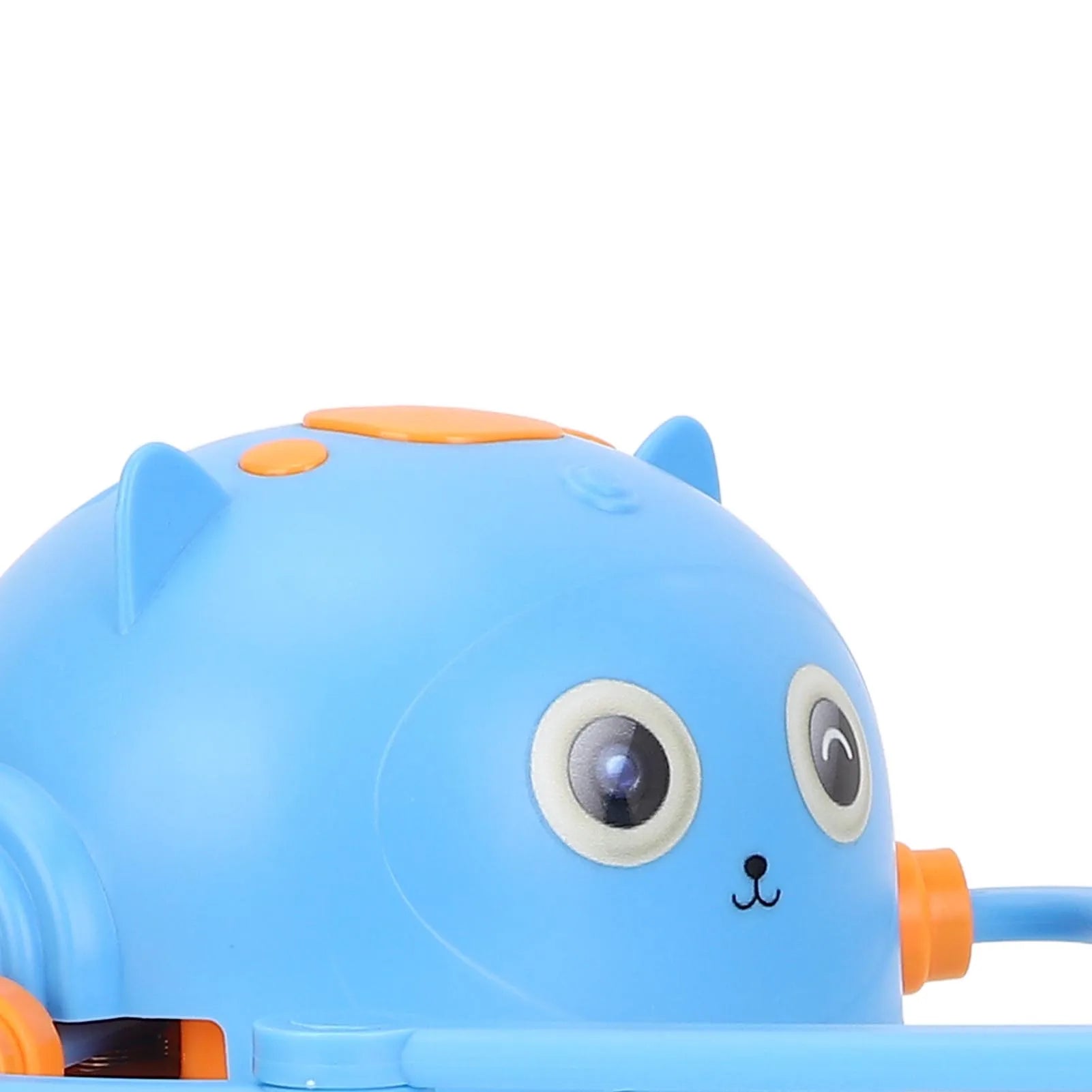
Explore activities for fine motor skills development that build confidence 💡 See it in action
👉 Get yours now — limited stock! Try the drawing robot for kids and see progress fast
FAQs
1. What are signs of fine motor skill delays?
Common signs include difficulty holding objects, poor handwriting, trouble with buttons or zippers, and avoiding tasks that require hand coordination.
2. How long does it take to improve fine motor skills?
With daily practice, many children show improvement within 2–4 weeks, especially when using engaging tools and structured activities.
3. What is the best age to start fine motor skill activities?
Activities can begin as early as toddler years, but preschool age is ideal for structured development and noticeable progress.
Pillar Article: A Drawing Robot Review: Best Picks Compared for Kids
Other Related Articles:
- Toy Robots for 5 Year Olds: Best Options Side by Side
- Interactive Toys for 7 Year Olds: Top Picks Compared
- Educational Robot Kit vs Drawing Robots: What’s Better
- Robot Interactive Toy Comparison: Which One Wins for Learning
Explore More:





