

Robot Interactive Toy Comparison: Which One Wins for Learning
Does a robot interactive toy really help kids learn?
A robot interactive toy helps children build creativity, confidence, and fine motor skills faster by guiding them step-by-step through drawing and problem-solving. Compared to traditional tools, it reduces frustration, keeps kids engaged longer, and turns learning into a fun, repeatable activity at home.
Robot Interactive Toy Comparison: Which One Wins for Learning
A drawing robot might be the easiest way to spark creativity in kids without frustration. In this best drawing robot for kids review, we explore how these smart tools compare in drawing robot vs traditional art learning, break down drawing robot for kids pros and cons, and reveal which drawing robot is best for beginners. From boosting confidence to reducing screen time battles, the results may surprise you—but is it really worth it for your child?
⏱ 7 min read
Ever handed your child crayons, only to hear “I can’t draw”? You’re not alone. Many kids struggle with traditional art practice, leading to frustration and boredom. But what if learning to draw felt more like play than pressure?
👉 Curious which option actually works best for your child? Keep reading.
👉 Discover the safest toys for your baby: Explore Sensory Toys designed to boost creativity and engagement.
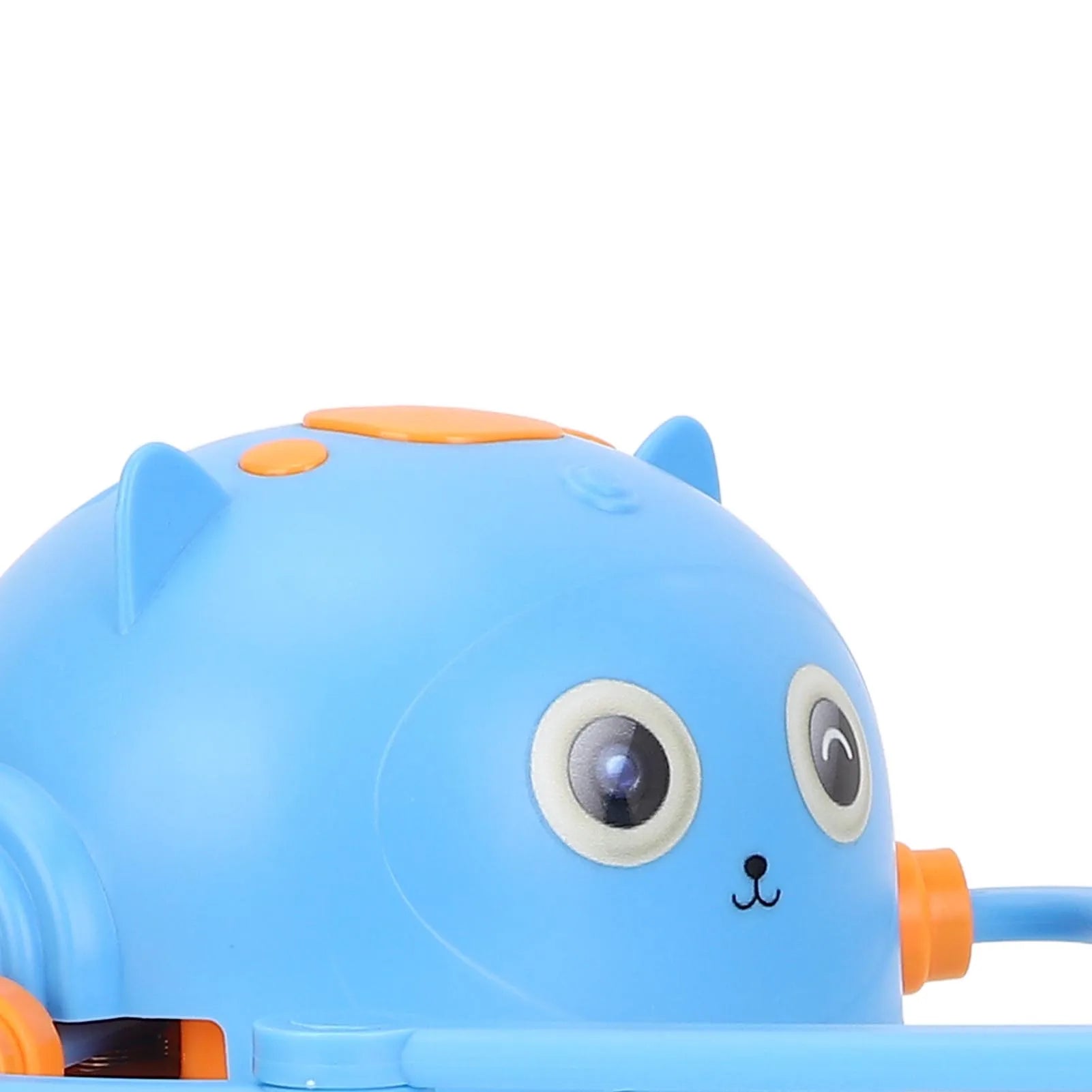
robot interactive toy for beginners – interactive art learning tools for toddlers 💡 See it in action
What Is a Robot Interactive Toy and Why Parents Love It
A robot interactive toy is a smart learning tool that guides kids through drawing, writing, or problem-solving step-by-step. Unlike passive toys, it actively teaches, corrects mistakes, and builds confidence while keeping children engaged longer.
Think of it as a patient tutor that never gets tired. For parents juggling busy schedules, it’s a simple way to support learning at home without pressure.
- Guided drawing reduces frustration
- Step-by-step learning builds confidence
- Interactive feedback keeps kids motivated
- Encourages independent play
Side-by-Side Comparison: Robot Interactive Toy vs Traditional Art
| Feature | Robot Interactive Toy | Traditional Art Tools |
|---|---|---|
| Ease of Learning | Step-by-step guidance | Requires instruction |
| Engagement | High (interactive) | Varies (often low) |
| Confidence Building | Fast progress | Slow, trial-and-error |
| Creativity Growth | Structured + fun | Unstructured, sometimes frustrating |
| Parent Involvement | Minimal | High |
For kids bored with traditional art practice, the difference is immediate. One feels like a game. The other often feels like homework.
👉 Learn step-by-step how to choose the right baby gear: Browse Baby Growth & Learning essentials for smarter playtime.
Why Kids Get Bored with Traditional Art Practice
Many parents assume kids naturally enjoy drawing. But reality looks different.
Here’s what often happens:
- They don’t know where to start
- Mistakes feel discouraging
- Results don’t match expectations
- They lose interest quickly
Without guidance, creativity turns into frustration. That’s why many children abandon art early—even if they’re naturally curious.
How This Robot Interactive Toy Makes Learning Fun and Frustration-Free
The biggest advantage of a robot interactive toy is how it transforms the learning experience.
- Breaks tasks into simple steps → Kids feel immediate success
- Provides visual guidance → No guesswork involved
- Encourages repetition → Practice without boredom
- Builds independence → Less reliance on parents
Instead of “I can’t do this,” kids start saying “Look what I made!”
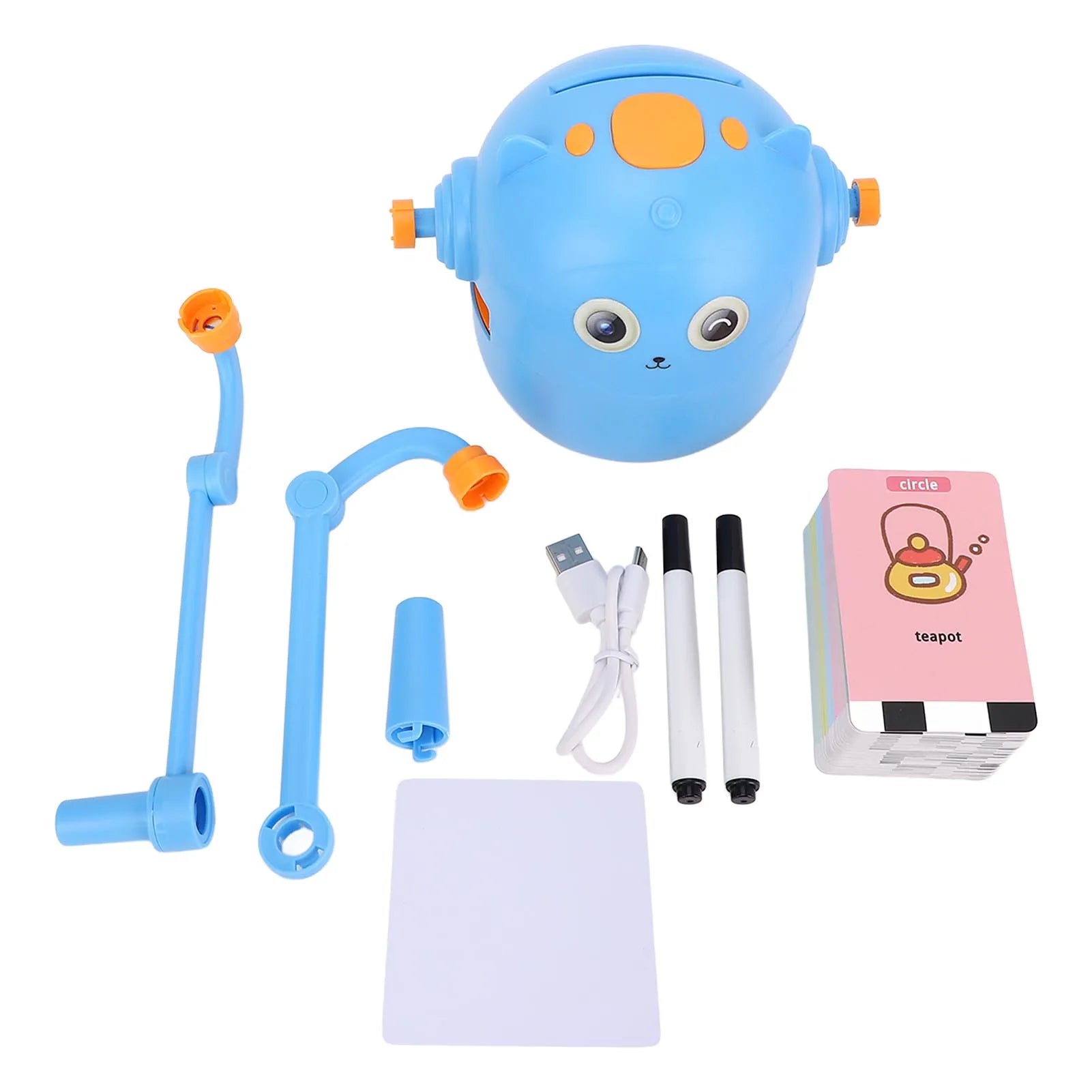
drawing robot kids creativity boost – ways to improve kids creativity at home 💡 See it in action
Drawing Robot for Kids: Pros and Cons
✅ Advantages
- Fast skill improvement
- Reduces frustration
- Keeps kids engaged longer
- Great for beginners
❌ Limitations
- Less free-form creativity initially
- Requires setup
- Some models vary in quality
Still, for most families, the benefits outweigh the downsides—especially when kids need a confidence boost.
Which Option Is Best for Your Child?
Choosing between a robot interactive toy and traditional tools depends on your child’s personality.
- Shy or easily frustrated kids: Robot interactive toy
- Highly independent creators: Traditional tools
- Beginners: Robot wins clearly
- Advanced young artists: Combine both
Many parents find the best approach is hybrid—start with guided learning, then transition to free drawing.
How to Choose the Right Drawing Robot for Beginners
- Look for simple controls and setup
- Choose age-appropriate designs
- Check durability and safety features
- Prioritize engaging learning modes
If you’re ready to explore, check out this drawing robot for kids designed specifically for beginners.
It’s one of the easiest ways to introduce creative learning tools without overwhelming your child.
Real Parent Experiences: What Actually Changes?
Parents often report noticeable changes within days:
- “My child stopped saying ‘I’m bored’ every afternoon.”
- “Drawing went from frustration to excitement.”
- “We spend less time on screens now.”
One parent shared that their 5-year-old went from avoiding drawing to completing multiple sketches daily—without being asked.
That’s the power of turning learning into play.
👉 Get yours now — limited stock! Try the drawing robot for kids and make creative time easier today.
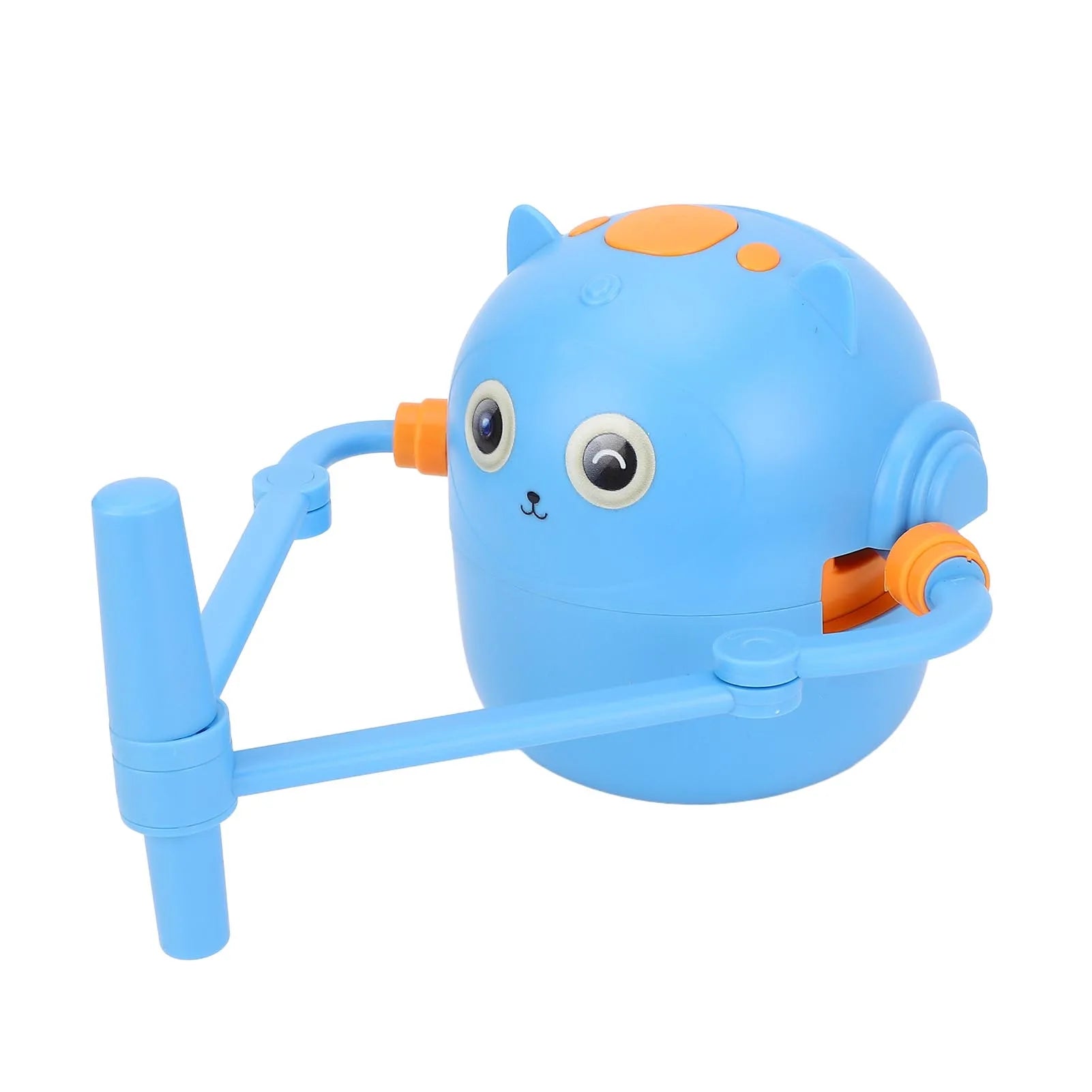
best drawing robot review – drawing robot vs traditional art learning 💡 See it in action
FAQs
Is a robot interactive toy suitable for toddlers?
Yes, many models are designed for young children with simple controls and safe materials, making them ideal interactive art learning tools for toddlers.
Does a drawing robot limit creativity?
No. It builds foundational skills first, which actually helps children become more creative later when they transition to free drawing.
How quickly will my child see improvement?
Most kids show noticeable progress within a few sessions, especially in confidence and willingness to try new drawings.
Pillar Article: A Drawing Robot Review: Best Picks Compared for Kids
Other Related Articles:
- How to Develop Fine Motor Skills: Top Tools Compared
- Toy Robots for 5 Year Olds: Best Options Side by Side
- Interactive Toys for 7 Year Olds: Top Picks Compared
- Educational Robot Kit vs Drawing Robots: What’s Better
Explore More:





