

Kindergarten Reading Lessons: How to Teach Step by Step
What are kindergarten reading lessons and how do they work?
Kindergarten reading lessons help children connect letters to sounds, recognize simple words, and build early comprehension through playful, structured activities. By combining phonics, repetition, and storytelling, these lessons overcome the difficulty teaching kids to read early while boosting confidence, vocabulary, and a lifelong love of reading.
Kindergarten Reading Lessons: How to Teach Step by Step
Kindergarten reading lessons can feel overwhelming, especially when your child struggles to recognize letters or stay focused. But with the right step-by-step approach, you can turn frustration into excitement. This guide breaks down the best ways to teach kids reading using simple routines, playful techniques, and proven tips to improve child vocabulary early—so your child learns faster and enjoys every moment.
⏱ 7 min read
Feeling stuck? Many parents face the same challenge: “Why isn’t my child picking up reading yet?” The answer often lies in how reading is taught—not just how often.
👉 Discover tools that support early learning and make reading fun: Baby Growth & Learning
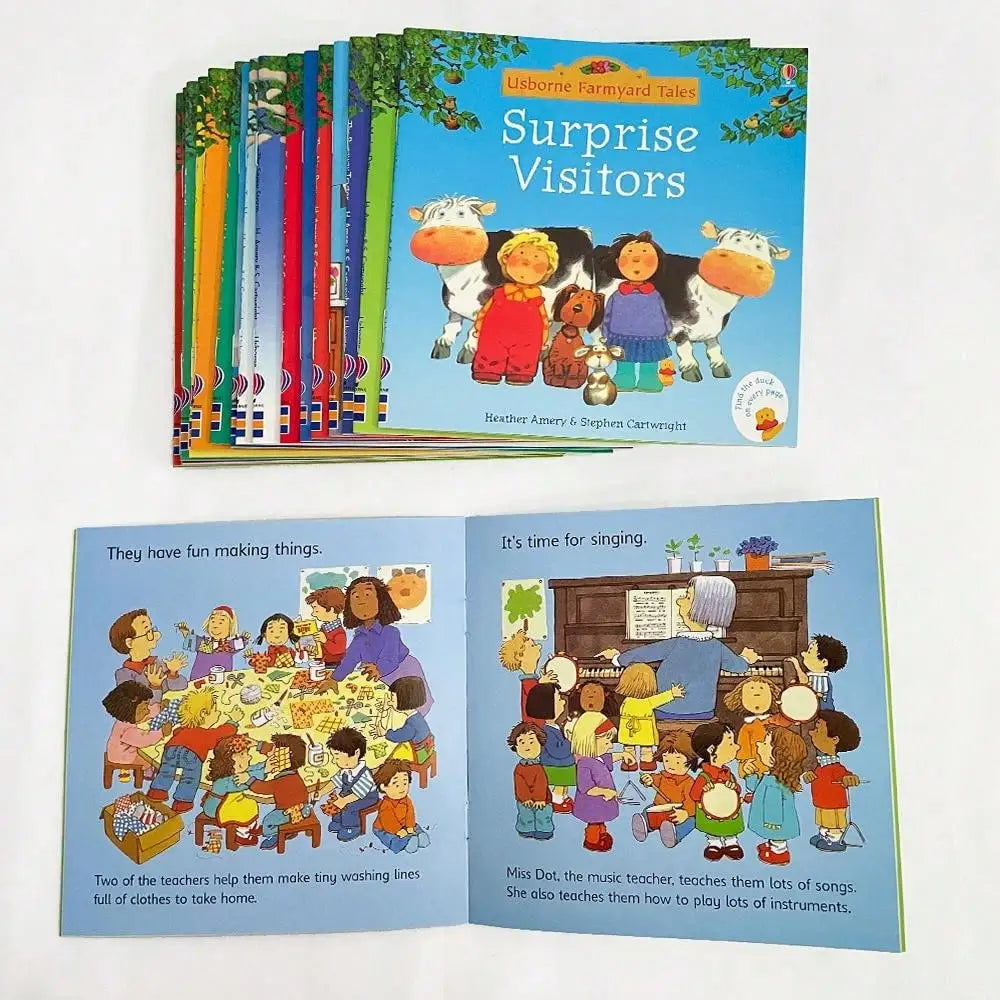
Kindergarten reading lessons made fun with engaging books and routines 💡 See it in action
How to Teach Kindergarten Reading Lessons Step by Step
Kindergarten reading lessons work best when broken into small, manageable steps. Instead of rushing, focus on building strong foundations your child can grow from.
-
Start with letter recognition
Use flashcards, songs, or toys to help your child recognize uppercase and lowercase letters. -
Introduce phonics sounds
Teach the sound each letter makes before moving to blending. -
Practice blending sounds
Combine simple sounds like “c-a-t” into “cat.” Keep sessions short and playful. -
Read simple words daily
Use beginner books with repetition and predictable patterns. -
Build comprehension early
Ask simple questions like “What happened?” or “Who is this?”
This step-by-step structure removes the confusion many parents feel and gives children a clear path forward.
👉 Explore simple learning tools for daily reading practice: Sensory Toys
Why Is There Difficulty Teaching Kids to Read Early?
Understanding the struggle is key to solving it. Many children don’t learn to read quickly—not because they can’t, but because the method doesn’t match how they learn.
- Short attention spans make long lessons ineffective
- Abstract concepts like phonics can feel confusing
- Lack of repetition slows retention
- Pressure creates resistance instead of curiosity
Real parent insight: “Once we stopped forcing reading and started making it playful, everything changed within weeks.”
| Challenge | Simple Fix |
|---|---|
| Child gets bored quickly | Use games and short 10-minute sessions |
| Forgets words easily | Repeat through songs and stories |
| Resists reading time | Let them choose books they enjoy |
Best Ways to Teach Kids Reading That Actually Work
Not all methods are equal. The most effective kindergarten reading lessons combine structure with fun.
- ✅ Phonics-based learning: Builds strong decoding skills
- ✅ Interactive reading: Ask questions while reading
- ✅ Story repetition: Reinforces vocabulary naturally
- ✅ Visual aids: Pictures help connect words to meaning
Which approach fits your child best? Keep reading to find out.
Books designed for beginners—like Farmyard Tales Preschool Books—are especially helpful because they combine repetition, visuals, and engaging storytelling.
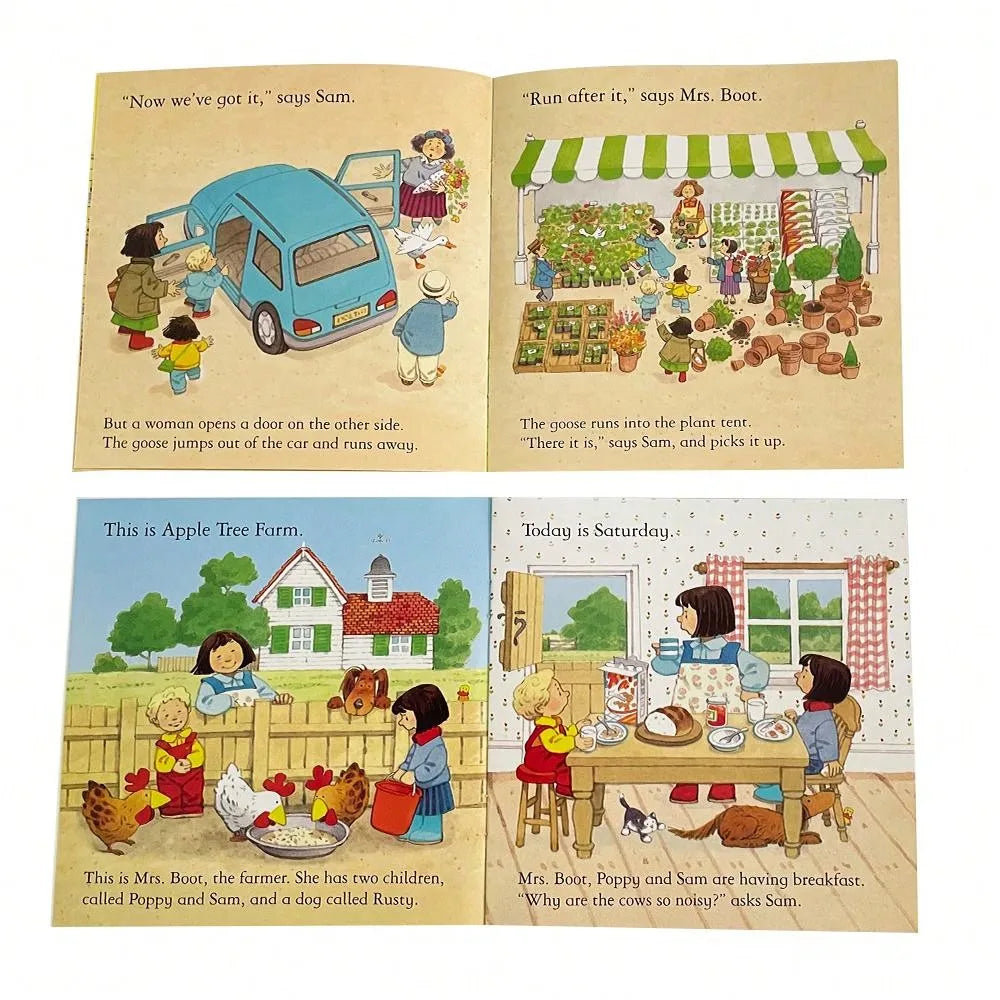
Best ways to teach kids reading with engaging storybooks 💡 See it in action
Tips to Improve Child Vocabulary Early (That Actually Stick)
Strong vocabulary is the foundation of reading success. The earlier you start, the easier reading becomes.
- Talk throughout the day: Describe actions, objects, and emotions
- Read aloud daily: Even 10 minutes makes a difference
- Introduce new words naturally: Use them in context
- Encourage storytelling: Let your child describe pictures or events
Children exposed to more words early develop stronger reading comprehension later.
Pair reading with tools from Baby Growth & Learning to reinforce language skills through play.
How Simple Tools and Routines Make Reading Easier
Consistency matters more than complexity. A simple daily routine can dramatically improve results.
- Morning: Review letters or sounds (5 minutes)
- Afternoon: Play word games or puzzles
- Evening: Read a short story together
Adding calming elements from Sleep & Comfort can also help create a relaxed reading environment before bedtime.
Parent feedback: “Our bedtime reading routine became the highlight of the day—and reading improved faster than expected.”
Common Mistakes to Avoid When Teaching Reading
Even with the best intentions, small mistakes can slow progress.
- ❌ Pushing too hard, too fast
- ❌ Skipping phonics basics
- ❌ Ignoring your child’s interests
- ❌ Turning reading into a chore
Instead, focus on enjoyment and consistency. Progress will follow naturally.
👉 Learn how to build better daily routines for your child: Baby Care Tips & Advice
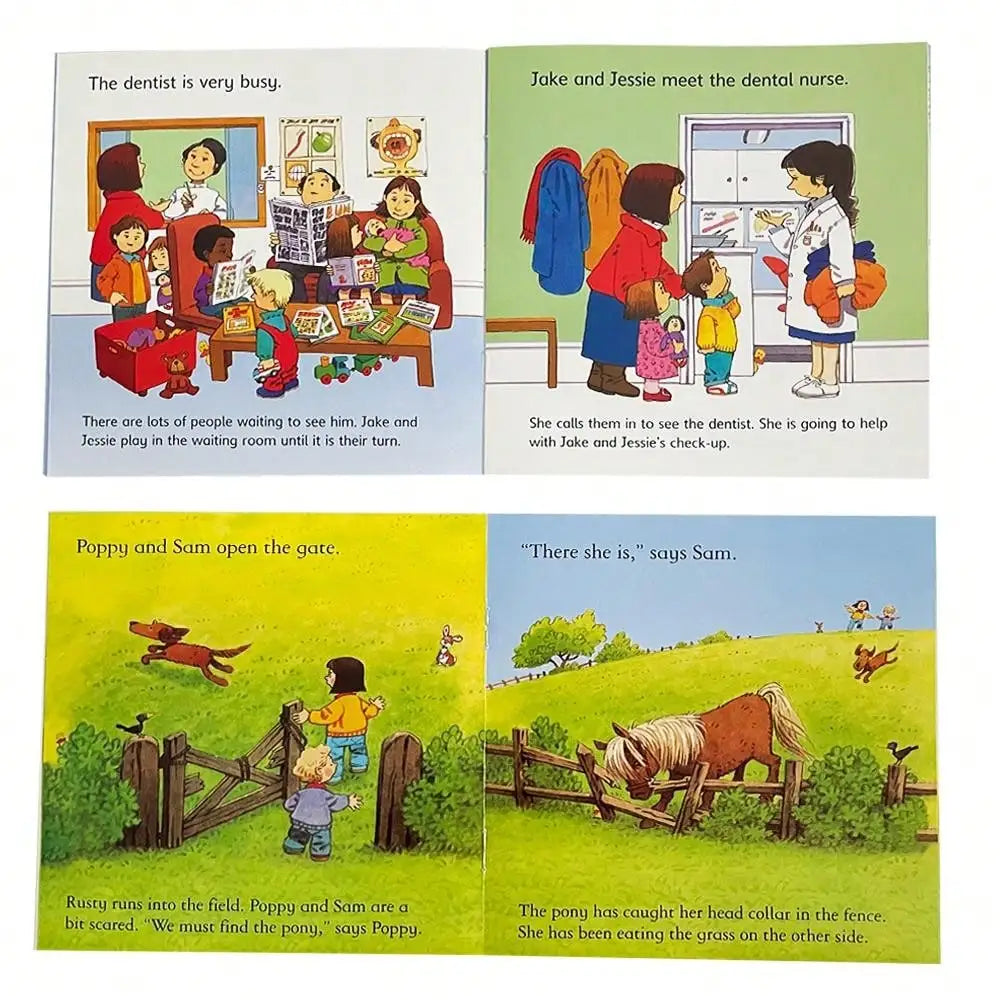
Tips to improve child vocabulary early with fun reading routines 💡 See it in action
Frequently Asked Questions
When should I start kindergarten reading lessons?
Most children can begin learning letter recognition and sounds around age 4–5. Early exposure through play and storytelling builds readiness without pressure.
How long should reading sessions be?
Short sessions of 10–15 minutes are ideal. Young children learn best in small, consistent bursts rather than long lessons.
What if my child isn’t interested in reading?
Try switching to books with topics they love, adding games, or reading together in a relaxed setting. Engagement matters more than strict structure.
Do I need special tools to teach reading?
Not necessarily, but beginner-friendly books and interactive learning tools can make the process faster and more enjoyable for both parent and child.
👉 Get started today with engaging beginner books your child will love: Get yours now — limited stock!
Pillar Article: How to Make Reading Interesting for Preschoolers Fast
Other Related Articles:
- Kindergarten Learning How to Read: Easy Daily Routine
- Story Books for 3 Year Olds: How to Keep Them Engaged
- Preschool Activity Books: How to Use Them Effectively
Explore More:





