

How to Make Reading Interesting for Preschoolers Fast
How do you teach kindergarten reading lessons step by step?
Kindergarten reading lessons work best when broken into small, playful steps that build confidence daily. Start with letter sounds, move to blending simple words, and reinforce learning through stories and repetition. This structured approach helps overcome the difficulty teaching kids to read early while improving vocabulary naturally.
Kindergarten Reading Lessons: How to Teach Step by Step
Kindergarten reading lessons can feel overwhelming, especially when your child loses focus quickly or struggles to recognize words. What if learning to read didn’t feel like a chore—but something your child actually enjoys? With the right step-by-step approach, you can turn frustration into confidence and make reading a natural part of daily life.
⏱ 7 min read
Which approach actually helps your child read faster and with confidence? Keep reading—you’ll discover simple methods that work even if your child is just starting.
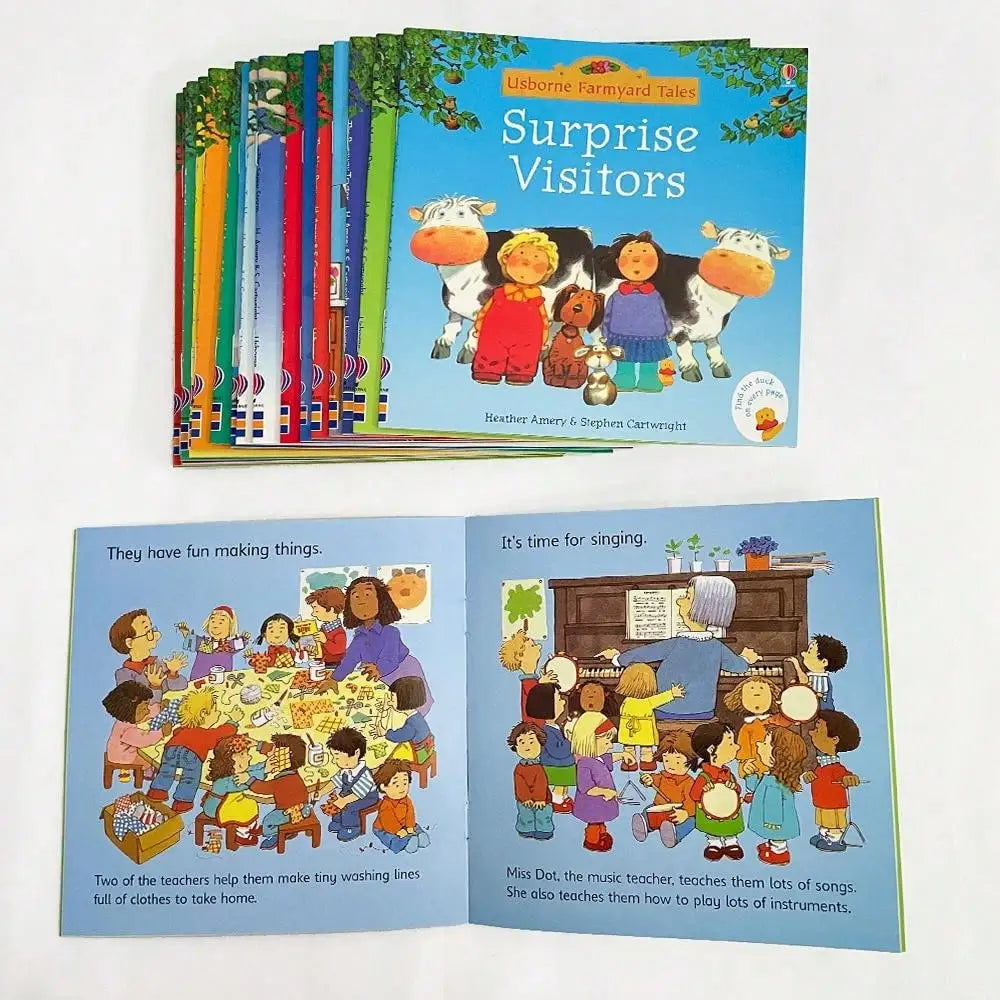
Build confidence with kindergarten reading lessons using fun, engaging methods 💡 See it in action
👉 Discover engaging tools that make early reading fun and stress-free
Why Teaching Reading Feels So Hard at First
The difficulty teaching kids to read early often comes down to unrealistic expectations. Many children are still developing memory, focus, and language processing skills.
- They may recognize letters but not sounds
- They struggle to blend sounds into words
- They lose interest quickly with boring methods
- They feel pressure instead of enjoyment
That’s why the best ways to teach kids reading focus on short, engaging sessions rather than long lessons.
Step-by-Step Kindergarten Reading Lessons That Work
Kindergarten reading lessons become effective when broken into clear, repeatable steps. This method removes confusion and builds steady progress.
-
Start with letter sounds, not names
Focus on sounds like “buh” instead of “bee” to build reading foundations faster. -
Introduce simple blending
Combine sounds: “c-a-t” → “cat”. Keep words short and familiar. -
Use repetition daily
Repeat the same words across activities to strengthen memory. -
Read together every day
Even 10 minutes of shared reading builds strong habits. -
Make it playful
Use songs, pictures, and storytelling instead of drills.
| Step | Goal | Outcome |
|---|---|---|
| Letter Sounds | Recognize phonics | Stronger foundation |
| Blending Words | Connect sounds | Early reading success |
| Daily Practice | Reinforce memory | Faster improvement |
Consistency matters more than speed. Small daily wins build long-term success.
How Phonics Makes Reading Easier
Phonics is one of the best ways to teach kids reading because it simplifies how words work.
Instead of memorizing entire words, children learn patterns.
- “at” family: cat, bat, hat
- “og” family: dog, log, fog
- Rhyming helps recognition
- Patterns reduce confusion
When kids recognize patterns, reading becomes predictable—and much less frustrating.
👉 Learn step-by-step how to build reading habits your child actually enjoys
How to Improve Child Vocabulary Early
Strong vocabulary is the secret behind confident readers. The earlier you start, the easier reading becomes.
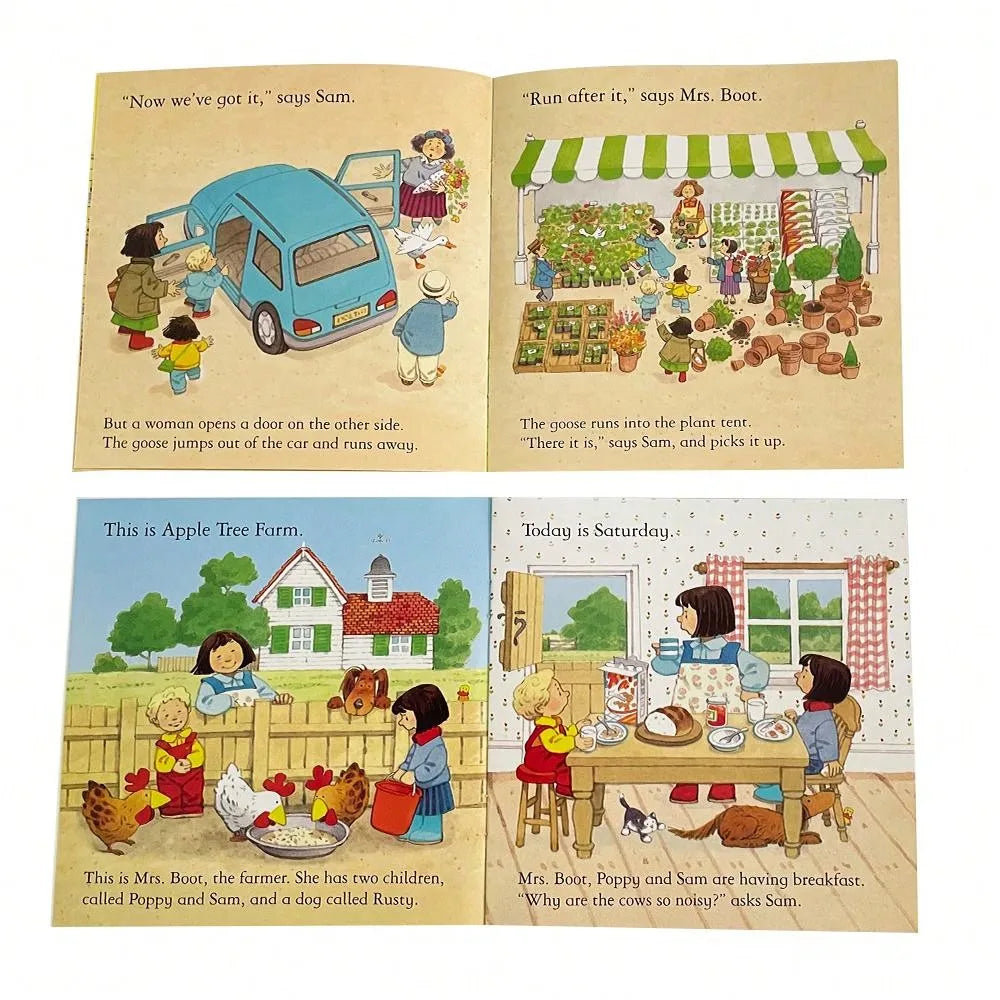
Boost vocabulary with simple routines and engaging reading tools 💡 See it in action
Here are proven tips to improve child vocabulary early:
-
Talk more during daily routines
Describe actions like “pouring milk” or “washing hands”. -
Read aloud daily
Hearing words in context helps retention. -
Ask simple questions
“What do you see?” builds expression skills. -
Use picture books
Visuals help connect words with meaning.
Parents often notice vocabulary growth within weeks when using consistent exposure.
Common Mistakes to Avoid
Even with good intentions, some habits slow down progress.
| What to Avoid | Why It Hurts Progress |
|---|---|
| Forcing long lessons | Kids lose focus quickly |
| Skipping phonics | Weak reading foundation |
| Too much correction | Reduces confidence |
| No routine | Slows learning consistency |
Instead, focus on encouragement and small improvements.
Tools That Make Reading Easier for Parents
Sometimes, the right tools make all the difference—especially when you’re balancing busy routines.
Interactive books and guided reading tools help:
- Keep children engaged longer
- Reinforce phonics naturally
- Turn reading into a fun habit
- Reduce parent stress
Many parents report noticeable improvement after switching to structured reading tools designed for beginners.
You can also combine reading with playful learning from Sensory Toys to improve focus and engagement.
For a simple starting point, try using structured story-based tools like this beginner-friendly reading set that introduces words gradually while keeping children entertained.
Real Parent Experience
“We struggled for months until we switched to a step-by-step method. Within two weeks, my child started recognizing words independently.”
How This Simple Routine Builds Daily Reading Confidence
- Short 10-minute sessions reduce resistance
- Repetition builds memory faster
- Play-based learning keeps kids engaged
- Consistent exposure improves vocabulary naturally
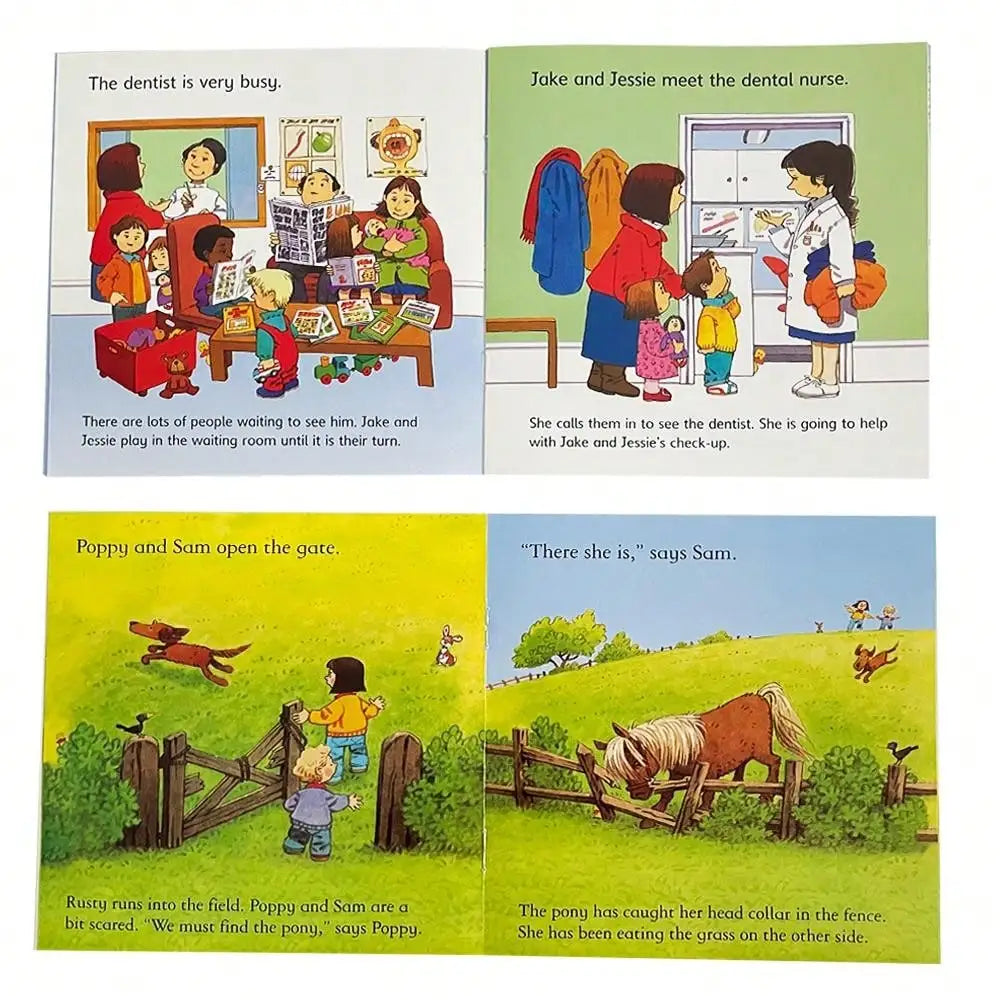
Turn daily reading into a fun bonding experience with proven kindergarten reading lessons 💡 See it in action
👉 Get yours now — limited stock!
Frequently Asked Questions
1. What age should kindergarten reading lessons start?
Most children begin learning basic reading skills between ages 4–6. However, early exposure through storytelling and vocabulary building can start much earlier to ease the transition.
2. How long should daily reading lessons be?
Short sessions of 10–15 minutes are ideal. Young children learn better with frequent, brief practice rather than long, tiring lessons.
3. What if my child struggles to recognize words?
This is common. Focus on phonics, repetition, and patience. Progress may seem slow at first, but consistency leads to steady improvement.
4. Are books or interactive tools better?
Both work best together. Books build comprehension, while interactive tools keep children engaged and reinforce learning through play.
5. How can I make reading more fun?
Use expressive voices, ask questions, and choose colorful, engaging stories. Making reading enjoyable is key to building long-term habits.
Related Articles:
- Kindergarten Learning How to Read: Easy Daily Routine
- Story Books for 3 Year Olds: How to Keep Them Engaged
- Preschool Activity Books: How to Use Them Effectively
- Kindergarten Reading Lessons: How to Teach Step by Step
Pillar Articles:





