

Preschool Activity Books: How to Use Them Effectively
Do preschool activity books really help kids learn effectively?
Preschool activity books help children build focus, early literacy, and problem-solving skills through structured play. When used consistently, preschool activity books turn everyday moments into fun learning activities for preschool kids while naturally supporting how to encourage kids love reading and boosting confidence through small, achievable tasks.
Preschool Activity Books: How to Use Them Effectively
⏱ 7 min read
Struggling to keep your preschooler engaged without screens or chaos? Preschool activity books can feel like a quick fix—but are you using them in a way that truly builds skills and confidence? When used intentionally, they transform quiet moments into meaningful learning experiences that nurture focus, creativity, and a lifelong love of reading.
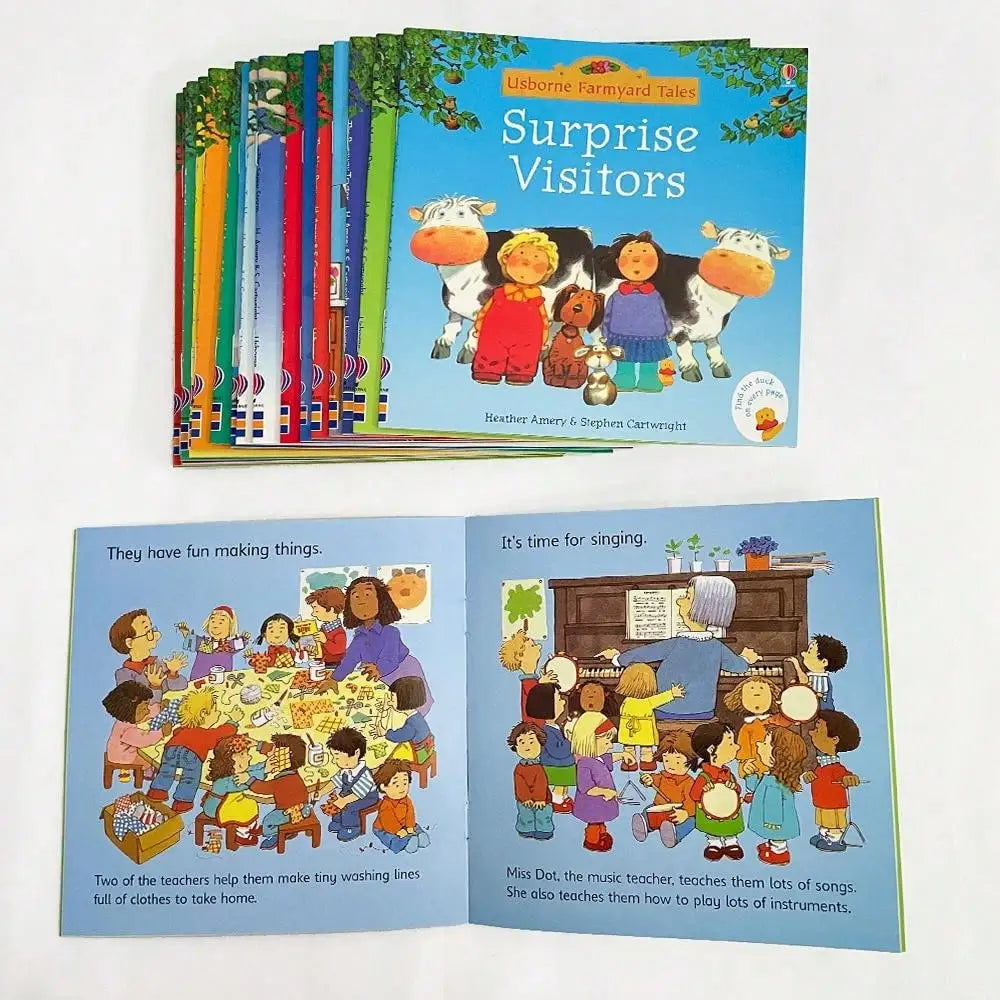
Fun learning activities for preschool kids through preschool activity books 💡 See it in action
Explore engaging options inside Baby Growth & Learning and discover how play becomes progress.
Which activity style keeps your child focused longer—coloring, tracing, or puzzles? Read on to find out!
Why Preschool Activity Books Work So Well
Preschoolers thrive on structure and repetition—but they also need fun. That’s exactly where activity books shine.
- They combine play and learning in one simple format
- They build focus through short, achievable tasks
- They introduce early concepts like letters, shapes, and numbers
- They reduce screen time without feeling like a “rule”
Unlike random toys, these books guide your child step by step—making them ideal for busy parents who want meaningful engagement without constant supervision.
How to Use Preschool Activity Books Effectively (Step-by-Step)
- Start with short sessions (10–15 minutes): Keep it light and fun. Stop before your child gets bored.
- Create a calm environment: Choose a quiet corner with minimal distractions.
- Let your child lead: Allow them to pick pages or activities they enjoy.
- Celebrate effort, not perfection: Praise attempts, not just correct answers.
- Repeat favorite activities: Repetition builds confidence and mastery.
Pairing activity time with tools from Sensory Toys can also enhance focus, especially for energetic kids who need tactile stimulation.
Try combining activity books with tools from Smart Baby Gadgets to create a distraction-free learning zone.
How to Build a Stress-Free Daily Learning Routine
Consistency is key—but that doesn’t mean rigid schedules.
| Time of Day | Activity Idea | Goal |
|---|---|---|
| Morning | Tracing letters | Boost focus |
| Afternoon | Puzzles or matching | Improve logic |
| Evening | Story-based activity | Encourage reading |
Even 20–30 minutes daily can significantly improve attention span and early learning outcomes.
For calmer evenings, pairing activity books with items from Sleep & Comfort can help transition your child into bedtime smoothly.
Common Mistakes Parents Make (And Fixes)
- ❌ Forcing completion → ✅ Let kids stop when they lose interest
- ❌ Using books as babysitters → ✅ Stay involved and guide gently
- ❌ Choosing books that are too advanced → ✅ Match difficulty to skill level
- ❌ Focusing only on results → ✅ Celebrate effort and curiosity
Small adjustments can turn frustration into excitement.
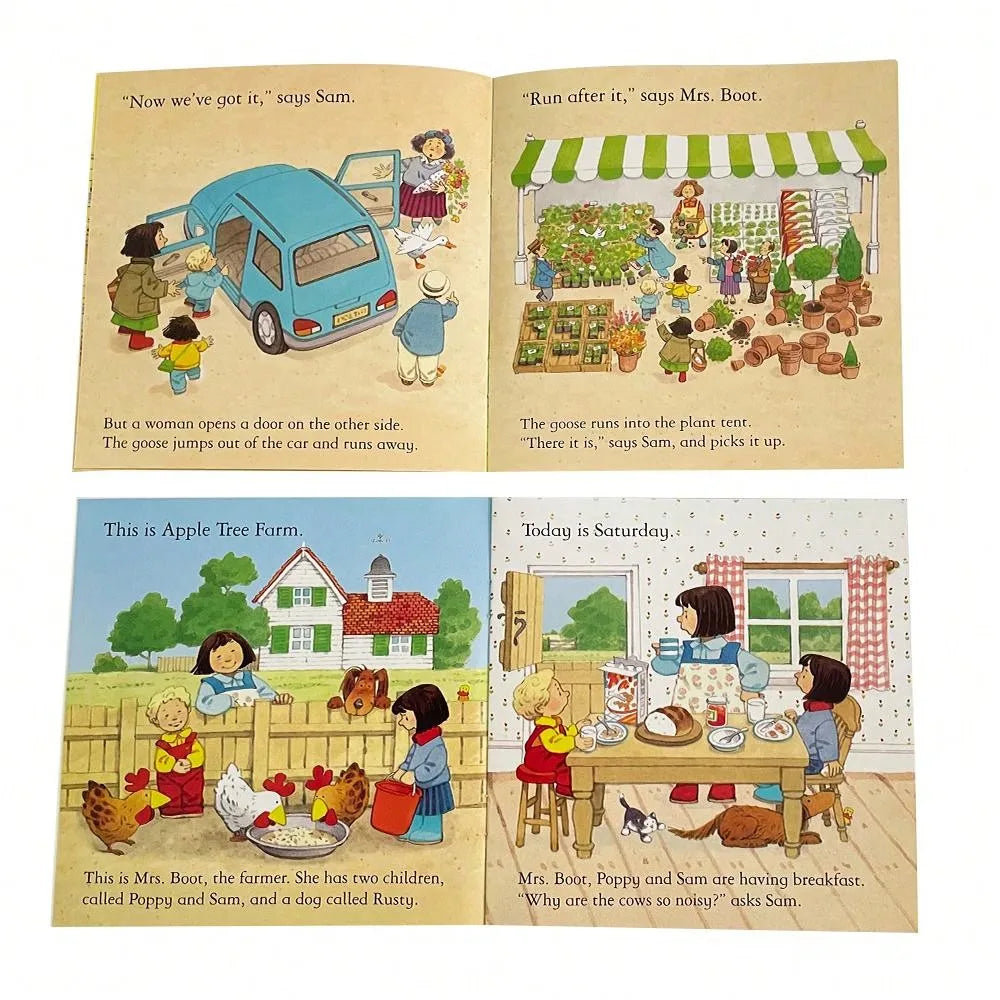
Educational picture books for early learners boosting focus 💡 See it in action
How to Choose the Right Activity Books
Not all activity books are created equal. The right choice depends on your child’s age and interests.
- Ages 2–3: Simple coloring, stickers, basic shapes
- Ages 3–4: Tracing letters, matching, easy puzzles
- Ages 4–5: Early reading, problem-solving, story-based tasks
Look for:
- Bright, engaging illustrations
- Clear instructions
- Progressive difficulty
- Themes your child loves (animals, vehicles, stories)
A great starting point is Farmyard Tales Preschool Books, which blends storytelling with interactive activities—perfect for encouraging kids love reading.
Key Benefits for Early Learning and Reading Readiness
When used correctly, preschool activity books offer more than entertainment.
- Improved concentration: Kids learn to stay focused longer
- Stronger fine motor skills: Tracing and coloring build hand control
- Early literacy development: Letters and sounds become familiar
- Confidence boost: Completing tasks builds self-esteem
Many parents report noticeable improvements in attention span within just a few weeks of consistent use.
Combining activity books with resources from Feeding Tools can also create structured routines around meals and learning, making daily life smoother.
Real-Life Examples from Parents
“My 3-year-old used to jump between toys every 5 minutes. Now she sits for 20 minutes completing pages—and asks for more.”
“We replaced evening screen time with activity books. Bedtime became easier, and tantrums decreased.”
“It’s the easiest way I’ve found to introduce early reading without pressure.”
These small wins add up to big developmental progress.
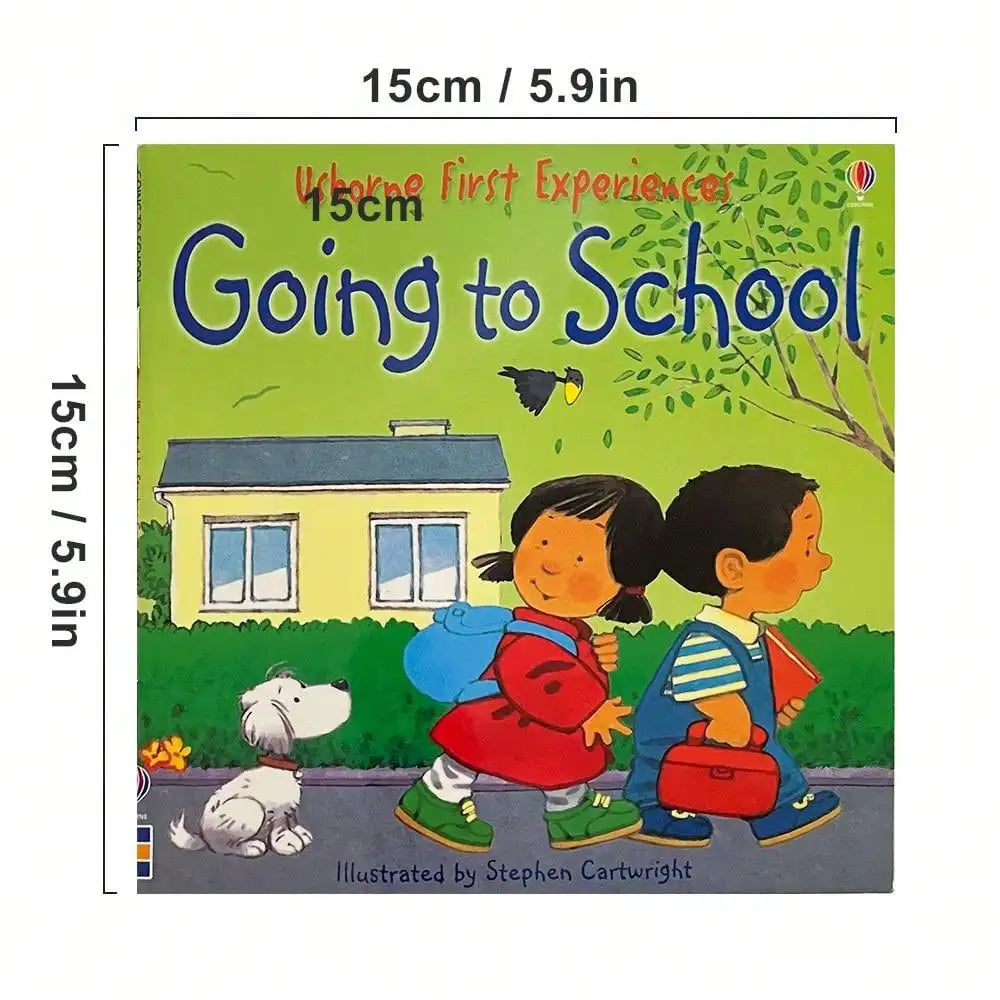
How to encourage kids love reading with fun learning activities 💡 See it in action
Make Learning Easier and More Enjoyable Starting Today
Preschool activity books aren’t just about keeping kids busy—they’re about building skills, confidence, and curiosity in a way that feels natural and fun.
Start your child’s learning journey today with Farmyard Tales Preschool Books and turn everyday moments into meaningful growth.
Frequently Asked Questions
1. How often should my child use preschool activity books?
Daily use for 15–30 minutes is ideal. Consistency matters more than duration, helping build focus and routine without overwhelming your child.
2. What if my child loses interest quickly?
Switch activities frequently and let them choose what they enjoy. Keeping sessions short and fun prevents frustration and builds positive associations with learning.
3. Can activity books replace reading time?
No, they should complement reading. Combining activity books with storytelling is the best way to support early literacy and encourage a love of books.
Pillar Article: How to Make Reading Interesting for Preschoolers Fast
Other Related Articles:
- Kindergarten Learning How to Read: Easy Daily Routine
- Story Books for 3 Year Olds: How to Keep Them Engaged
- Kindergarten Reading Lessons: How to Teach Step by Step
Explore More:





