

Light Tracing Board vs Projector Drawing: Which Fits You?
Light tracing board vs projectors: which is better for kids?
A light tracing board gives children a bright, evenly illuminated surface for accurate tracing, helping them develop fine motor control, hand-eye coordination, and drawing confidence. A projection drawing board projects images onto paper for a more playful, interactive experience, although tracing accuracy depends on image alignment and lighting. For most beginners, a light tracing board provides the strongest foundation for learning, while projectors are excellent for encouraging creativity and longer drawing sessions.
Light Tracing Board vs Projectors: Which Wins?
Choosing between a light tracing board and a projection drawing board isn't always easy. Both help children learn to draw, but they do so in different ways. One emphasizes precision and skill development, while the other focuses on imagination and engagement. Understanding how each tool works will help you choose the option that best matches your child's age, interests, and learning style.
⏱ 6 min read
Wondering whether a light tracing board or projector will help your child improve faster? Here's a practical comparison to help you decide.
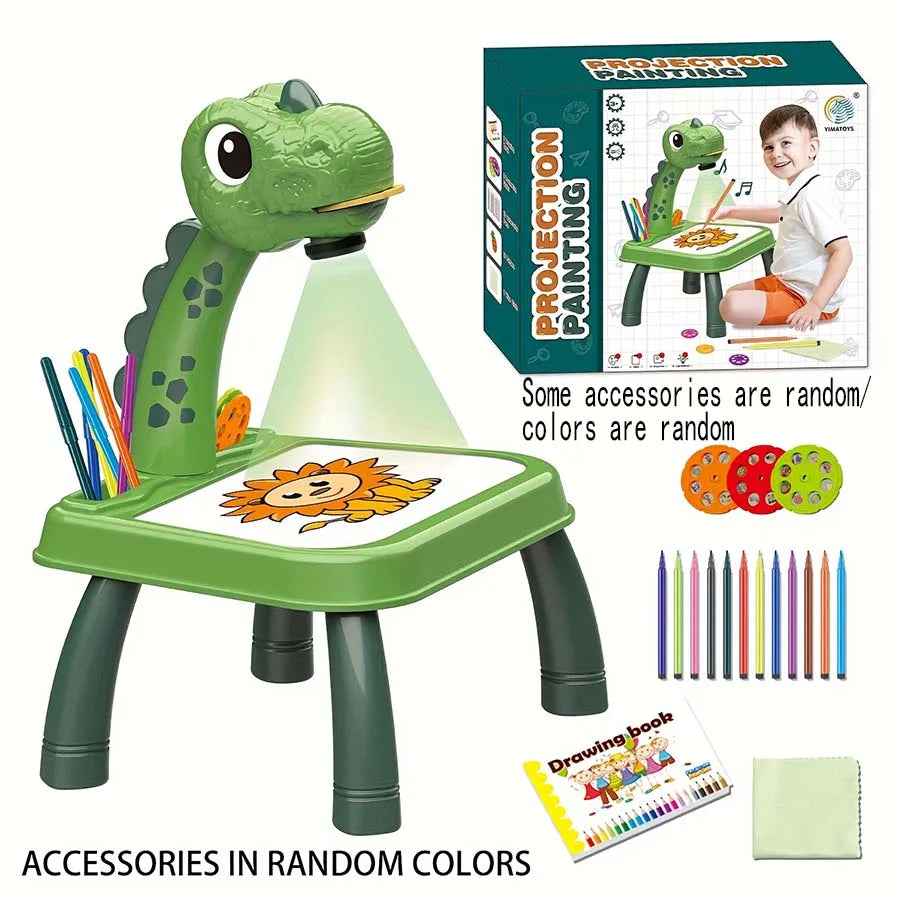
Light tracing board vs projection drawing board comparison. See how each tool supports different drawing styles.
Discover fun and engaging tools that help your child learn faster.
Explore Baby Growth & LearningQuick Comparison: Light Tracing Board vs Projectors
Both tools encourage creativity, but they serve different purposes. This side-by-side comparison highlights the biggest differences to help parents choose the right drawing aid.
| Feature | Light Tracing Board | Projection Drawing Board |
|---|---|---|
| Learning Accuracy | Excellent for precise tracing and steady skill development | Moderate; depends on image focus and alignment |
| Ease of Use | Simply place paper and begin tracing | Requires image positioning and occasional adjustment |
| Engagement | Encourages focused practice | Interactive and entertaining |
| Portability | Slim, lightweight, and easy to carry | Typically larger and less travel-friendly |
| Maintenance | Minimal upkeep with long-lasting LEDs | May require batteries, bulbs, or charging |
| Best For | Learning to trace, write, and improve drawing control | Creative play, themed drawing activities, and imaginative art |
What Is a Light Tracing Board?
A light tracing board is a slim, illuminated drawing surface designed to make images beneath a sheet of paper clearly visible. By providing even LED backlighting, it allows children to trace letters, shapes, cartoons, and illustrations with greater accuracy while developing confidence in their drawing abilities.
How a Light Tracing Board Works
The board shines a consistent layer of light through translucent paper, revealing the artwork underneath without creating distracting shadows. Children simply place a reference image on the board, add a blank sheet on top, and trace the visible outlines. The result is a smooth, frustration-free drawing experience that supports gradual skill improvement.
- ✅ Even illumination for clear outlines
- ✅ Improves hand-eye coordination and pencil control
- ✅ Makes tracing letters, shapes, and pictures easier
- ✅ Encourages independent practice with fewer mistakes
Who Benefits Most from Using One
Light tracing boards are especially valuable for preschoolers, early elementary students, and beginners learning foundational drawing skills. They are also useful for children practicing handwriting, creating craft projects, or improving visual coordination through repeated tracing exercises.
Because children can see exactly where to draw, they often experience early success, helping build confidence while reducing frustration during practice sessions.
Explore more tools that support development in Sensory Toys.
What Is a Projector for Drawing?
A projection drawing board uses light to display an image onto a drawing surface, allowing children to trace outlines without placing paper over a reference image. These drawing toys often include interchangeable image discs featuring animals, vehicles, letters, or cartoon characters that encourage creative exploration while introducing basic drawing techniques.
How a Projection Drawing Board Works
Most children's drawing projectors contain a small LED light that projects a selected image onto paper positioned beneath the projector head. Kids trace the projected outlines using pencils, markers, or crayons before adding their own colors and details. Because the projected image can shift if the paper or projector moves, occasional adjustments may be necessary for the best results.
- ✔ Interactive and enjoyable for young artists
- ✔ Encourages creative storytelling and imaginative play
- ✔ Offers multiple picture themes through interchangeable slides
- ✔ Makes drawing feel like a fun activity rather than a lesson
Digital Projectors vs Kids Drawing Projectors
Kids projection drawing boards are designed for simple tracing activities and beginner-friendly use. Unlike digital art projectors used by artists to enlarge photographs or illustrations onto large canvases, children's drawing projectors focus on convenience, portability, and age-appropriate images. They work best for small tabletop artwork rather than large-scale projects.
Learn how to choose the right drawing tool for your child's age and skill level.
Browse Baby Growth & Learning Tips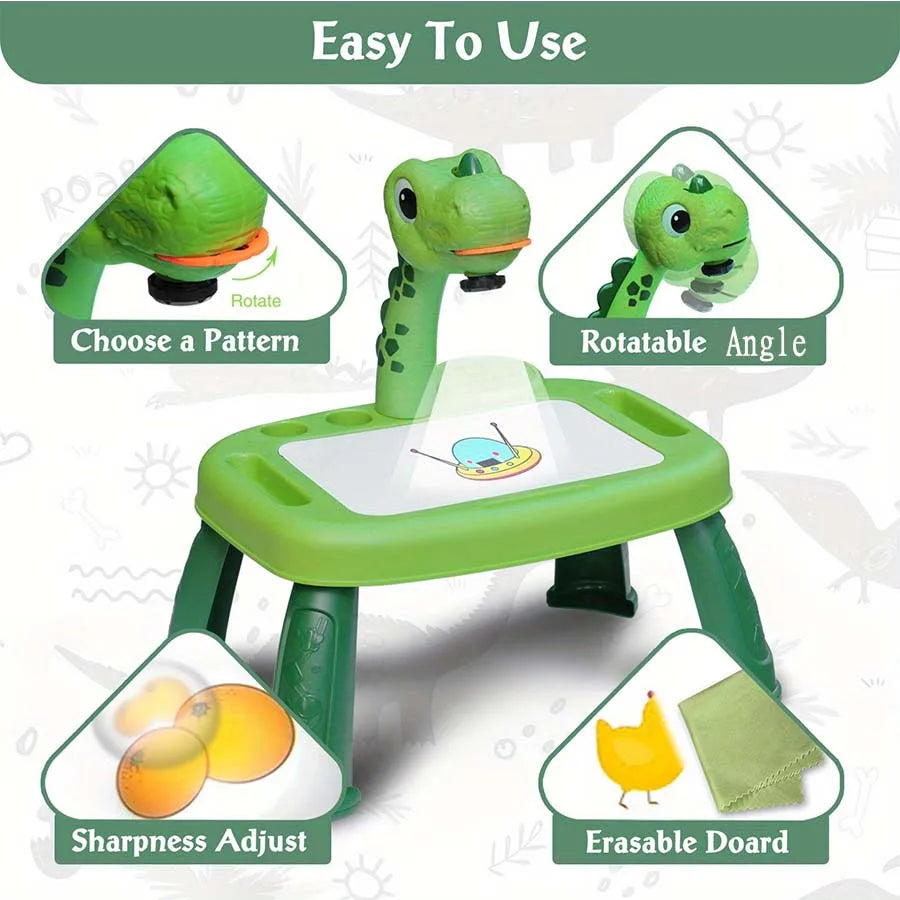
Projection drawing board vs light tracing pad. Compare how each tool supports different learning styles.
Pros and Cons of Each Drawing Method
Light Tracing Board
Advantages
- ✔ Delivers consistent tracing accuracy
- ✔ Helps strengthen fine motor skills and pencil control
- ✔ Quick to set up with very little maintenance
- ✔ Lightweight for home, classroom, or travel use
Limitations
- ✘ Requires translucent paper for best visibility
- ✘ Primarily designed for tracing rather than projecting large images
Projector Drawing
Advantages
- ✔ Highly engaging for younger children
- ✔ Inspires imagination through themed picture collections
- ✔ Encourages longer creative play sessions
- ✔ Makes drawing approachable for reluctant beginners
Limitations
- ✘ Images may become blurry or shift if not aligned correctly
- ✘ Usually requires batteries or charging
- ✘ Less precise for developing tracing accuracy
- ✘ Bright room lighting can reduce image visibility
These trade-offs explain why parents comparing the best projection drawing table for kids often evaluate it alongside a light tracing board before making a purchase.
Best Use Cases by User Type
The better choice depends on your child's goals, attention span, and current drawing experience.
Kids and Beginners
- Choose a light tracing board if your child is learning shapes, letters, handwriting, or basic drawing.
- Its stable lighting makes tracing easier and helps build confidence through consistent practice.
Creative Kids Who Enjoy Interactive Play
- A projection drawing board is ideal for children who enjoy themed activities, storytelling, and changing between different pictures.
- The projected images keep drawing sessions fresh and entertaining.
Artists, Crafts, and Larger Projects
- Older artists, hobbyists, or crafters working on murals, larger illustrations, or scaling artwork may benefit more from dedicated art projectors than children's drawing toys.
- For everyday tracing practice, however, a light tracing board remains the more accurate option.
Many families find the best balance by starting with a light tracing board to develop drawing fundamentals, then introducing projection drawing for creative variety and imaginative play.
Looking for a versatile option? Check out this kids projection drawing table that blends creativity with ease of use.
Final Recommendation by Scenario
Choosing between a light tracing board and a projection drawing board comes down to how your child learns best. Both tools encourage creativity, but each excels in different situations.
Choose a Light Tracing Board If...
- You want to improve tracing accuracy and fine motor skills.
- Your child is learning letters, shapes, handwriting, or basic drawing techniques.
- You prefer a simple setup with minimal maintenance.
- Your goal is long-term skill development rather than short-term entertainment.
Choose a Projector If...
- Your child enjoys interactive, imaginative drawing activities.
- Keeping them engaged is more important than perfect tracing accuracy.
- You want access to themed images that inspire storytelling and creative play.
- They already have basic drawing skills and would benefit from more variety.
For many families, the ideal approach is to use both tools at different stages. A light tracing board helps build confidence and drawing fundamentals, while a projection drawing board adds variety and keeps creative sessions exciting.
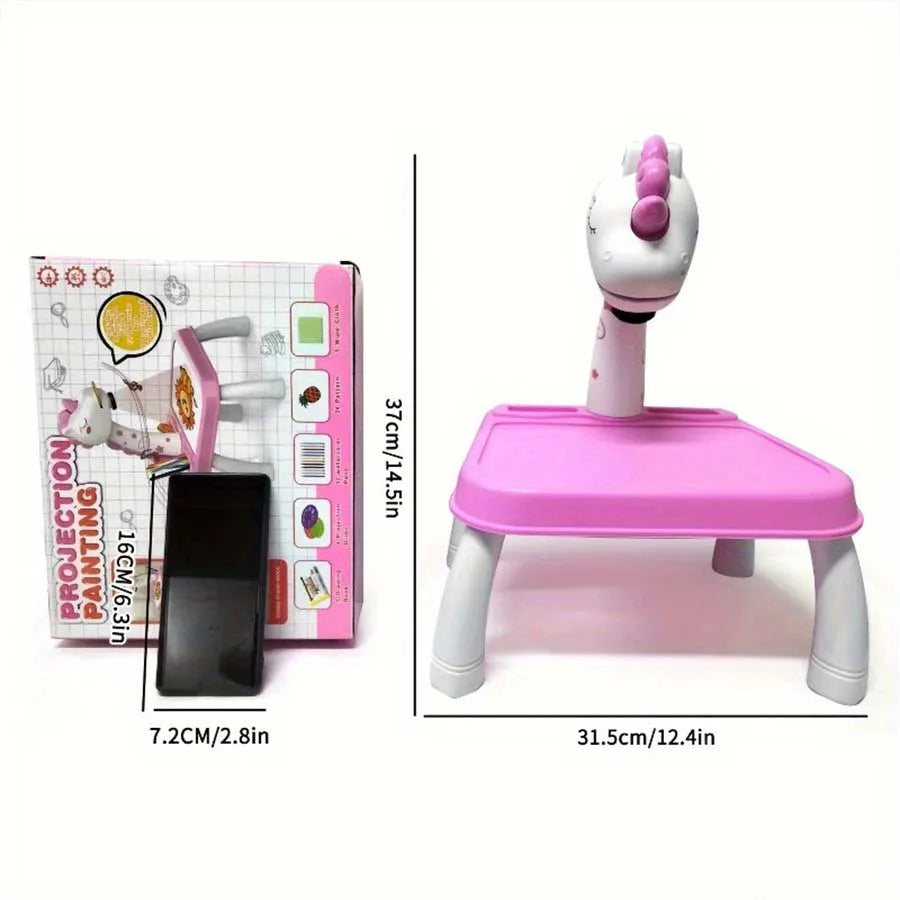
Choose the drawing tool that best matches your child's learning style and creative goals.
Help your child build creativity while making drawing more enjoyable.
Shop Kids Projection Drawing TableFAQs
What is the difference between a light tracing board and a drawing projector?
A light tracing board uses an illuminated surface to reveal an image beneath the paper, making precise tracing easier. A drawing projector projects an image onto the paper from above, offering a more interactive experience but typically with less tracing precision.
Is a light tracing board better than a projector?
For developing drawing fundamentals, handwriting, and tracing accuracy, a light tracing board is generally the better choice. If the primary goal is imaginative play and keeping children engaged, a projection drawing board may be more enjoyable.
Which is easier for beginners?
Most beginners find a light tracing board easier because there is almost no setup. The consistent backlighting makes outlines easier to follow, allowing children to focus on controlling their pencil rather than adjusting projected images.
How does a projection drawing board work?
A projection drawing board shines an image onto a sheet of paper using an LED light and interchangeable picture slides. Children trace the projected outlines before adding their own colors and creative details.
Which tool is more accurate for tracing?
A light tracing board provides greater tracing accuracy because the reference image remains fixed beneath the paper. Projected images can shift slightly if the projector or paper moves during use.
Can a projector enlarge drawings better than a light tracing pad?
Yes. Dedicated art projectors can enlarge artwork onto larger surfaces, making them suitable for murals and oversized illustrations. Children's projection drawing toys offer limited enlargement and are intended primarily for tabletop drawing activities.
Which option is more portable?
Light tracing boards are usually thinner, lighter, and easier to carry. Most projection drawing boards require additional space and may need batteries or charging, making them less convenient for travel.
Does tracing with a light board improve drawing skills?
Regular tracing practice can strengthen hand-eye coordination, pencil control, and confidence. While tracing alone doesn't replace freehand drawing, it provides valuable practice that helps many children develop stronger foundational skills.
Does either tool cause eye strain?
Both tools are generally comfortable when used in a well-lit room and for reasonable periods. Choosing adjustable brightness on a light tracing board and avoiding prolonged continuous sessions can help reduce eye fatigue.
Can kids use both tools together?
Absolutely. Many families begin with a projection drawing board to spark interest in drawing, then introduce a light tracing board as children develop better control. Using both tools together provides a balanced combination of creativity and structured skill building.
Pillar Article: Tracing Projector for Drawing: Top Picks Compared
Other Related Articles:
- Drawing Projector Toy Comparison: Top Models Ranked
- Picture Projector for Tracing: Best Options Reviewed
- Projector Drawing Toy vs Traditional Coloring: Pros & Cons
- Toy Drawing Projector Reviews: Best for 3-Year-Olds
Explore More:





