

Tracing Projector for Drawing: Top Picks Compared
Light tracing board vs projectors: which wins?
A light tracing board is often the better choice for steady skill-building, offering consistent brightness, easy control, and mess-free tracing. Projectors, however, add excitement and variety. For most kids—especially beginners—a light tracing board delivers more reliable results, while projectors work best for creative play and engagement.
Light Tracing Board vs Projectors: Which Wins?
A tracing projector for drawing can feel like a game-changer—but is it really the best way to help your child learn? If you’ve ever watched your toddler struggle to draw shapes or lose interest quickly, you’re not alone. Choosing between a light tracing board and a projector can make a big difference in how your child develops creativity, focus, and confidence.
⏱ 6 min read
Both tools promise fun and learning—but which one actually helps your child grow artistic skills while keeping things simple for you?
Explore Baby Growth & Learning
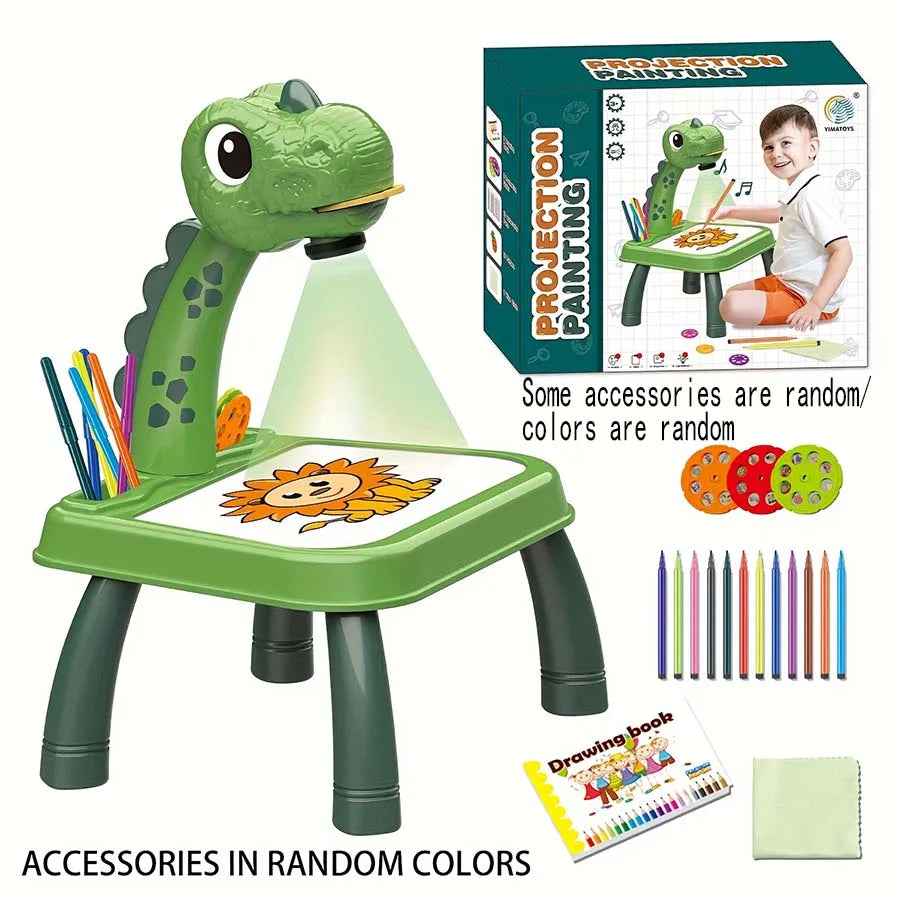
Light tracing board vs projection drawing board comparison 💡 See it in action
Why a Light Tracing Board Builds Skills Faster
A light tracing board helps kids trace images with steady backlighting, improving hand-eye coordination and drawing accuracy. It’s simple to use, requires no setup, and works consistently in any lighting condition—making it ideal for beginners learning shapes, letters, and basic sketches.
A light tracing board is a flat, illuminated surface that lets kids place paper over images and trace them easily.
- Even lighting helps kids see lines clearly
- No moving parts or setup
- Encourages patience and control
- Great for quiet, focused play
Parents often notice that kids using light boards improve their drawing confidence faster—because the experience is predictable and frustration-free.
It’s especially useful for structured learning activities found in Sensory Toys and early development tools.
How Projection Drawing Boards Turn Learning Into Play
A projection drawing board uses light to project images onto paper, making drawing feel interactive and fun. While it may not be as precise as a light tracing board, it keeps kids engaged longer and introduces variety through different images and themes.
Projection drawing boards display images onto a surface using light and lenses. Kids trace what they see.
- Exciting visuals keep kids engaged
- Often includes multiple image slides
- Works well for creative exploration
- Encourages imaginative drawing
However, they can sometimes be harder to align and depend on lighting conditions.
Projection Drawing Board vs Light Tracing Pad: Quick Comparison
| Feature | Light Tracing Board | Projection Drawing Board |
|---|---|---|
| Ease of Use | Very easy | Moderate setup |
| Learning Accuracy | High | Medium |
| Engagement | Calm, focused | Fun, interactive |
| Lighting Needs | Works anywhere | Needs dim lighting |
| Best For | Skill-building | Creative play |
In short, if your goal is learning, go with a light tracing pad. If your goal is excitement and variety, a projector might win.
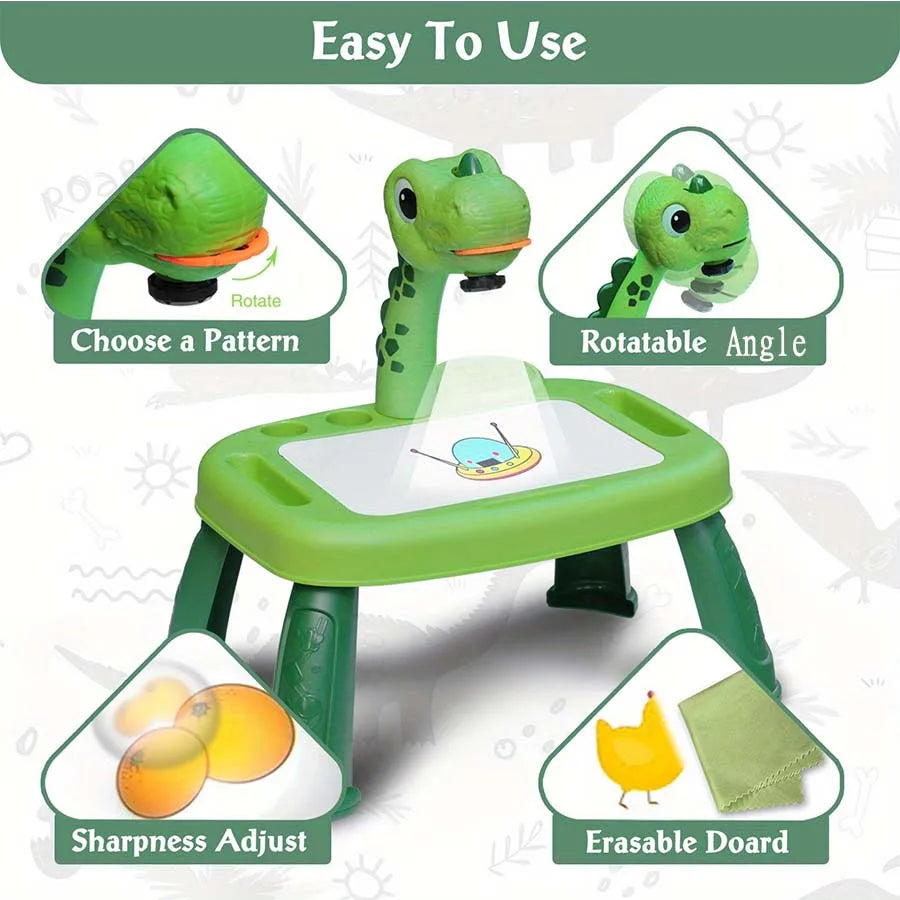
Projection drawing board vs light tracing pad in real use 💡 See it in action
Projection Drawing Table Pros and Cons
✅ Pros
- Highly engaging for toddlers
- Variety of images keeps interest high
- Feels like play, not learning
- Encourages creativity
❌ Cons
- Image alignment can be tricky
- Requires batteries or power
- Less precise tracing
- Can frustrate younger kids
This is why many parents combine projector toys with other tools from Baby Growth & Learning collections for balanced development.
When Each Tool Actually Wins (Real Parenting Scenarios)
Choose a light tracing board if:
- Your child gets frustrated easily
- You want structured learning time
- You value quiet, focused activities
Choose a projection drawing board if:
- Your child gets bored quickly
- You want interactive playtime
- You’re introducing drawing for the first time
Many families use both—starting with projectors for interest, then switching to light boards for skill-building.
Explore Baby Growth & Learning Tips
How to Choose Without Overthinking It
- Start with your child’s attention span
- Consider your daily routine (quick play vs structured time)
- Think about ease of cleanup and setup
- Balance fun and learning—not just one
If mornings are rushed and evenings are chaotic, a simple light tracing board might save you time and stress.
If your child needs excitement to stay engaged, a projector could be the better entry point.
A Kid-Friendly Option Worth Exploring
If you’re leaning toward a projector, this kids projection drawing table offers a balanced mix of fun and usability.
Parents love it because:
- It includes multiple image options
- Designed specifically for small hands
- Encourages independent play
- Pairs well with other Sensory Toys
Real parent feedback:
“My toddler actually sits still and draws now—it feels like play, not practice.”
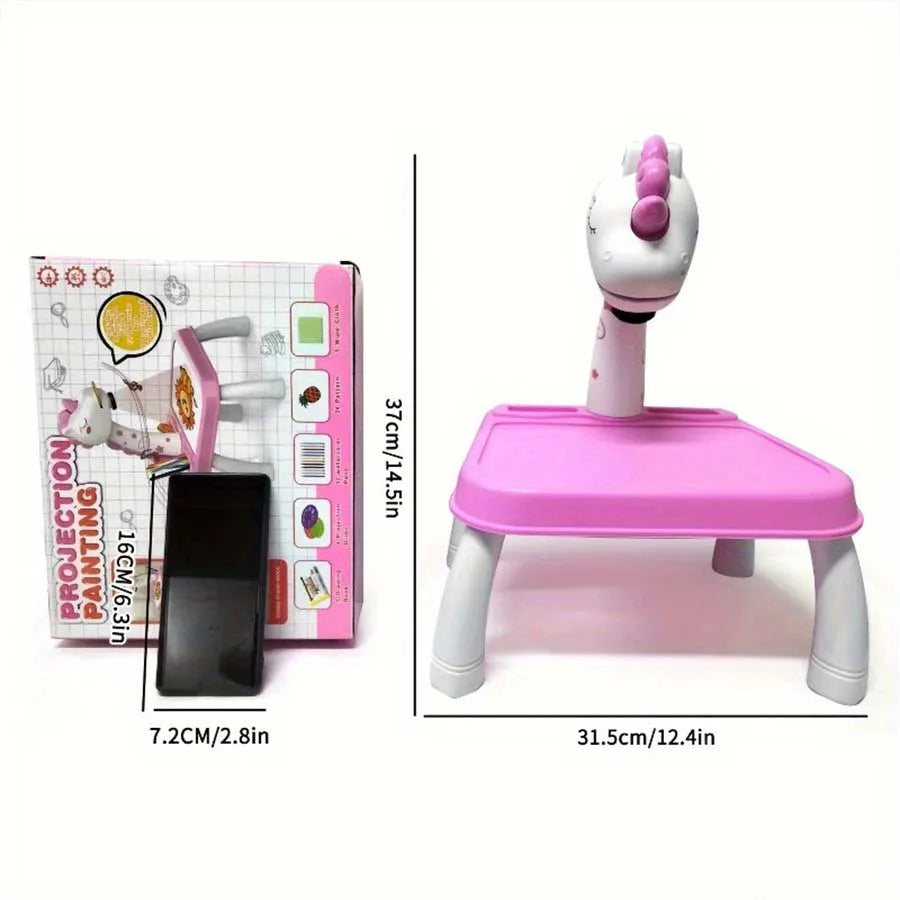
Best projection drawing table for kids 💡 See it in action
Shop Kids Projection Drawing Table
FAQs
Is a light tracing board better for learning?
Yes, it offers more consistent results and helps build foundational drawing skills faster.
Is a projection drawing board worth buying?
It’s worth it if your child needs engagement and variety, especially in early stages of learning.
What age is best for projection drawing toys?
Most are suitable for ages 3 and up, depending on coordination and attention span.
Can I use both together?
Absolutely. Many parents use projectors for fun and light boards for structured practice.
Which is less messy?
Both are relatively clean, but light tracing boards require less setup and adjustment.
Related Articles:
- Drawing Projector Toy Comparison: Top Models Ranked
- Picture Projector for Tracing: Best Options Reviewed
- Projector Drawing Toy vs Traditional Coloring: Pros & Cons
- Toy Drawing Projector Reviews: Best for 3-Year-Olds
- Light Tracing Board vs Projectors: Which Wins?
Pillar Articles:





