

Projector Drawing Toy vs Traditional Coloring: Pros & Cons
Toy Drawing Projector Reviews: Best for 3-Year-Olds
A toy drawing projector transforms simple drawing sessions into engaging, hands-on learning experiences for preschoolers. Instead of expecting young children to sketch from imagination, these toys project easy-to-follow outlines that make drawing feel achievable from the very first try. In this guide, you'll discover how projector drawing toys compare with traditional art activities, which features matter most, and how to choose a safe educational drawing toy that encourages creativity, fine motor development, and screen-free play. Whether you're considering a kids projection drawing table with music or a simple tracing projector, this review helps you find the right option for your child's age and learning stage.
⏱ 6 min read
Looking for a drawing toy that keeps preschoolers engaged while supporting early learning? Here's what parents should know before buying.
Explore fun and skill-building options in our Baby Growth & Learning collection.
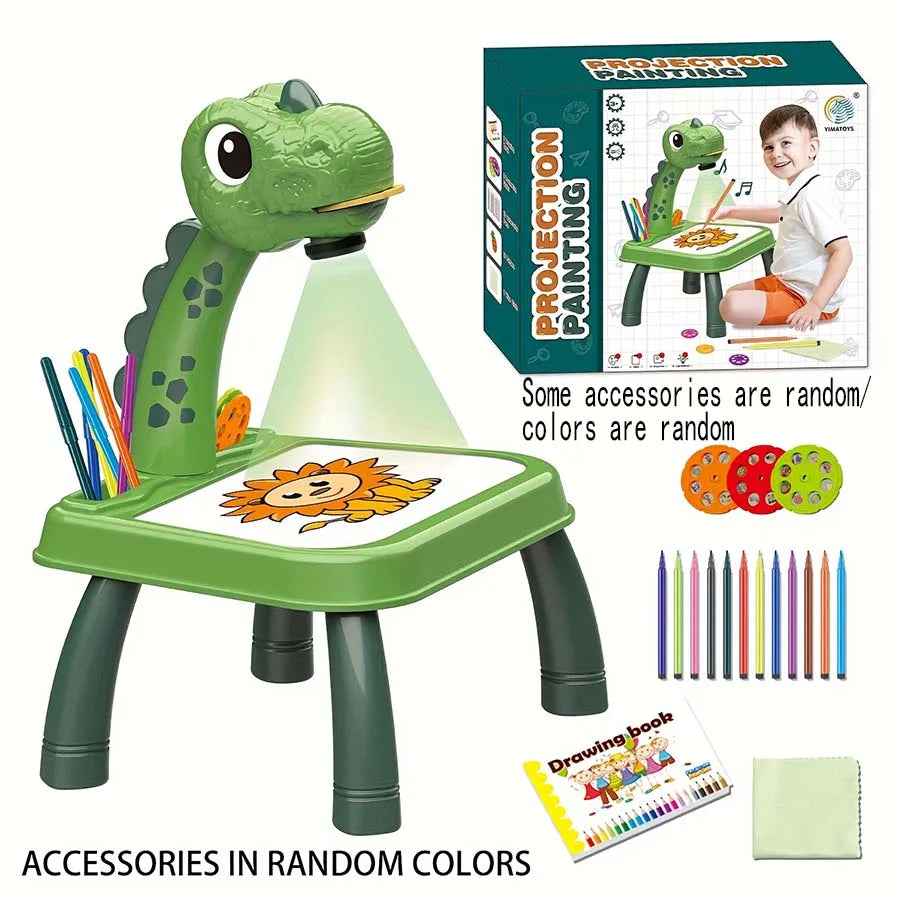
Toy drawing projector for preschool creativity. See it in action.
Why Choose a Toy Drawing Projector?
A toy drawing projector gives young children a simple way to practice drawing without the frustration of starting from a blank page. By projecting clear outlines onto paper, it guides little hands through each shape while allowing kids to add their own colors, details, and imagination.
Unlike traditional coloring books, which focus mainly on filling in existing pictures, a drawing projector encourages children to trace, recognize shapes, and gradually build the confidence needed for freehand drawing. The combination of guided practice and creative freedom makes it an excellent choice for preschool learning.
- Builds confidence with easy-to-follow tracing guides.
- Supports hand-eye coordination and pencil control.
- Encourages independent, screen-free creative play.
- Keeps children engaged with interactive drawing activities.
- Provides a fun introduction to early art and pre-writing skills.
For many families, a projector drawing toy complements crayons, coloring books, and other creative activities by giving children another enjoyable way to practice essential developmental skills through play.
Best Toy Drawing Projector Options Compared
| Type | Best For | Pros | Cons |
|---|---|---|---|
| Basic Tracing Projector | First-time users | Affordable, straightforward to set up, easy for young children to understand | Fewer image slides and limited interactive features |
| Kids Projection Drawing Table with Music | Children who enjoy longer creative play sessions | Interactive lights and music, stable drawing surface, multiple tracing patterns, encourages extended engagement | Requires batteries for music and projection functions |
| Portable Mini Projector | Travel and small spaces | Compact, lightweight, convenient for trips or visits to grandparents | Smaller drawing area and fewer comfort features |
Each style offers different benefits depending on how your child prefers to play. Families looking for an everyday art activity often find that a kids projection drawing table with music provides the best balance of guided learning, entertainment, and ease of use, while simpler tracing projectors are ideal for beginners or occasional use.
Key Features Parents Should Look For
Choosing the right drawing projector involves more than comparing price. A well-designed toy should be safe, durable, and enjoyable enough to keep children returning for creative play. Before buying, consider these essential features:
- Safe materials: Look for non-toxic, BPA-free plastic with rounded corners and smooth edges that are comfortable for little hands.
- Clear, adjustable projection: Bright, easy-to-see images make tracing simpler and reduce frustration, especially for beginners.
- Stable construction: A sturdy table or wide base helps prevent wobbling while children draw and color.
- Multiple projection slides: A variety of animals, vehicles, letters, numbers, and everyday objects keeps activities fresh and supports continued learning.
- Easy maintenance: Surfaces that wipe clean quickly help parents manage markers, crayons, and pencil marks with minimal effort.
- Age-appropriate accessories: Drawing paper, washable markers, and simple controls make the toy easier for preschoolers to enjoy independently.
For more safe play options, browse Health & Safety essentials designed for young children.
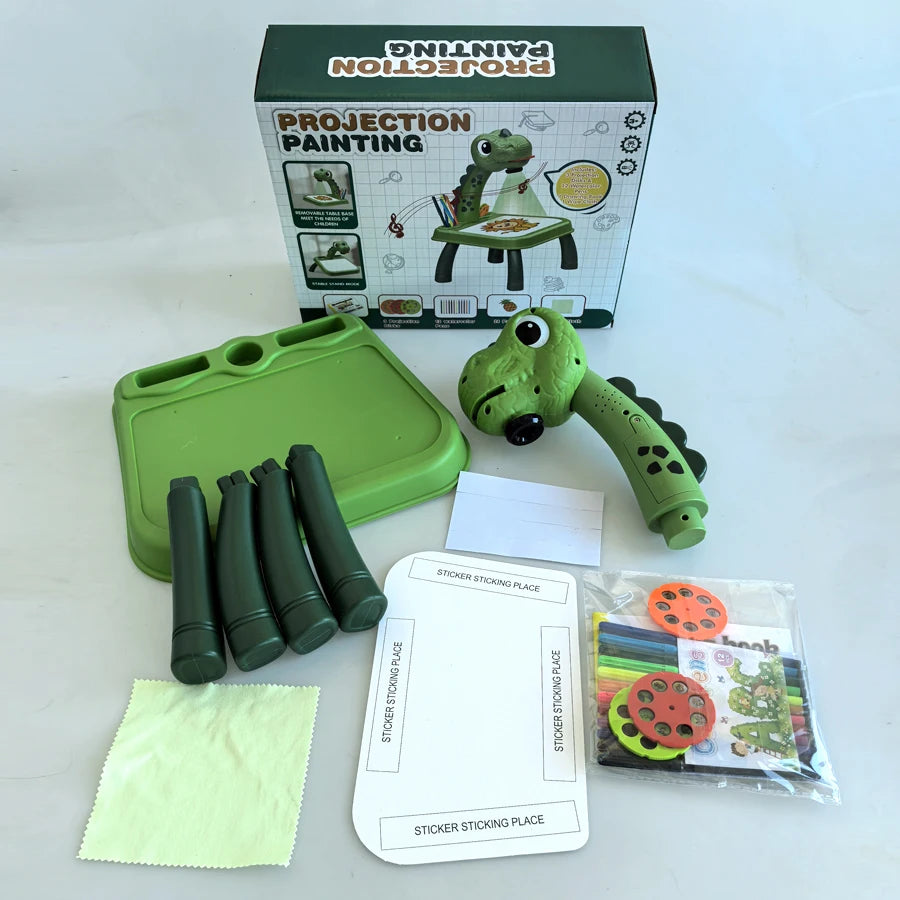
Drawing projector toy with fun projection for creative learning. See it in action.
Explore more tools in Baby Growth & Learning for smarter playtime decisions.
How to Use a Drawing Projector Toy Effectively
A drawing projector delivers the best learning experience when children are encouraged to explore at their own pace. Rather than aiming for perfect drawings, focus on making each session enjoyable while gradually building confidence and pencil control.
- Place the projector on a flat, stable surface with enough room for drawing materials.
- Insert a projection slide featuring simple shapes, animals, or familiar objects.
- Adjust the projector until the image is bright, sharp, and comfortably sized.
- Invite your child to trace the outline slowly, using gentle guidance only when needed.
- After tracing, encourage them to color, decorate, or add their own creative details to make the picture unique.
Tip: Join your child during the first few drawing sessions. Demonstrating how to trace, praising effort over perfection, and asking questions about their artwork can boost confidence while making creative play even more enjoyable.
For even greater developmental benefits, combine projector drawing with activities such as building blocks, puzzles, and Sensory Toys . Rotating between different types of hands-on play helps children strengthen fine motor skills, attention, creativity, and problem-solving without relying on screens.
Which Toy Drawing Projector Is Worth It?
The best drawing projector is one that matches your child's developmental stage, offers reliable build quality, and encourages regular creative play. A stable drawing table with clear image projection, multiple tracing slides, and optional music provides an enjoyable balance of learning and entertainment while supporting fine motor development, hand-eye coordination, and artistic confidence.
When comparing projector drawing toys, prioritize safety, ease of use, and the variety of included activities over flashy extras. Children are more likely to stay engaged with toys that offer fresh tracing templates and a comfortable drawing surface they can use independently.
If you're looking for a reliable option, consider this one:
- Kids Projection Drawing Table – designed with a stable drawing surface, easy-to-follow projection images, interactive features, and reusable tracing activities that help turn everyday playtime into an enjoyable learning experience.
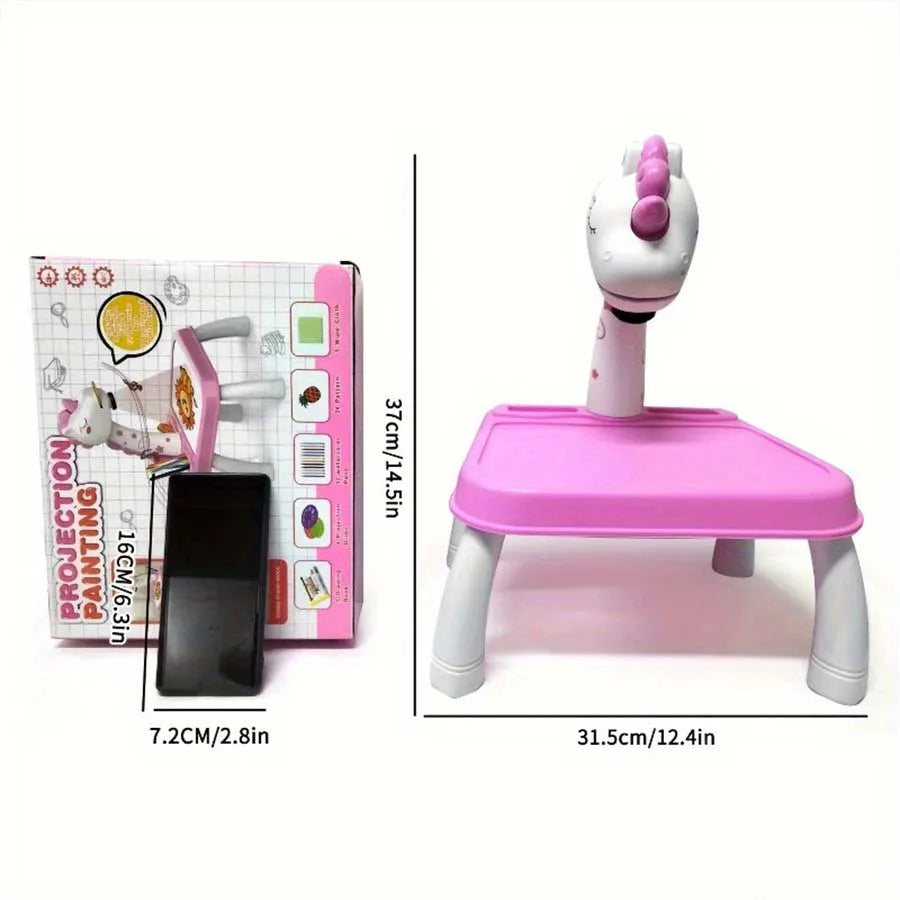
Kids projection drawing table with music for interactive learning. See it in action.
Make learning fun today with the toy drawing projector .
Age-by-Age Recommendations
Ages 2–3
At this stage, children benefit most from simple tracing activities featuring large shapes, animals, and basic objects. A projector drawing toy should be used with adult supervision, focusing on developing pencil grip, hand-eye coordination, and confidence rather than creating perfect drawings.
Ages 4–6
Preschoolers and kindergarten-aged children can progress to more detailed tracing templates, letters, numbers, and themed drawing sets. Combining projection tracing with freehand coloring helps strengthen creativity while supporting early writing readiness and fine motor development.
Ages 7+
Older children often use projector drawing toys as a starting point before adding their own backgrounds, colors, and artistic details. They can also combine projector activities with sketchbooks and other creative art supplies to further develop independent drawing skills.
What Parents Should Look for Before Buying
Safety
Choose a projector made from non-toxic materials with rounded edges, a sturdy construction, and child-friendly controls. Battery compartments should close securely, and small removable parts should be appropriate for your child's age.
Projection Quality
Look for bright, clear images that remain easy to trace under normal indoor lighting. Adjustable focus or projection height can improve usability as children grow.
Accessories
Toys that include multiple projection slides, washable markers, drawing paper, or reusable templates provide greater long-term value and keep children interested through a wider variety of activities.
Durability
A stable drawing table and quality materials help the toy withstand everyday use. Easy-to-clean surfaces also make maintenance simpler for parents.
Value for Money
The best choice balances educational value, durability, safety, and engaging features rather than simply offering the lowest price. A toy that remains enjoyable over several developmental stages is often the better investment.
FAQs
Is a projector drawing toy better than traditional coloring?
Neither activity is universally better. A projector drawing toy provides guided tracing that builds confidence and drawing skills, while traditional coloring encourages creative expression and color recognition. Using both together offers the most balanced learning experience.
Does a drawing projector improve fine motor skills?
Yes. Regular tracing activities help children practice pencil grip, hand control, visual tracking, and coordination, all of which support fine motor development and early writing readiness.
Will tracing make children less creative?
No. Tracing is best viewed as a learning tool rather than a replacement for imagination. Encourage children to color, decorate, and add their own details after tracing to promote creative thinking.
What age is best for a projector drawing toy?
Most children can begin enjoying simple projector drawing toys from around age 3 with supervision. As they grow older, they can progress to more detailed drawings and increasingly independent art activities.
Can projector drawing toys replace coloring books?
Not entirely. Coloring books and projector drawing toys develop complementary skills. Alternating between both activities keeps playtime engaging while supporting creativity, coordination, and artistic confidence.
Are projector drawing toys good for preschool learning?
Yes. They provide a fun, screen-free way to practice tracing, shape recognition, concentration, and early drawing skills while encouraging children to explore art through guided play.
Pillar Article: Tracing Projector for Drawing: Top Picks Compared
Other Related Articles:
- Drawing Projector Toy Comparison: Top Models Ranked
- Picture Projector for Tracing: Best Options Reviewed
- Toy Drawing Projector Reviews: Best for 3-Year-Olds
- Light Tracing Board vs Projectors: Which Wins?
Explore More:





