

How Do I Choose the Right Math Toy for a Child Who Dislikes Math?
Do math educational toys really improve how kids learn math?
Math educational toys help children understand numbers faster by turning abstract concepts into hands-on experiences. These tools support different learning styles, improve problem-solving skills, and build confidence. When matched correctly to a child’s needs, math educational toys can increase engagement, retention, and real-world math application.
Math Educational Toys for Different Learning Styles Explained
⏱ 8 min read
Struggling to keep your child engaged with math? You’re not alone. Many parents feel frustrated watching their kids lose confidence with numbers. The good news? The right math educational toys can completely transform how children learn—making math feel natural, fun, and even exciting.
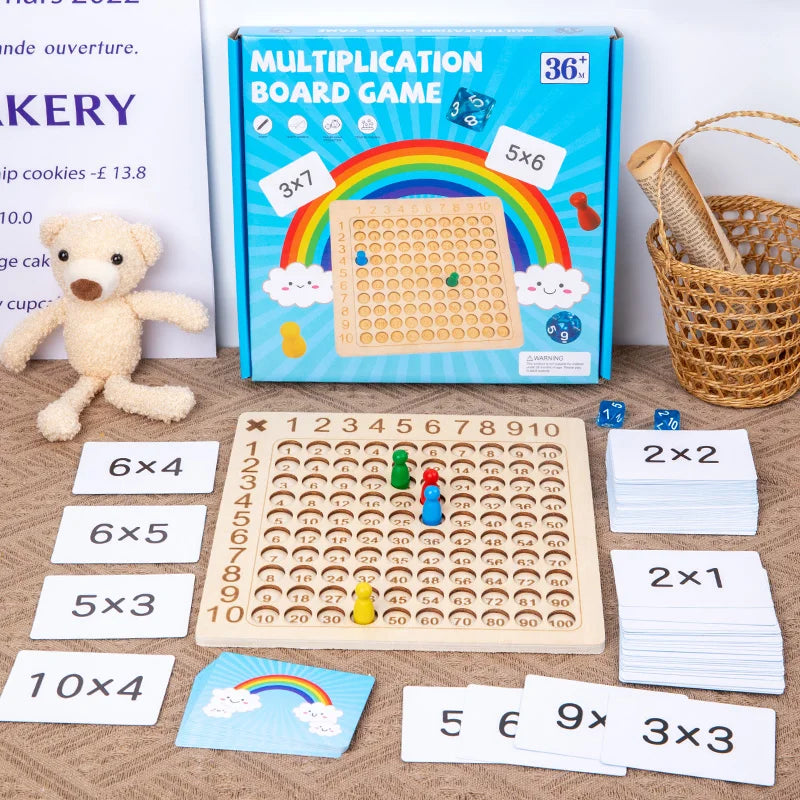
See it in action - math educational toys / top educational math toys for elementary students, build math confidence using Montessori toys, hands on math toy for homeschooling kids, best Montessori math toys for beginners
Why Matching Learning Styles Makes Math Easier
Math educational toys are most effective when they align with how your child naturally learns. Some kids need to see numbers, others need to touch and move objects, while some learn best by hearing patterns.
When the learning method matches the child’s brain, everything clicks faster. Frustration drops. Confidence rises. And suddenly, math becomes something they enjoy—not avoid.
Types of Learners and the Best Math Educational Toys for Each
Visual Learners: Turn Numbers Into Images
Visual learners thrive when math becomes something they can see. Charts, colors, shapes, and patterns help them connect ideas quickly.
- Number boards and counting frames
- Color-coded math blocks
- Puzzle-based math games
- Montessori bead systems
These tools are among the top educational math toys for elementary students because they make abstract numbers feel concrete.
Parents often notice that visual learners stop guessing and start understanding when numbers become visible.
Kinesthetic Learners: Build Math Confidence Through Hands-On Play
Some kids simply cannot sit still—and that’s okay. Kinesthetic learners need movement and interaction to absorb concepts.
- Stackable counting toys
- Shape sorting games
- Hands-on math boards
- Interactive Montessori kits
These are perfect if you want to build math confidence using Montessori toys . Kids physically manipulate numbers, making learning feel like play.
For homeschooling parents, a hands on math toy for homeschooling kids can completely change daily routines—turning resistance into excitement.
Auditory Learners: Learning Math Through Sound and Rhythm
Auditory learners remember what they hear. Rhymes, repetition, and verbal patterns help them grasp math concepts faster.
- Counting songs and audio tools
- Talking math devices
- Call-and-response games
- Story-based math activities
When math becomes something they can hear and repeat, retention improves dramatically.
Logical Learners: Strengthen Problem-Solving Skills
Logical learners enjoy solving puzzles and understanding how things work. They love patterns and structured thinking.
- Strategy-based math games
- Number puzzles
- Sequence-building toys
- Problem-solving kits
These are often considered the best Montessori math toys for beginners who enjoy challenges and structured thinking.
Quick Comparison: Which Math Toy Fits Your Child?
| Learning Style | Best Toy Type | Main Benefit |
|---|---|---|
| Visual | Color-coded blocks | Better number recognition |
| Kinesthetic | Hands-on manipulatives | Active learning engagement |
| Auditory | Sound-based tools | Improved memory retention |
| Logical | Puzzle games | Stronger problem-solving |
How to Choose the Right Math Educational Toy (Step-by-Step)
- Observe how your child naturally plays and learns
- Identify their dominant learning style
- Choose toys that match that style
- Start simple, then increase complexity
- Rotate toys to maintain interest
Pairing the right toy with your child’s natural tendencies can make learning feel effortless.
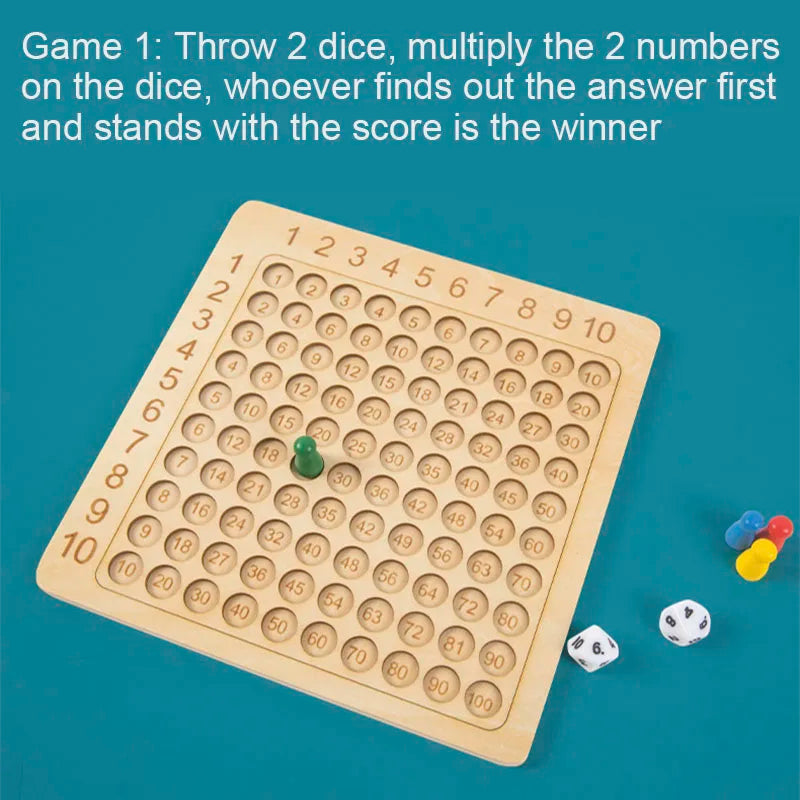
See it in action - math educational toys / top educational math toys for elementary students, build math confidence using Montessori toys, hands on math toy for homeschooling kids, best Montessori math toys for beginners
Real Parent Experiences: What Actually Works
Emma, mom of a 5-year-old: “My son hated math worksheets. But once we introduced hands-on math toys, he started asking to play with numbers.”
David, homeschooling dad: “Switching to Montessori-style tools helped my daughter finally understand addition. It just clicked.”
Many parents report improved focus, less frustration, and more independent learning after choosing the right math tools.
How This Montessori Math Toy Set Supports Every Learning Style
Math educational toys like this Montessori wooden set combine visual, tactile, and logical elements in one solution. Children can see, touch, and explore numbers at their own pace, making it easier to grasp foundational math concepts while building confidence naturally.
- Supports multiple learning styles in one tool
- Encourages independent exploration
- Builds strong number sense
- Perfect for home learning and early education
Explore more tools in Baby Growth & Learning or discover sensory-enhancing toys in Sensory Toys .
Pros and Cons of Math Educational Toys
| Pros | Cons |
|---|---|
| Engaging and fun | Initial cost |
| Builds confidence | Requires parent guidance |
| Supports multiple learning styles | Not all toys suit every child |
Why Parents Are Choosing Hands-On Math Learning
Modern parenting is shifting toward interactive learning. Instead of memorizing, kids explore, experiment, and discover.
This approach reduces stress and builds long-term understanding—especially important during early childhood development.
Explore supportive parenting tools in Mom Essentials or daily learning solutions in Feeding Tools .

See it in action - math educational toys / top educational math toys for elementary students, build math confidence using Montessori toys, hands on math toy for homeschooling kids, best Montessori math toys for beginners
Frequently Asked Questions
What age should kids start using math educational toys?
Children can start as early as 2–3 years old with basic counting toys. As they grow, more complex tools can be introduced.
Are Montessori math toys better?
Montessori toys are effective because they focus on hands-on learning, independence, and real-world understanding.
Can math toys replace traditional learning?
They complement traditional learning by making concepts easier to understand and more engaging.
How often should kids use math toys?
Short daily sessions (10–20 minutes) are more effective than long, infrequent use.
Related Articles:
- Math Games for 6th Graders Free for Boosting Confidence
- Board Games for 2nd Graders That Fix Math Struggles Fast
Pillar Articles:
UPGRADE PLAN { "outline": [ { "action": "MODIFY", "h2": "How Do I Choose the Right Math Toy for a Child Who Dislikes Math?", "h3": [ "Understand Why Your Child Avoids Math", "Focus on Confidence Before Complexity", "Match the Toy to Your Child's Interests and Learning Style" ], "focus": [ "Address math resistance and negative feelings", "Explain play-based learning as a confidence builder", "Introduce decision factors before product recommendations" ], "keywords": [ "how do i choose the right math toy for a child who dislikes math", "build math confidence using Montessori toys" ] }, { "action": "ADD", "h2": "Why Do Some Children Dislike Math?", "h3": [ "Fear of Making Mistakes", "Math Skills Not Matching Development Stage", "Learning Methods That Feel Too Abstract" ], "focus": [ "Explain causes of math frustration", "Help parents identify learning barriers", "Show why hands-on tools can change attitudes" ], "keywords": [ "math confidence", "math learning difficulties", "hands on math toy for homeschooling kids" ] }, { "action": "MODIFY", "h2": "Do Math Educational Toys Really Improve How Kids Learn Math?", "h3": [ "How Play Builds Number Sense", "How Toys Support Problem-Solving Skills", "Why Hands-On Learning Helps Retention" ], "focus": [ "Explain educational value before recommendations", "Connect toys with mathematical thinking", "Avoid overpromising learning outcomes" ], "keywords": [ "math educational toys", "what math toys help kids learn counting and numbers" ] }, { "action": "MODIFY", "h2": "Choose Math Toys Based on Age and Development Stage", "h3": [ "Toddlers and Preschoolers: Counting and Number Recognition", "Early Elementary: Addition, Subtraction, and Logic Skills", "Older Elementary: Strategy, Fractions, and STEM Thinking" ], "focus": [ "Create age-based selection framework", "Explain appropriate skill progression", "Prevent buying toys that are too advanced or too simple" ], "keywords": [ "what age group are educational math toys best suited for", "top educational math toys for elementary students" ] }, { "action": "MODIFY", "h2": "Match Math Toys to Your Child's Learning Style", "h3": [ "Visual Learners: Use Colors, Shapes, and Patterns", "Hands-On Learners: Build Math Confidence Through Manipulation", "Logical Learners: Encourage Strategy and Reasoning", "Creative Learners: Combine Stories and Math Games" ], "focus": [ "Keep learning-style framework but make it child-focused", "Connect toy features with engagement", "Show examples of play approaches" ], "keywords": [ "best Montessori math toys for beginners", "build math confidence using Montessori toys" ] }, { "action": "ADD", "h2": "Quick Comparison: Which Math Toy Type Fits Your Child?", "h3": [], "focus": [ "Compare toy categories by age and skill", "Show confidence level and engagement suitability", "Support purchase decisions without becoming a product list" ], "keywords": [ "math educational toys", "hands on math toy for homeschooling kids" ] }, { "action": "MODIFY", "h2": "How to Choose the Right Math Educational Toy Step-by-Step", "h3": [ "Identify the Math Skill Your Child Needs", "Consider Interests and Play Preferences", "Check Difficulty Level and Adaptability", "Review Safety and Durability Features" ], "focus": [ "Provide practical buying checklist", "Include signs of suitable challenge", "Guide parents before purchasing" ], "keywords": [ "how to choose math educational toys", "safe educational math toys" ] }, { "action": "ADD", "h2": "Signs a Math Toy Is Too Easy or Too Difficult", "h3": [ "When Your Child Loses Interest Quickly", "When Frustration Replaces Curiosity", "When the Toy Encourages Independent Learning" ], "focus": [ "Address content gap around toy difficulty", "Help parents adjust learning challenges", "Encourage observation during play" ], "keywords": [ "math learning toys for children", "problem solving math toys" ] }, { "action": "MODIFY", "h2": "Best Math Toy Categories for Children Who Avoid Math", "h3": [ "Counting and Number Toys", "Montessori Math Manipulatives", "Puzzle and Logic Math Games", "STEM and Building Math Toys" ], "focus": [ "Recommend categories instead of generic product lists", "Explain the learning benefit of each category", "Include examples for different interests" ], "keywords": [ "best Montessori math toys for beginners", "what math toys help kids learn counting and numbers" ] }, { "action": "REMOVE", "h2": "Real Parent Experiences: What Actually Works", "h3": [], "focus": [ "Remove unless verified reviews or expert insights are available", "Replace unsupported testimonials with evidence-based guidance" ], "keywords": [] }, { "action": "MODIFY", "h2": "How Montessori Math Toys Support Confident Learning", "h3": [], "focus": [ "Explain Montessori principles", "Show independent exploration benefits", "Connect hands-on activities with confidence building" ], "keywords": [ "build math confidence using Montessori toys", "best Montessori math toys for beginners" ] }, { "action": "REMOVE", "h2": "Pros and Cons of Math Educational Toys", "h3": [], "focus": [ "Replace generic pros and cons section", "Integrate limitations into buying guidance" ], "keywords": [] }, { "action": "MODIFY", "h2": "How Parents Can Make Math Play More Effective", "h3": [ "Create Low-Pressure Learning Moments", "Ask Questions During Play", "Combine Toys With Real-Life Math Activities" ], "focus": [ "Add practical activities before purchase recommendations", "Support homeschooling and home learning", "Improve parent engagement" ], "keywords": [ "hands on math toy for homeschooling kids", "math educational toys" ] }, { "action": "MODIFY", "h2": "Frequently Asked Questions", "h3": [ "What age group are educational math toys best suited for?", "What math toys help kids learn counting and numbers?", "Are Montessori math toys better for children who dislike math?", "Can math toys help a child build math confidence?", "How do I know if a math toy matches my child's skill level?" ], "focus": [ "Target long-tail search questions", "Address parent concerns before purchase", "Support FAQ schema" ], "keywords": [ "what age group are educational math toys best suited for", "what math toys help kids learn counting and numbers" ] } ], "internal_links": [ "montessori toys collection", "educational toys for toddlers", "problem solving toys for kids", "fine motor skill development toys", "homeschool learning resources" ], "faq": [ "What age group are educational math toys best suited for?", "What math toys help kids learn counting and numbers?", "Can math toys help a child who hates math?", "Are Montessori math toys good for beginners?", "How do I choose a math toy based on my child's learning style?" ], "trim": [ "Generic learning-style claims without practical toy matching", "Unverified parent experience section", "Broad pros and cons section", "Repeated explanations about hands-on learning" ] } Approved linked products: - Explore the Montessori Math Toy Set (/products/children-montessori-wooden-math-learning-toy-set) Product Rules - Keep all approved products. - Only approved products may contain affiliate links. - You may add real competitor products when useful. - Competitor products must not contain links unless already present. - Only create comparison tables when they genuinely improve the article. RULES - Apply every instruction in the Upgrade Plan. - Keep all existing affiliate links unchanged. - Keep all existing internal links unchanged. - Keep all existing image URLs unchanged. - Preserve sections such as Related Articles, Related Posts and Recommended Reading. - Avoid duplicate headings. - Insert new sections only where specified. - Improve clarity, topical coverage, EEAT and readability. - Expand weak sections only when required. - Use natural keyword placement. - Keep semantic HTML clean. YEAR UPDATE If visible article text contains "2005", replace it with "2026". Do not modify years inside: - URLs - href attributes - image filenames OUTPUT REQUIREMENTS Return ONLY the final upgraded HTML article. The output must be valid HTML and ready to publish. Do NOT return: - Markdown - Explanations - Notes - Code fences - JSON - XML Return the HTML beginning with the first HTML element and ending with the last HTML element.





