

How to Learn Multiplication Facts Quickly in 7 Easy Steps
How to learn multiplication facts quickly?
How to learn multiplication facts quickly comes down to using short daily practice, visual patterns, and play-based repetition. Kids remember faster when learning feels fun, interactive, and consistent. By combining hands-on tools, memory tricks, and games, children can master multiplication facts in as little as 2–3 weeks.
How to Learn Multiplication Facts Quickly in 7 Easy Steps
Struggling with how to learn multiplication facts quickly without turning homework into a daily battle? You’re not alone. Many parents notice kids forget multiplication facts easily, and multiplication memorization feels overwhelming for kids. The good news? With the right approach, learning can feel like play—not pressure. This guide shows simple, proven steps to help your child build confidence, retain more, and finally enjoy math.
⏱ 8 min read
Which learning method actually works best for your child? Keep reading—you might be surprised how fast progress can happen.
💡 See it in action - how to learn multiplication facts quickly / kids forget multiplication facts easily, multiplication memorization feels overwhelming for kids, fun ways to practice multiplication tables, how to teach multiplication through play
👉 Discover fun tools that make math click faster
Why Kids Forget Multiplication Facts Easily
Before solving the problem, it helps to understand it.
- Memorization without understanding creates confusion
- Long practice sessions cause frustration
- Lack of engagement makes learning feel boring
- No repetition leads to quick forgetting
When multiplication memorization feels overwhelming for kids, they often shut down or avoid practice altogether. That’s why switching to fun ways to practice multiplication tables is the key.
7 Easy Steps to Master Multiplication Fast
How to learn multiplication facts quickly becomes easier when you break it into small, repeatable steps. Focus on consistency, engagement, and confidence—not perfection.
- Start with simple number patterns
- Use visual aids and charts
- Turn practice into games
- Work in small chunks
- Repeat daily
- Use hands-on learning tools
- Celebrate progress
Step 1: Build Strong Foundations First
Kids need to understand multiplication before memorizing it.
Start by explaining multiplication as repeated addition:
- 3 × 4 = 4 + 4 + 4
This builds confidence and reduces confusion.
Step 2: Use Visual Patterns
Patterns help children recognize shortcuts.
- Multiplying by 2 = doubling
- Multiplying by 5 = ends in 0 or 5
- Multiplying by 9 = digit patterns
Visual learning makes facts stick faster than rote memorization.
Step 3: Practice Through Play
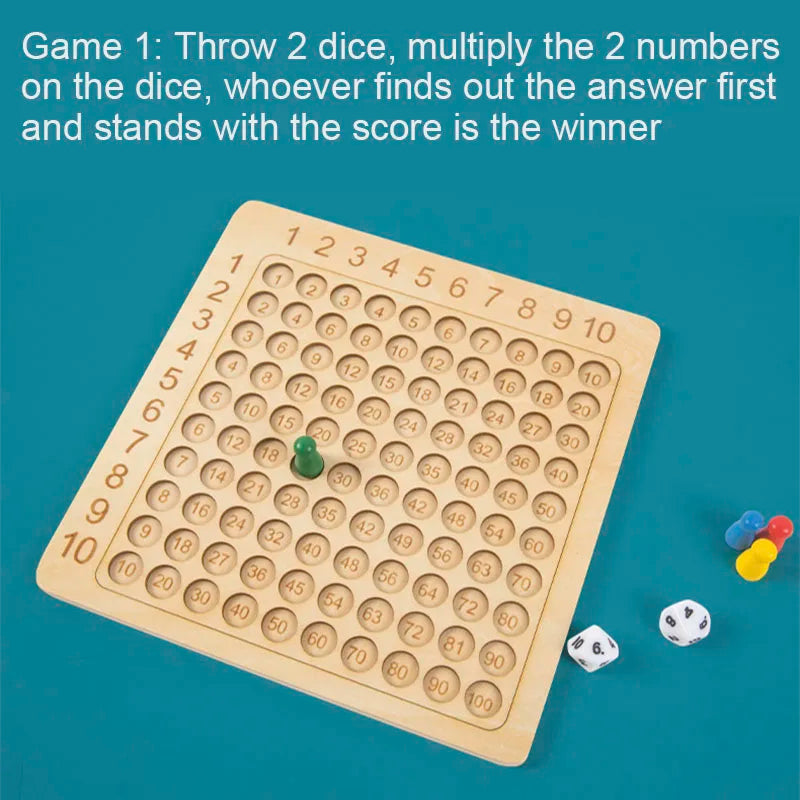
How to teach multiplication through play is one of the most effective methods.
- Flashcard races
- Multiplication bingo
- Dice games
- Board challenges
Kids learn faster when they don’t feel like they’re studying.
Step 4: Focus on Small Sets
Instead of learning all facts at once, break them down:
- Day 1: ×2 facts
- Day 2: ×3 facts
- Day 3: review + new set
This reduces overwhelm and improves retention.
Step 5: Repeat Daily (But Keep It Short)
Consistency beats long sessions.
- 5–10 minutes daily
- Quick review before bed
- Practice during idle time
Short bursts keep learning fresh and stress-free.
Step 6: Use Hands-On Tools
Interactive tools transform learning into a sensory experience.
Using objects kids can touch and move helps reinforce memory faster.
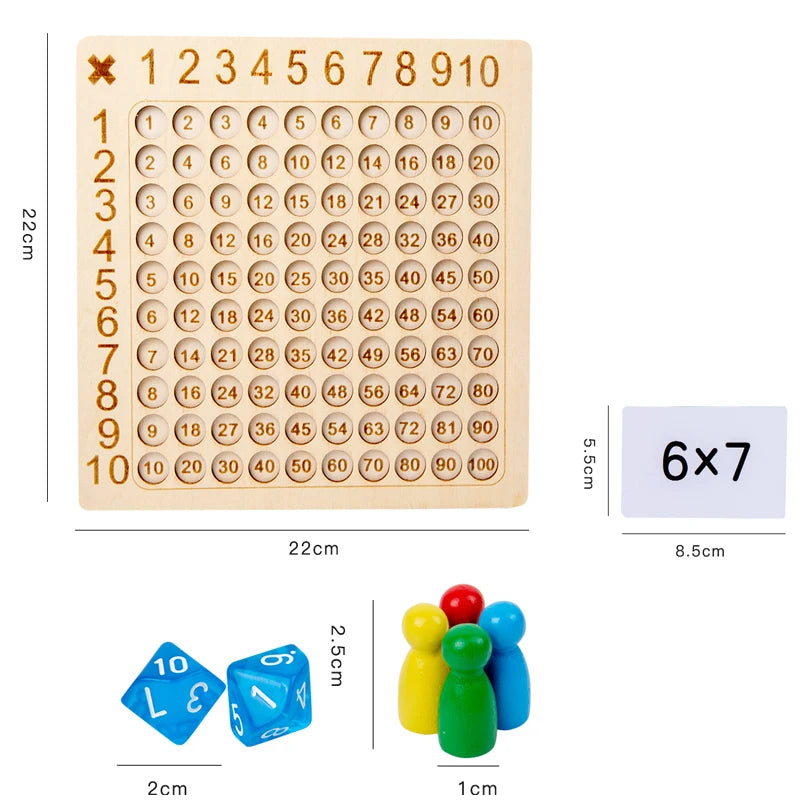
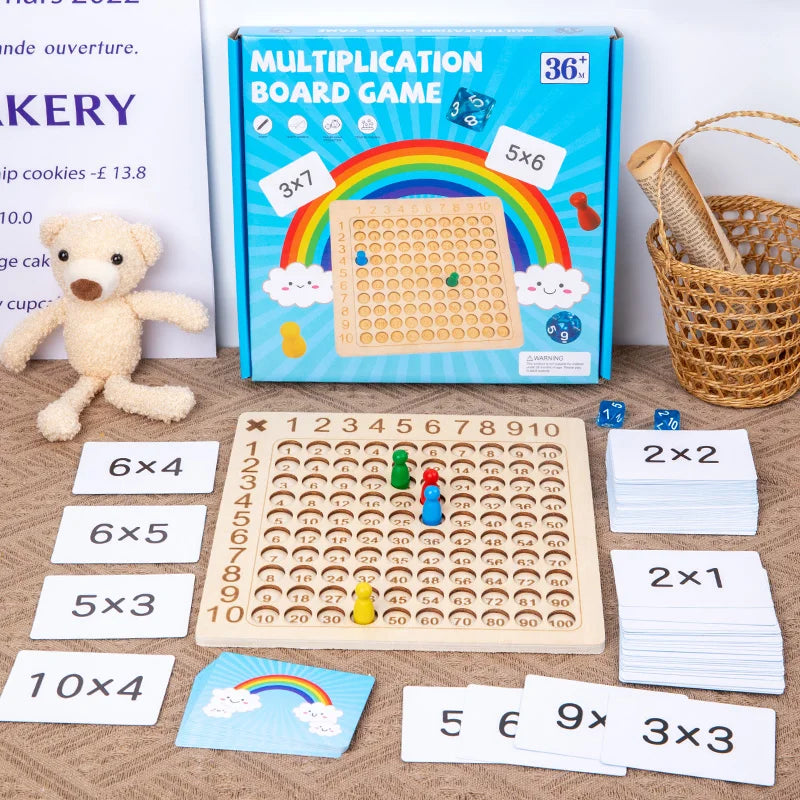
👉 Try this effective tool: Children Montessori Wooden Math Learning Toy Set
Parents report that kids engage longer and remember better when learning becomes physical.
👉 Learn how to make learning faster and easier at home
💡 See it in action - how to learn multiplication facts quickly / kids forget multiplication facts easily, multiplication memorization feels overwhelming for kids, fun ways to practice multiplication tables, how to teach multiplication through play
Step 7: Celebrate Small Wins
Confidence is everything.
- Praise effort, not perfection
- Track progress visually
- Reward consistency
When kids feel successful, they stay motivated.
Best Learning Methods Comparison
| Method | Pros | Cons |
|---|---|---|
| Rote Memorization | Fast for some learners | Boring, easy to forget |
| Games & Play | Fun, engaging | Needs structure |
| Hands-On Tools | High retention, interactive | Requires materials |
| Visual Patterns | Easy understanding | Limited for advanced facts |
Combining methods gives the best results.
How This Approach Makes Learning Easier for Parents
Parents often feel overwhelmed trying to teach math at home.
- No more long, stressful study sessions
- Clear step-by-step structure
- Less resistance from kids
- More confidence in learning progress
Simple tools and playful learning reduce daily stress.
Real Parent Experiences
“My child went from struggling daily to finishing multiplication in 2 weeks.”
“Using games completely changed how my kid feels about math.”
“Short daily practice made the biggest difference.”
Practical Daily Routine Example
- Morning: 5-minute review
- Afternoon: quick game
- Evening: hands-on practice
This routine builds strong memory without pressure.
💡 See it in action - how to learn multiplication facts quickly / kids forget multiplication facts easily, multiplication memorization feels overwhelming for kids, fun ways to practice multiplication tables, how to teach multiplication through play
👉 Get yours now — limited stock!
FAQs
How long does it take to learn multiplication facts?
With consistent daily practice, most kids can learn basic multiplication facts within 2–4 weeks.
Why do kids struggle with multiplication?
Many kids rely on memorization without understanding, which makes it harder to retain information.
What is the fastest way to teach multiplication?
The fastest method combines short daily practice, games, visual patterns, and hands-on tools.
Are games really effective for learning math?
Yes, games increase engagement and improve retention by making learning enjoyable.
Related Articles:
- How to Create a Math Board Game DIY Kids Will Love
- How to Use Math Hands On Activities for Kindergarten
- How to Use Times Table Games to Boost Memory Fast
- Learn How to Multiply Step by Step Without Frustration
Pillar Articles:





