

Math Learning Tools That Build Skills Faster for Kids
Does a math board game diy really make kids enjoy learning?
A math board game diy turns abstract math into hands-on play, helping kids aged 6–12 stay engaged longer and build confidence faster. By combining movement, challenges, and rewards, it improves retention and makes practice feel like fun instead of homework—especially with interactive elements like dice and visual boards.
How to Create a Math Board Game DIY Kids Will Love
math board game diy is the easiest way to turn boring lessons into exciting play your kids actually ask for. This guide shows you how to build an educational math board game for ages 6 12 using simple materials, plus ideas like an interactive multiplication dice game for kids and a hands on math toy for homeschooling kids. You will even learn how to create a durable wooden math learning board game that lasts for years—but what clever twist makes kids never want to stop playing?
⏱ 8 min read
Struggling to keep your child focused during math time? You’re not alone. Many parents face resistance, boredom, or frustration when it comes to numbers.
What if learning math felt like game night instead?
A simple math board game diy can transform daily practice into laughter, competition, and confidence-building moments your child actually looks forward to.
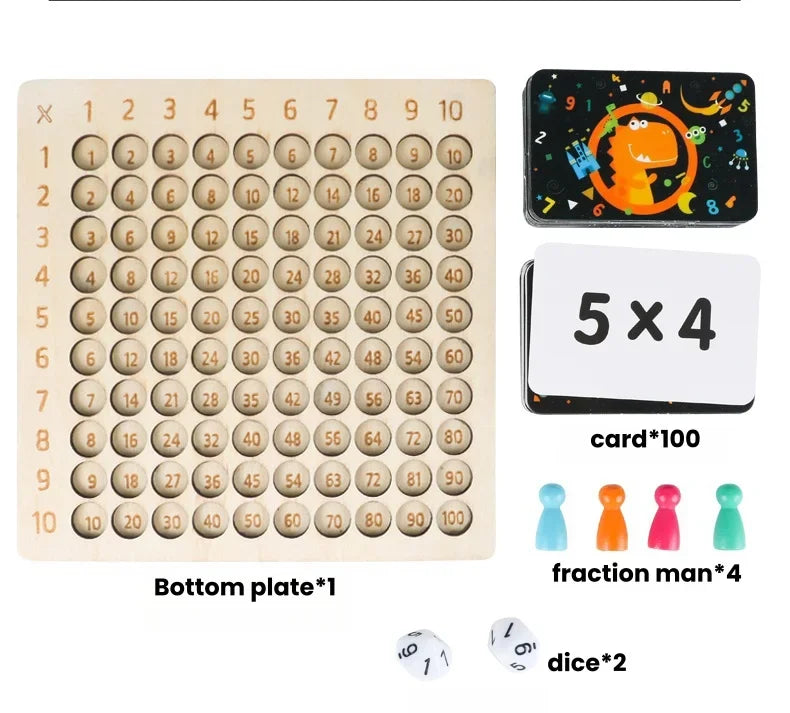
💡 See it in action - math board game diy / educational math board game for ages 6 12, interactive multiplication dice game for kids, hands on math toy for homeschooling kids, durable wooden math learning board game
Why This Approach Makes Math Easier (and More Fun)
Kids learn best when they’re emotionally engaged. Traditional worksheets often feel repetitive, but games trigger curiosity and excitement.
- 🎲 Turns repetition into playful challenges
- 🧠 Encourages critical thinking and problem-solving
- 🏆 Builds confidence through small wins
- 👨👩👧 Creates bonding moments during playtime
Many parents exploring Baby Growth & Learning tools notice that hands-on play significantly improves attention spans.
Simple Materials You Already Have at Home
You don’t need expensive supplies to create an educational math board game for ages 6 12.
- Cardboard or thick paper
- Markers or crayons
- Dice (or make your own)
- Small toys or coins as game pieces
- Ruler for drawing paths
Optional upgrade: use items from Sensory Toys to make the game more interactive and engaging.
Step-by-Step: Build Your Math Board Game DIY
Follow this simple process to create a game your child will love.
- Design the board: Draw a path with 20–30 spaces leading to a finish line.
- Add math challenges: Write problems inside some spaces (addition, subtraction, multiplication).
- Create reward spots: Include “skip ahead” or “extra turn” spaces.
- Choose a theme: Jungle adventure, space race, or treasure hunt.
- Set rules: Roll dice, solve problems to move forward.
💬 Which game theme would your child enjoy most? Keep reading—you’ll find ideas to make it irresistible.
How to Add an Interactive Multiplication Dice Game for Kids
This is where the magic happens. Adding dice transforms your board into a dynamic challenge.
- Roll two dice
- Multiply the numbers
- Move forward if correct
- Stay or go back if incorrect
This interactive multiplication dice game for kids builds quick recall without pressure.
Parents using tools from Feeding Tools and play-based learning sets often combine routines—learning during snack time can be surprisingly effective.

💡 See it in action - math board game diy / educational math board game for ages 6 12, interactive multiplication dice game for kids, hands on math toy for homeschooling kids, durable wooden math learning board game
Upgrade to a Durable Wooden Math Learning Board Game
Want something that lasts for years? Upgrade your DIY version into a durable wooden math learning board game.
math board game diy becomes even more effective when built with sturdy materials like wood, allowing repeated use without wear. A wooden board adds a tactile, premium feel that enhances engagement and makes it ideal for homeschooling routines or daily practice sessions.
- Use a wooden board as your base
- Engrave or paint permanent paths
- Add reusable number tiles
- Store pieces in a small box
For an easier option, explore this ready-made solution: durable wooden math learning board game
It combines durability with hands-on learning—perfect for busy parents who want convenience without sacrificing quality.
Key Benefits for Kids Aged 6–12
| Feature | Benefit |
|---|---|
| Game-based learning | Reduces resistance to practice |
| Interactive play | Improves memory retention |
| Hands-on materials | Boosts focus and engagement |
| Custom difficulty | Grows with your child |
Parents browsing Baby Growth & Learning collections often prefer flexible tools like this because they adapt as children progress.
Common Mistakes to Avoid
- ❌ Making rules too complicated
- ❌ Using problems that are too difficult
- ❌ Not including rewards or fun elements
- ❌ Skipping visual design (kids love colorful boards)
Keep it simple, playful, and slightly challenging—that’s the sweet spot.
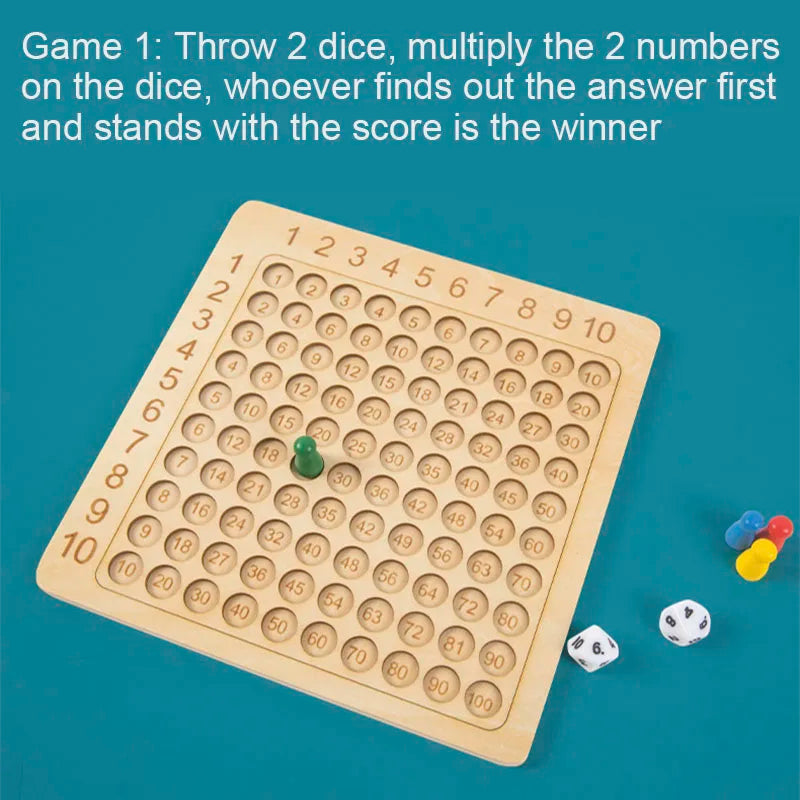
💡 See it in action - math board game diy / educational math board game for ages 6 12, interactive multiplication dice game for kids, hands on math toy for homeschooling kids, durable wooden math learning board game
Make Math Time Something Your Kids Ask For
Imagine your child saying, “Can we play the math game again?” That’s the power of a well-designed math board game diy.
By turning practice into play, you’re not just teaching math—you’re building confidence, independence, and a love for learning.
durable wooden math learning board game
FAQs
What age is a math board game diy suitable for?
It works best for kids aged 6–12, but you can adjust difficulty levels to suit younger or older learners.
How long does it take to make one?
A simple version can be created in under 30 minutes using basic household materials.
Can this replace traditional worksheets?
It can supplement them effectively by reinforcing concepts through play, improving retention and motivation.
Is a wooden version worth it?
Yes, a durable wooden math learning board game lasts longer and offers a better tactile experience, making it ideal for repeated use.
Related Articles:
- Learning Math App Features That Actually Improve Results
- Why Multiplication Board Game Boosts Memory and Focus
Pillar Articles:





