

Sensory Toys for 3 Year Olds That Keep Kids Engaged
What are the best sensory toys for 3 year olds to improve focus and learning?
Sensory toys for 3 year olds support focus, creativity, emotional regulation, and hands-on learning by engaging touch, movement, sight, and sound. The best sensory toys for 3 year olds match a child’s play style, whether they need calming activities, active movement, or problem-solving challenges that build independence and concentration.
Sensory activities for 3 year olds: best toys and play ideas for calm or active kids
⏱ 7 min read
Sensory activities for 3 year olds can turn everyday play into meaningful learning experiences. At age three, children are developing independence, coordination, language skills, and problem-solving abilities. Choosing the right sensory toys for 3 year old children can help support these milestones while keeping play engaging and enjoyable.
From tactile toys and sorting games to movement-based activities and cause-and-effect learning toys, the right setup depends on your child’s energy level and sensory preferences. Discover which sensory play ideas for toddlers learning work best for focus, creativity, and independent play.
Which sensory toy matches your child’s learning style? Keep reading to find the best options for calm play, active movement, and skill development.
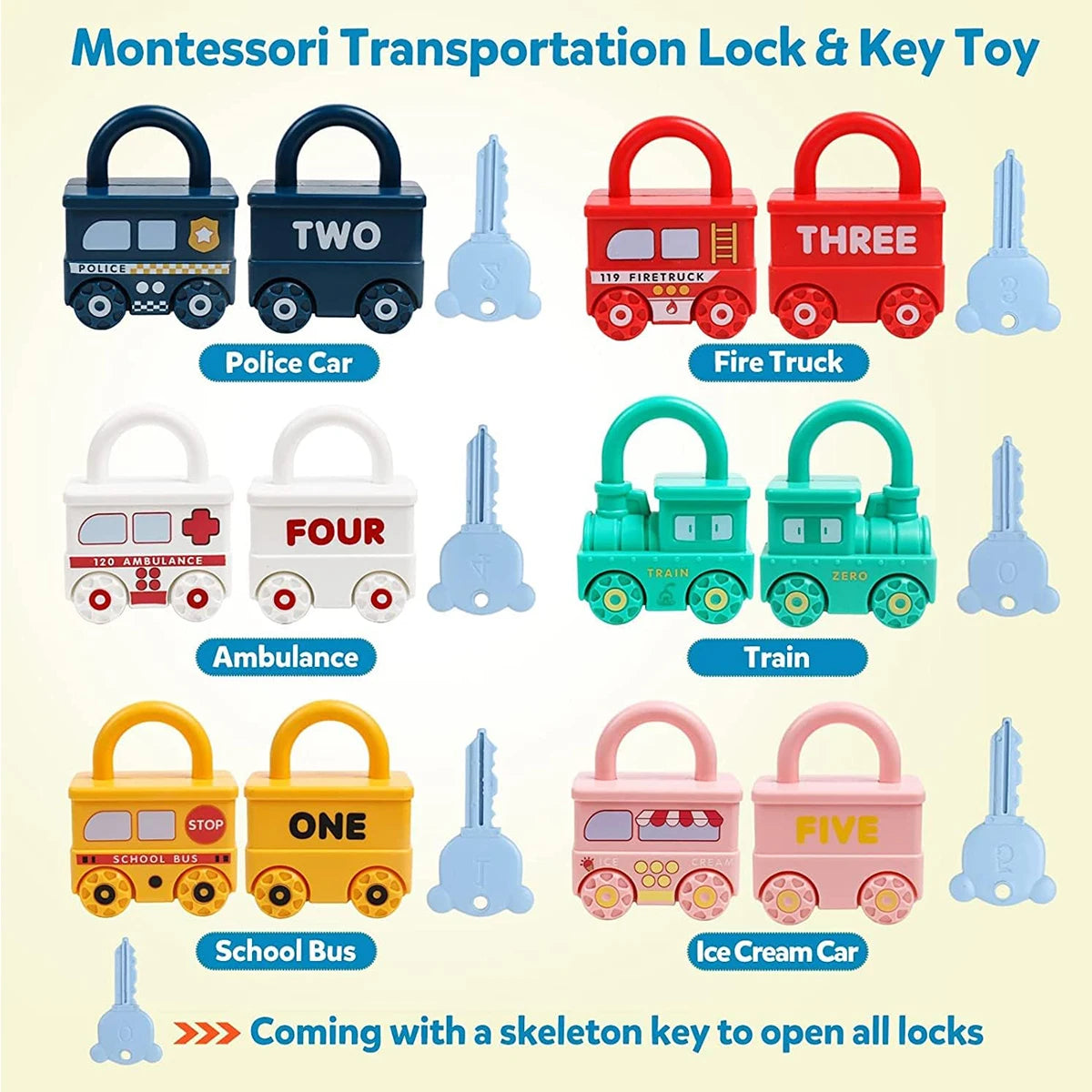
See it in action - sensory activities for 3 year olds / sensory play ideas for toddlers learning, toddler low attention span activities, toddlers uninterested in learning toys, best hands on learning activities preschoolers
Discover the safest toys for your child
Explore thoughtfully designed options inside Sensory Toys that support focus, curiosity, and calm exploration.
Best sensory toys for 3 year olds: top picks by sensory need and play style
The best sensory toys for 3 year olds are not always the most complicated. Children at this age benefit from toys that encourage touching, moving, exploring, and solving problems independently. The ideal choice depends on whether your child enjoys tactile exploration, active movement, visual stimulation, or quiet concentration.
Best tactile sensory toys
Tactile sensory toys encourage children to explore different textures, pressure, and materials. These toys are especially helpful for children who enjoy hands-on activities.
- Play dough and texture-based toys: Improve fine motor strength and creativity while allowing open-ended exploration.
- Kinetic sand: Supports sensory discovery, hand coordination, and imaginative play.
- Textured fidget toys: Provide calming sensory input during quiet moments.
Best for:
Children who enjoy touching, squeezing, building, or creating.
Benefits:
Fine motor development, creativity, and independent play.
Potential limitation:
Some materials require supervision and cleanup.
Best proprioceptive and heavy-work toys
Heavy-work activities involve pushing, pulling, lifting, or carrying. These movements provide strong body awareness input and can help energetic children feel more organized during play.
- Push-and-pull toys
- Climbing and balance activities
- Weighted sensory games using safe household items
Best for:
Active children who need movement throughout the day.
Benefits:
Coordination, body awareness, and energy regulation.
Best vestibular and movement toys
Movement-based sensory toys support balance and coordination through activities like spinning, jumping, and changing positions.
Options include balance boards, stepping games, indoor obstacle courses, and outdoor movement activities.
Best for:
Children who learn best through physical activity.
Benefits:
Gross motor skills, confidence, and coordination.
Best visual and auditory sensory toys
Visual and sound-based toys help children understand patterns, cause and effect, and early problem-solving.
- Musical toys
- Light-up learning toys
- Matching and sorting games
Best for: Children who enjoy patterns, sounds, and interactive responses.
Why sensory play matters for 3-year-olds
Developmental milestones at age 3
At age three, children are rapidly developing language, movement, memory, and social skills. Sensory play for 3 year olds provides opportunities to practice these abilities through active exploration.
- Improved hand-eye coordination
- Stronger fine motor control
- Better attention during activities
- Expanded vocabulary through exploration
- Greater emotional awareness
How sensory play supports learning
Sensory play for 3-year-olds works because children learn through doing. Touching, sorting, moving, and experimenting help build connections between actions and outcomes.
Unlike passive entertainment, sensory toys encourage children to make decisions, test ideas, and repeat actions until they understand a concept.
Signs a child may benefit from sensory toys
Many children enjoy sensory toys, even without specific sensory challenges. A child may especially enjoy them if they:
- Moves constantly and seeks active play
- Loses interest in traditional toys quickly
- Enjoys touching different textures
- Needs calming activities after busy periods
- Loves repeating actions to see results
Best calming sensory toys and activities for quiet play
Texture and fidget toys
Texture toys and simple fidget activities can create calming moments by giving children a focused task for their hands.
These options work well during quiet time, travel, or transitions between activities.
Water and sand play
Water bins, sand activities, and sensory containers encourage slow exploration. Children can scoop, pour, compare, and experiment while practicing concentration.
Pair calming play with items from Sleep & Comfort to create a consistent wind-down routine.
Sorting and matching games
Color sorting, shape matching, and simple puzzles are excellent concentration toys for 3 year olds because they require attention without overwhelming stimulation.
These activities support early math skills, memory, and independent problem-solving.
Best active sensory toys for energetic 3-year-olds
Balance and movement toys
Balance activities encourage children to control their bodies while developing coordination and confidence.
Examples include stepping paths, balance boards, and simple indoor movement challenges.
Obstacle and jumping games
Obstacle courses transform extra energy into structured learning. Children practice planning, following directions, and completing challenges.
Outdoor sensory play
Outdoor play provides natural sensory input through movement, textures, sounds, and exploration. Activities like gardening, water play, and climbing support healthy development.
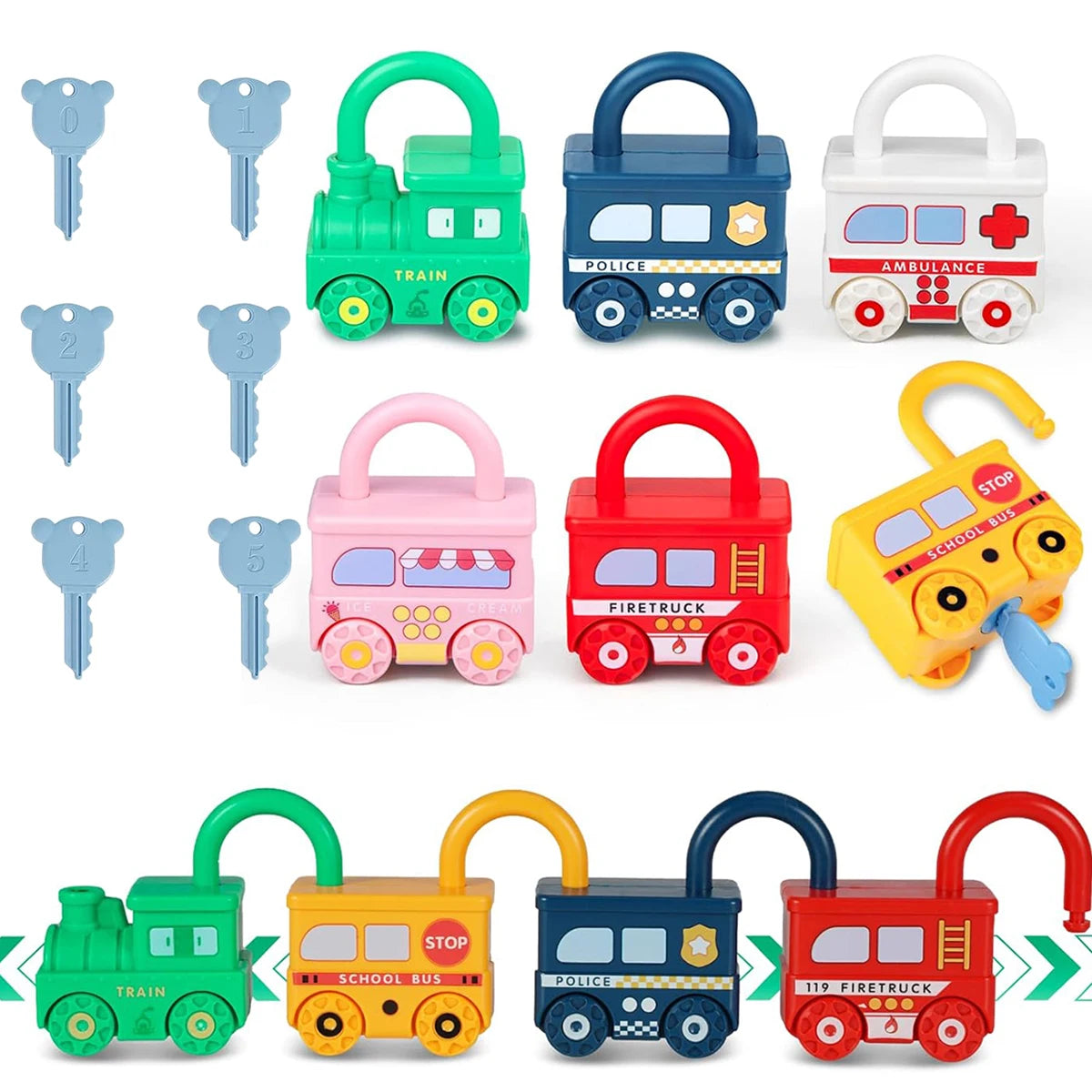
See it in action - sensory activities for 3 year olds / sensory play ideas for toddlers learning, toddler low attention span activities, toddlers uninterested in learning toys, best hands on learning activities preschoolers
Learn step-by-step how to choose the right baby gear
Browse Baby Growth & Learning to find tools designed for your child’s unique play style.
How to choose the right sensory toy for your child
Match toys to sensory preferences
Observe what your child naturally enjoys. Some children prefer textures and quiet exploration, while others need movement and active challenges.
Choose by developmental goal
The best sensory toys for 3 year olds should support a specific skill:
- Fine motor development: sorting, building, squeezing
- Problem-solving: puzzles, locks, matching games
- Communication: pretend play and interactive toys
- Coordination: balance and movement activities
Safety and material checklist
Look for sensory toys made with durable, child-safe materials. Important factors include:
- Non-toxic finishes and materials
- Age-appropriate parts
- Easy-to-clean surfaces
- Strong construction for repeated use
Sensory toy comparison table
| Toy Type | Best For | Age | Indoor/Outdoor | Price Range |
|---|---|---|---|---|
| Texture sensory toys | Calming and tactile exploration | 3+ years | Indoor | Low to medium |
| Movement toys | Active children needing physical play | 3+ years | Indoor/outdoor | Medium |
| Sorting and matching toys | Focus and early learning | 3+ years | Indoor | Low to medium |
| Cause-and-effect toys | Problem solving and concentration | 3+ years | Indoor | Medium |
Which sensory toys work best for focus, learning, and cause-and-effect?
Cause-and-effect toys
Cause and effect toys for 3 year olds help children understand that actions create results. Opening, closing, pressing, matching, and unlocking encourage repeated practice.
One effective example is the Montessori Lock and Key Toy Set .
- Encourages hands-on problem solving
- Builds fine motor coordination
- Supports patience and concentration
- Creates real-world learning experiences
Concentration toys
Concentration toys for 3 year olds should provide a clear goal without being too difficult. Matching games, puzzles, and interactive toys encourage children to stay engaged longer.
Pretend play with sensory elements
Pretend play adds imagination to sensory learning. Cooking sets, role-play toys, and interactive activities support language development and creativity.
Real parent and therapist recommendations
What parents love
Parents often find that simple sensory toys create longer periods of independent play compared with toys that only entertain for a few minutes.
Rotating a small number of toys every few days can keep activities exciting while preventing clutter.
Occupational therapist insights
Many child development professionals recommend choosing toys based on the child’s needs rather than buying more products. A balanced sensory routine may include calming activities, movement opportunities, and problem-solving challenges.
Common mistakes include offering too many choices at once, choosing toys above the child’s developmental level, or focusing only on entertainment instead of skill-building.
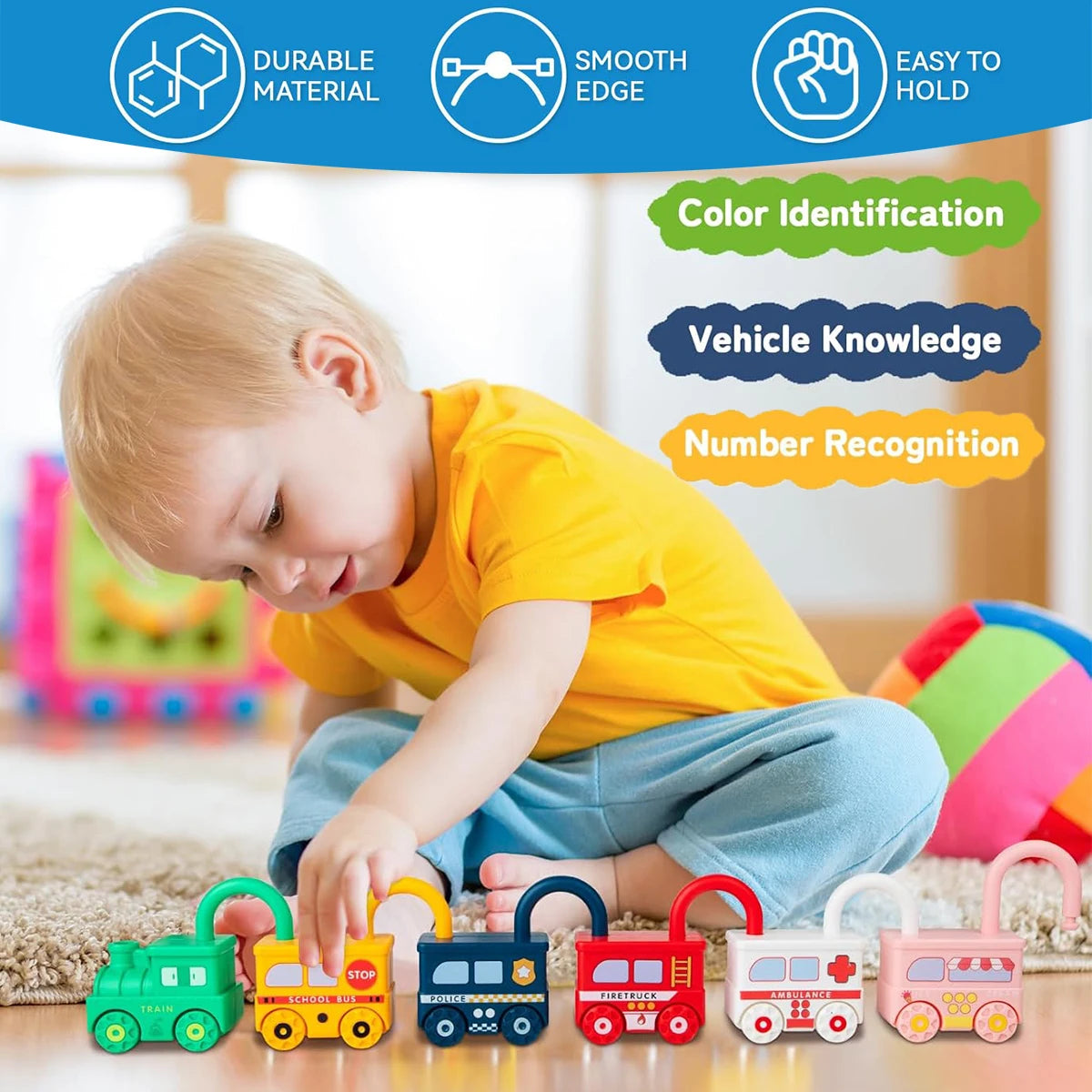
See it in action - sensory activities for 3 year olds / sensory play ideas for toddlers learning, toddler low attention span activities, toddlers uninterested in learning toys, best hands on learning activities preschoolers
Get yours now — limited stock!
Help your child stay focused and engaged with the Montessori Lock and Key Toy Set before it sells out.
Frequently Asked Questions
What are the best sensory toys for 3 year olds?
The best sensory toys for 3 year olds include tactile toys, sorting games, movement toys, and cause-and-effect toys. The right option depends on whether your child prefers calming exploration, active movement, or problem-solving play.
How do I choose sensory toys for a 3-year-old?
Choose sensory toys based on your child’s interests, developmental goals, and preferred type of sensory input. Look for safe materials, age-appropriate designs, and toys that encourage hands-on interaction.
What sensory activities are best for 3 year olds at home?
Popular sensory activities for 3 year olds at home include water play, texture bins, sorting games, play dough, obstacle courses, and interactive learning toys.
Are sensory toys good for children without sensory processing challenges?
Yes. Sensory toys support normal childhood development by encouraging creativity, motor skills, focus, and exploration in children with different learning styles.
What are the safest materials for sensory toys?
The safest sensory toys use durable, child-safe materials with non-toxic finishes and designs appropriate for a child’s age. Always follow manufacturer safety guidance.
How many sensory toys should a 3-year-old have?
A small collection of high-quality sensory toys is usually more effective than having many options. Rotating a few toys helps maintain interest and encourages deeper play.
What are good cause and effect toys for 3 year olds?
Good cause-and-effect toys include lock-and-key sets, puzzles, matching games, and interactive toys that require children to complete actions and observe results.
Which sensory toys help improve concentration?
Concentration toys for 3 year olds include sorting games, puzzles, matching activities, and hands-on learning toys that require patience and repeated practice.
Pillar Article: Kindergarten montessori curriculum: how to adapt learning for each child
Other Related Articles:
Explore More:





