

Learning toys for 7 year olds: top STEM picks compared
Do learning toys for 7 year olds really keep kids engaged?
Learning toys for 7 year olds can be highly effective when they combine hands-on challenges, creativity, and problem-solving. The best options reduce frustration with unengaging learning toys, prevent boredom, and replace passive screen time with active exploration—helping children build focus, confidence, and essential skills like hand-eye coordination.
Learning toys for 7 year olds: top STEM picks compared
Learning toys for 7 year olds don’t have to mean frustration with unengaging learning toys or watching as children get bored educational toys too quickly. The right STEM picks can replace screen time replacing hands on play while offering fun activities to boost hand eye coordination and real problem-solving skills. Discover clever options that actually keep kids curious, focused, and excited to learn—so which ones truly deliver lasting engagement?
⏱ 5 min read
Ever bought a “learning toy” that your child used once… then never touched again?
You’re not alone. Many parents struggle with children getting bored educational toys quickly, especially when toys feel repetitive or too easy. The result? More screen time replacing hands on play.
Which toys actually keep a 7-year-old engaged and learning? Let’s break it down.
👉 Discover engaging hands-on options that spark real curiosity
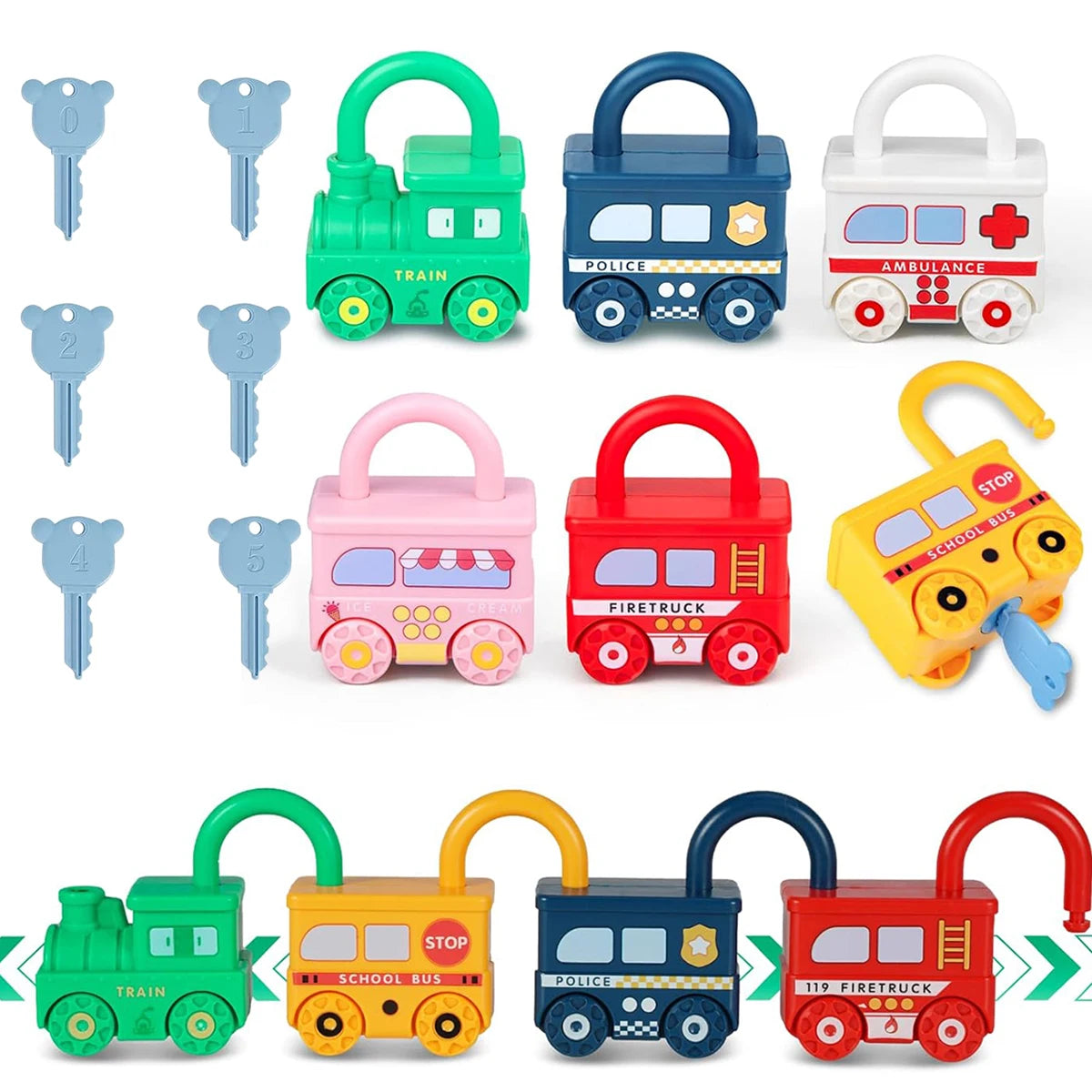
💡 See it in action - learning toys for 7 year olds / frustration with unengaging learning toys, children get bored educational toys, screen time replacing hands on play, activities to boost hand eye coordination
How the best learning toys keep kids engaged longer
The difference between a toy that gets ignored and one that’s used daily comes down to engagement.
- Open-ended play: Multiple ways to use it
- Challenge level: Not too easy, not too hard
- Hands-on interaction: Builds coordination and focus
- Real-world skills: Problem-solving, logic, creativity
Collections like Baby Growth & Learning focus on these principles—helping kids learn through doing, not just watching.
Which learning toys for 7 year olds are worth it?
Learning toys for 7 year olds work best when they combine hands-on challenges, progressive difficulty, and real-world problem-solving. Toys that encourage building, experimenting, and interactive play help reduce boredom while improving focus, creativity, and coordination—making them far more engaging than passive or repetitive options.
| Toy Type | Best For | Engagement Level | Skill Focus | Potential Downsides |
|---|---|---|---|---|
| Building Kits | Creative kids | High | Problem-solving, design | Can be complex |
| Science Experiment Kits | Curious learners | Medium-High | Critical thinking | Messy setup |
| Puzzle-Based Toys | Logical thinkers | Medium | Focus, patience | Limited replay |
| Hands-On Skill Toys | Active learners | Very High | Hand-eye coordination | Needs guidance initially |
Detailed comparison: pros and cons parents should know
1. Building Kits
Why parents love them:
- Encourage creativity and independence
- Keep kids engaged for longer sessions
Drawbacks:
- Some kits can frustrate beginners
2. Science Kits
Why they work:
- Turn learning into exciting experiments
- Introduce real-world STEM concepts
Challenges:
- Setup and cleanup can be time-consuming
3. Puzzle Toys
Benefits:
- Improve concentration and patience
- Great for quiet time
Limitations:
- Kids may lose interest after solving once
4. Hands-On Skill Toys (Top Pick)
Why they stand out:
- Direct interaction keeps kids engaged
- Excellent for activities to boost hand eye coordination
- Great alternative to screen time replacing hands on play
One standout option is the Montessori lock and key toy set, designed to challenge kids with real-world problem-solving tasks.
👉 Learn how to choose the right toy for your child’s learning style
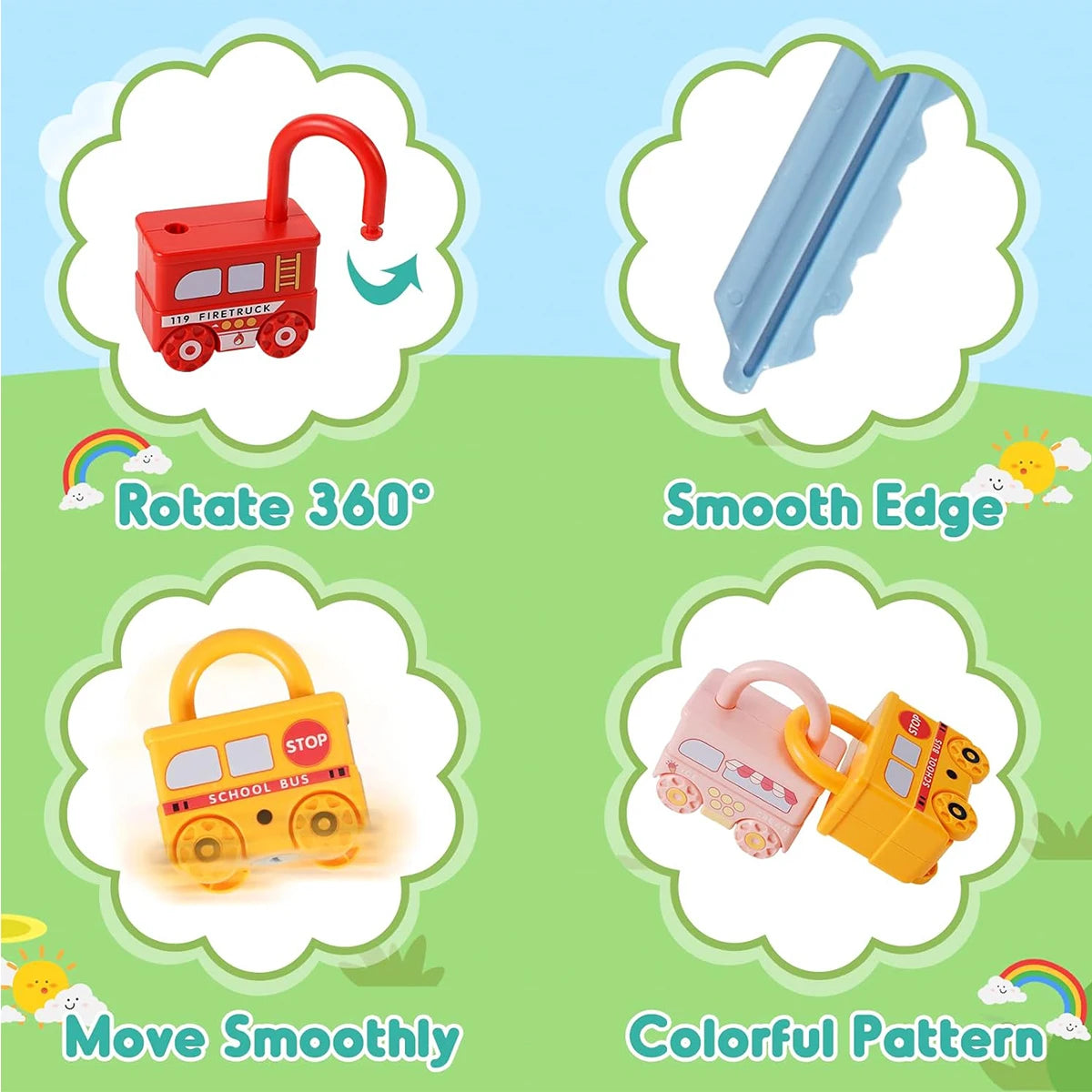
💡 See it in action - learning toys for 7 year olds / frustration with unengaging learning toys, children get bored educational toys, screen time replacing hands on play, activities to boost hand eye coordination
How to choose learning toys your child won’t get bored of
-
Match difficulty to skill level
Too easy = boredom. Too hard = frustration. -
Look for interactive elements
Hands-on toys outperform passive ones every time. -
Prioritize replay value
Toys should offer new challenges over time. -
Encourage independence
Kids should be able to explore without constant help.
Explore more options in Sensory Toys to support active learning experiences.
Why hands-on play beats screen time for 7-year-olds
Many parents worry about screen time replacing hands on play—and for good reason.
- Hands-on toys improve motor skills
- They boost problem-solving ability
- They encourage longer attention spans
- They create meaningful learning moments
Real parent insight:
“We switched from tablet games to hands-on toys, and the difference was immediate—our child stayed focused longer and actually enjoyed learning again.”
For even more structured learning tools, browse Baby Growth & Learning Tips.
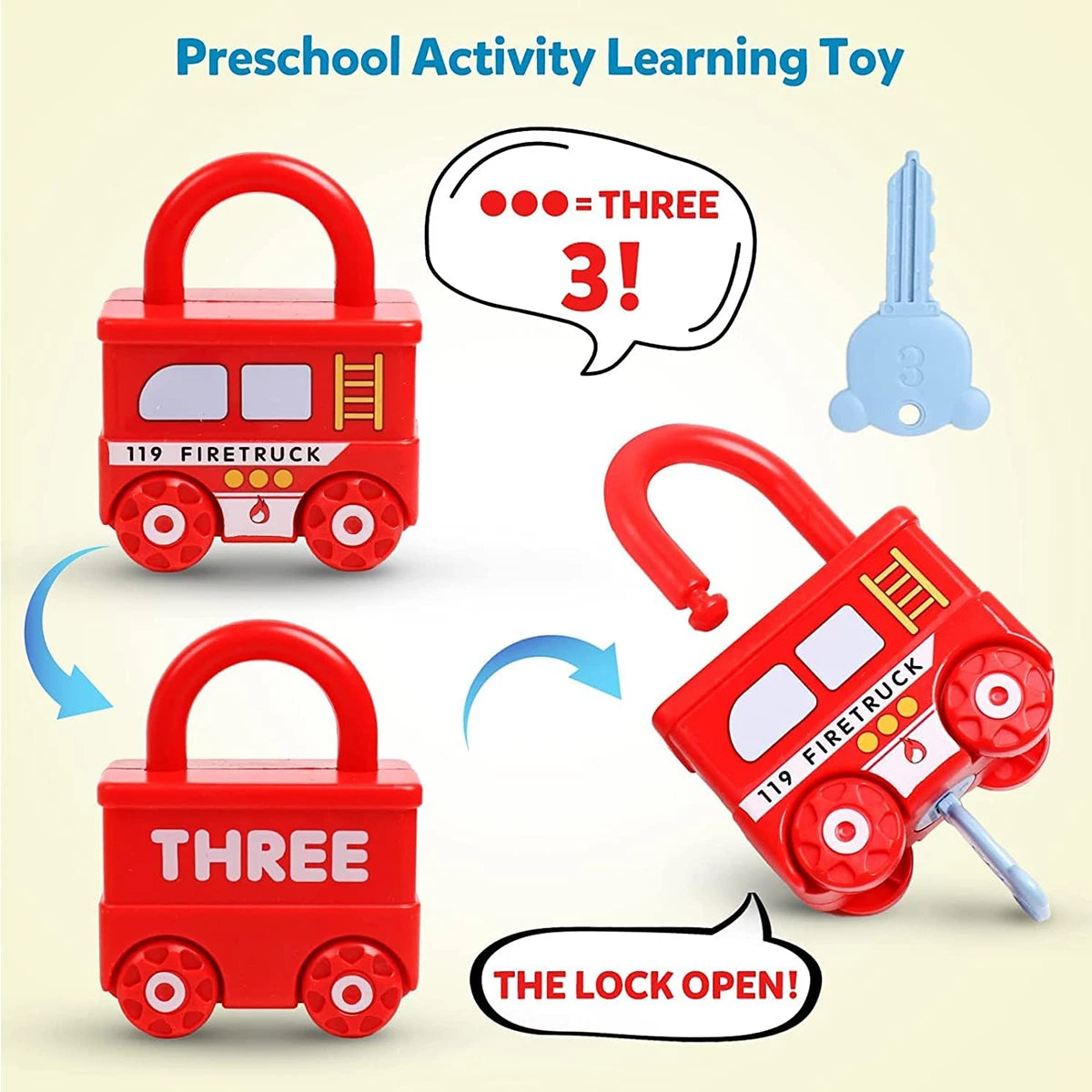
💡 See it in action - learning toys for 7 year olds / frustration with unengaging learning toys, children get bored educational toys, screen time replacing hands on play, activities to boost hand eye coordination
Final thoughts: which toy is right for your child?
There’s no one-size-fits-all answer—but the best learning toys for 7 year olds share one thing: they keep kids actively engaged.
If you’re tired of frustration with unengaging learning toys, focus on options that combine challenge, interaction, and real-world skills.
👉 Get yours now — limited stock!
Frequently Asked Questions
What are the best learning toys for 7 year olds?
The best options are hands-on STEM toys that encourage problem-solving, creativity, and interaction. Building kits, skill-based toys, and experiment kits are among the most engaging choices.
Why do children get bored with educational toys?
Many toys lack challenge or variety. Kids lose interest when toys are too simple, repetitive, or passive.
How can I reduce screen time effectively?
Introduce engaging hands-on toys that offer similar excitement. Interactive challenges naturally replace digital entertainment.
Which toys improve hand-eye coordination?
Toys that involve manipulating objects—like locks, puzzles, or building kits—are excellent for improving coordination and fine motor skills.
Pillar Article: Best educational toys for preschool: Top picks compared 2026
Other Related Articles:
- Toy cars and trains: best educational sets compared
- Toy lock and key: best learning sets compared
- How to improve hand eye coordination: tools compared
- Sensory play for one year olds: best kits compared
Explore More:





