

Toy lock and key: best learning sets compared
Does a toy lock and key really help toddlers learn?
A toy lock and key helps toddlers build fine motor skills, hand-eye coordination, and early problem-solving by practicing real-world actions like inserting, turning, and matching. A well-designed montessori lock and key toy set encourages independent play, focus, and confidence while keeping little hands engaged without screens.
Toy lock and key: best learning sets compared
⏱ 6 min read
Toy lock and key sets do more than entertain—they sharpen fine motor skills, logic, and independence in minutes. From a montessori lock and key toy set to a toddler lock and key learning toy, today’s designs blend play with real-world problem solving. Parents love options like a safe plastic lock toy for kids and an interactive unlocking toy for toddlers education that keep little hands busy without screens. But which sets actually deliver lasting value and engagement?
Which one fits your child’s stage best? Keep reading to find out.
👉 Discover more hands-on learning tools in Baby Growth & Learning
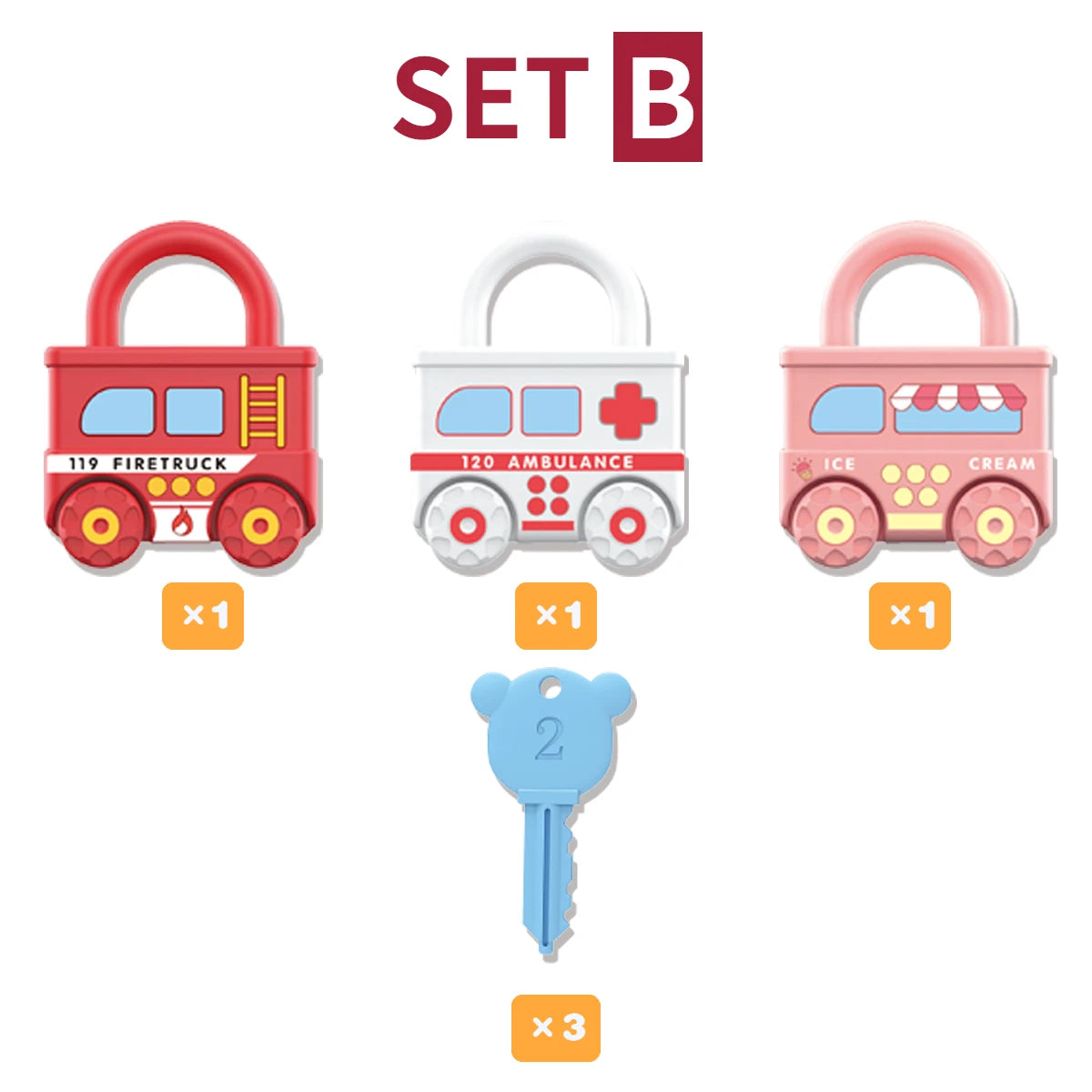
💡 See it in action - toy lock and key / montessori lock and key toy set, toddler lock and key learning toy, safe plastic lock toy for kids, interactive unlocking toy for toddlers education
Why toy lock and key sets build real skills fast
Parents often worry about screen time, short attention spans, and toys that lose appeal after a day. A toddler lock and key learning toy solves all three.
- Fine motor development: Turning keys strengthens finger control
- Problem-solving: Matching keys to locks builds logic
- Focus: Repetitive unlocking creates calming concentration
- Independence: Kids learn “I can do it myself” moments
Unlike passive toys, an interactive unlocking toy for toddlers education encourages trial and error—one of the most effective ways young children learn.
Side-by-side comparison of popular toy lock and key sets
| Type | Material | Skill Level | Best For | Pros | Cons |
|---|---|---|---|---|---|
| Montessori wooden board | Wood + metal locks | Beginner–Intermediate | Structured learning | Durable, realistic | Heavier |
| Plastic lock box | Safe plastic | Beginner | Younger toddlers | Lightweight, colorful | Less realistic feel |
| Busy board with locks | Mixed materials | Intermediate | Multi-skill play | Variety of activities | Can overwhelm younger kids |
| Key matching puzzle | Plastic/wood | Beginner | Color + shape learning | Simple, engaging | Limited challenge |
This comparison shows why not all lock toys are equal—some focus on simplicity, while others provide deeper developmental value.
Types of toy lock and key sets explained
1. Montessori lock and key toy set for structured learning
A montessori lock and key toy set focuses on real-life skills. Kids practice unlocking different mechanisms like latches, hooks, and padlocks.
These sets are ideal if you want purposeful, distraction-free play.
2. Safe plastic lock toy for kids (lightweight and beginner-friendly)
Perfect for younger toddlers, these sets use rounded edges and bright colors. They’re easy to handle and reduce frustration.
3. Interactive unlocking toy for toddlers education
These combine locks with doors, compartments, or surprises inside—adding excitement and curiosity.
4. Hybrid busy boards with locks
Busy boards mix locks with zippers, buttons, and switches. Great for variety, but best for slightly older toddlers.
👉 Learn how to choose the safest options in Health & Safety
How to choose the right toy lock and key set for your toddler
Not every toy fits every child. Here’s a simple way to decide:
- Check age compatibility: Under 2? Choose simple plastic sets
- Look for safety features: Smooth edges, non-toxic materials
- Match skill level: Too easy = boredom, too hard = frustration
- Consider portability: Great for travel or quiet time
- Choose engagement style: Simple unlocking vs multi-activity boards
For balanced development, many parents pair lock toys with items from Sensory Toys to expand learning through touch and exploration.
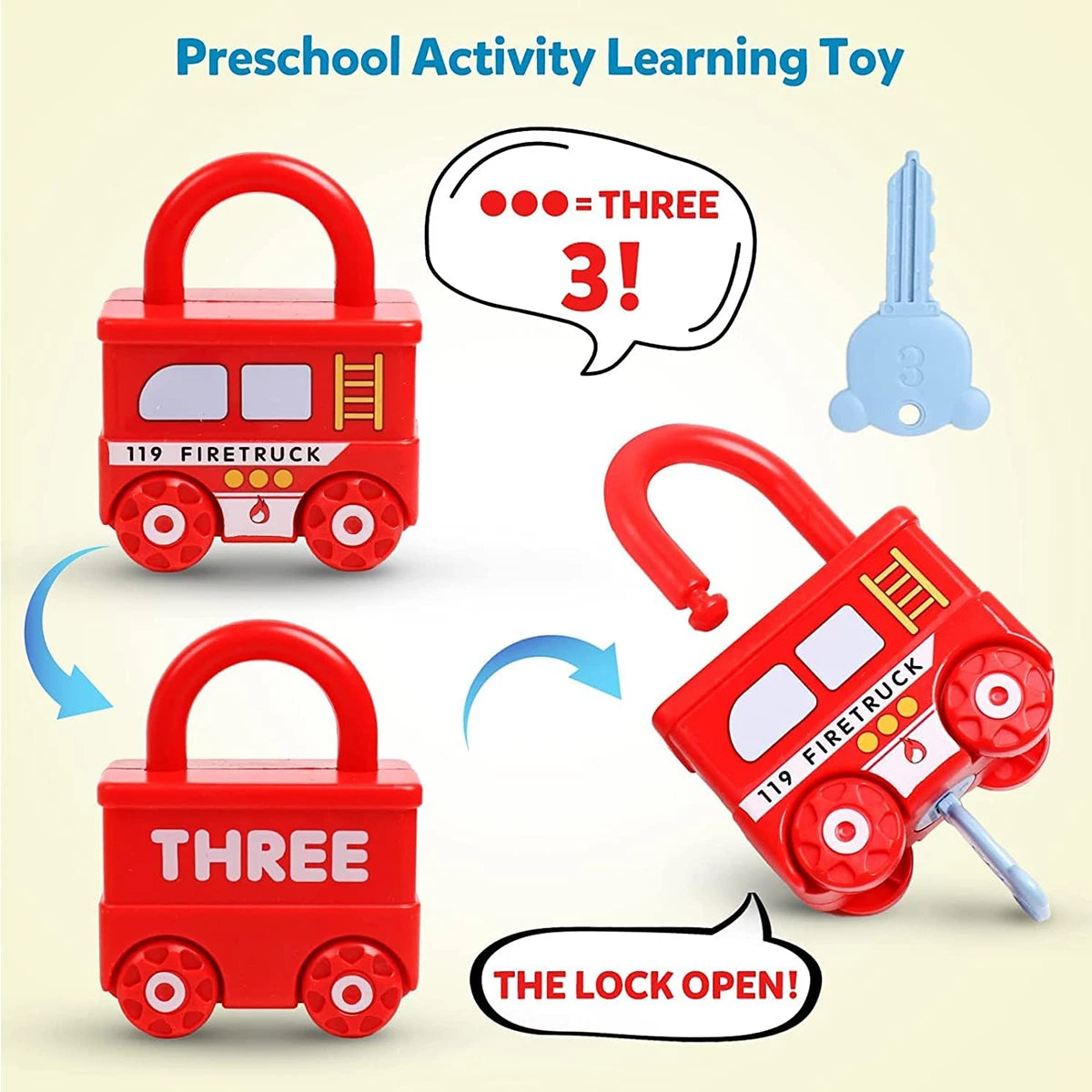
💡 See it in action - toy lock and key / montessori lock and key toy set, toddler lock and key learning toy, safe plastic lock toy for kids, interactive unlocking toy for toddlers education
What real parents say about toy lock and key sets
Parents consistently highlight three benefits:
- “My toddler stays focused for 20+ minutes without screens.”
- “It improved her hand coordination within weeks.”
- “Perfect quiet-time activity during travel or errands.”
Some note that simpler sets are best at first, then gradually upgrading to more complex designs keeps kids engaged longer.
Pairing with tools from Mobility & Training can further support independence and coordination milestones.
Best overall pick for everyday learning
A toy lock and key set stands out when it combines safety, durability, and progressive challenges. The best options offer multiple lock types, smooth edges, and engaging designs that grow with your child’s skills—making them a reliable choice for daily developmental play.
If you want a balanced option that blends learning and fun, explore this carefully designed set:
👉 Montessori lock and key toy set
- Multiple lock styles for progressive learning
- Safe, child-friendly materials
- Encourages independent exploration
- Designed for repeated daily use
This type of set works well for both beginners and growing toddlers who need new challenges over time.
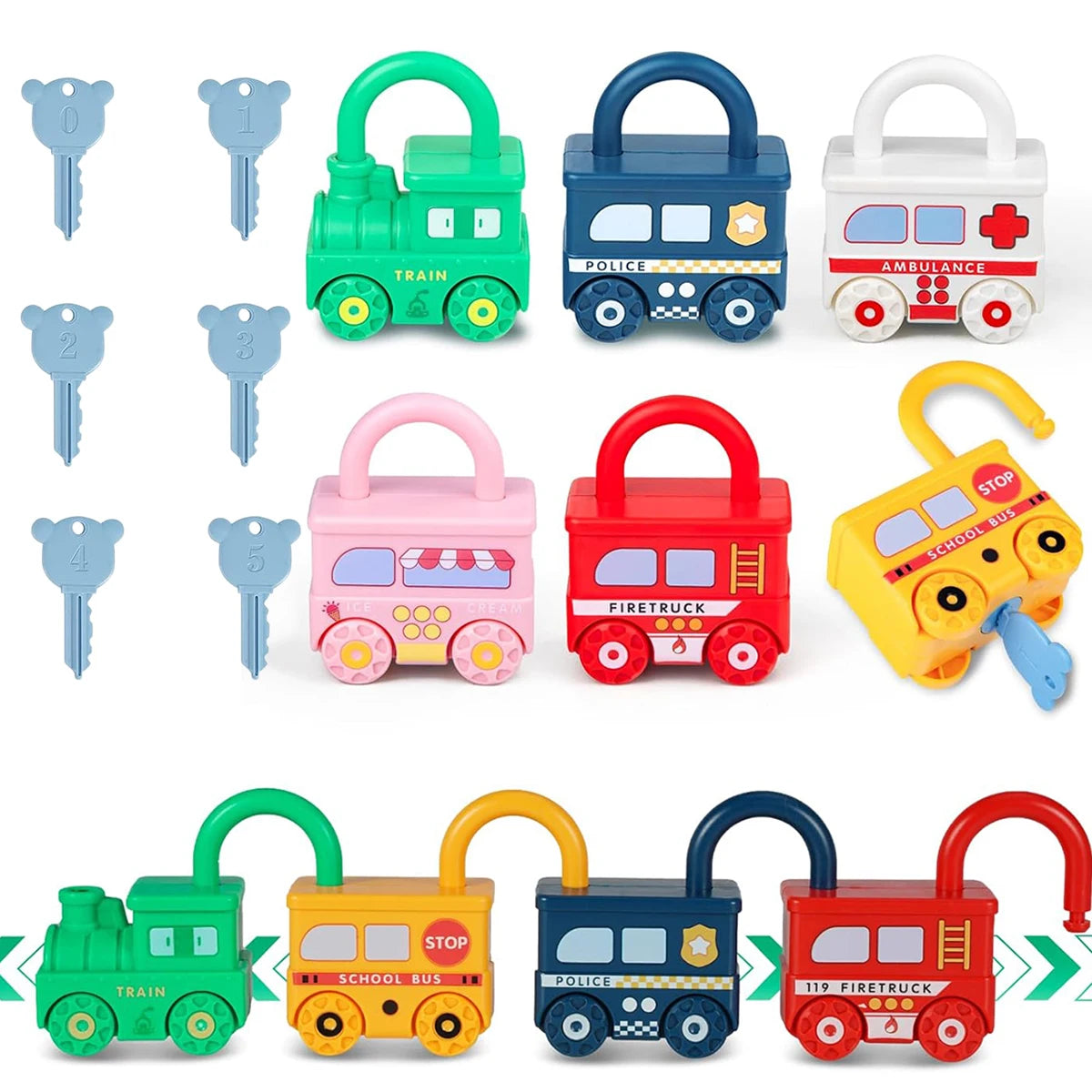
💡 See it in action - toy lock and key / montessori lock and key toy set, toddler lock and key learning toy, safe plastic lock toy for kids, interactive unlocking toy for toddlers education
👉 Get yours now — limited stock!
Shop the Montessori lock and key toy set
FAQs
What age is best for a toy lock and key?
Most toddlers can start using a toy lock and key around 12–18 months with simple designs. More complex sets are ideal for ages 2–4 as coordination and problem-solving skills develop.
Are plastic lock toys safe for toddlers?
Yes, a safe plastic lock toy for kids is designed with rounded edges and non-toxic materials. Always check for quality construction and avoid small detachable parts.
How does a lock toy support development?
It improves fine motor skills, hand-eye coordination, and logical thinking. Repeated unlocking actions also build patience and focus.
Should I choose wood or plastic?
Wood offers durability and realism, while plastic is lighter and better for younger toddlers. Many parents start with plastic and transition to wooden sets later.
How long do toddlers stay interested?
High-quality sets with multiple locks can stay engaging for months, especially when rotated with other toys from Baby Growth & Learning.
Pillar Article: Best educational toys for preschool: Top picks compared 2026
Other Related Articles:
- Toy cars and trains: best educational sets compared
- How to improve hand eye coordination: tools compared
- Learning toys for 7 year olds: top STEM picks compared
- Sensory play for one year olds: best kits compared
Explore More:





