

Kindergarten montessori curriculum: how to adapt learning for each child
Does kindergarten montessori curriculum adapt to each child?
Kindergarten montessori curriculum adapts to each child by focusing on self-paced, hands-on learning tailored to individual interests and developmental stages. It blends independence, sensory exploration, and structured freedom, helping children build confidence, focus, and real-world skills through personalized activities that evolve with their unique growth.
Kindergarten montessori curriculum: how to adapt learning for each child
Kindergarten montessori curriculum offers a flexible, child-led way to unlock real learning potential from day one. By combining the montessori method for early childhood learning with best hands on learning activities preschoolers love, it nurtures focus, independence, and confidence. You’ll also discover practical tips for encouraging independent play toddlers and how educational toy sets for early childhood development can transform everyday routines. Curious how to tailor this approach to your child’s unique pace and personality?
⏱ 9 min read
Ever feel like your child learns differently than others—and typical methods just don’t click? You're not alone. Many parents struggle with rigid learning systems that ignore individuality. What if learning could actually follow your child instead of forcing them to keep up?
Which approach truly fits your child’s pace and personality? Read on!
👉 Discover the safest toys for your baby
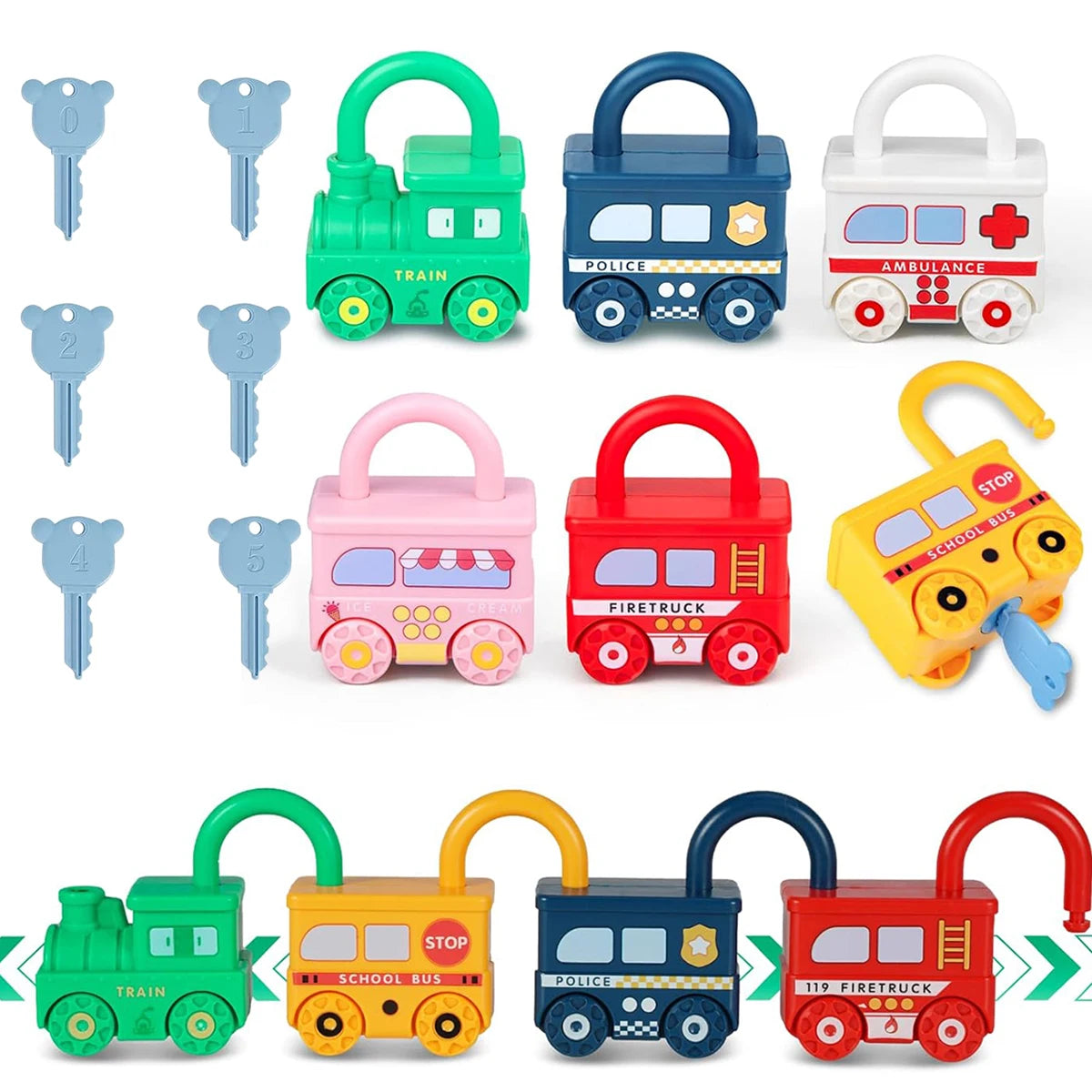
💡 See it in action - kindergarten montessori curriculum / montessori method for early childhood learning, tips for encouraging independent play toddlers, best hands on learning activities preschoolers, educational toy sets for early childhood development
What is kindergarten montessori curriculum?
Kindergarten montessori curriculum is a child-centered approach that emphasizes independence, hands-on learning, and respect for a child’s natural development. Instead of rigid lessons, children choose activities based on interest while teachers guide gently.
- Focuses on practical life skills
- Encourages sensory exploration
- Promotes self-discipline and curiosity
- Adapts to individual learning speed
Unlike traditional classrooms, children aren’t rushed. They repeat activities until mastery, building confidence naturally.
Why children thrive with personalized learning
Every child is different. Some are visual learners, others hands-on explorers. A one-size-fits-all system often creates frustration, boredom, or pressure.
Montessori learning removes that stress by focusing on:
- Freedom within structure
- Self-paced progress
- Real-world skill development
- Intrinsic motivation
Parents often notice fewer meltdowns, better focus, and stronger independence when switching to this approach.
Explore tools that support growth in Baby Growth & Learning.
How to adapt learning for each child
1. Observe before guiding
Watch how your child interacts with toys and tasks. Do they prefer building, sorting, or storytelling? Observation reveals their natural interests.
2. Create a prepared environment
Set up accessible, organized spaces with child-sized tools. Keep materials simple and inviting.
3. Offer choices
Instead of directing, provide options. This builds decision-making skills and ownership.
4. Adjust difficulty gradually
Too easy leads to boredom. Too hard causes frustration. Keep challenges just right.
5. Use real-life tasks
Simple activities like pouring, folding, or sorting develop coordination and independence.
👉 Learn step-by-step how to choose the right baby gear
Best hands on learning activities preschoolers love
Children learn best by doing. Hands-on activities help build both cognitive and motor skills.
- Sorting objects by size or color
- Building with blocks
- Simple puzzles
- Water pouring exercises
- Lock-and-key matching games
Try the montessori lock and key toy set to develop fine motor skills and problem-solving abilities in a fun, engaging way.
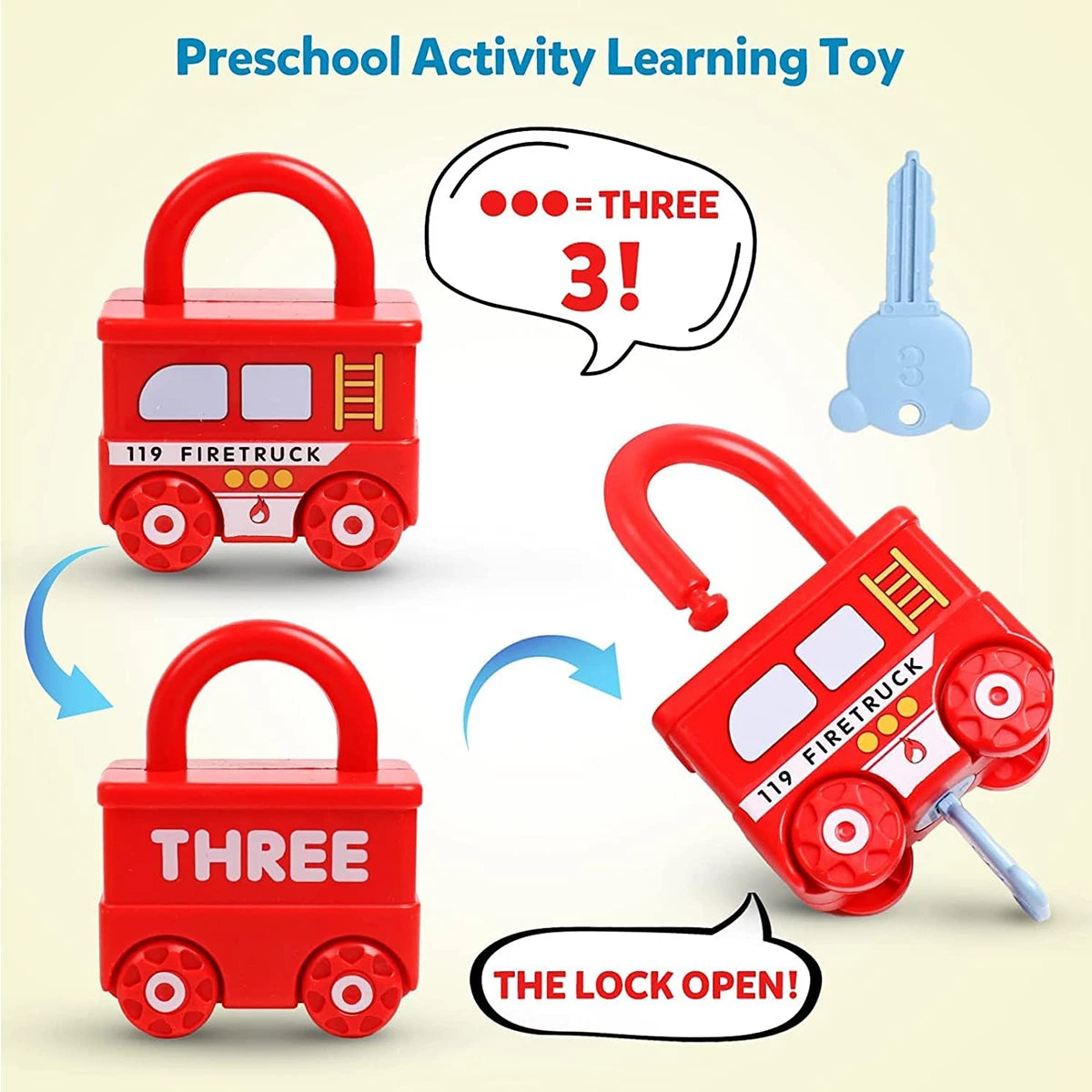
💡 See it in action - kindergarten montessori curriculum / montessori method for early childhood learning, tips for encouraging independent play toddlers, best hands on learning activities preschoolers, educational toy sets for early childhood development
| Activity | Skill Developed | Age Suitability |
|---|---|---|
| Sorting games | Logic & classification | 2-4 years |
| Lock & key toys | Fine motor skills | 3-5 years |
| Water pouring | Coordination | 2-4 years |
Tips for encouraging independent play toddlers
Independent play is essential—but many parents struggle with clingy behavior or constant interruptions.
- Start with short play sessions (10–15 minutes)
- Rotate toys to keep interest fresh
- Avoid interrupting focused play
- Use open-ended toys
- Celebrate effort, not results
Support independence with tools from Sensory Toys that spark curiosity and engagement.
Choosing the right educational toy sets
Not all toys support development equally. The right ones encourage exploration, not passive play.
What to look for:
- Simple design (no overwhelming lights or sounds)
- Encourages problem-solving
- Safe, durable materials
- Multi-use functionality
What to avoid:
- Overly complex toys
- Single-purpose gadgets
- Screen-based distractions
Browse more options in Baby Growth & Learning.
Real-life success stories
Emma, mom of a 4-year-old: “Switching to Montessori-style learning reduced tantrums dramatically. My son now plays independently for 30 minutes straight.”
David, preschool teacher: “Children using hands-on materials show better focus and problem-solving skills compared to traditional methods.”
Lisa, first-time parent: “The lock-and-key toy became our daily routine. My daughter loves solving it again and again.”
Before vs After Montessori approach
| Before | After |
|---|---|
| Short attention span | Improved focus |
| Frequent frustration | Increased confidence |
| Dependent behavior | Independent play |
Support a calm and structured routine with essentials from Sleep & Comfort.
How this approach makes parenting easier every day
Montessori isn’t just about learning—it simplifies parenting.
- Less screen time battles
- More self-directed play
- Reduced stress for parents
- Stronger parent-child connection
Pair your learning setup with practical tools from Baby Care Essentials.
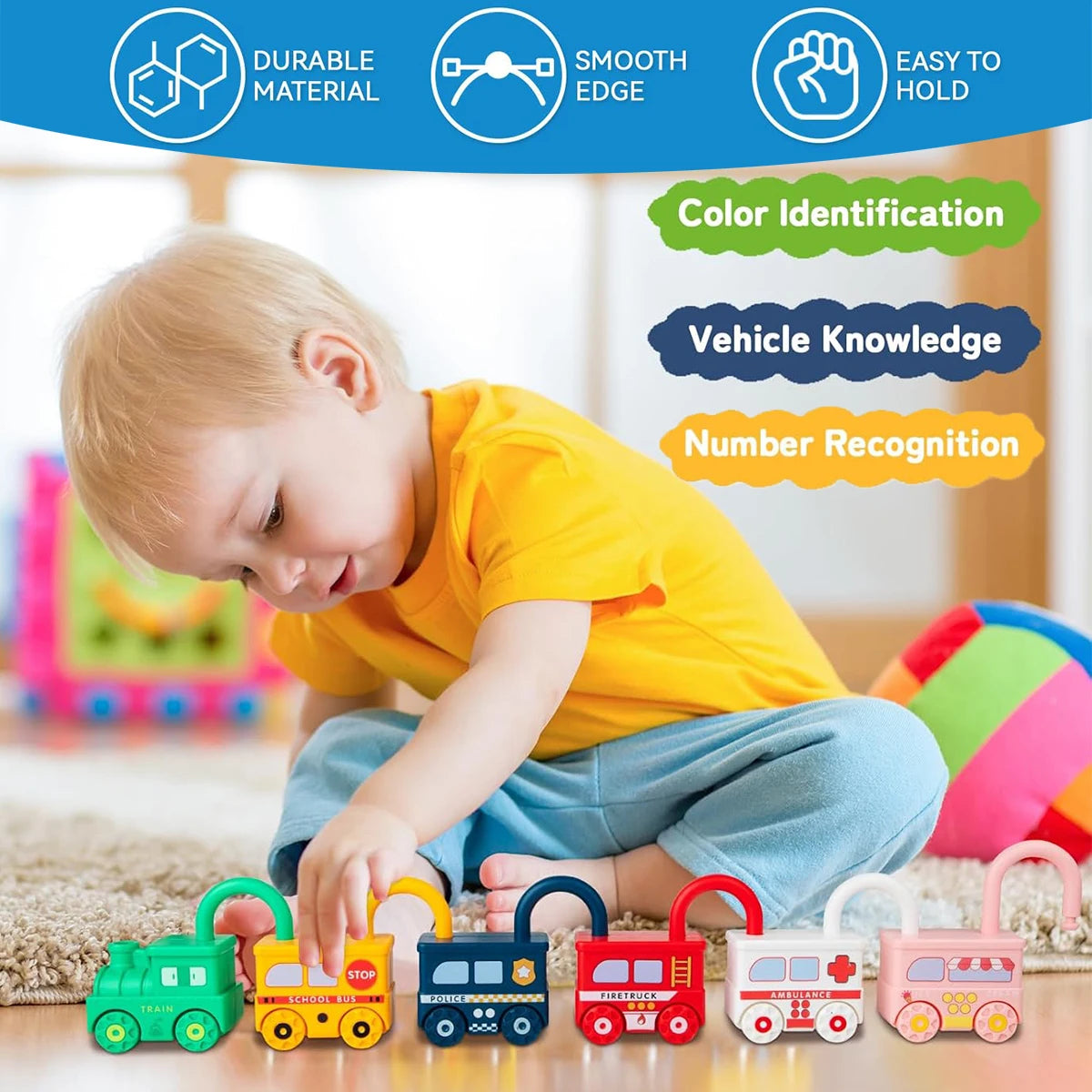
💡 See it in action - kindergarten montessori curriculum / montessori method for early childhood learning, tips for encouraging independent play toddlers, best hands on learning activities preschoolers, educational toy sets for early childhood development
👉 Get yours now — limited stock!
FAQs
What age is best to start Montessori learning?
Children can begin as early as toddler age. The earlier they start, the easier it is to build independence and curiosity.
Can I apply Montessori at home?
Yes. Simple changes like organized spaces, child-sized tools, and hands-on toys make a big difference.
Do Montessori toys really help development?
Yes. They encourage problem-solving, fine motor skills, and independent thinking without overstimulation.
How long should kids engage in independent play?
Start with 10–15 minutes and gradually increase as your child becomes more comfortable and focused.
Related Articles:
- Sensory activities for 3 year olds: best setups for calm or active kids
- Educational toys for 8 year olds: best fits for different learning styles
Pillar Articles:





