

Screen Free Activities Kids Actually Want to Do
Screen free activities: Fun, Easy Ideas to Keep Kids Learning Without Screens
⏱ 8 min read — Looking for ways to reduce screen time without hearing "I'm bored" every few minutes? Screen free activities help children stay active, build creativity, strengthen problem-solving skills, and enjoy meaningful family time. Whether you have five minutes or an entire afternoon, simple hands-on play can keep toddlers and preschoolers happily engaged while supporting healthy development.
Discover the safest toys for your baby
What are screen free activities and why they matter
Screen free activities are games, creative projects, movement challenges, and everyday experiences that do not rely on televisions, tablets, phones, or computers. Instead of passively watching content, children actively explore, build, imagine, solve problems, and interact with people around them.
Regular screen-free play offers benefits that extend far beyond entertainment:
- Supports language development through conversations and storytelling.
- Encourages creativity and imaginative thinking.
- Builds attention span and problem-solving abilities.
- Promotes healthy movement and physical activity.
- Strengthens family relationships through shared experiences.
- Creates opportunities to practice real-life skills independently.
Children benefit most when screen-free activities become part of everyday routines rather than occasional replacements for digital entertainment. Mixing active play, quiet play, outdoor exploration, and creative projects keeps children interested while naturally reducing overall screen time.
Small daily moments of hands-on play often have a bigger long-term impact than hours spent in front of a screen.
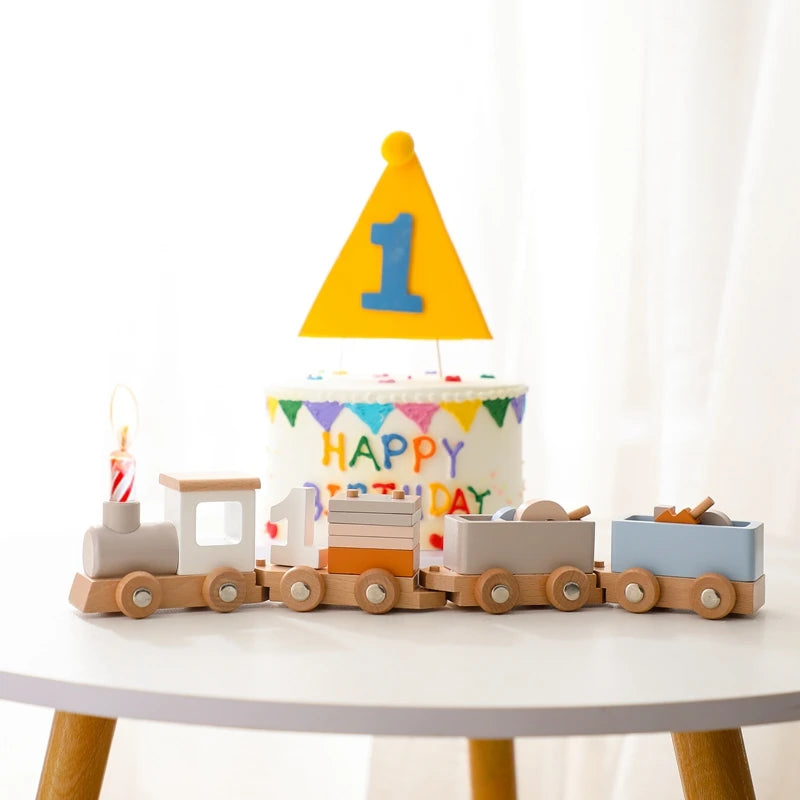
Screen-free activities encourage hands-on learning and creative play.
How to choose the right screen free activity
The best activity depends on your child's age, interests, available time, and your daily schedule.
Choose by age
- Toddlers: Sensory bins, stacking, simple pretend play, and movement games.
- Preschoolers: Arts and crafts, building challenges, STEM experiments, and role-playing.
- Older children: Board games, beginner science projects, journaling, and creative construction.
Choose by available time
- 5 minutes before dinner
- 15 minutes after school
- 30-minute family projects
- Long independent play sessions on weekends
Choose by learning goal
If your goal is creativity, choose drawing or pretend play. For early learning, activities like sorting, counting, and puzzles work well. If your child needs more movement, obstacle courses and scavenger hunts are excellent choices.
Choose by materials
Many creative play ideas require little preparation. Household items like cardboard boxes, paper cups, recycled containers, measuring spoons, pillows, and blankets can become engaging learning tools.
Screen free activities for toddlers
Toddlers learn best through short, hands-on experiences that involve movement, exploration, and repetition.
Sensory play
- Water pouring stations
- Rice or pasta sensory bins
- Play dough creations
- Texture exploration with fabric and natural materials
Movement games
- Animal walks
- Dance and freeze games
- Soft ball rolling
- Simple indoor obstacle courses
Simple pretend play
Kitchen play, grocery stores, tea parties, and caring for dolls help toddlers develop language while practicing social interactions.
Everyday household activities
Invite toddlers to sort socks, match containers with lids, wipe tables, or help prepare simple snacks. These practical tasks build confidence while encouraging independence.
Parents looking for additional inspiration may also enjoy our guides on Fine motor skill activities and Sensory play ideas .
Learn step-by-step how to choose the right baby gear
Screen free activities for preschoolers
Preschoolers thrive when activities encourage curiosity, imagination, and independent thinking.
Creative arts
- Painting with everyday objects
- Collage making
- Paper crafts
- Nature-inspired artwork
STEM exploration
- Build simple towers
- Test which objects float
- Create marble ramps
- Experiment with magnets
Continue learning with Math interactive tools , Hands-on math activities for preschoolers , and STEM activities for preschoolers .
Pretend play
Role-playing as veterinarians, firefighters, teachers, or astronauts encourages communication, empathy, and creative thinking.
Find more inspiration in Role play ideas for preschoolers .
Early learning games
- Alphabet hunts
- Number matching
- Pattern building
- Memory games
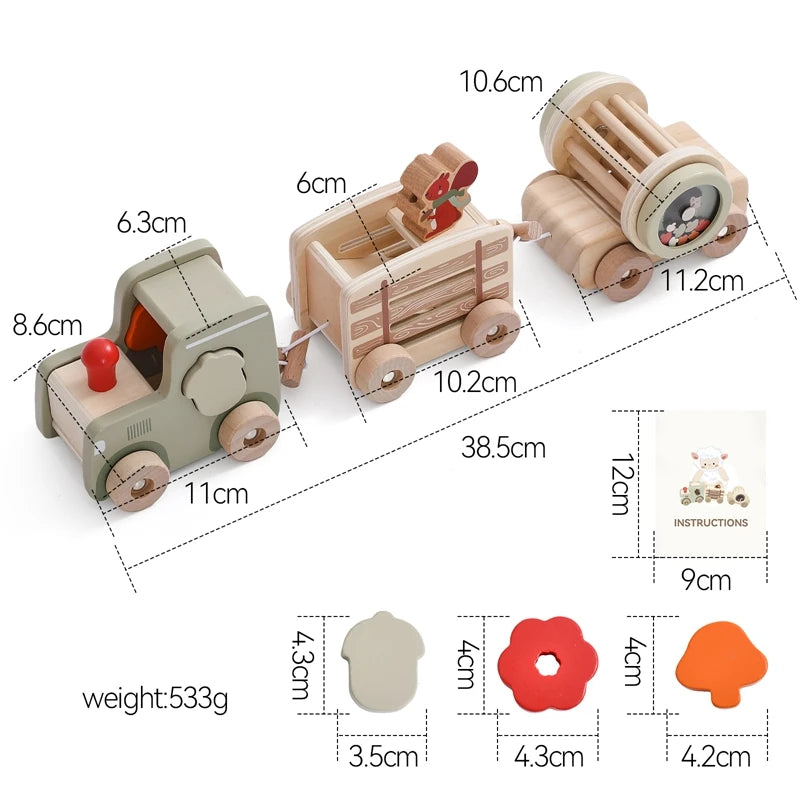
Creative play encourages curiosity, imagination, and independent learning.
Indoor screen free activities at home
Rainy weather or hot afternoons don't have to mean extra screen time.
Rainy day ideas
- Treasure hunts
- Indoor camping
- Cardboard box forts
- Pillow obstacle courses
Family games
- Board games
- Charades
- Simon Says
- Scavenger hunts
Building challenges
Construction toys help children think critically while strengthening creativity. A wooden train toy for kids encourages children to connect pieces, create stories, and practice coordinated movement during imaginative play.
Families interested in construction activities can also explore How to build magnetic blocks and Best magnetic tiles for kids .
Reading and storytelling
Read together, invent alternate endings, or encourage children to create their own stories using toys and stuffed animals.
Quick screen free activities by time available
5-minute activities
- Dance party
- Stretching challenge
- I Spy
- Drawing prompt
15-minute activities
- Simple craft
- Play dough challenge
- Mini scavenger hunt
- Sorting game
30-minute projects
- Build a cardboard city
- Create homemade puppets
- Bake together
- Nature art project
Long independent play
- Building blocks
- Pretend restaurants
- Dress-up boxes
- Reading corner
Activity ideas by developmental goal
Creativity
- Open-ended art
- Storytelling
- Music making
Fine and gross motor skills
- Cutting paper
- Threading beads
- Ball games
- Obstacle courses
Social skills
- Cooperative games
- Pretend shops
- Family cooking
Real-life learning
- Gardening
- Cooking
- Sorting laundry
- Simple cleaning routines
Outdoor adventures also provide excellent opportunities for screen-free learning. See our ideas for Outdoor activities for kids .
Tips for reducing screen time without daily battles
Create simple routines
Schedule regular playtimes so children know what to expect instead of relying on screens by default.
Prepare activity stations
Keep puzzles, books, art supplies, and building materials easily accessible.
Offer choices
Giving children two or three activity options helps them feel involved in the decision.
Model healthy habits
Children are more likely to reduce screen time when adults also put away phones during meals, conversations, and family activities.
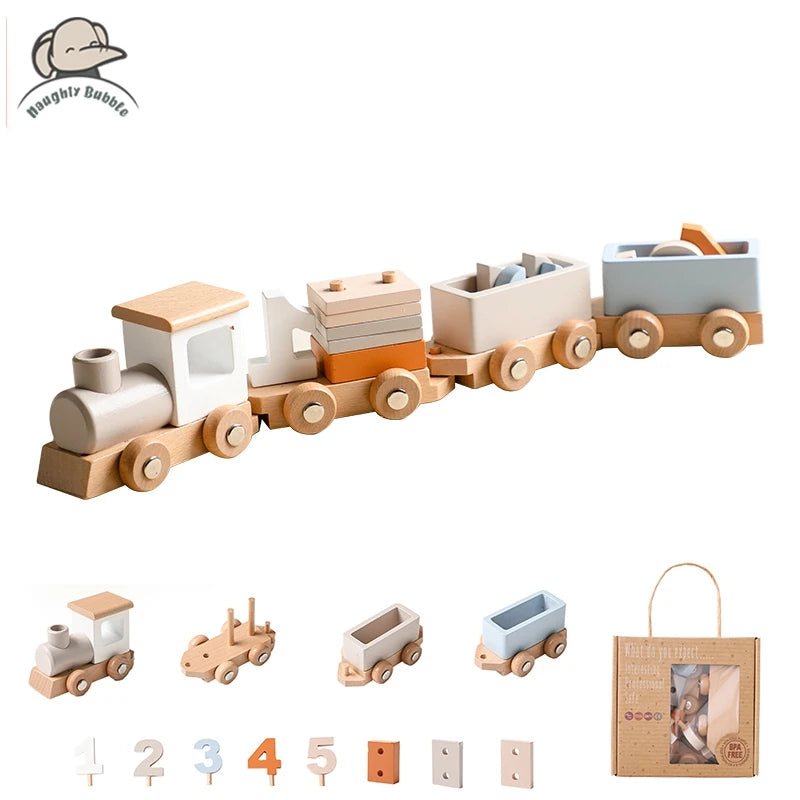
Simple everyday activities help children stay engaged without screens.
Get yours now — limited stock!
FAQs
What are screen free activities?
Screen free activities are games, creative projects, outdoor adventures, and everyday tasks that keep children engaged without using digital devices. They encourage active learning, imagination, movement, and family interaction.
What are the best screen free activities for kids at home?
Popular choices include arts and crafts, building challenges, reading, pretend play, cooking together, puzzles, scavenger hunts, and board games. The best activity depends on your child's interests and age.
What are good screen free activities for toddlers?
Sensory bins, water play, dance games, stacking blocks, simple pretend play, and helping with household tasks are excellent options for toddlers because they match short attention spans while supporting healthy development.
Which screen free activities help preschool learning?
Creative arts, STEM exploration, storytelling, alphabet games, counting activities, pretend play, and construction projects all build school-readiness skills through enjoyable hands-on learning.
How can I reduce my child's screen time without tantrums?
Replace screen time gradually with enjoyable alternatives, establish predictable routines, prepare engaging activities in advance, and offer children choices instead of suddenly removing devices.
How do I keep kids entertained without screens on rainy days?
Create indoor obstacle courses, build forts, play family games, organize treasure hunts, complete craft projects, or enjoy reading and storytelling together.
How much screen time is recommended by experts?
Recommendations vary by age, but most health organizations encourage prioritizing high-quality content, limiting recreational screen use for young children, and balancing digital time with active play, sleep, and face-to-face interaction.
What materials do I need for most screen free activities?
Many activities use everyday household items including paper, crayons, cardboard boxes, tape, recycled containers, measuring cups, blocks, books, blankets, and natural materials collected outdoors.
Related Articles:
- Water play ideas for preschoolers: Simple Setup for Skill Building Fun
- Preschool ideas for 2 year olds: Step-by-Step Home Learning Guide
- Role play ideas for preschoolers: Easy Steps to Create Learning Games
- Fine motor skill activities: Simple Daily Exercises to Build Strength
Pillar Articles:
- educational toys for 2 year olds: Real Parent Reviews & Best Picks Compared
- toys for developing fine motor skills: Best Fit for Different Child Needs
- toys for fine motor skill development: Key Features That Boost Coordination Fast
- educational toys for 4 year olds: Montessori vs Traditional Best Picks





