

Toys for fine motor skill development: key features that actually work
Do toys for fine motor skill development really work?
Toys for fine motor skill development help children strengthen hand muscles, improve finger control, and build coordination through hands-on play. The most effective options use repetitive, goal-based actions like grasping, twisting, and sorting, which can noticeably improve writing readiness, focus, and daily independence within weeks.
Toys for fine motor skill development: key features that actually work
⏱ 7 min read — Toys for fine motor skill development can transform everyday play into meaningful progress. If your child struggles with grip strength, coordination, or focus, the right tools can make a visible difference. But not all toys are created equal—some accelerate development, while others simply entertain. Let’s break down what truly works.
Does your child avoid holding crayons, struggle with buttons, or lose interest quickly during play? These are common signs kids struggle fine motor skills—and they’re more common than most parents think.
Which toy features actually improve coordination and control? Keep reading—you’ll discover what makes the biggest difference.
👉 Discover the safest toys for your baby
Explore hands-on learning tools designed for real developmental progress.
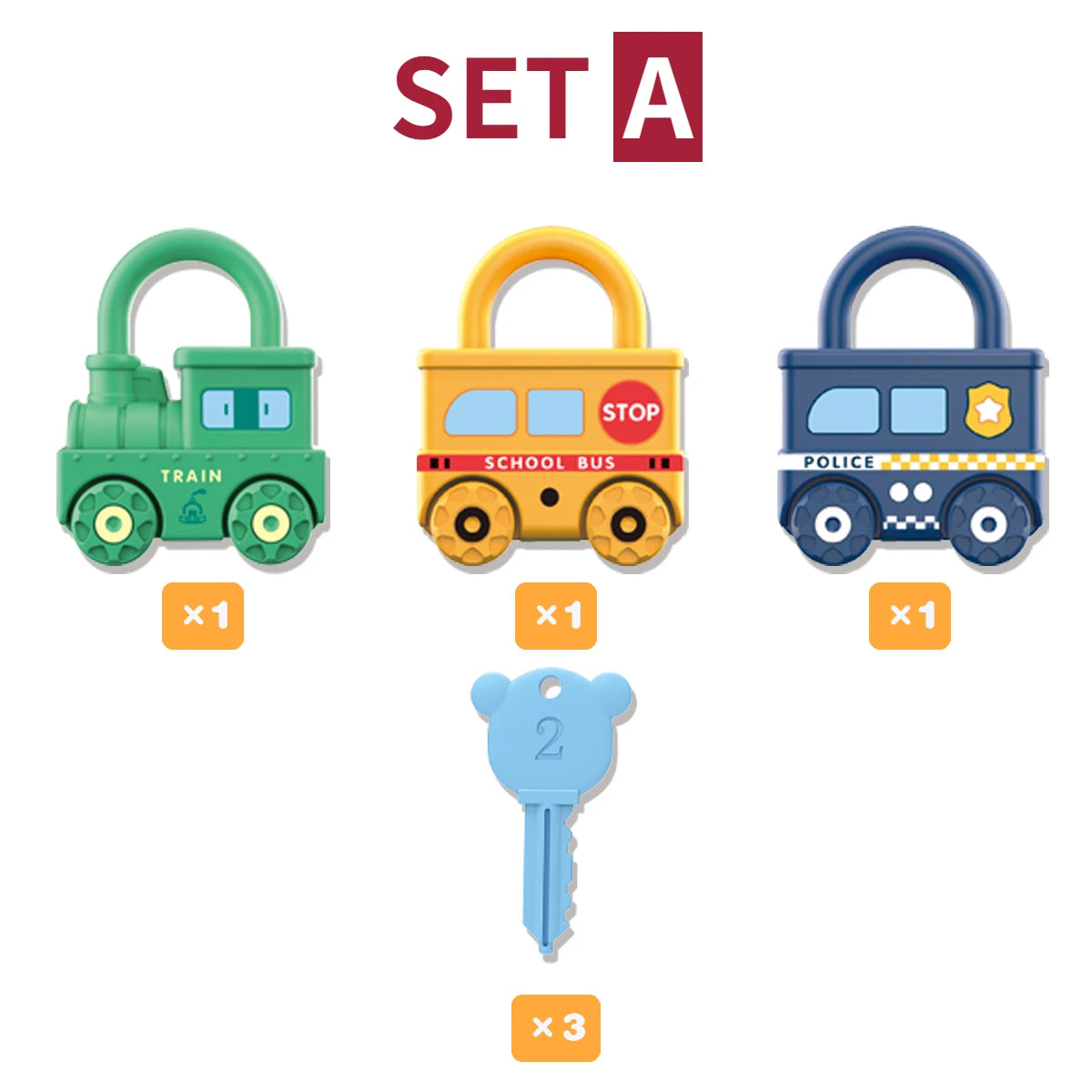
💡 See it in action - toys for fine motor skill development / fine motor skills training toy set, kids struggle fine motor skills, how to improve fine motor skills toddlers, activities to boost hand eye coordination
Why fine motor skills matter for early development
Fine motor skills are the foundation of everyday independence. From holding a spoon to writing letters, these small movements require strength, control, and coordination.
- Better handwriting and pencil control
- Improved focus and attention span
- Greater independence in dressing and feeding
- Stronger hand-eye coordination
Without proper development, children may feel frustrated or avoid tasks entirely. That’s why early support matters.
Explore more tools in Baby Growth & Learning to support developmental milestones.
Key features that actually improve results
1. Repetitive hand movements build strength faster
Toys that encourage repeated actions—like turning keys or opening locks—help strengthen small hand muscles efficiently.
2. Multi-step interaction boosts coordination
Simple toys don’t challenge enough. The best fine motor skills training toy set requires children to think, act, and adjust.
3. Real-world simulation increases engagement
Children learn faster when toys mimic real-life actions like unlocking doors or sorting objects.
4. Sensory feedback enhances learning
Clicking sounds, textures, and movement reinforce actions, helping children understand cause and effect.
- Grasp → turn → unlock sequence improves coordination
- Visual + tactile feedback strengthens memory
- Goal-oriented play increases focus duration
Find more engaging tools in Sensory Toys that combine touch and learning.
How this lock-and-key toy set accelerates fine motor development
Toys for fine motor skill development like lock-and-key sets work by combining grip strength, wrist rotation, and problem-solving. This multi-action approach improves coordination faster than passive toys, helping toddlers gain control, confidence, and independence through structured, hands-on play.
The montessori lock and key toy set stands out because it integrates multiple developmental benefits into one activity.
- Strengthens finger muscles through turning motion
- Improves wrist flexibility and control
- Enhances logical thinking and sequencing
- Encourages independent problem-solving
Unlike basic stacking toys, this approach challenges both the brain and hands simultaneously.
👉 Learn step-by-step how to choose the right baby gear
See why multi-functional toys deliver faster developmental progress.
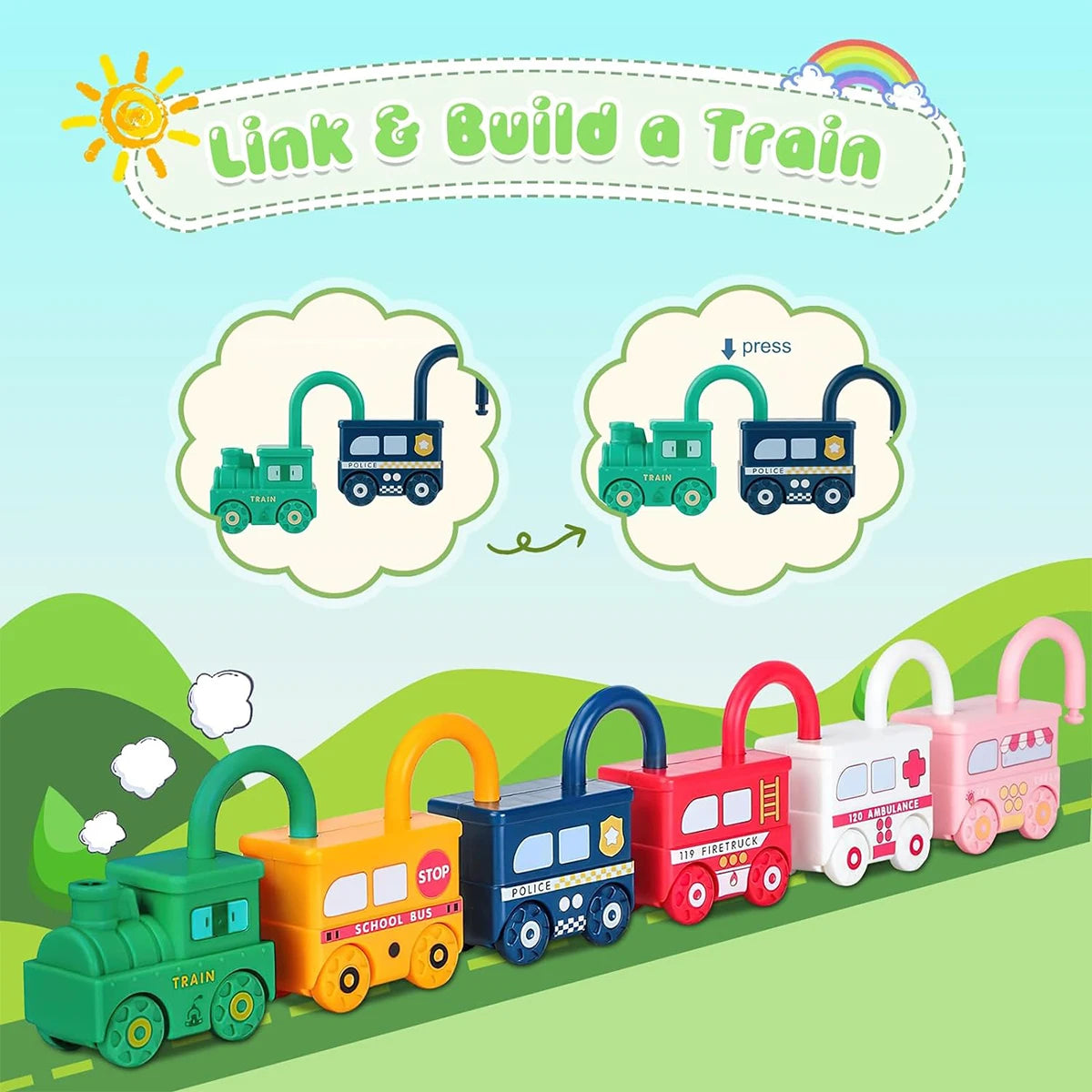
💡 See it in action - toys for fine motor skill development / fine motor skills training toy set, kids struggle fine motor skills, how to improve fine motor skills toddlers, activities to boost hand eye coordination
Comparison of popular fine motor toys
| Toy Type | Skill Focus | Effectiveness | Engagement Level |
|---|---|---|---|
| Stacking Rings | Basic grip | Low | Medium |
| Shape Sorters | Hand-eye coordination | Medium | Medium |
| Bead Mazes | Finger control | Medium | High |
| Lock & Key Sets | Grip + rotation + logic | High | Very High |
Lock-and-key toys consistently outperform simpler options because they combine multiple skill-building actions.
How to improve fine motor skills toddlers at home
- Choose toys that require twisting, pulling, or unlocking
- Encourage daily 10–15 minute focused play sessions
- Rotate toys to maintain curiosity
- Combine play with real-life tasks like dressing or feeding
Pair developmental toys with everyday routines using tools from Feeding Tools to reinforce hand control.
Simple activities to boost hand eye coordination
- Threading beads or large buttons
- Opening and closing containers
- Sorting objects by shape or color
- Using keys and locks in guided play
Consistency matters more than complexity. Even simple daily play creates measurable improvement.
Real parent results and noticeable progress
Parents often notice changes within weeks when using structured toys consistently.
- “My toddler went from avoiding crayons to drawing daily.”
- “Buttoning shirts became easier after just two weeks.”
- “Focus time increased from 3 minutes to 15 minutes.”
These improvements aren’t random—they’re the result of targeted, repetitive motor practice.
The montessori lock and key toy set is especially effective because it naturally encourages repetition without feeling like practice.
For a complete developmental setup, explore Mobility & Training solutions that complement fine motor growth.
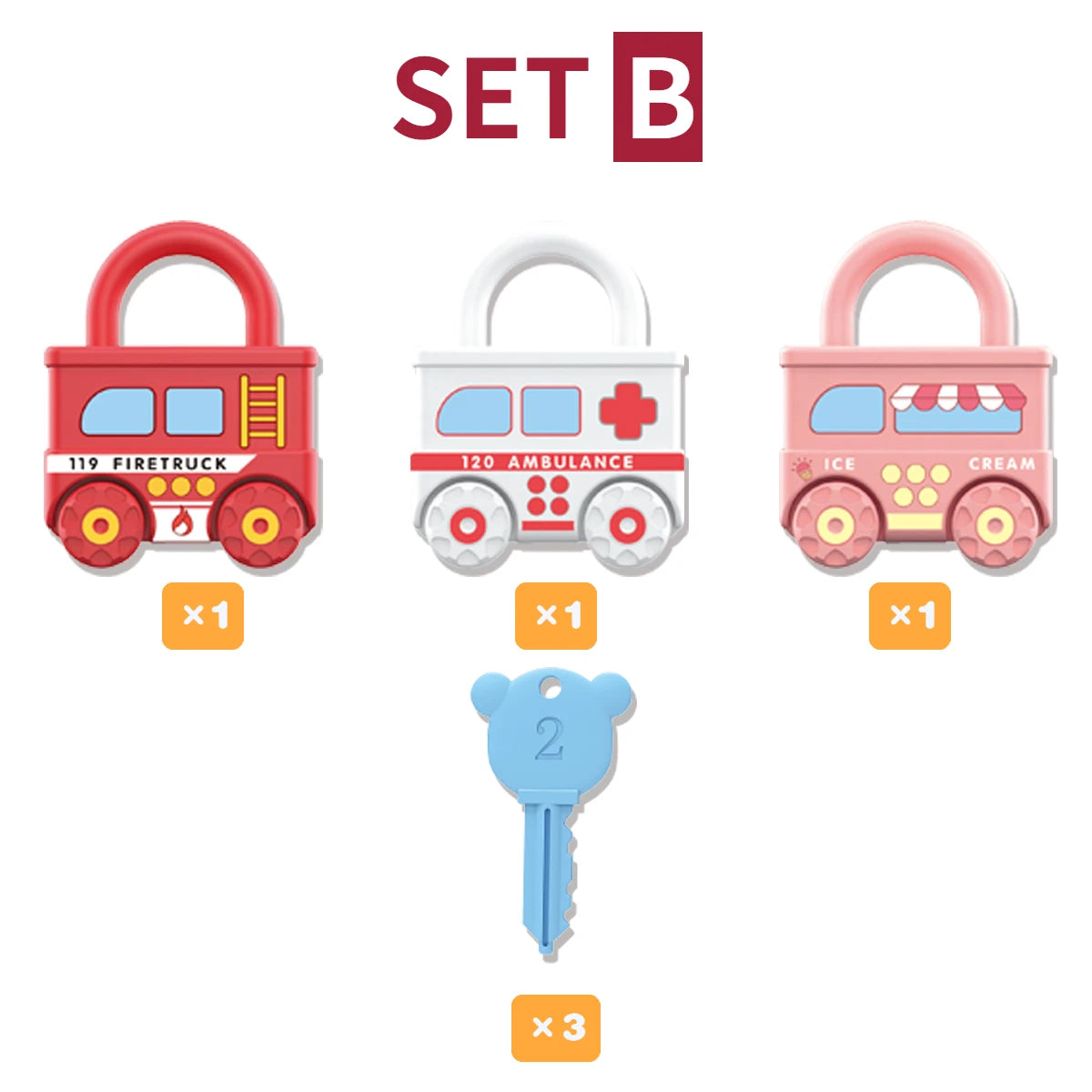
💡 See it in action - toys for fine motor skill development / fine motor skills training toy set, kids struggle fine motor skills, how to improve fine motor skills toddlers, activities to boost hand eye coordination
Frequently asked questions
What age should kids start using fine motor toys?
Most children can begin using simple fine motor toys around 12–18 months, with more complex toys like lock-and-key sets introduced after age 2.
How long does it take to see improvement?
With daily play, many parents notice improvements in grip strength and coordination within 2–4 weeks.
What if my child loses interest quickly?
Choose toys with multiple steps or challenges. Interactive toys maintain engagement longer than passive ones.
Are expensive toys better?
Not necessarily. The key is functionality—multi-action toys that require real hand movement tend to deliver better results.
👉 Get yours now — limited stock!
Support your child’s development with a proven hands-on learning tool: montessori lock and key toy set
Pillar Article: Best preschool learning toys: why they boost early development results
Other Related Articles:
Explore More:





