

Best preschool learning toys: why they boost early development results
What are the best preschool learning toys and do they really improve development?
The best preschool learning toys combine hands-on interaction, problem-solving challenges, and sensory engagement to accelerate early development. High-quality educational toy sets for early childhood development improve focus, coordination, and confidence while turning everyday play into meaningful learning experiences that support long-term cognitive growth.
Best preschool learning toys: why they boost early development results
⏱ 8 min read — Choosing the best preschool learning toys can feel overwhelming. With so many options promising “smarter play,” how do you know what truly helps your child grow? The truth is, the right toys don’t just entertain—they shape how children think, solve problems, and build confidence. Let’s explore what actually works and why some toys deliver far better results than others.
Which learning toy actually builds real skills—not just keeps your child busy? Read on to discover what makes the biggest difference.
👉 Discover the safest toys for your child’s development journey
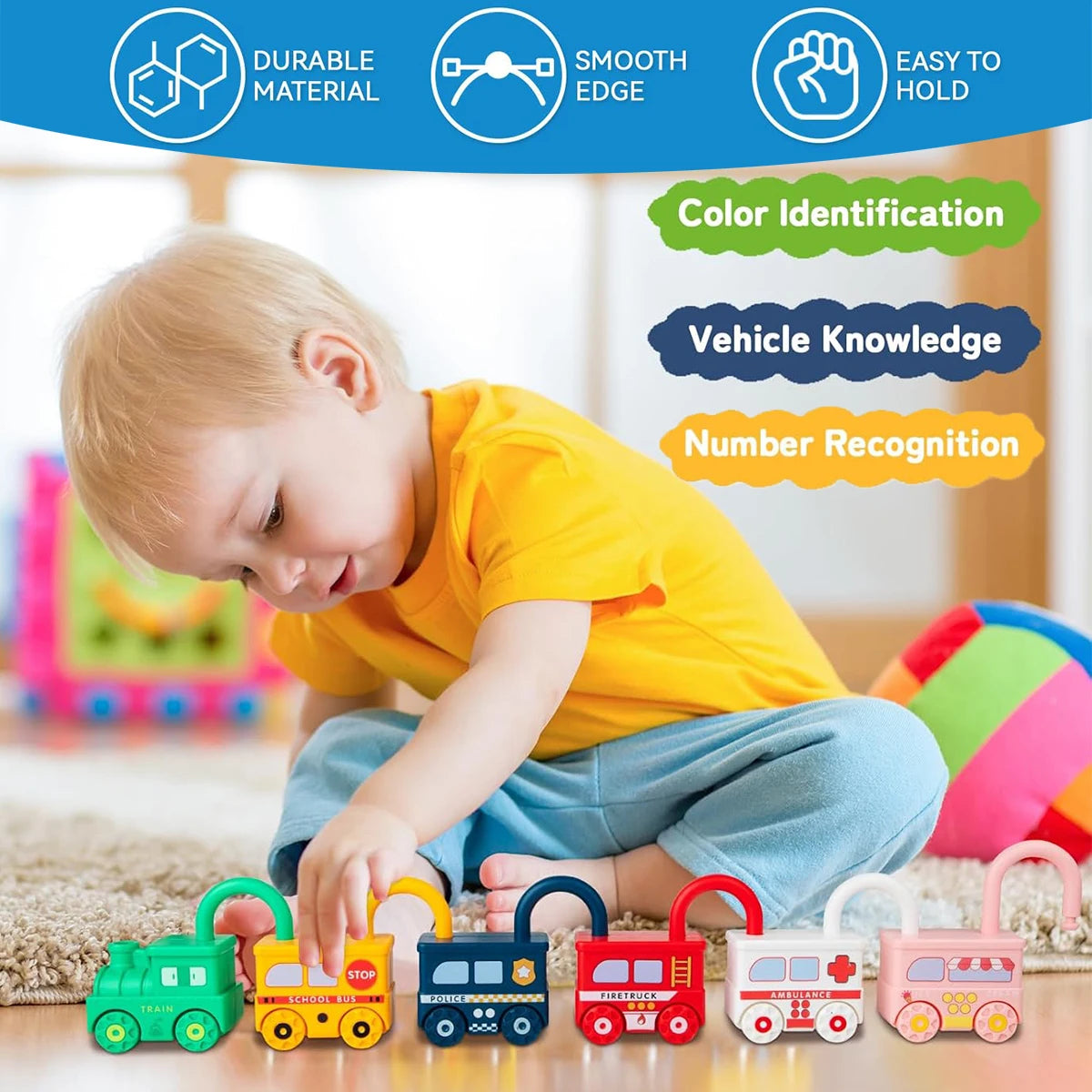
💡 See it in action - best preschool learning toys / top educational toys for preschool learning, educational toy sets for early childhood development, montessori learning toys reviews for parents, best hands on learning activities preschoolers
Why Learning Toys Matter for Preschool Development
Early childhood is when the brain forms connections faster than at any other stage. The toys children interact with daily directly influence how they think, move, and respond to challenges.
Not all toys are equal. Some simply distract. Others actively train critical skills like:
- Problem-solving and logical thinking
- Fine motor coordination
- Memory and attention span
- Independence and confidence
Parents often notice frustration when toys are too passive. Lights and sounds may entertain briefly, but they rarely build lasting abilities.
That’s why many families now turn to Baby Growth & Learning tools designed to actively engage children’s minds and hands.
What Makes the Best Preschool Learning Toys Effective
The best preschool learning toys are designed with intention. They challenge just enough to keep children engaged without overwhelming them.
1. Hands-On Interaction Drives Brain Development
Children learn by doing—not watching. Toys that require movement, sorting, unlocking, or assembling activate multiple brain areas at once.
This is why Sensory Toys are so powerful—they combine touch, sight, and action.
2. Problem-Solving Creates Lasting Skills
Toys that require figuring things out help children develop persistence. Instead of instant gratification, they experience achievement through effort.
3. Repetition Builds Confidence
When a child repeats an activity and improves, they gain confidence. This simple loop—try, fail, try again, succeed—is essential for growth.
4. Simplicity Encourages Creativity
Open-ended toys allow children to use imagination instead of following rigid instructions.
Key Features That Drive Real Results
When comparing top educational toys for preschool learning, certain features consistently lead to better outcomes:
- Interactive mechanisms (locks, puzzles, sorting systems)
- Safe, durable materials
- Multi-skill engagement
- Age-appropriate challenge levels
- Encouragement of independent play
These features are commonly found in well-designed educational toy sets for early childhood development.
👉 Learn step-by-step how to choose the right learning toy for your child
Why Montessori Lock & Key Toy Set Stands Out
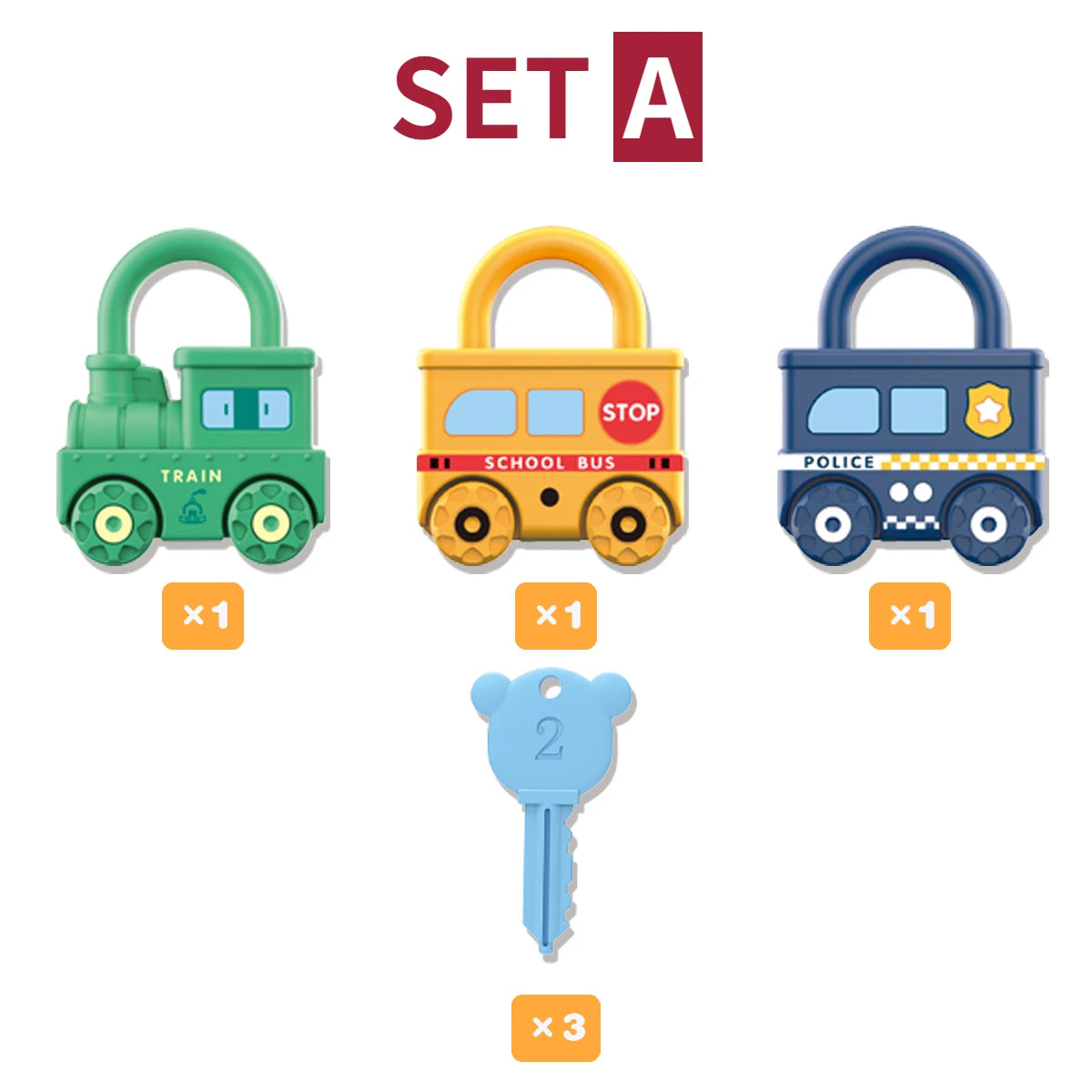
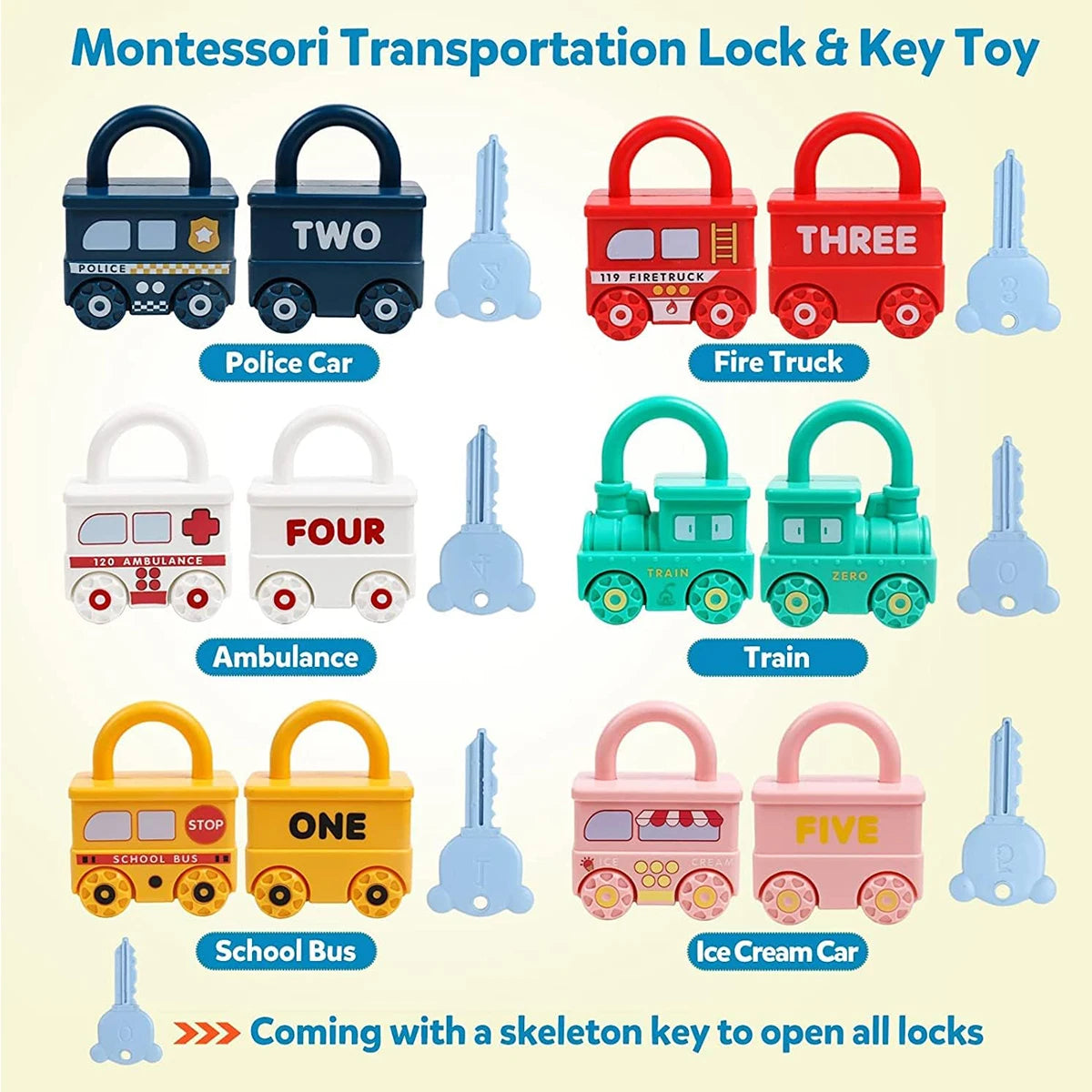
The Montessori Lock & Key Toy Set is a standout example of how thoughtful design can transform play into skill-building.
Unlike passive toys, this set requires children to actively solve problems—matching keys to locks, turning mechanisms, and exploring cause-and-effect relationships.
Core Features That Make It Effective
- Real-world mechanics: Children learn practical skills through unlocking and turning
- Fine motor development: Strengthens hand-eye coordination
- Problem-solving focus: Encourages logical thinking
- Self-paced learning: Kids explore independently
Why It Works Better Than Alternatives
Many toys rely on bright colors and sounds. This toy relies on engagement and challenge.
Instead of overstimulation, it provides meaningful interaction—one of the key reasons it appears frequently in montessori learning toys reviews for parents.
💡 See it in action - best preschool learning toys / top educational toys for preschool learning, educational toy sets for early childhood development, montessori learning toys reviews for parents, best hands on learning activities preschoolers
Comparison: High-Impact vs Low-Value Toys
| Feature | High-Impact Learning Toys | Low-Value Toys |
|---|---|---|
| Engagement | Active participation | Passive watching |
| Skill Development | Multi-skill growth | Minimal learning |
| Longevity | Reusable, evolving play | Quick boredom |
| Independence | Encourages self-play | Requires constant input |
How to Choose the Right Toy for Your Child
- Match developmental stage: Ensure the toy challenges but doesn’t frustrate
- Look for interaction: Avoid purely passive toys
- Prioritize safety: Choose non-toxic, durable materials
- Encourage independence: Select toys kids can use alone
Collections like Mobility & Training and Smart Baby Gadgets can complement learning toys for a complete development approach.
Real Benefits Parents Notice Fast
Parents often report noticeable improvements within weeks of switching to better toys.
- Longer attention spans
- Improved coordination
- More independent play
- Reduced screen time
Many also combine these toys with routines from Baby Care Tips & Advice to create a structured learning environment at home.
Real parent insight: “After introducing hands-on toys, my child stopped getting bored so quickly and started focusing longer on tasks.”
💡 See it in action - best preschool learning toys / top educational toys for preschool learning, educational toy sets for early childhood development, montessori learning toys reviews for parents, best hands on learning activities preschoolers
FAQs
What age are preschool learning toys best for?
Most are designed for ages 2–5, but always check the complexity level to match your child’s development stage.
Are Montessori toys better than regular toys?
They often focus more on independence and hands-on learning, which can lead to stronger skill development.
How many learning toys should a child have?
Fewer high-quality toys are better than many low-value ones. Rotation helps maintain interest.
Do learning toys replace teaching?
No, but they support and enhance learning through play, making concepts easier to understand.
👉 Get yours now — limited stock!
Related Articles:
- Lock and key toys: features that build problem-solving skills fast
- Toys for fine motor skill development: key features that actually work
Pillar Articles:





