

toys for fine motor skill development: Key Features That Boost Coordination Fast
Do toys for fine motor skill development really work?
Toys for fine motor skill development help children strengthen hand muscles, improve coordination, and build precision through repeated, purposeful play. Structured tools like stacking sets, threading toys, and train systems encourage grasping, pinching, and controlled movement—skills essential for writing, dressing, and independent daily tasks.
toys for fine motor skill development: Key Features That Boost Coordination Fast
Struggling to find toys that actually help your child build coordination—not just keep them busy? Many parents feel overwhelmed by endless options that promise learning but deliver little progress. The right toys for fine motor skill development can make everyday play more meaningful, turning small hand movements into big developmental milestones—faster than you expect.
⏱ 5 min read
👉 Discover the safest toys for your baby and unlock real skill-building play
Which toys truly help your child gain control, strength, and confidence? Read on to find out what makes the difference.
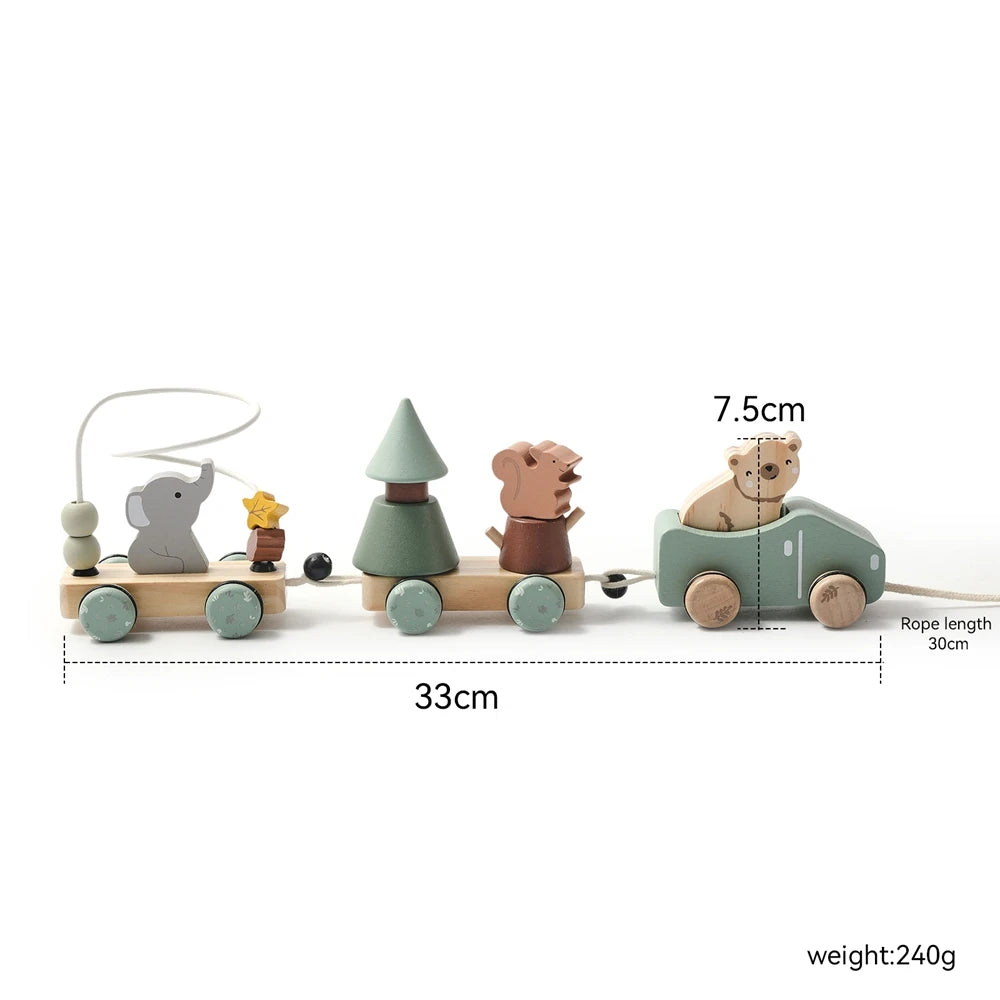
toys for fine motor skill development that improve coordination fast 💡 See it in action
Why Fine Motor Skills Shape Everyday Independence
Fine motor skills involve small muscle movements in the hands and fingers. These skills power everyday actions like buttoning clothes, holding a pencil, or feeding independently.
When these skills are underdeveloped, children may struggle with tasks that require precision. This often leads to frustration, slower learning, and reduced confidence.
The right toys act as training tools—guiding movement, repetition, and muscle development naturally through play.
Explore more learning tools in Baby Growth & Learning.
Key Features That Boost Coordination Fast
1. Multi-Grip Design Encourages Hand Strength
Toys that require different grips—pinching, grasping, twisting—activate multiple muscle groups. This builds strength faster than passive toys.
- Chunky wooden pieces improve grip stability
- Small connectors enhance finger precision
- Rounded edges support safe handling
2. Cause-and-Effect Mechanics Build Control
When a child moves a piece and sees a result, their brain connects action with outcome. This strengthens coordination and focus.
3. Repetition Without Boredom
The best toys encourage repeated actions in new ways—keeping children engaged while reinforcing movement patterns.
4. Structured Play Paths
Unlike random toys, structured systems guide children step-by-step, helping them refine movements with purpose.
Find similar engaging options in Sensory Toys.
Why Some Toys Don’t Improve Fine Motor Skills
Not all toys deliver results. Many popular options lack the features needed for real development.
- ❌ Too passive: lights and sounds without interaction
- ❌ Oversized parts: no precision required
- ❌ Limited replay value: children lose interest quickly
- ❌ No progression: skills don’t improve over time
These toys may entertain—but they don’t challenge or strengthen coordination.
How This Toy Improves Coordination Faster
Toys for fine motor skill development like structured wooden train systems combine movement, problem-solving, and repetition. They require children to connect, align, and manipulate parts precisely, building hand strength and coordination simultaneously while maintaining engagement through imaginative play.
The wooden train toy for kids stands out because it blends physical coordination with creative play.
- Connecting tracks builds precision and alignment skills
- Moving pieces strengthens grip and wrist control
- Role play encourages longer engagement sessions
- Problem-solving enhances cognitive coordination
👉 Learn step-by-step how to choose the right toy for faster skill development
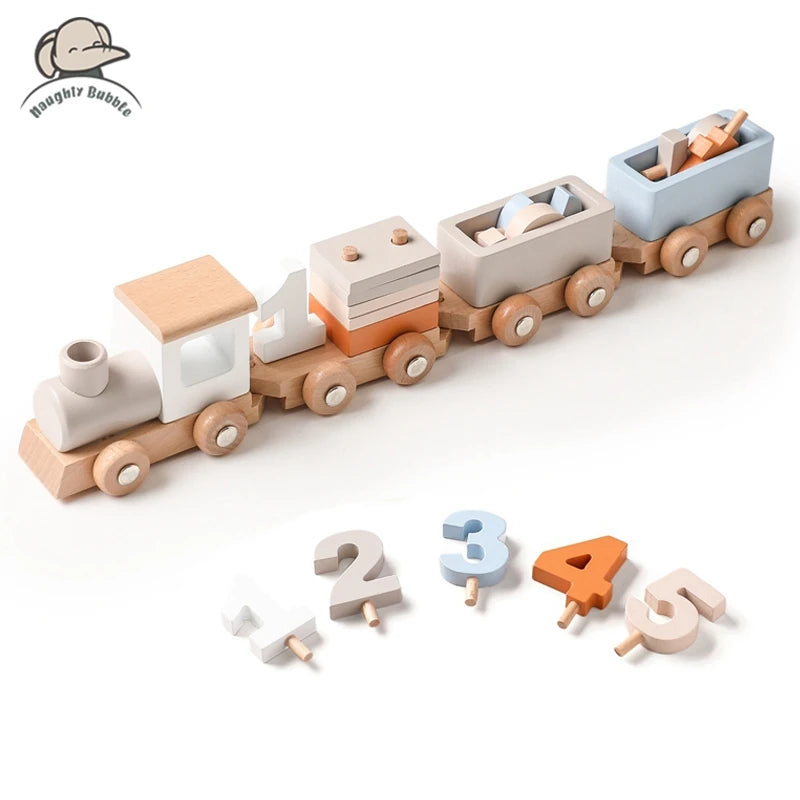
best toys for fine motor skill development with real learning benefits 💡 See it in action
Real Benefits Parents Notice Quickly
Parents often report visible improvements within weeks of consistent play.
- ✅ Stronger grip when holding crayons or utensils
- ✅ Better hand-eye coordination during play
- ✅ Increased focus and longer play sessions
- ✅ Improved independence in daily tasks
Parent review: “After two weeks, my toddler started stacking blocks and holding spoons more confidently. It’s a noticeable change.”
Support daily routines with tools from Feeding Tools.
Comparison: Effective vs Ineffective Toys
| Feature | Effective Toys | Ineffective Toys |
|---|---|---|
| Engagement | Interactive and evolving | Passive entertainment |
| Skill Building | Encourages precision and control | Minimal hand movement |
| Replay Value | High | Low |
| Learning Outcome | Progressive improvement | Stagnant skills |
Ways to Improve Toddler Fine Motor Skills at Home
- Encourage daily hands-on play with structured toys
- Rotate toys to maintain interest and challenge
- Incorporate real-life tasks like stacking or sorting
- Use guided play to demonstrate movements
- Create short, consistent play sessions
Enhance your setup with Mobility & Training.
Choosing Safe Toys with Learning Benefits
Safety matters just as much as development. Look for:
- Non-toxic materials
- Smooth edges and durable design
- Age-appropriate sizing
- Easy-to-clean surfaces
Browse trusted essentials in Health & Safety.
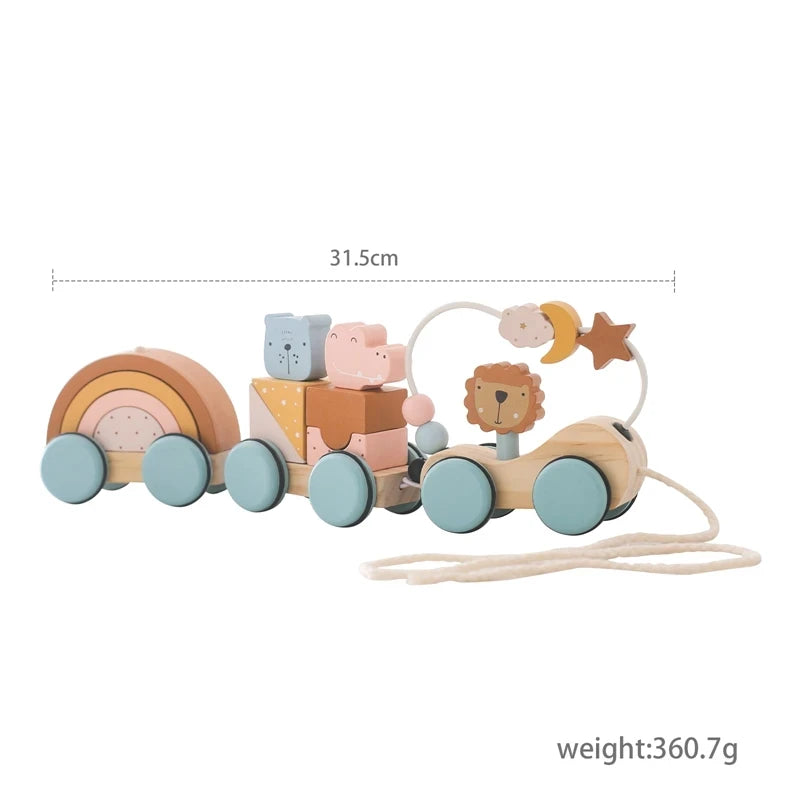
safe toys for toddlers with learning benefits that build coordination 💡 See it in action
👉 Get yours now — limited stock available for faster skill-building results
FAQs
What are the best toys for fine motor skill development?
The best toys include stacking sets, threading beads, building systems, and interactive wooden toys that require grasping, aligning, and precise movement.
Why are some toys not improving fine motor skills?
Toys that lack interaction, precision tasks, or progression fail to challenge hand muscles, resulting in minimal development.
How often should toddlers use fine motor toys?
Daily play sessions of 15–30 minutes provide consistent improvement without overwhelming the child.
Are wooden toys better for coordination?
Yes, wooden toys often provide better grip resistance and tactile feedback, which helps strengthen hand muscles more effectively.
Can one toy really make a difference?
A well-designed toy used consistently can significantly improve coordination, especially when it combines repetition, engagement, and progressive challenges.
Related Articles:
- fine motor skill development toys: Why Design Matters for Real Progress
- wooden toys for 3 year olds: Natural Materials That Boost Learning Power
Pillar Articles:





