

Toys for Fine Motor Skill Development That Actually Build Skills
What Are the Best Toys for Fine Motor Skill Development?
Toys for fine motor skill development help children practice the small, controlled movements needed for everyday tasks such as grasping, picking up objects, sorting, drawing, stacking, and using simple tools. The best options encourage active hand use rather than passive entertainment and can support grasp strength, pincer grasp, finger dexterity, hand-eye coordination, and bilateral coordination.
For preschoolers, choose toys that match the child's current ability while offering room to practice and gradually increase difficulty. A developmental toy does not need to be complicated; a simple sorting, threading, stacking, or building activity can provide repeated opportunities to strengthen fine motor skills through purposeful play.
Preschool Toys for 4 Year Olds: Best Picks for Fine Motor Skill Development
The best preschool toys for 4 year olds can turn everyday play into opportunities to build fine motor control, coordination, dexterity, and problem-solving skills. Instead of choosing toys based only on entertainment value, look for activities that require children to grasp, pinch, sort, connect, stack, thread, draw, or manipulate objects with purpose. This guide explains how toys support fine motor development, which toy types fit different developmental goals, and how to choose age-appropriate options without overwhelming your child.
⏱ 6 min read
Does your child enjoy hands-on activities but struggle with tasks that require careful finger movements? Or do they need more practice with sorting, stacking, drawing, or manipulating small objects?
You’re not alone. Fine motor abilities develop through repeated practice, and the right toys can make that practice feel like play rather than a lesson.
Discover toys that turn everyday play into hands-on skill practice
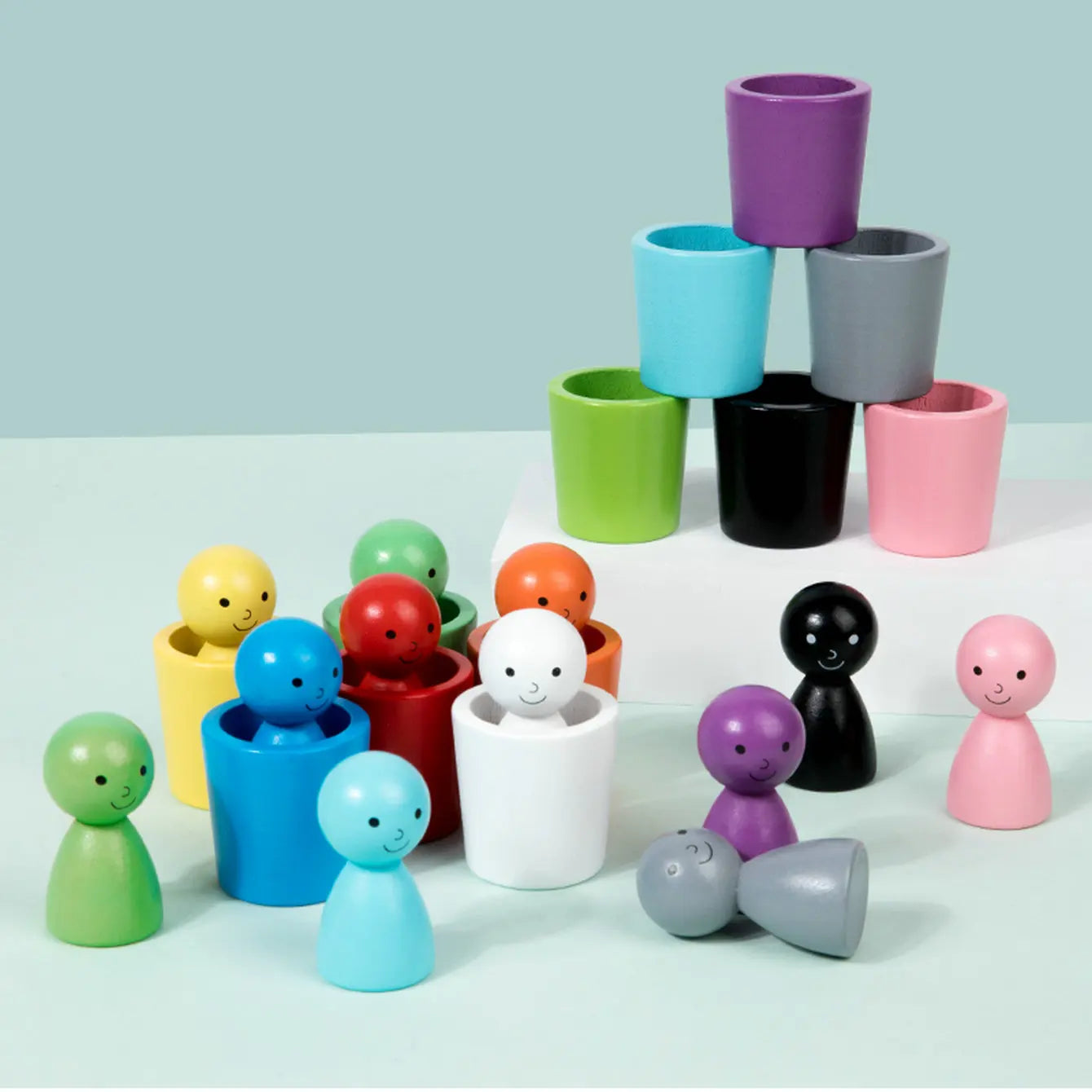
Hands-on preschool toys for 4 year olds that support fine motor development and coordination
How Fine Motor Skills Develop Through Play
Fine motor development involves the small-muscle movements of the hands and fingers. Children build these abilities gradually as they manipulate objects, coordinate both hands, and learn to control movements with increasing precision.
Well-designed fine motor skill development toys give children repeated opportunities to practice these movements in a meaningful context. Different toy actions can support different abilities.
Grasp Strength and Hand Control
Stacking pieces, building materials, and larger manipulatives encourage children to hold, move, release, and position objects. Repeated grasp-and-release movements help children practice controlling their hands while completing a specific task.
Pincer Grasp and Finger Dexterity
Activities that require children to pick up or position small, age-appropriate pieces can encourage the use of the thumb and fingers together. Sorting pieces, placing objects into matching spaces, and similar manipulation activities provide opportunities to practice controlled finger movements.
Hand-Eye Coordination and Precision
Puzzles, shape sorters, threading activities, and construction toys require children to watch what their hands are doing and adjust their movements. This combination of visual attention and controlled movement supports precision.
Bilateral Coordination and Tool Skills
Some activities require both hands to work together. Building, threading, connecting pieces, and age-appropriate tool activities can encourage children to stabilize an object with one hand while manipulating it with the other.
Best Toys for Fine Motor Skills by Developmental Goal
The most useful toys to develop fine motor skills are not necessarily the most complex. Choose the toy type according to the specific movement or skill your child needs to practice.
Toys for Improving Grasp Strength
- Stacking toys
- Building blocks
- Large interlocking pieces
- Manipulatives that require repeated grasp-and-release movements
These activities encourage children to pick up, hold, position, and release objects repeatedly while completing a play task.
Toys for Developing Pincer Grasp
- Age-appropriate sorting pieces
- Shape-matching activities
- Small construction components appropriate for the child's age
- Manipulative toys that require controlled finger placement
These activities give children opportunities to practice using their thumb and fingers together for increasingly precise movements.
Toys for Sorting and Problem Solving
- Color sorting toys
- Shape sorters
- Matching games
- Simple puzzles
Sorting and matching combine fine motor manipulation with visual discrimination and problem solving. Children must control the object while deciding where it belongs.
Toys for Threading and Dexterity
- Age-appropriate threading toys
- Lacing activities
- Bead-and-string activities designed for the child's age
- Connecting toys
Threading and connecting activities require controlled movements and can provide repeated practice with hand-eye coordination and finger dexterity.
Toys for Pre-Writing Skills
- Drawing boards
- Chunky crayons
- Age-appropriate tracing activities
- Construction and manipulation toys that strengthen hand control
Pre-writing activities benefit from opportunities to practice controlled hand movements. Toys that build general hand strength and coordination can complement drawing and tracing practice.
For additional developmental ideas, explore Baby Growth & Learning alongside other age-appropriate play activities.
Best Fine Motor Skill Toys by Age Group
The best developmental toys depend on both age and current skill level. Difficulty should be appropriate enough to encourage successful practice without making the activity frustrating.
Fine Motor Toys for Babies and Infants
For babies, choose simple, age-appropriate toys that encourage reaching, grasping, transferring objects between hands, and exploring different shapes and textures. Toys should be large enough to reduce choking risk and designed specifically for the child's developmental stage.
Adults should supervise babies during play and follow the manufacturer's age recommendations.
Fine Motor Toys for Toddlers
Toddlers can begin practicing more purposeful manipulation through stacking, nesting, simple sorting, large-piece puzzles, and other activities that involve grasping and placing objects. Choose manageable challenges that allow children to repeat the same movement while gradually becoming more confident.
Fine Motor Toys for Preschoolers
Preschoolers can usually handle more complex manipulation and problem-solving activities. Building sets, sorting toys, puzzles, threading activities, matching games, and pre-writing materials can provide opportunities to practice precision, coordination, and independent problem solving.
For a 4-year-old, the goal is not to make every play session instructional. Instead, offer toys that naturally require controlled hand movements and allow the child to repeat activities at their own pace.
A Simple Fine Motor Toy for Multiple Skills
If you want one activity that combines sorting, grasping, coordination, and problem solving, consider the Montessori Color Sorting Toy (Wooden) .
This type of activity gives children a clear task while requiring them to manipulate pieces with their hands. It can support several fine motor and early learning skills at the same time:
- Fine motor control: Children repeatedly pick up and place pieces.
- Hand-eye coordination: Children coordinate their hand movements with the target location.
- Color recognition: Sorting requires children to identify and match colors.
- Problem solving: Children decide where each piece belongs.
- Independent play: A clear sorting goal can allow children to repeat the activity without constant adult direction.
The value of a simple toy like this comes from the actions it encourages. Repetition gives children more opportunities to practice controlled movements while keeping the activity understandable and engaging.
Other daily routines can also provide opportunities to practice coordination. Explore Feeding Tools for additional hands-on activities that involve controlled movements.
Quick Comparison: Best Toys for Fine Motor Skill Development
| Toy Type | Target Skill | Typical Age Group | Difficulty | Best Use |
|---|---|---|---|---|
| Stacking toys | Grasp and hand control | Babies to preschoolers | Beginner | Repeated grasp-and-release practice |
| Sorting toys | Pincer grasp and coordination | Toddlers to preschoolers | Beginner to intermediate | Sorting, matching, and controlled placement |
| Puzzles | Precision and hand-eye coordination | Toddlers to preschoolers | Intermediate | Problem solving with controlled movements |
| Threading and lacing toys | Dexterity and bilateral coordination | Preschoolers | Intermediate | Finger control and two-hand coordination |
| Building toys | Grasp, coordination, and dexterity | Toddlers to preschoolers | Beginner to advanced | Construction and open-ended manipulation |
| Pre-writing materials | Hand control and precision | Preschoolers | Beginner to intermediate | Drawing, tracing, and controlled movements |
How to Choose the Right Fine Motor Development Toy
Consider Your Child's Age and Skill Level
Start with the manufacturer's recommended age range, then consider what your child can comfortably do now. A toy that is far beyond their current ability may create frustration, while an activity that is too easy may provide little opportunity for new practice.
Choose Toys That Encourage Active Manipulation
Look for toys that require children to grasp, pinch, stack, sort, connect, thread, place, or draw. These actions make the child's hands an active part of the activity rather than simply pressing a button or watching something happen.
Look for Safe and Durable Materials
Choose well-constructed toys made for the intended age group. Check that pieces are securely made, surfaces are appropriate for children, and the toy can withstand repeated handling. Always follow the manufacturer's safety and cleaning instructions.
A useful selection rule is to prioritize repeat play value . A toy that can be used in several ways or repeated at different difficulty levels can provide more opportunities for fine motor practice than a toy with only one short activity.
How to Use Toys to Build Fine Motor Skills
Create Short Practice Activities
Fine motor practice does not need to be long. Offer a focused activity for a short period, then allow the child to move on when interest naturally fades. Frequent opportunities for hands-on play can be more useful than forcing a child to continue after they are finished.
Encourage Independent Problem Solving
Give children time to figure out how a puzzle, sorter, construction toy, or threading activity works before immediately stepping in. Ask simple questions such as “Where do you think this goes?” rather than completing the task for them.
Increase Challenge as Skills Improve
When a child consistently completes an activity with ease, introduce a slightly more challenging version. This might mean using a more complex puzzle, adding more sorting categories, building a more detailed structure, or introducing a new manipulation task.
Repetition matters. Children can repeat the same activity many times while gradually improving control, accuracy, and confidence.
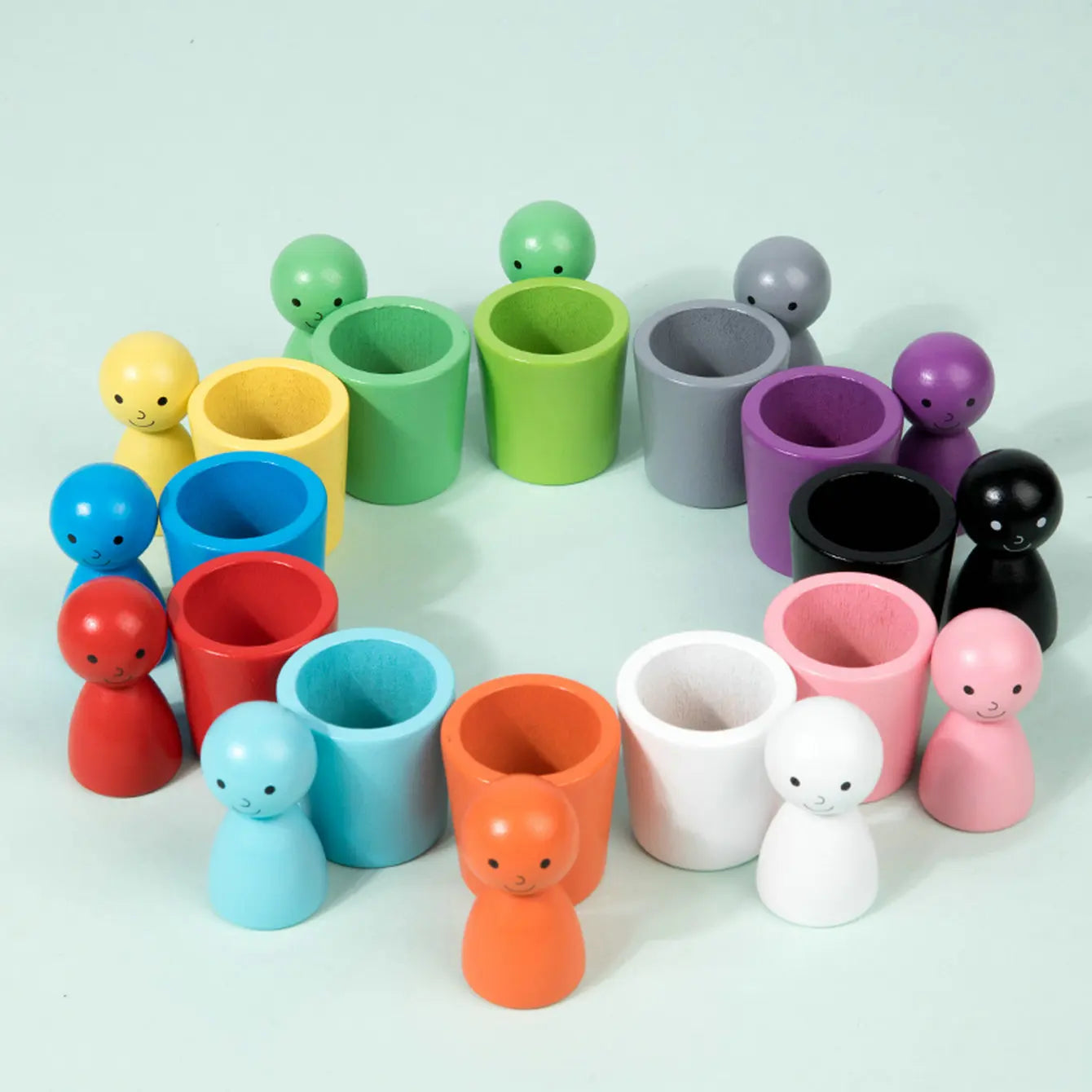
Hands-on toys can give preschoolers repeated opportunities to practice fine motor skills
Fine Motor Toy Safety Tips for Children
Check Age Recommendations
Always choose toys according to the manufacturer's stated age range and consider whether the activity matches the child's current abilities. Age recommendations can help parents identify toys with an appropriate level of complexity and potential hazards.
Avoid Unsafe Small Parts
Small pieces can pose a choking hazard, particularly for younger children. Inspect toys regularly for broken or loose components and keep toys with small parts away from children who are not yet ready for them.
Supervise Early Learning Activities
Stay nearby when children are learning to use a new toy, especially when it contains multiple pieces or requires a new type of manipulation. Supervision also allows you to notice when a toy is too difficult, damaged, or no longer appropriate for the child's developmental stage.
For broader child safety considerations, see Health & Safety .
Signs Your Child May Benefit From Different Fine Motor Practice
- Has difficulty manipulating age-appropriate pieces
- Avoids activities that require careful hand movements
- Becomes frustrated quickly during puzzles, sorting, or construction
- Shows little interest in activities that require grasping or placing objects
- Needs frequent help with tasks that are otherwise appropriate for their age
These observations are not a diagnosis or a reason to label a child. They are simply useful clues when choosing activities. If you have ongoing concerns about your child's development or ability to complete everyday tasks, discuss them with a qualified pediatric professional.
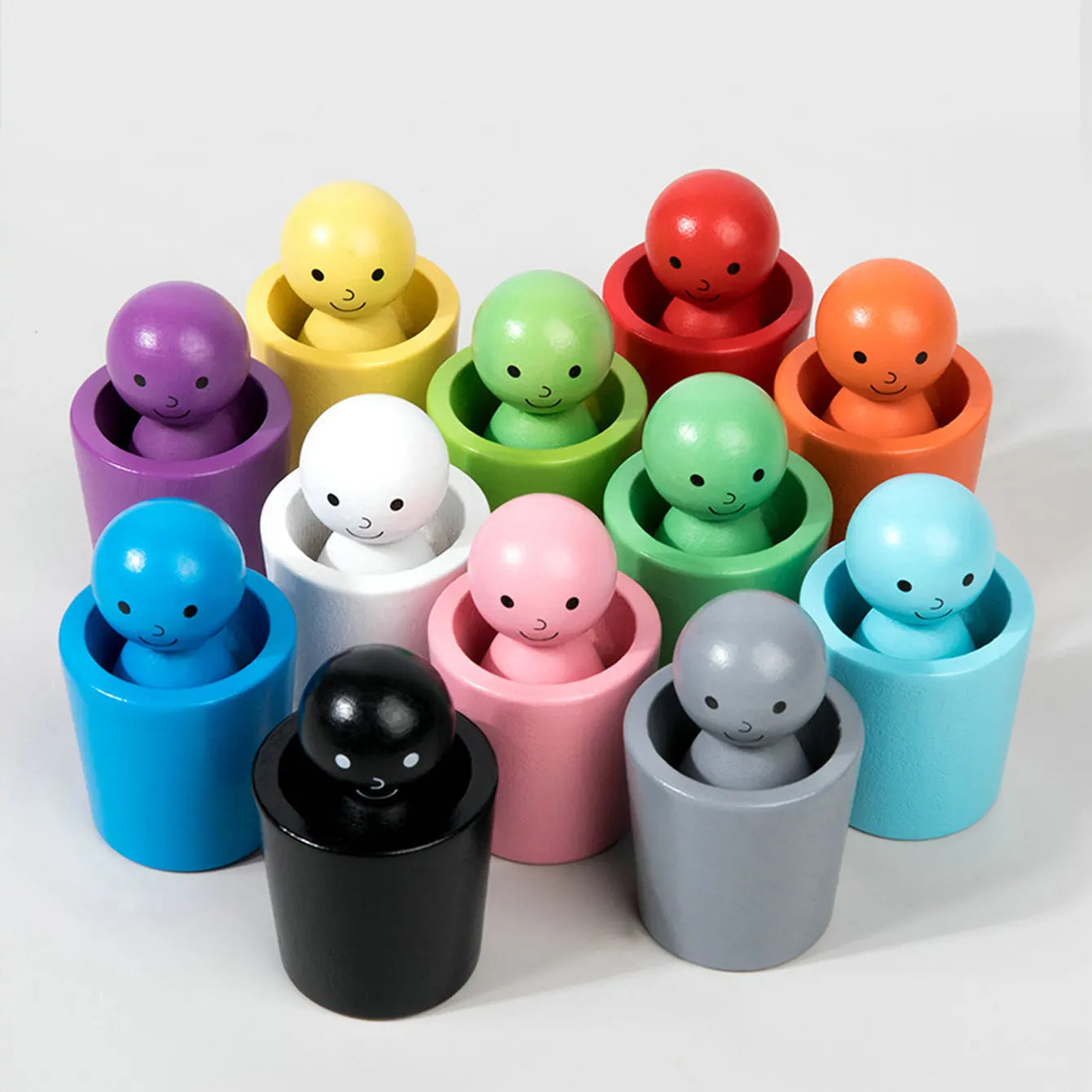
Fine motor toys can make repeated hand-skill practice part of everyday preschool play
Choose a hands-on toy that matches your child’s current skills and gives them room to practice.
FAQs
What are the best toys for fine motor skills?
The best toys for fine motor skills encourage active hand and finger movements. Sorting toys, stacking toys, puzzles, building sets, threading activities, and pre-writing materials can support grasp control, dexterity, hand-eye coordination, and precision. The right choice depends on the child's age and current skill level.
What types of toys help babies develop motor skills?
For babies, age-appropriate toys that encourage reaching, grasping, holding, transferring objects, and exploring different shapes or textures can support early fine motor development. Choose toys designed for the child's age, avoid unsafe small parts, and supervise play.
Which toys improve pincer grasp?
Age-appropriate sorting toys, matching activities, and other manipulatives that require children to pick up and position individual pieces can provide opportunities to practice the thumb-and-finger movements involved in a pincer grasp.
Are Montessori toys good for fine motor development?
Montessori-style activities can support fine motor development when they require purposeful manipulation such as sorting, placing, transferring, threading, or matching. Their value comes from the hands-on actions and level of challenge rather than the label alone.
How do I choose age-appropriate developmental toys?
Start with the manufacturer's age recommendation, then consider your child's current abilities, safety needs, and interests. Choose a toy that requires active manipulation without being so difficult that the child cannot participate independently. As skills improve, gradually introduce more complex activities.
Related Articles:
- Safe Non Toxic Toddler Sorting Toy: Ideal for Sensitive Kids
- Preschool Toys for 4 Year Olds: Best Picks by Learning Needs
Pillar Articles:





