

Play Based Learning Activities for Toddlers That Build Skills
What are play based learning activities and do they really work?
Play based learning activities help children develop cognitive, social, and motor skills by turning everyday play into meaningful learning experiences. Instead of forcing lessons, kids explore, experiment, and discover naturally—leading to better focus, faster skill development, and deeper understanding through fun, stress-free interaction.
Play Based Learning Activities: How to Start at Home
⏱ 5 min read
Play based learning activities can transform everyday moments into powerful learning experiences for your child. From simple games to creative routines, discover examples of play based learning that boost curiosity, strengthen skills, and make lessons feel effortless. Learn how to teach colors through play while exploring proven ways to increase focus in young children without pressure or stress. The best part? You may already have everything you need at home—but are you using it the right way?
Ever feel like your child loses focus within minutes? Or struggles to stay engaged unless there’s a screen involved? You’re not alone—and there’s a simpler way to turn things around.
Discover the safest toys for your baby
Explore engaging tools inside our Sensory Toys collection designed to support playful learning at home.
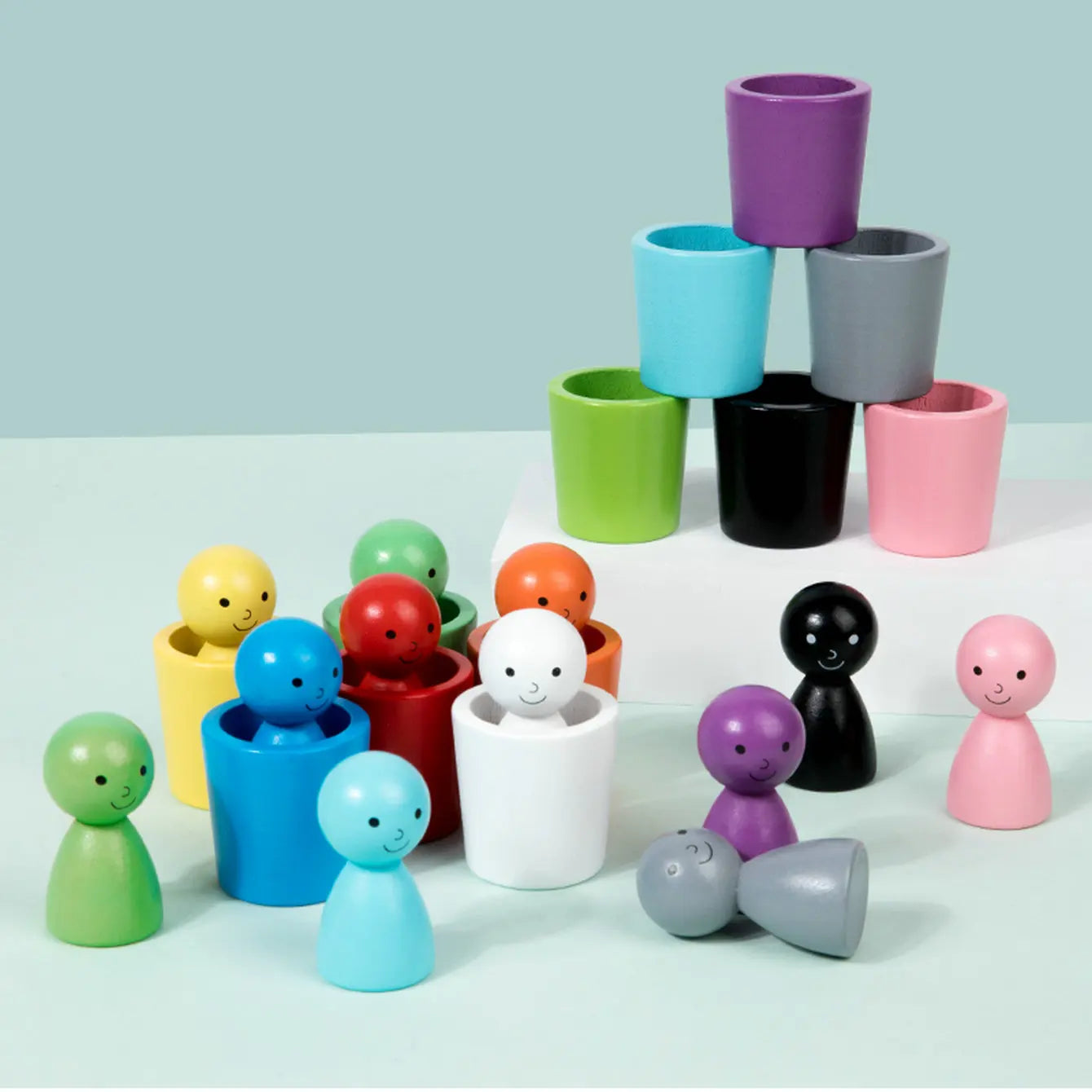
Play based learning activities at home help children explore naturally See it in action
Why Play Based Learning Works So Well for Young Children
Play isn’t just fun—it’s how children understand the world.
When kids play, they are constantly testing ideas, solving problems, and building connections. Unlike traditional teaching methods, play-based learning doesn’t feel like “learning,” which removes resistance and boosts engagement.
- ✅ Builds curiosity and creativity
- ✅ Improves memory and problem-solving
- ✅ Strengthens emotional and social skills
- ✅ Encourages independence and confidence
In fact, many parents report noticeable changes within weeks—longer attention spans, fewer tantrums, and more independent play.
Simple Examples of Play Based Learning You Can Try Today
You don’t need expensive tools or complicated setups. Here are practical examples of play based learning you can start immediately:
- Sorting games: Use household items to group by size, shape, or color
- Pretend play: Turn your living room into a grocery store or kitchen
- Building challenges: Use blocks to create towers or bridges
- Outdoor exploration: Collect leaves, rocks, and compare textures
| Activity | Skill Developed | Best Age |
|---|---|---|
| Color sorting | Visual recognition | 2–4 years |
| Pretend cooking | Language + social skills | 3–6 years |
| Block building | Problem-solving | 2–5 years |
These activities may seem simple, but they create strong developmental foundations.
Learn step-by-step how to choose the right baby gear
Explore helpful options in our Baby Growth & Learning collection designed to support everyday development.
How to Teach Colors Through Play Without Pressure
Teaching colors doesn’t require flashcards or repetition drills. In fact, children learn colors faster when they experience them naturally.
Fun Ways to Teach Colors
- Match toys by color during cleanup time
- Ask your child to find “something red” around the house
- Sort laundry together by colors
- Build towers using same-colored blocks
Instead of correcting mistakes, gently repeat the correct color in context. For example: “Yes, that’s a blue ball!”
This builds confidence while reinforcing learning.
Real parent insight: “My toddler learned all basic colors within two weeks just by playing sorting games daily.”
Ways to Increase Focus in Young Children (Without Forcing It)
Short attention spans are normal—but they can be improved with the right approach.
- Start with short activities (5–10 minutes)
- Repeat favorite games regularly
- Reduce distractions (especially screens)
- Praise effort, not results
Consistency matters more than complexity. The more your child enjoys the activity, the longer they’ll stay engaged.
Over time, you’ll notice them focusing longer without being told.
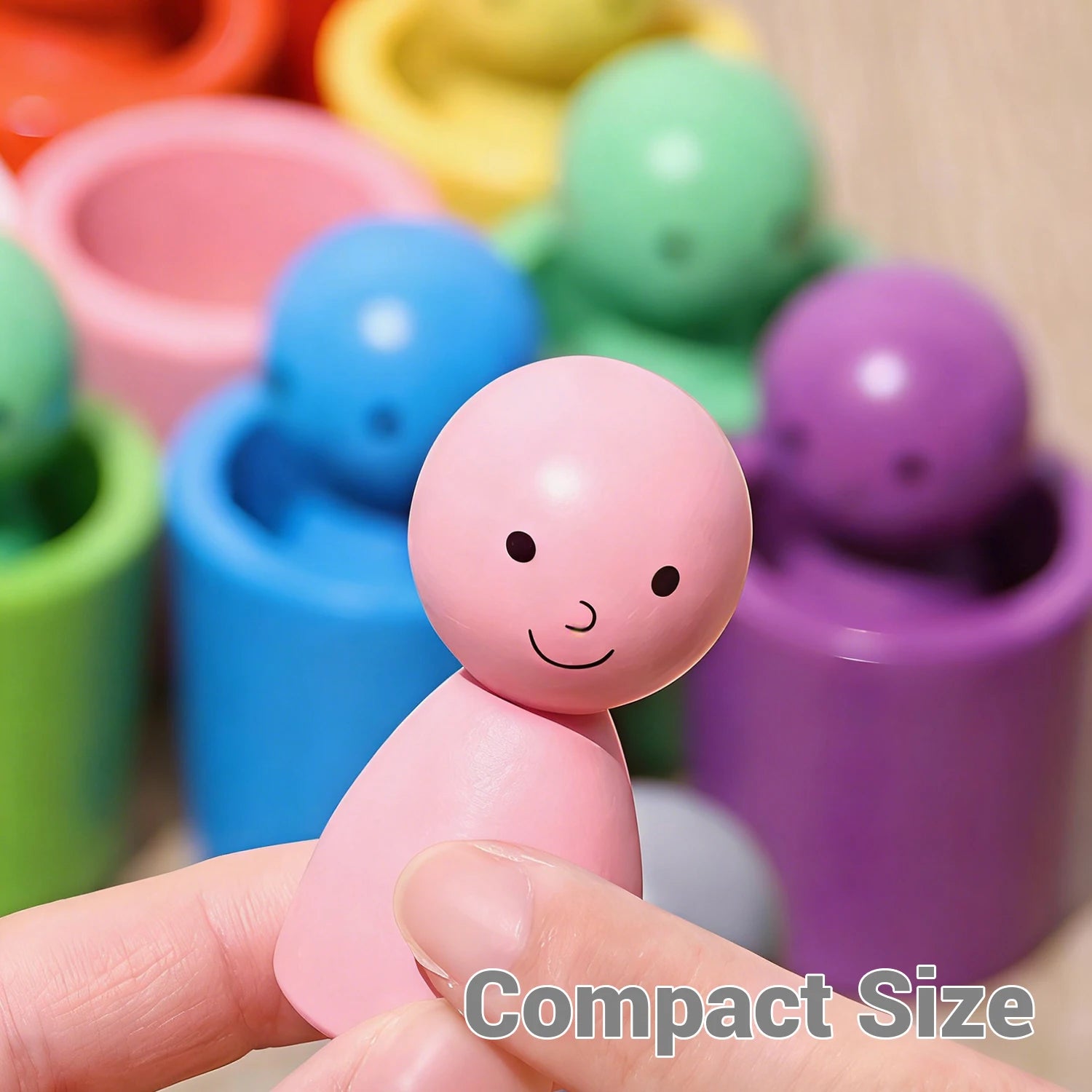
Examples of play based learning help improve focus and engagement See it in action
Step-by-Step: How to Start Play Based Learning at Home
- Choose one simple activity: Start small to avoid overwhelm
- Set a relaxed environment: No pressure, no expectations
- Follow your child’s lead: Let them guide the play
- Repeat consistently: Daily practice builds habits
- Adjust based on interest: Switch activities if needed
Think of yourself as a guide, not a teacher.
Your role is to provide opportunities—not control outcomes.
Helpful Tools That Make Learning Easier (and More Fun)
While you can start with everyday items, the right tools can simplify the process and make learning more engaging.
One highly effective option is a structured sorting toy designed for hands-on learning.
- ✔ Encourages independent play
- ✔ Supports color recognition
- ✔ Improves fine motor skills
- ✔ Keeps children engaged longer
For example, using a dedicated sorting toy can turn a simple activity into a focused learning experience.
Explore this Montessori Color Sorting Toy to make teaching colors easier and more effective.
Parents often notice faster progress when tools are designed specifically for learning through play.
Common Mistakes Parents Should Avoid
- ❌ Expecting instant results
- ❌ Over-structuring playtime
- ❌ Interrupting child-led exploration
- ❌ Comparing progress with other children
Play based learning is about the journey, not perfection.
Give your child time to explore at their own pace.
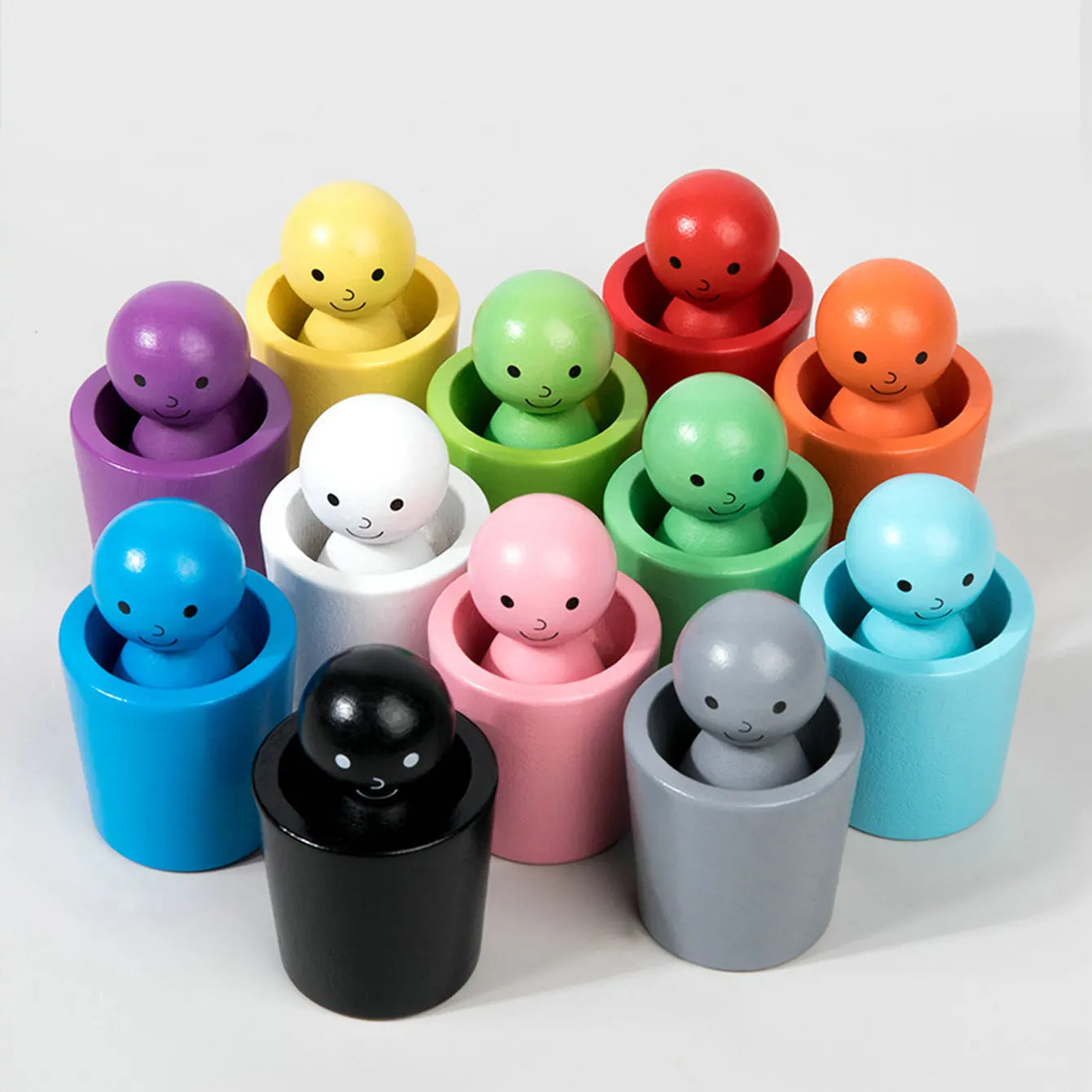
Teach colors through play with simple tools and routines See it in action
Get yours now — limited stock!
Make learning effortless with tools from our Sensory Toys collection designed for growing minds.
Frequently Asked Questions
1. What age is best to start play based learning activities?
Children can start as early as infancy. Simple sensory play and interaction help build foundational skills, while structured play activities become more effective from ages 2–6.
2. How long should play based learning sessions last?
Start with 5–10 minutes and gradually increase based on your child’s interest. Short, consistent sessions are more effective than long, forced ones.
3. Do I need special toys for play based learning?
Not necessarily. Many activities can be done with household items. However, purpose-built tools can enhance engagement and accelerate learning outcomes.
Related Articles:
- Activities to Teach Color Recognition Toddlers Fast
- Improving Hand Eye Coordination Preschool Activities Guide
- Montessori Activities for Preschool at Home: Step-by-Step
- Toys to Improve Fine Motor Skills: 5 Easy Daily Routines
Pillar Articles:
UPGRADE PLAN { "outline": [ { "action": "MODIFY", "h2": "What Is Play Based Learning and Why It Works for Toddlers", "h3": [], "focus": [ "define play based learning in simple terms", "link to early childhood development principles", "difference between structured vs play learning", "why toddlers learn best through play" ], "keywords": [ "play based learning activities", "benefits of play based learning", "early childhood play activities" ] }, { "action": "MODIFY", "h2": "Key Benefits of Play Based Learning for Toddler Development", "h3": [], "focus": [ "cognitive and problem-solving skills", "language and communication growth", "motor skills development", "social-emotional learning" ], "keywords": [ "benefits of play based learning", "hands on learning for kids" ] }, { "action": "ADD", "h2": "How to Start Play Based Learning at Home (Beginner Guide)", "h3": [], "focus": [ "setting up a simple learning environment", "choosing age-appropriate activities", "balancing free play and guided play", "daily routine integration" ], "keywords": [ "how to start play based learning", "play based learning at home" ] }, { "action": "ADD", "h2": "Play Based Learning Activities by Age Group", "h3": [ "12–18 Months: Sensory and Exploration Play", "18–24 Months: Language and Movement Activities", "2–3 Years: Problem Solving and Imaginative Play" ], "focus": [ "age-appropriate activity examples", "developmental milestones per stage", "difficulty progression", "parent guidance tips" ], "keywords": [ "simple learning activities for toddlers", "early childhood play activities" ] }, { "action": "ADD", "h2": "Play Based Learning Activities by Developmental Skills", "h3": [ "Fine Motor Skill Activities", "Gross Motor Activities", "Language and Communication Activities", "Cognitive and Problem-Solving Activities", "Sensory and Creative Play" ], "focus": [ "categorized activity structure", "skills each activity develops", "materials and setup", "learning outcomes" ], "keywords": [ "play based learning activities for toddlers", "hands on learning for kids" ] }, { "action": "MODIFY", "h2": "Simple Play Based Learning Activities You Can Try Today", "h3": [], "focus": [ "quick low-prep activities", "household material ideas", "indoor and outdoor options", "step-by-step instructions" ], "keywords": [ "examples of play based learning", "simple learning activities for toddlers" ] }, { "action": "MODIFY", "h2": "Teaching Colors Through Play (Fun and Practical Ideas)", "h3": [ "Color Sorting Games", "Everyday Color Learning Activities" ], "focus": [ "natural color learning methods", "interactive play ideas", "real-life examples", "no-pressure teaching approach" ], "keywords": [ "teaching colors through play", "best toys for teaching colors preschoolers" ] }, { "action": "MODIFY", "h2": "How to Improve Focus in Toddlers Through Play", "h3": [], "focus": [ "attention-building activities", "short engagement strategies", "reducing distractions", "routine consistency" ], "keywords": [ "activities to improve focus in toddlers" ] }, { "action": "REMOVE", "h2": "Helpful Tools That Make Learning Easier (and More Fun)", "h3": [], "focus": [], "keywords": [] }, { "action": "MODIFY", "h2": "Common Mistakes to Avoid in Play Based Learning", "h3": [], "focus": [ "over-structuring play time", "expecting fast results", "using too many materials", "lack of consistency" ], "keywords": [ "play based learning at home" ] }, { "action": "MODIFY", "h2": "Frequently Asked Questions About Play Based Learning", "h3": [ "What age should toddlers start play based learning?", "How long should play sessions last?", "Do I need special toys for play based learning?", "Can play based learning replace formal teaching?", "What are the best activities for daily routines?" ], "focus": [ "quick actionable answers", "address beginner concerns", "clarify misconceptions", "reinforce practical usage" ], "keywords": [ "play based learning activities", "how to start play based learning" ] } ], "internal_links": [], "faq": [ "What age should toddlers start play based learning?", "How long should play based learning sessions last?", "Do I need special toys for play based learning?", "Can play based learning replace structured teaching?", "What are easy play based learning activities at home?" ], "trim": [ "Why Play Based Learning Works So Well for Young Children", "Helpful Tools That Make Learning Easier (and More Fun)" ] } Approved linked products: - Explore this Montessori Color Sorting Toy (/products/montessori-color-sorting-toy-wooden) Product Rules - Keep all approved products. - Only approved products may contain affiliate links. - You may add real competitor products when useful. - Competitor products must not contain links unless already present. - Only create comparison tables when they genuinely improve the article. RULES - Apply every instruction in the Upgrade Plan. - Keep all existing affiliate links unchanged. - Keep all existing internal links unchanged. - Keep all existing image URLs unchanged. - Preserve sections such as Related Articles, Related Posts and Recommended Reading. - Avoid duplicate headings. - Insert new sections only where specified. - Improve clarity, topical coverage, EEAT and readability. - Expand weak sections only when required. - Use natural keyword placement. - Keep semantic HTML clean. YEAR UPDATE If visible article text contains "2005", replace it with "2026". Do not modify years inside: - URLs - href attributes - image filenames OUTPUT REQUIREMENTS Return ONLY the final upgraded HTML article. The output must be valid HTML and ready to publish. Do NOT return: - Markdown - Explanations - Notes - Code fences - JSON - XML Return the HTML beginning with the first HTML element and ending with the last HTML element.





