

Fine Motor Skill Toys for Toddlers That Build Everyday Skills
Do toys that improve fine motor skills really work?
Toys that improve fine motor skills support children's hand strength, finger control, and hand-eye coordination through purposeful, hands-on play. Activities such as sorting, stacking, grasping, threading, and matching encourage repeated movements that help children master everyday skills like holding crayons, feeding themselves, buttoning clothing, and eventually writing. When children practice regularly with age-appropriate toys, they often gain confidence while building the small muscles needed for greater independence.
Toys That Improve Fine Motor Skills: Key Benefits Explained
Choosing the right toys that improve fine motor skills can make everyday learning both fun and meaningful. Whether you're wondering which toys improve fine motor skills fastest, comparing durable wooden toys for fine motor skills with plastic alternatives, or exploring Montessori toys vs traditional toys benefits, selecting developmentally appropriate toys can encourage steady progress through play. In this guide, you'll learn how fine motor toys support growing hands, what features matter most, and how to choose options that match your child's stage of development.
⏱ 8 min read
Does your child struggle to grip crayons, stack blocks, fasten buttons, or use a spoon confidently? These everyday challenges are common during early childhood and often improve with regular opportunities to practice. The right developmental toys provide enjoyable, low-pressure experiences that strengthen coordination while keeping children engaged.
Which baby gear suits your child's development stage best? Read on!
Discover the safest toys for your baby
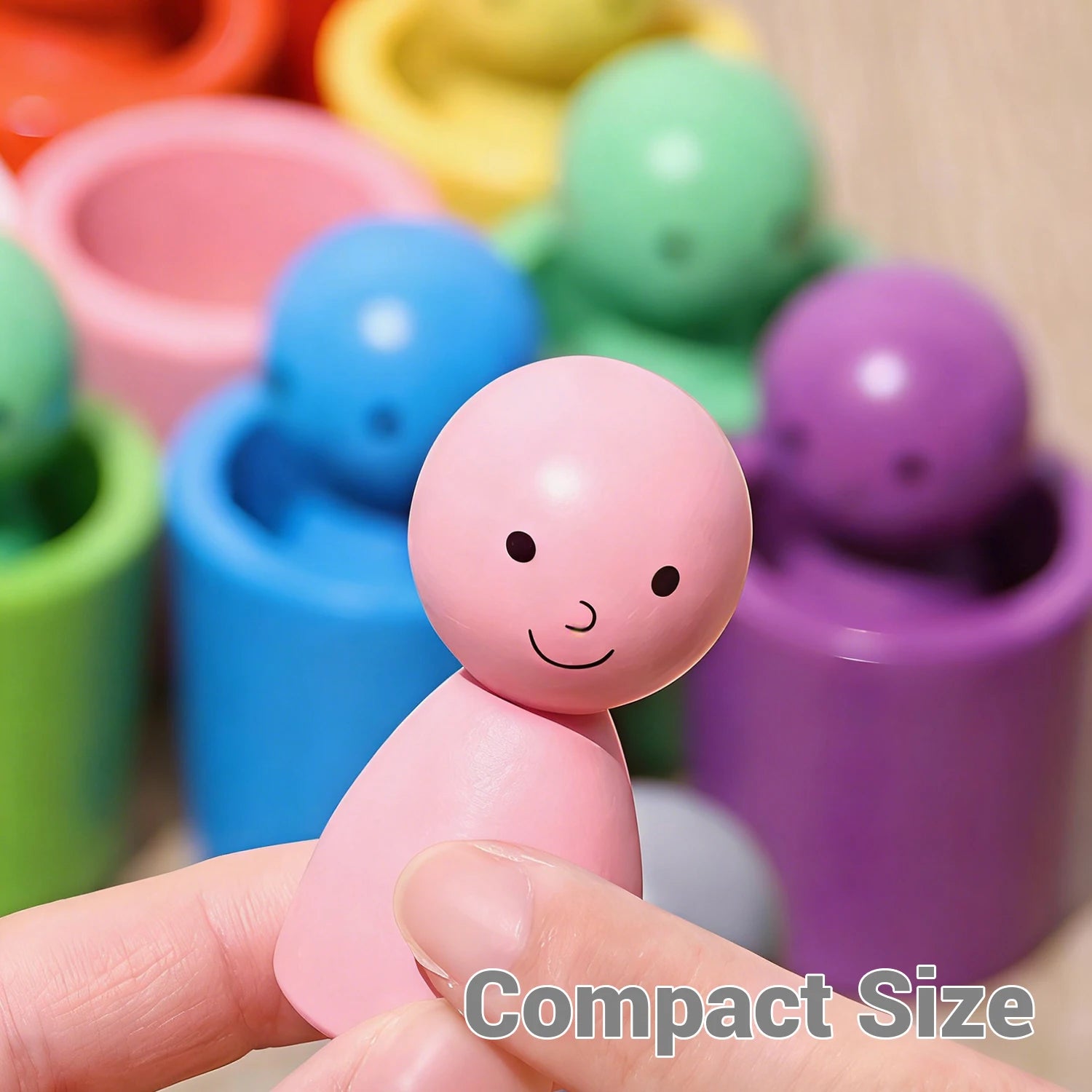
Toys that improve fine motor skills help kids develop stronger coordination through everyday play. See it in action.
What Are Fine Motor Skills?
Fine motor skills are the small, precise movements made by the muscles in the hands, fingers, and wrists. They allow children to complete daily tasks that require accuracy, control, and coordination. Developing these skills during infancy and the preschool years lays the foundation for greater independence at home and school.
Fine motor skill toys for toddlers encourage these movements in enjoyable ways, helping children practice naturally while they play.
Fine motor milestones by age
- 12–18 months: Picking up small objects, turning pages, and stacking a few blocks.
- 18–24 months: Scribbling with crayons, placing shapes into sorters, and using a spoon with more control.
- 2–3 years: Building taller towers, completing simple puzzles, and turning knobs or lids.
- 3–5 years: Cutting with child-safe scissors, drawing recognizable shapes, buttoning clothing, and beginning handwriting skills.
How play strengthens hand muscles and coordination
Hands-on play gives children repeated opportunities to squeeze, pinch, grasp, twist, stack, and release objects. These actions strengthen the muscles needed for writing, dressing, self-feeding, and other everyday activities while improving hand-eye coordination and finger dexterity.
- Grasping and holding objects securely
- Pinching and releasing small pieces
- Improving hand-eye coordination
- Building finger strength and control
- Developing bilateral coordination by using both hands together
Without regular practice, some children may need extra time to master tasks that support school readiness and everyday independence. Providing engaging, age-appropriate toys helps create enjoyable opportunities to develop these essential skills through play.
Which Toys Improve Fine Motor Skills Fastest?
The best fine motor skill toys encourage children to repeat precise hand movements while staying engaged. Toys that involve grasping, pinching, stacking, matching, and manipulating small objects provide regular opportunities to strengthen finger muscles, improve coordination, and build confidence through practice.
| Toy Type | Primary Skill Developed | Best For |
|---|---|---|
| Sorting Toys | Hand-eye coordination and pincer grasp | Toddlers learning to match shapes and colors |
| Stacking Blocks | Balance, grip control, and spatial awareness | Building coordination and problem-solving |
| Peg Boards | Finger strength and precision | Developing controlled hand movements |
| Puzzles | Precision, planning, and visual recognition | Older toddlers and preschoolers |
Among these options, sorting toys are especially effective because they combine grasping, releasing, matching, and visual tracking within a single activity. The Montessori Color Sorting Toy is an excellent example, encouraging children to sort colors while strengthening finger control, improving concentration, and practicing coordinated movements during independent play.
Learn step-by-step how to choose the right baby gear
Why Durable Wooden Toys Deliver Better Long-Term Results
Many parents compare wooden toys with plastic alternatives when choosing developmental toys for fine motor skills. While high-quality products made from either material can support learning, durable wooden toys often provide a more focused and long-lasting play experience.
✅ Benefits of Wooden Toys
- Added weight encourages stronger grasping and better hand control.
- Natural textures provide rich tactile feedback during play.
- Durable construction stands up to years of everyday use.
- Open-ended designs encourage creativity instead of relying on electronic features.
- Minimal distractions help children stay focused on practicing one skill at a time.
❌ Potential Limitations of Plastic Toys
- Very lightweight pieces may provide less resistance for developing hand strength.
- Lights, sounds, and buttons can sometimes distract from purposeful practice.
- Some inexpensive plastic toys wear out more quickly with frequent use.
That said, safety and quality matter more than material alone. Well-designed toys made from child-safe materials should have smooth edges, durable construction, and age-appropriate pieces. Pairing wooden toys with resources from Baby Growth & Learning can help families create a balanced environment that supports both play and developmental milestones.
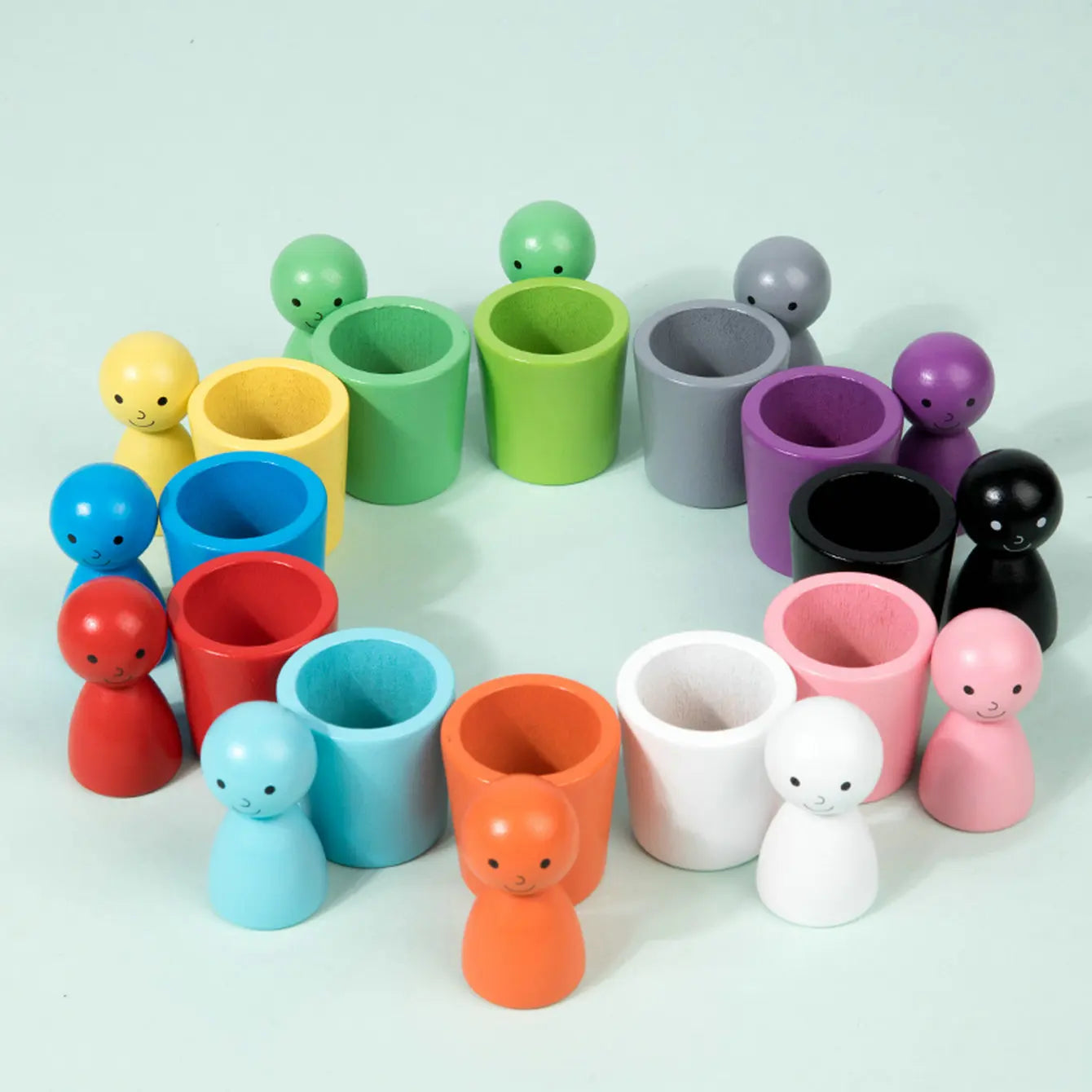
Which toys improve fine motor skills fastest? Hands-on activities encourage steady skill development through everyday play.
Montessori Toys vs Traditional Toys Benefits
Comparing Montessori toys with traditional toys helps parents choose products that match their child's learning style. Montessori-inspired toys typically focus on one developmental objective at a time, allowing children to practice independently and repeat activities until they gain confidence.
| Feature | Montessori Toys | Traditional Toys |
|---|---|---|
| Design | Simple, purposeful, and open-ended | Often colorful with multiple interactive features |
| Learning Style | Independent exploration | Guided or entertainment-focused play |
| Skill Focus | One developmental skill at a time | Several activities combined |
| Attention | Encourages longer periods of concentration | May encourage shorter play sessions |
Neither approach is universally better, and many families benefit from using a combination of both. However, Montessori-style toys are often preferred for fine motor development because they reduce unnecessary distractions and encourage repeated practice, allowing children to build coordination, confidence, and independence at their own pace.
How to Use These Toys for Maximum Results
Using fine motor skill toys consistently and appropriately helps children practice new movements while building confidence. The goal is not to complete activities perfectly, but to provide regular opportunities for exploration, repetition, and gradual improvement.
- Start with simple tasks: Begin with activities such as sorting, stacking, or placing larger pieces to help children understand how objects move and fit together.
- Gradually increase difficulty: Introduce smaller pieces, more complex patterns, or multi-step activities as your child becomes more comfortable.
- Encourage repetition without pressure: Repeating the same activity helps strengthen coordination and muscle memory while allowing children to learn at their own pace.
- Celebrate small achievements: Positive encouragement helps children stay motivated and develop confidence during independent play.
Combining fine motor activities with tools from Mobility & Training supports broader coordination skills by encouraging children to develop movement control throughout the body.
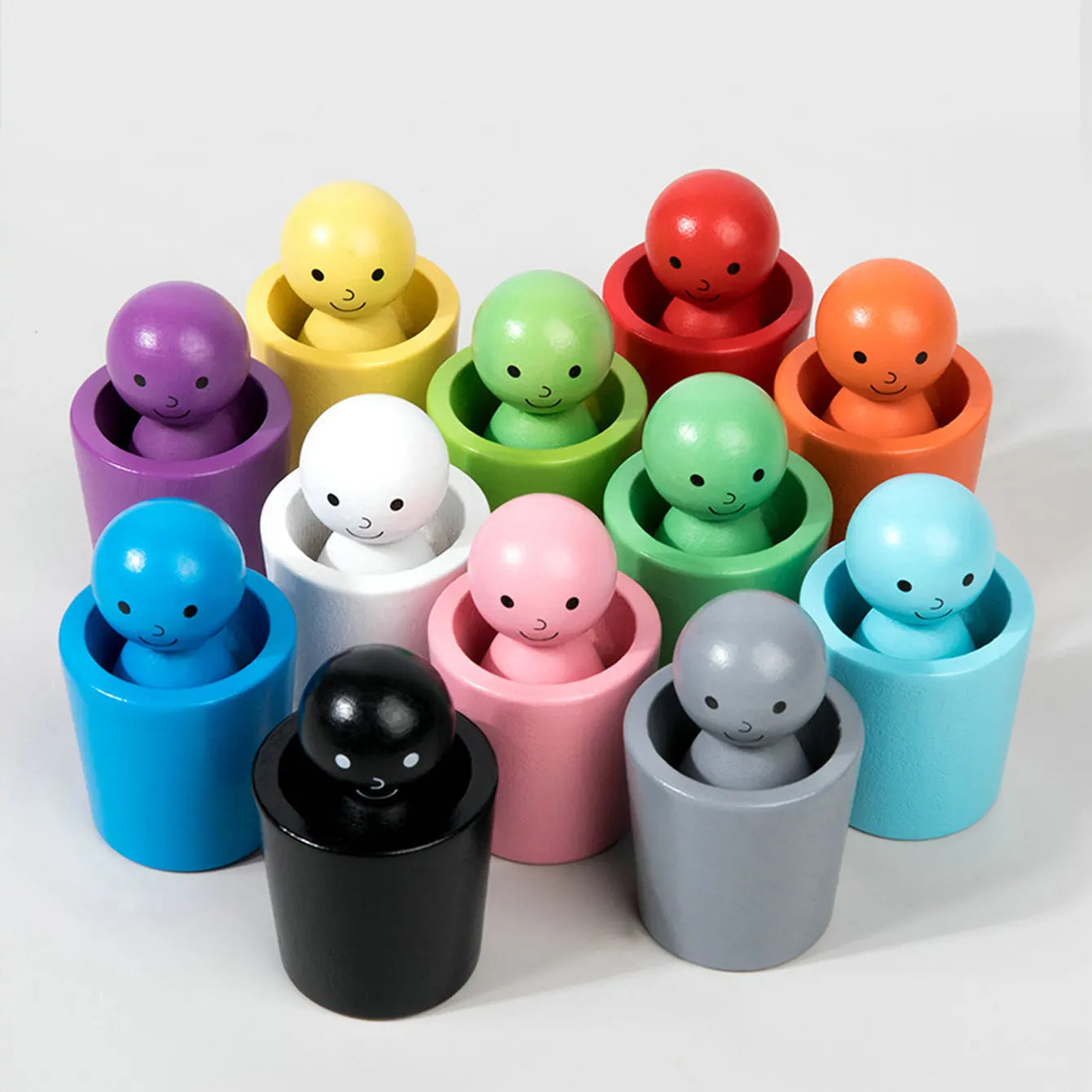
Durable wooden toys for fine motor skills support focused learning through hands-on play.
Frequently Asked Questions
1. What toys help fine motor skills the most?
The best toys that improve fine motor skills are those that encourage children to grasp, pinch, sort, stack, thread, and manipulate objects. Sorting toys, peg boards, puzzles, building sets, and Montessori fine motor skill toys are popular choices because they support hand strength, coordination, focus, and problem-solving through repeated practice.
2. What age should toddlers start using fine motor toys?
Toddlers can begin using simple fine motor toys during infancy with age-appropriate grasping activities. Around 12–18 months, children can practice stacking and placing objects, while toddlers aged 18–36 months can explore sorting, matching, and more detailed activities that challenge coordination and control.
3. Are Montessori toys better for fine motor development?
Montessori fine motor skill toys can be highly effective because they are designed around purposeful movement, independence, and focused practice. Their simple designs often allow children to repeat activities and master one skill at a time. However, the most suitable toy depends on your child's age, interests, and developmental stage.
4. How can I improve my toddler's fine motor skills at home?
You can improve fine motor skills in toddlers by creating daily opportunities for hands-on practice. Activities such as sorting household objects, drawing, playing with building toys, using child-safe tools, and completing puzzles help strengthen finger muscles and improve coordination. Short, regular play sessions are often more effective than occasional longer activities.
5. What safety features should I look for in fine motor toys?
Choose developmental toys for fine motor skills that are made from child-safe materials, have smooth edges, durable construction, and pieces appropriate for your child's age. Avoid toys with small parts that may create choking risks for younger children, and always follow the manufacturer's age recommendations.
Related Articles:
- Sensory Play for 4 Year Olds: What Makes It Effective
- Preschool Montessori Materials: Features That Boost Learning
Pillar Articles:





