

Sensory Play Ideas for Toddlers That Build Skills Through Fun
Do the best sensory play ideas for toddlers really improve learning?
The best sensory play ideas for toddlers help children learn by combining hands-on exploration with meaningful play. Activities that encourage children to touch, sort, stack, match, and explore different textures support fine motor development, concentration, early problem-solving, and language growth. When paired with thoughtfully designed learning tools such as Montessori-inspired color sorting toys, sensory play can make abstract concepts easier to understand while keeping toddlers engaged through active discovery rather than passive entertainment.
Best Sensory Play Ideas for Toddlers
The best sensory play ideas for toddlers do much more than keep little ones entertained. They create opportunities to develop coordination, creativity, communication, and independent thinking through everyday play. Whether you are exploring color sorting, texture exploration, stacking activities, or simple hands-on games, choosing age-appropriate sensory experiences helps toddlers build essential developmental skills while making learning enjoyable. This guide explores practical, low-stress sensory play ideas, explains why they support healthy development, and helps you discover activities that fit naturally into your family's daily routine.
⏱ 8 min read
Looking for engaging sensory activities that don't create hours of cleanup? Wondering which experiences genuinely support your toddler's development instead of simply adding more toys to your home?
Keep reading to discover practical sensory play ideas that encourage learning, creativity, and confidence while remaining simple enough for everyday life.
Discover the safest toys for your baby
Explore hands-on, skill-building options in our Sensory Toys collection.
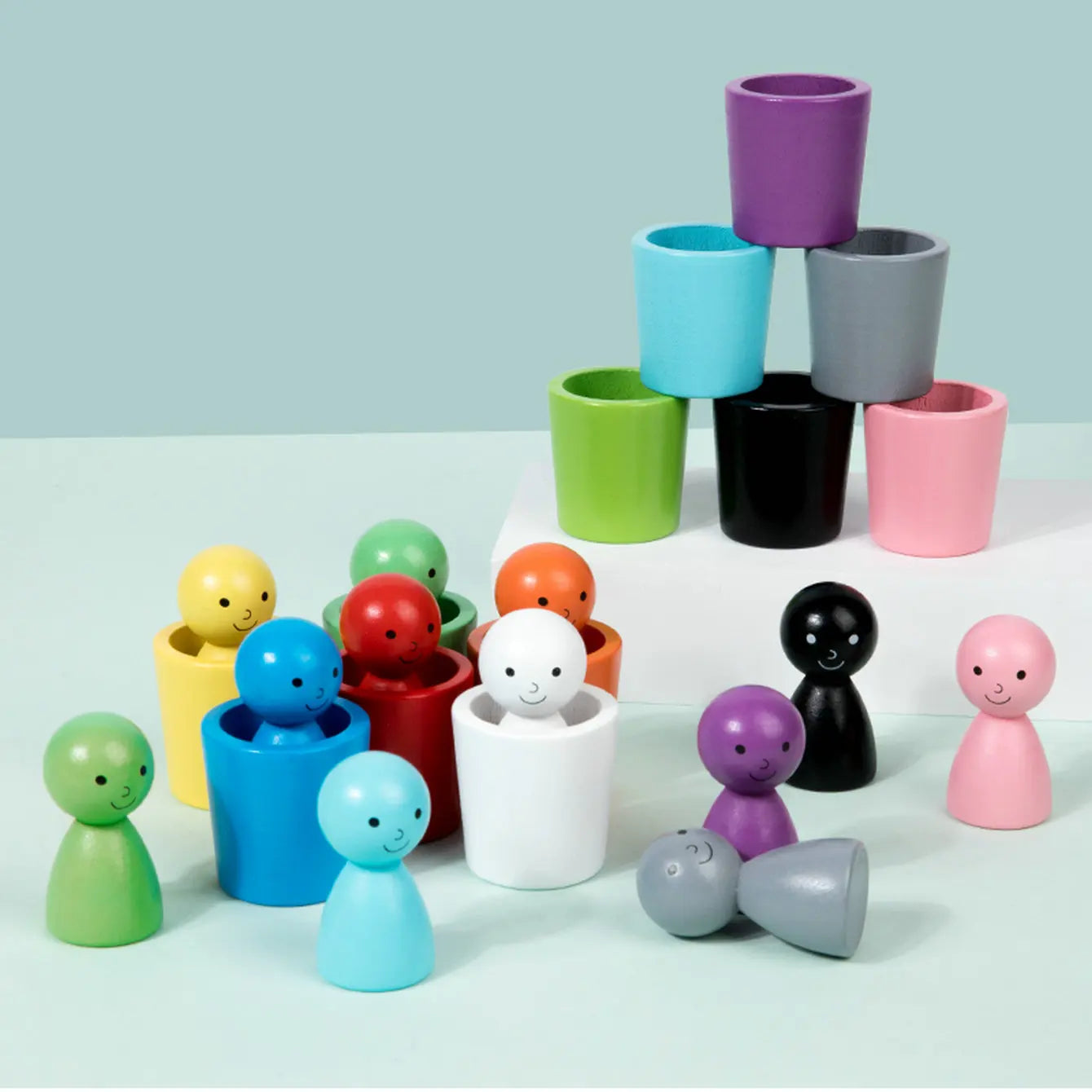
Best sensory play ideas for toddlers with Montessori color sorting toys — See it in action
What are the best sensory play ideas for toddlers?
The best sensory play ideas for toddlers encourage children to explore the world using multiple senses while practicing age-appropriate skills. Rather than relying on complicated setups, effective sensory activities use simple materials and purposeful play to strengthen fine motor coordination, visual perception, problem-solving, and attention span.
Great sensory experiences are open-ended enough for toddlers to experiment at their own pace while providing gentle opportunities to build confidence and independence. Many activities can be completed in just 10 to 20 minutes and fit easily into everyday routines.
- Color sorting with wooden toys to build visual discrimination and early matching skills
- Texture exploration using fabric, wood, silicone, natural materials, and other child-safe objects
- Stacking and balancing games that develop hand-eye coordination and spatial awareness
- Water-free sensory boards for quiet, reusable exploration with minimal cleanup
- Shape matching and simple puzzles that strengthen reasoning and fine motor control
Unlike sensory activities that require large bins of sand, slime, or messy materials, these structured ideas are easy to prepare, simple to clean up, and suitable for busy families looking to support learning through everyday play.
Why Montessori-Inspired Sensory Toys Make Learning Easier
Montessori-inspired sensory toys are designed to encourage active exploration rather than passive entertainment. Instead of relying on flashing lights or loud sounds, these toys invite toddlers to manipulate objects, solve simple challenges, and repeat activities until they master new skills. This child-led approach supports concentration while allowing children to learn at their own pace.
- Less overstimulation: Simple designs help toddlers stay engaged without distracting lights or excessive noise.
- Purpose-driven play: Each activity encourages skills such as sorting, matching, grasping, counting, or problem-solving.
- Durable materials: Quality wooden and child-safe materials withstand repeated everyday use.
- Encourages independence: Open-ended activities allow children to make choices, correct mistakes, and build confidence through self-directed play.
While every child develops differently, many families find that calm, hands-on learning environments make it easier for toddlers to practice new skills consistently. Explore more developmental resources in Baby Growth & Learning to support every stage of early childhood.
Top Sensory Play Ideas That Actually Build Skills
1. Color Sorting Activities That Improve Focus
Color sorting is one of the most effective sensory play ideas for toddlers because it combines visual recognition, fine motor practice, and early cognitive development. As children group objects by color, they learn to observe similarities, make decisions, and strengthen attention to detail.
- Match colored balls, blocks, or pom-poms with cups or bowls.
- Use wooden sorting boards to practice color recognition and hand-eye coordination.
- Create simple "find the color" games using everyday household objects.
- Increase the challenge gradually by introducing more colors as confidence grows.
2. Fine Motor Skill Builders Through Grasping
Activities that encourage grasping, pinching, and placing objects help strengthen the small muscles in children's hands and fingers. These foundational movements support everyday tasks such as self-feeding, dressing, drawing, and eventually handwriting.
- Transfer objects using fingers or child-safe tongs.
- Place wooden pieces into matching slots or sorting trays.
- Stack and balance blocks to improve coordination and control.
- Practice picking up objects of different sizes and textures.
3. Mess-Free Sensory Exploration
Not every sensory activity requires water, sand, or messy materials. Many toddlers enjoy tactile exploration through reusable, low-maintenance activities that are quick to prepare and easy to clean up.
- Explore textured boards featuring smooth, soft, rough, and wooden surfaces.
- Use shape sorters and stacking toys to encourage hands-on discovery.
- Create fabric or felt matching activities for quiet independent play.
- Rotate sensory materials regularly to maintain curiosity without overwhelming your child.
For families who prefer structured daily routines, these activities provide meaningful learning opportunities with minimal cleanup. Pair sensory play with calming routines from Sleep & Comfort for better daily flow.
Some sensory play activities naturally benefit from simple, well-designed learning materials that encourage children to sort, match, stack, and explore at their own pace. Wooden color sorting toys are one example of an open-ended resource that supports multiple areas of development without relying on lights, sounds, or batteries. They can be incorporated into a variety of sensory play ideas for toddlers, making them suitable for independent practice as well as guided parent-child activities.
Children can use these toys to practice color recognition, hand-eye coordination, fine motor control, counting, pattern building, and early problem-solving through repeated hands-on exploration.
Get yours now — limited stock!
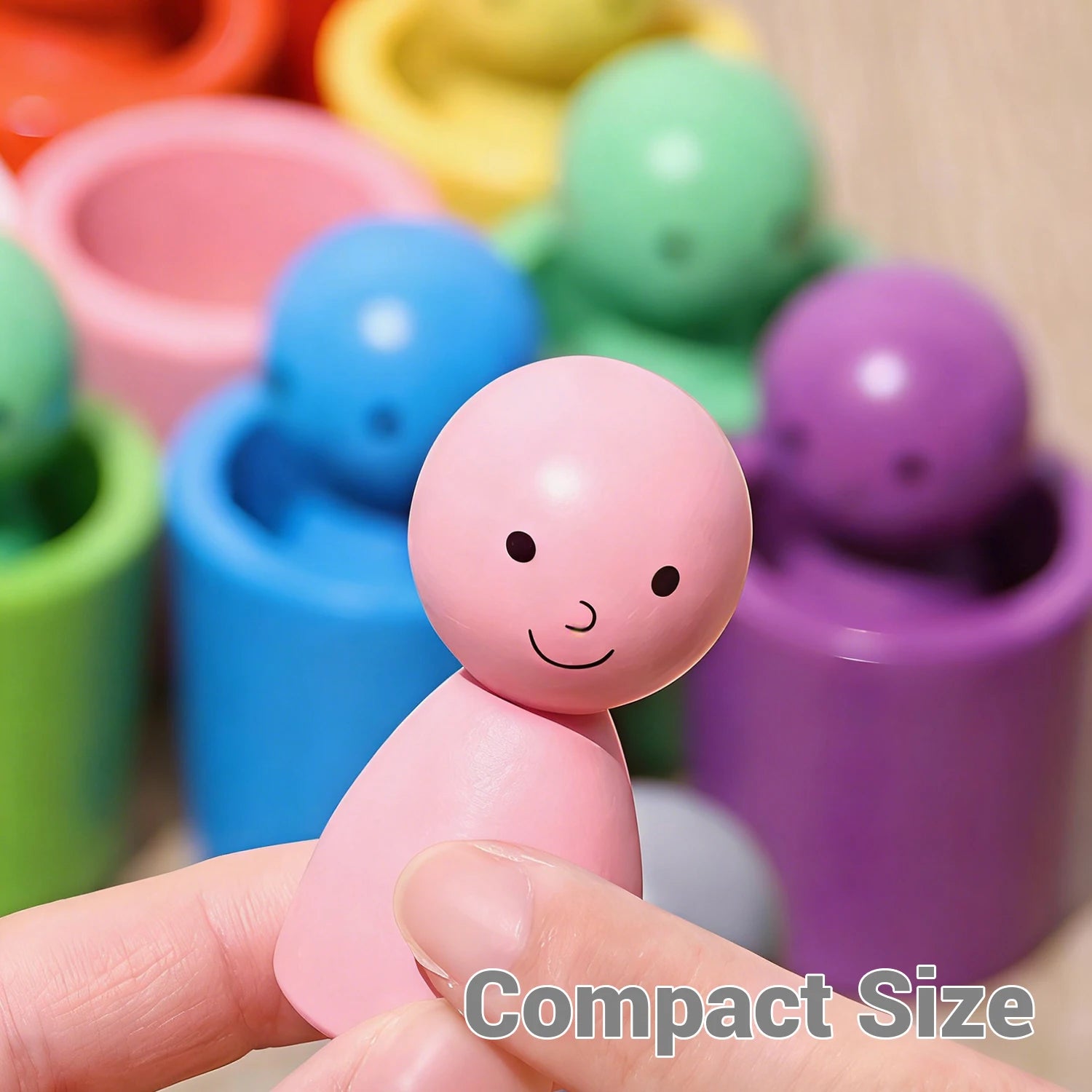
Wooden Montessori color sorting toy used during sensory play activities for toddlers — See it in action
Features That Support Sensory Learning
- Child-safe wooden construction designed for repeated everyday use
- Bright colors that encourage visual discrimination without excessive stimulation
- Toddler-friendly pieces that promote grasping, sorting, and matching skills
- Multiple ways to play, including color sorting, counting, sequencing, and simple pattern recognition
Ways to Use It During Sensory Play
- Sort objects by color using bowls or matching compartments.
- Create simple counting games while placing pieces into groups.
- Build repeating color patterns to introduce early math concepts.
- Practice hand-eye coordination by transferring pieces with fingers or child-safe tongs.
- Encourage independent exploration by allowing toddlers to discover different ways to organize the pieces.
Like many Montessori-inspired learning materials, wooden sorting toys work best when adults encourage exploration rather than focusing on finding the "correct" answer immediately. Allowing children to repeat activities at their own pace helps build confidence while reinforcing new skills.
Learn step-by-step how to choose the right baby gear
Browse more practical solutions in Baby Growth & Learning .
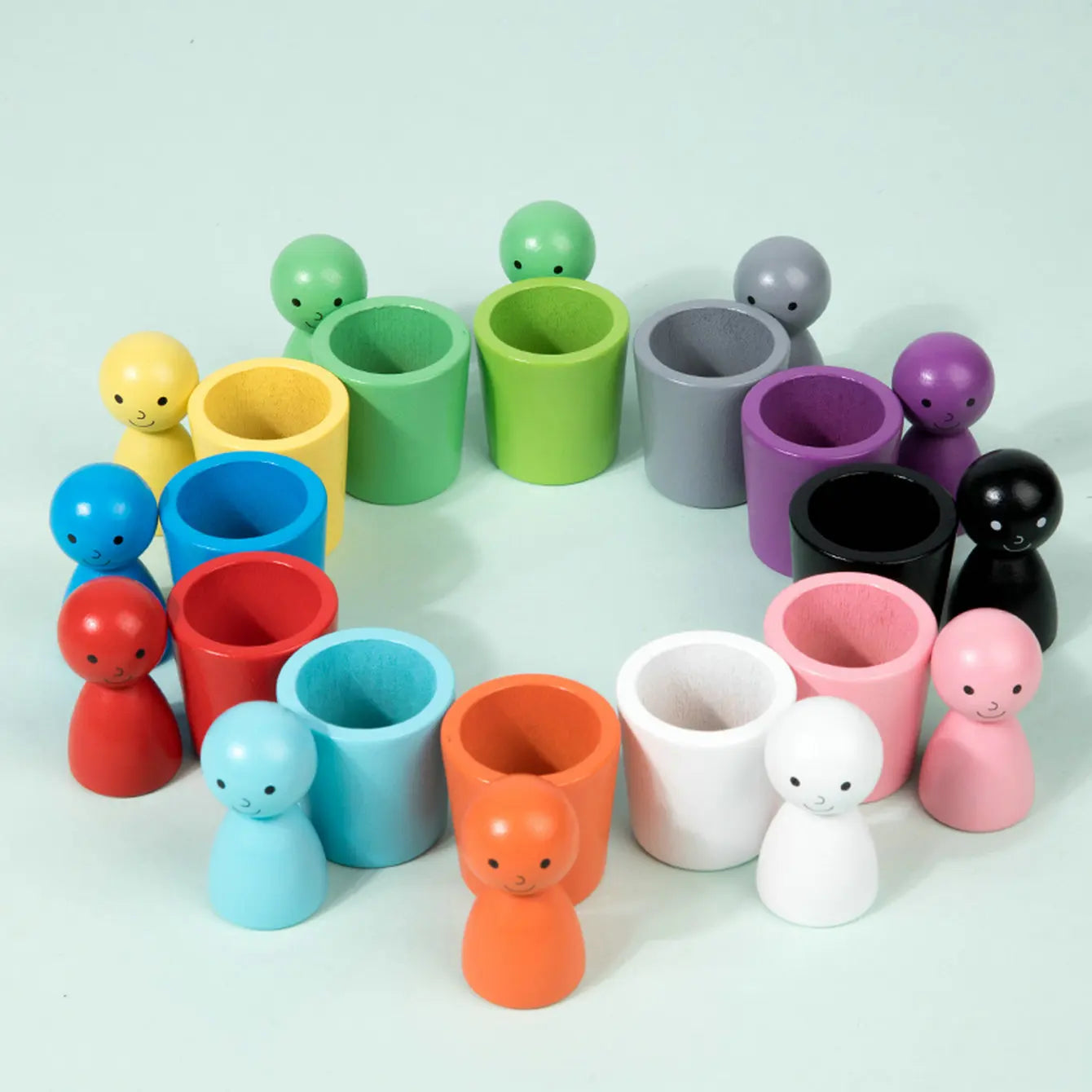
Hands-on sensory play activities help toddlers build coordination and confidence through everyday exploration — See it in action
How to Choose the Right Sensory Toy for Your Toddler
The best sensory toys encourage active exploration, match your child's developmental stage, and can be used in multiple ways over time. Rather than choosing toys with the most features, focus on materials that promote creativity, independent problem-solving, and repeated hands-on practice.
- Look for multiple learning opportunities. Choose toys that support more than one developmental skill, such as sorting, matching, counting, stacking, or hand-eye coordination.
- Prioritize safe, durable materials. Select products made from child-safe, non-toxic materials with smooth edges and sturdy construction that can withstand everyday use.
- Avoid unnecessary overstimulation. Toys without excessive lights, sounds, or electronic distractions often encourage longer periods of focused, imaginative play.
- Match the toy to your toddler's age and abilities. Activities should be challenging enough to encourage learning while remaining achievable to build confidence.
- Choose toys with lasting play value. Open-ended learning materials that can be used in different ways as your child grows provide better long-term value than single-purpose toys.
As you build your child's play space, rotating a small selection of sensory materials regularly can maintain curiosity while preventing overstimulation. Explore trusted options in Sensory Toys to simplify your decision.
Every child develops at their own pace, so observe which activities naturally capture your toddler's interest and gradually introduce new challenges as their confidence and abilities grow.
Shop the Montessori Color Sorting Toy
Shop the Montessori Color Sorting Toy to support hands-on learning through purposeful sensory play.
Printable Supply Checklist and Activity Planner
Keeping a small collection of reusable materials makes it easy to enjoy toddler sensory play ideas at home without spending a lot of time preparing activities. Choose versatile supplies that can be mixed and matched to create new learning experiences throughout the year.
Essential Supplies
- Wooden sorting toys and shape sorters
- Stacking blocks and nesting cups
- Large pom-poms or soft fabric balls
- Child-safe scoops, cups, and tongs
- Textured fabrics, felt pieces, and natural wooden objects
- Large crayons, washable paper, and drawing materials
- Storage baskets or trays for easy activity rotation
Seasonal Swaps
- Spring: Flowers, leaves, and nature-inspired color matching.
- Summer: Water play, ice cubes, and outdoor texture exploration.
- Autumn: Pinecones, large leaves, pumpkins, and natural sensory collections.
- Winter: Soft fabrics, cotton balls, indoor obstacle courses, and quiet sorting activities.
Storage Tips
- Store activities in clear containers so toddlers can see available choices.
- Rotate materials every one to two weeks to maintain interest.
- Keep only a few activities accessible at one time to reduce clutter and overstimulation.
- Separate small parts until children are developmentally ready to use them safely under supervision.
Frequently Asked Questions
What are the best sensory play activities for toddlers?
The best sensory play activities for toddlers include color sorting, stacking blocks, texture exploration, shape matching, simple water play, and nature-based discovery. These activities encourage fine motor development, problem-solving, creativity, and independent exploration while remaining enjoyable for young children.
What are safe sensory play materials for toddlers?
Choose age-appropriate, non-toxic materials that are large enough to avoid choking hazards. Wooden toys, silicone items, textured fabrics, large blocks, washable play materials, and natural objects such as smooth stones or large pinecones can all be suitable when used with adult supervision.
How can I do toddler sensory play ideas at home on a budget?
Many effective sensory activities use everyday household materials. Measuring cups, cardboard boxes, fabric scraps, paper tubes, plastic containers, and recycled household items can provide meaningful learning opportunities without requiring expensive toys.
What age should toddlers start sensory play?
Sensory play can begin during infancy with age-appropriate supervised exploration and continues to evolve throughout the toddler years. Activities should always match a child's developmental stage, interests, and abilities.
How do I reduce mess during sensory play?
Choose reusable materials such as wooden toys, stacking blocks, sorting games, felt boards, and textured objects. Using trays, washable mats, or designated play areas also helps contain materials and makes cleanup much easier.
Related Articles:
- Learning Preschool Toy: Honest Reviews from Real Parents
- Wooden vs Plastic Sorting Toys Toddlers: Brand Showdown
Pillar Articles:





