

Why Multiplication Board Game Boosts Memory and Focus
Does a learning math app really improve results?
A learning math app improves results by combining interactive practice, instant feedback, and engaging game mechanics. Studies show kids retain up to 60% more when actively involved. Compared to passive worksheets, these apps adapt difficulty levels, helping children master multiplication faster and with less frustration.
Learning Math App Features That Actually Improve Results
⏱ 7 min read — Struggling to get your child excited about multiplication? You’re not alone. Many parents face nightly battles over worksheets that lead to frustration instead of progress. The right tools can change everything. This guide breaks down what truly works in a learning math app and why some methods deliver faster, lasting results.
Which approach actually helps your child learn faster—traditional worksheets or interactive tools? Let’s explore what makes the difference.

💡 See it in action - learning math app / wooden math toys vs digital learning apps, interactive multiplication games for classroom learning, best multiplication games for kids at home, kids lose interest in math worksheets
Explore the Montessori Math Learning Toy Set
Why Kids Lose Interest in Math Worksheets
Many children don’t dislike math—they dislike how it’s taught. Static worksheets often lead to boredom and repetition without understanding.
- No instant feedback = confusion builds
- Repetition feels like punishment
- Lack of engagement reduces focus
- No visual or hands-on learning
This is why kids lose interest in math worksheets quickly, even if they’re capable learners.
Features That Actually Improve Results
1. Interactive Multiplication Games That Reinforce Learning
Interactive multiplication games for classroom learning and home use turn practice into play. Kids stay engaged longer, which leads to better retention.
- Gamified challenges increase motivation
- Progress tracking builds confidence
- Rewards systems encourage consistency
2. Adaptive Learning Technology
A strong learning math app adjusts difficulty based on your child’s performance.
- Prevents frustration from tasks that are too hard
- Avoids boredom from tasks that are too easy
- Builds mastery step-by-step
3. Instant Feedback That Builds Understanding
Unlike worksheets, apps provide immediate correction. This helps kids learn from mistakes right away instead of repeating them.
4. Multi-Sensory Learning Experience
Combining visuals, sounds, and interaction improves comprehension. Pairing digital tools with hands-on resources from Sensory Toys enhances results even further.
See how this hands-on tool complements digital learning
Wooden Math Toys vs Digital Learning Apps
Parents often compare wooden math toys vs digital learning apps when choosing the best solution.
| Feature | Digital Apps | Wooden Math Toys |
|---|---|---|
| Engagement | High (interactive games) | Moderate (hands-on) |
| Screen-Free Learning | No | Yes |
| Skill Retention | Strong with repetition | Strong with tactile learning |
| Focus Development | May vary | High |
Best results often come from combining both approaches. Digital tools introduce concepts, while physical tools reinforce them.
Best Multiplication Games for Kids at Home and Classroom
The best multiplication games for kids at home are those that balance fun and structure.
- Quick daily practice sessions (10–15 minutes)
- Mix of digital and physical activities
- Use repetition without pressure
- Incorporate real-life examples
In classrooms, interactive multiplication games help maintain group engagement and encourage participation.
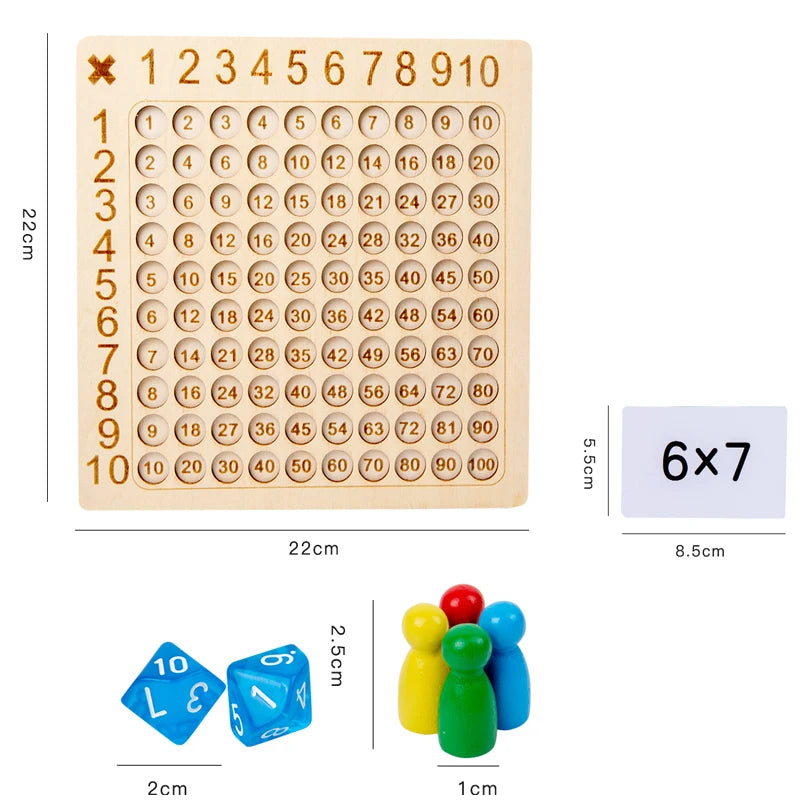
💡 See it in action - learning math app / wooden math toys vs digital learning apps, interactive multiplication games for classroom learning, best multiplication games for kids at home, kids lose interest in math worksheets
How to Choose the Right Learning Tool
- Look for adaptive difficulty features
- Prioritize engagement over repetition
- Combine screen-based and hands-on tools
- Ensure progress tracking is included
Explore more educational tools in Baby Growth & Learning to build a well-rounded learning routine.
Real Parent Results and Experiences
Parents report noticeable improvements when switching from worksheets to interactive learning.
- “My child memorized times tables in 2 weeks instead of months.”
- “No more homework fights—math became fun.”
- “Combining apps with physical tools made the biggest difference.”
Many also found that adding structured routines alongside tools from Mom Essentials helped maintain consistency.
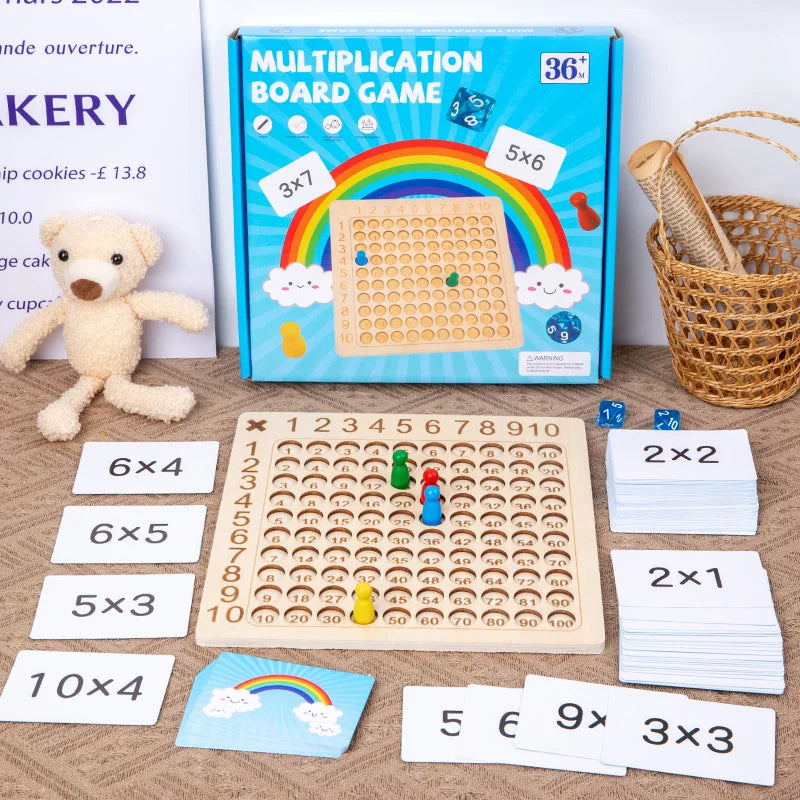
💡 See it in action - learning math app / wooden math toys vs digital learning apps, interactive multiplication games for classroom learning, best multiplication games for kids at home, kids lose interest in math worksheets
Start improving your child’s math skills today
FAQs
What is the best learning math app for multiplication?
The best learning math app includes interactive games, adaptive difficulty, and instant feedback. These features help children stay engaged and improve faster compared to traditional methods.
Are digital math apps better than worksheets?
Yes, in most cases. Digital apps provide engagement and feedback, while worksheets are static. However, combining both with hands-on tools gives the best results.
How can I help my child learn multiplication faster?
Use a mix of interactive multiplication games, short daily practice sessions, and physical tools to reinforce learning. Consistency matters more than duration.
Do kids really learn better with games?
Yes. Game-based learning increases motivation, which leads to better retention and understanding compared to passive learning methods.
Pillar Article: Math Learning Tools That Build Skills Faster for Kids
Other Related Articles:
Explore More:





