

Do Anti-Colic Bottles Really Help Reduce Gas and Feeding Problems?
Yes—high-quality anti-colic bottles can help reduce air intake during feeding, which may decrease gas, spit-up, fussiness, and feeding discomfort in many newborns. While no bottle can completely prevent choking or reflux, the best anti-colic bottle for newborns combines a controlled-flow nipple, an effective venting system, and a shape that encourages a comfortable feeding position. These features also support safer feeding routines when used alongside an appropriate bottle feeding chart for newborn schedules.
Best Anti-Colic Bottle for Newborns: Top Picks Compared
⏱ 8 min read
Choosing the best anti colic bottle for newborn feeding can feel overwhelming with so many designs promising fewer feeding problems. Whether you're dealing with gas, frequent burping, milk dribbling, or newborn choking while bottle feeding, the right bottle can make feeding sessions calmer and more comfortable. This guide compares the leading options, explains how anti-colic systems work, and helps you decide which bottle best fits your baby's feeding needs.
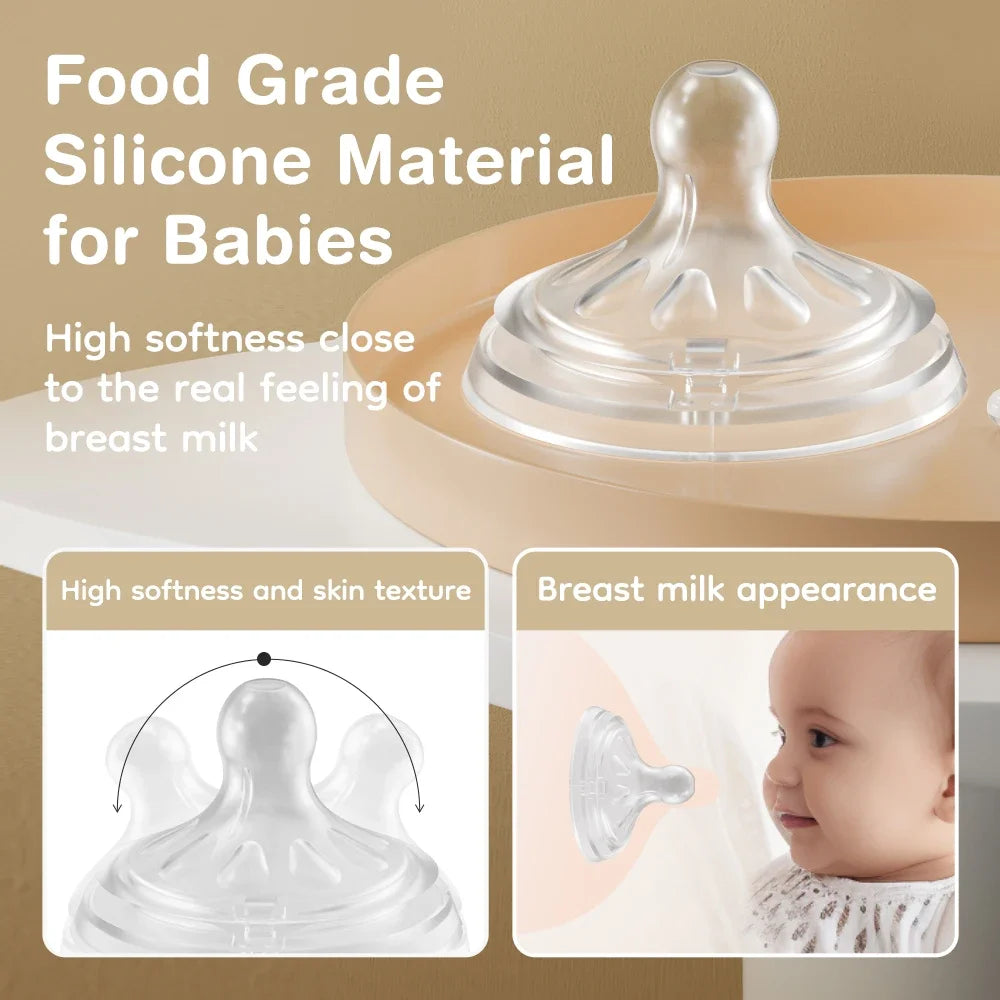
Best anti choke bottle newborn design supporting ways to prevent choking in infants. See it in action.
Best Anti-Colic Bottle for Newborns: Top Picks Compared
Best Overall
KentDO Anti-Choke Baby Bottle combines a slow-flow nipple, anti-colic venting, and an ergonomic design to help reduce air intake while supporting a natural feeding rhythm. It is an excellent choice for newborns starting bottle feeding.
Pros: Controlled milk flow, easy to clean, newborn-friendly, comfortable grip.
Cons: Available in fewer size options than some premium brands.
Best for: Everyday newborn feeding and parents prioritizing safer bottle feeding.
Best for Breastfed Babies
Philips Avent Natural Response features a breast-shaped nipple that releases milk only while babies actively drink, helping ease the transition between breastfeeding and bottle feeding.
Best for Gas & Reflux
Dr. Brown's Options+ uses an internal vent system that minimizes swallowed air, making it a popular option for babies with frequent gas or mild reflux symptoms.
Best Budget Option
Evenflo Classic Vented+ provides dependable venting at an affordable price for families needing multiple bottles.
Best for Easy Cleaning
Comotomo Baby Bottle has a wide-neck design with minimal parts, making washing and sterilizing much simpler.
Best Glass Bottle
Lansinoh Glass Baby Bottle offers a durable glass construction for parents who prefer plastic-free feeding products.
Best Wide-Neck Bottle
MAM Easy Start Anti-Colic features a wide opening and self-sterilizing base for convenient everyday use.
Best for Premature & Small Newborns
NUK Simply Natural offers extra slow-flow nipple options suitable for smaller babies with developing feeding coordination.
How We Tested & Chose
Our comparison focuses on factors parents care about most:
- Milk flow consistency
- Anti-colic vent performance
- Cleaning difficulty
- Compatibility with paced feeding
- Overall value and newborn suitability
Do Anti-Colic Bottles Really Help?
Anti-colic bottles work by reducing the amount of air babies swallow during feeding. Most designs include vents or air channels that allow air to enter the bottle separately from the milk, reducing bubbles inside the nipple.
Potential benefits include:
- Less swallowed air
- Reduced burping and gas
- Less spit-up for many infants
- More comfortable feeding sessions
- Improved feeding rhythm with slow-flow nipples
Although studies suggest vented bottle systems may reduce feeding discomfort for some babies, results vary. Babies with reflux, tongue tie, or feeding difficulties may still benefit from evaluation by a pediatrician or feeding specialist.
Why Newborns Choke While Bottle Feeding
Many parents confuse gagging with choking. Mild gagging can occur while babies learn to coordinate sucking, swallowing, and breathing. True choking is much less common but requires immediate attention.
Common Causes
- Nipple flow that is too fast
- Poor feeding position
- Large milk volume entering too quickly
- Excess swallowed air
- Overfeeding or feeding while lying flat
Warning Signs
- Persistent coughing during feeds
- Blue lips or difficulty breathing
- Unable to cry or make sounds
- Repeated choking episodes
- Poor weight gain with feeding problems
When to Seek Medical Advice
Speak with your pediatrician if your baby consistently coughs during feeds, frequently vomits large amounts, refuses bottles, or shows signs of reflux or breathing difficulty.
Anti-Colic vs Anti-Choke Bottles: What's the Difference?
Although the terms are often used interchangeably, they describe slightly different goals.
| Feature | Anti-Colic Bottle | Anti-Choke Bottle |
|---|---|---|
| Main purpose | Reduce swallowed air | Support controlled milk flow |
| Key feature | Venting system | Slow-flow nipple |
| Helps with | Gas, burping, fussiness | Milk flow control |
| Ideal for | Babies with colic or reflux | Newborns learning to feed safely |
Many modern bottles—including the featured KentDO bottle—combine both technologies to improve overall feeding comfort.
What to Look for When Choosing an Anti-Colic Bottle
Vent System
Choose bottles with proven vent technology that reduces air bubbles inside the nipple.
Bottle Material
Both BPA-free plastic and glass bottles can be excellent choices. Glass is durable and scratch resistant, while plastic is lightweight and travel friendly.
Nipple Shape
Wide, soft silicone nipples often help breastfed babies transition between breast and bottle more easily.
Bottle Size
Newborns typically start with smaller bottles and slow-flow nipples before moving to larger capacities as feeding volumes increase.
Many parents pair these bottles with essentials from Feeding & Nursing collections to build a complete feeding routine.
Anti-Colic Bottle Comparison Table
| Bottle | Vent System | Flow Options | Cleaning | Best For |
|---|---|---|---|---|
| KentDO Anti-Choke Baby Bottle | Integrated vents | Slow-flow | Easy | Everyday newborn feeding |
| Dr. Brown's Options+ | Internal vent | Multiple | Moderate | Gas & reflux |
| Philips Avent Natural Response | AirFree compatible | Multiple | Easy | Breastfed babies |
| Comotomo | Dual vents | Multiple | Very easy | Quick cleaning |
Families often explore Health & Safety resources alongside feeding upgrades.
Bottle Feeding Tips to Reduce Choking and Air Intake
Correct Feeding Position
Keep your baby semi-upright rather than lying flat to support swallowing.
Paced Bottle Feeding
Pause every few minutes to let your baby rest and regulate milk intake naturally.
Choosing Nipple Flow
Use the slowest nipple flow your baby feeds comfortably with. Moving to faster nipples too early may increase coughing and milk overflow.
Burping Routine
Burp your baby after every 2 to 3 ounces or midway through longer feeds to release swallowed air.
- Keep the nipple filled with milk to reduce air intake.
- Watch your baby's feeding cues instead of encouraging them to finish the bottle.
- Replace worn nipples that drip too quickly.
- Clean vents thoroughly after every use.
Parents often find added reassurance using accessories from Bottle Warmers and Sterilization Devices to maintain hygiene and comfort.
View the Anti-Choke Baby Bottle
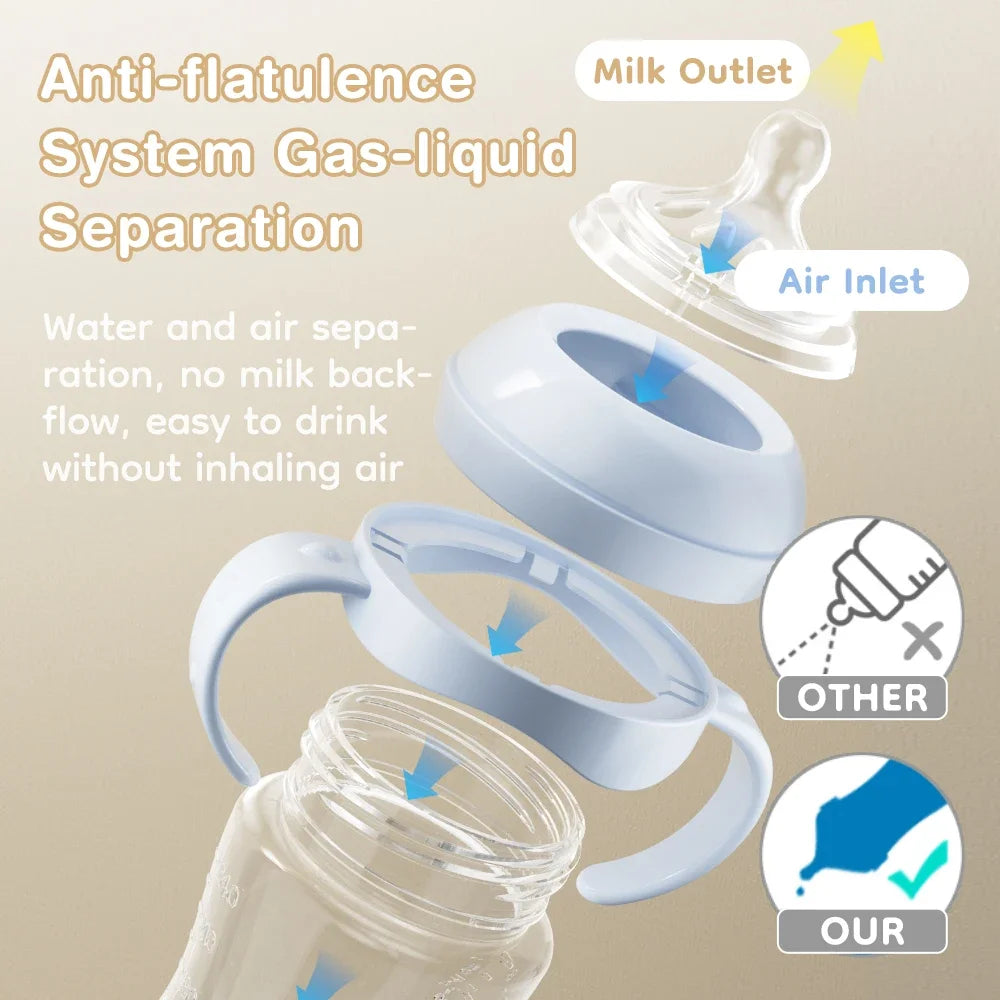
Prevent newborn choking while bottle feeding with a controlled-flow anti-choke bottle. See it in action.
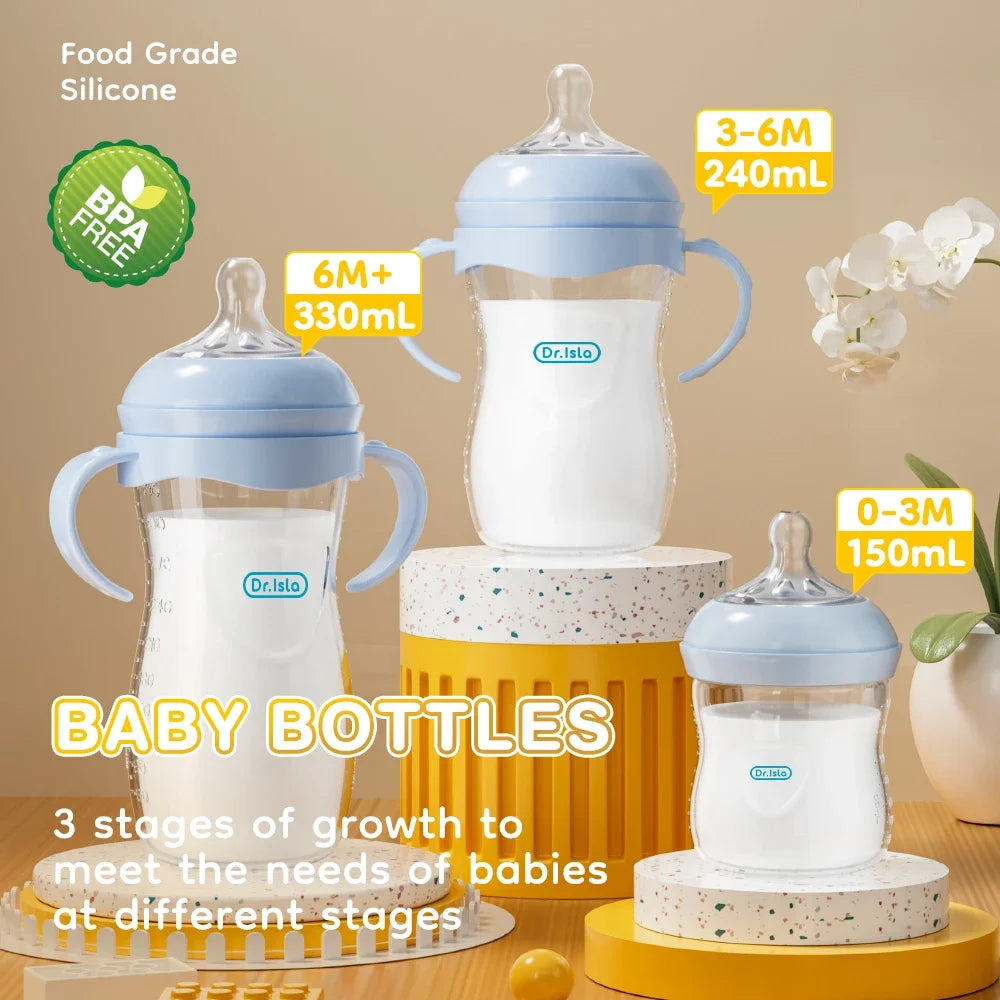
Best anti choke bottle newborn choice supporting safe bottle feeding. See it in action.
Frequently Asked Questions
What is the best anti-colic bottle for a newborn?
The best option combines a slow-flow nipple, effective vent system, and an ergonomic design. The right choice depends on whether your baby struggles more with gas, reflux, or transitioning from breastfeeding.
Do anti-colic bottles help with reflux?
They may help reduce swallowed air, which can lessen spit-up for some babies. However, they do not treat gastroesophageal reflux disease (GERD), and persistent symptoms should be evaluated by your pediatrician.
Can anti-colic bottles prevent choking?
No bottle can completely prevent choking. Proper feeding position, paced feeding, and using the correct nipple flow remain essential for safe bottle feeding.
Which nipple flow is best for newborns?
Most healthy newborns do best with extra slow or slow-flow nipples that match their developing swallowing skills.
Are anti-colic bottles harder to clean?
Some vented systems contain extra parts that require careful washing. Following the manufacturer's cleaning instructions helps maintain bottle performance and hygiene.
When should I stop using an anti-colic bottle?
Many babies transition away from specialized bottles around 4 to 6 months as feeding coordination improves, although some continue benefiting from anti-colic designs throughout bottle feeding.
Pillar Article: Newborn Feeding Safety Bottle Review: Which One Parents Trust
Other Related Articles:
Explore More:





