

Tips for Bottle Feeding Newborns Without Stress or Choking
⏱ 7 min read
What are the best tips for bottle feeding newborns safely?
Tips for bottle feeding newborn focus on calm pacing, upright positioning, and responsive pauses to reduce choking and stress. Holding babies more upright, choosing slow-flow nipples, and allowing frequent breaks help newborns swallow safely, manage milk flow, and avoid coughing, gagging, or excess air intake during feeds.
Tips for bottle feeding newborn can make the difference between anxious, stop-and-start feedings and calm, connected moments you actually enjoy. If your baby coughs, sputters, or seems overwhelmed by milk flow, you’re not alone—and it’s often about positioning, pacing, and small adjustments rather than doing something “wrong.”
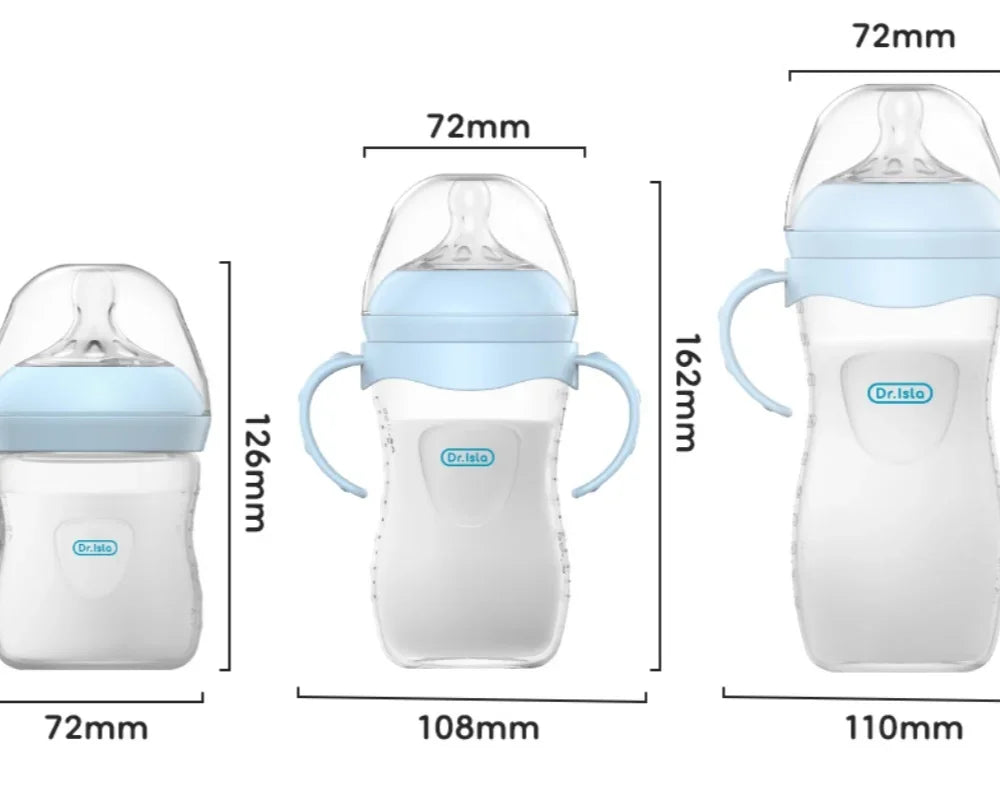
Tips for bottle feeding newborn with upright bottle feeding positions can ease stress fast 💡 See it in action
Why newborn choking while bottle feeding happens more often than parents expect
Newborn choking while bottle feeding is usually about milk flow and gravity—not a baby’s ability to feed. When milk pours faster than a newborn can coordinate sucking, swallowing, and breathing, coughing and sputtering naturally follow.
- Newborns have immature swallow reflexes
- Fast-flow nipples overwhelm small mouths
- Flat feeding positions let milk pool at the throat
- Continuous feeding without pauses limits breathing breaks
Understanding these causes removes fear and shifts focus toward safe bottle feeding positions and responsive pacing.
Upright bottle feeding positions that support safer swallowing
Upright bottle feeding positions use gravity wisely. Instead of milk rushing into the mouth, babies control the flow by actively sucking.
Supported upright cradle
- Baby sits at a 45–60° angle
- Head aligned with neck and torso
- Bottle held nearly horizontal
Side-lying bottle feeding
- Baby lies on their side facing you
- Mimics breastfeeding flow control
- Reduces gulping and air intake
Both positions are considered safe bottle feeding positions when your baby stays alert and comfortable.
Essential tips for bottle feeding newborn without stress
Tips for bottle feeding newborn focus on flow control, positioning, and reading cues rather than forcing a fixed amount or speed.
Tips for bottle feeding newborn work best when feeds feel unrushed and responsive. Watching your baby—not the bottle—guides when to pause, adjust, or stop.
- Choose slow-flow nipples to match newborn sucking strength
- Hold bottles horizontally to prevent flooding
- Pause every 20–30 seconds for breathing
- Stop at early fullness cues like relaxed hands or turning away
Parents who follow these steps often report less crying, less spit-up, and calmer post-feed settling.
How paced bottle feeding reduces gagging and gas
Paced bottle feeding slows the experience so babies stay in control. It’s especially helpful for newborn choking while bottle feeding or frequent hiccups.
- Encourages natural suck-swallow-breathe rhythm
- Prevents overfeeding and reflux discomfort
- Supports easier transitions between breast and bottle
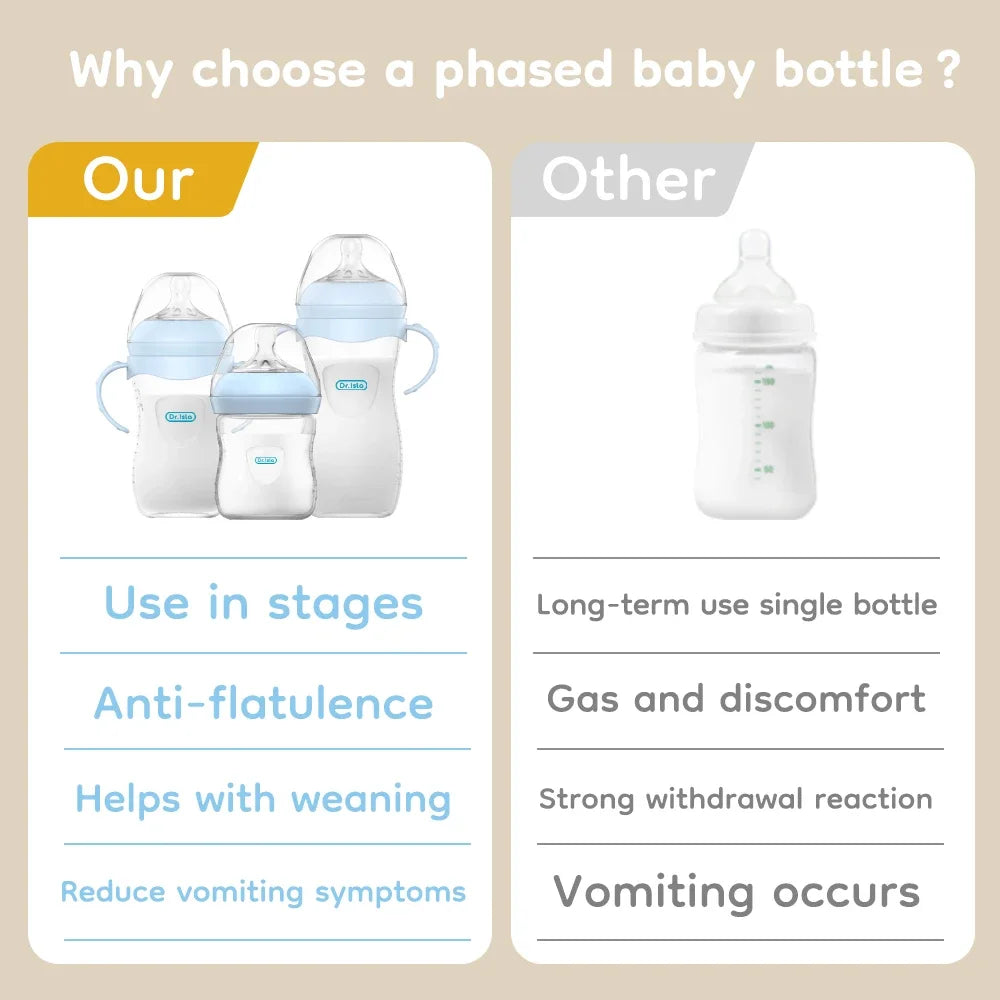
Safe bottle feeding positions paired with paced bottle feeding help prevent choking 💡 See it in action
Comparing common feeding positions: pros and cons
| Position | Pros | Cons |
|---|---|---|
| Flat on back | Easy to hold | Higher choking risk |
| Upright cradle | Better flow control | Requires arm support |
| Side-lying | Mimics breastfeeding | Needs close attention |
Most pediatric feeding specialists favor upright bottle feeding positions for newborn safety and comfort.
Helpful feeding tools that make feeds smoother
While technique matters most, the right tools reduce stress during feeds. Parents often explore options from the Feeding & Nursing collection to support safer routines.
- Anti-colic bottles that regulate airflow
- Slow-flow nipples designed for newborns
- Comfortable feeding pillows for arm support
For hygiene and peace of mind, pairing bottles with items from Sterilization Devices can simplify daily prep.
The one mistake most parents overlook during bottle feeding
Many parents focus on finishing the bottle instead of following baby cues. Pushing past early signs of fullness increases coughing, spitting up, and feeding aversion.
Trusting your baby’s signals—slowing down or stopping early—often leads to better sleep and calmer feeds later.
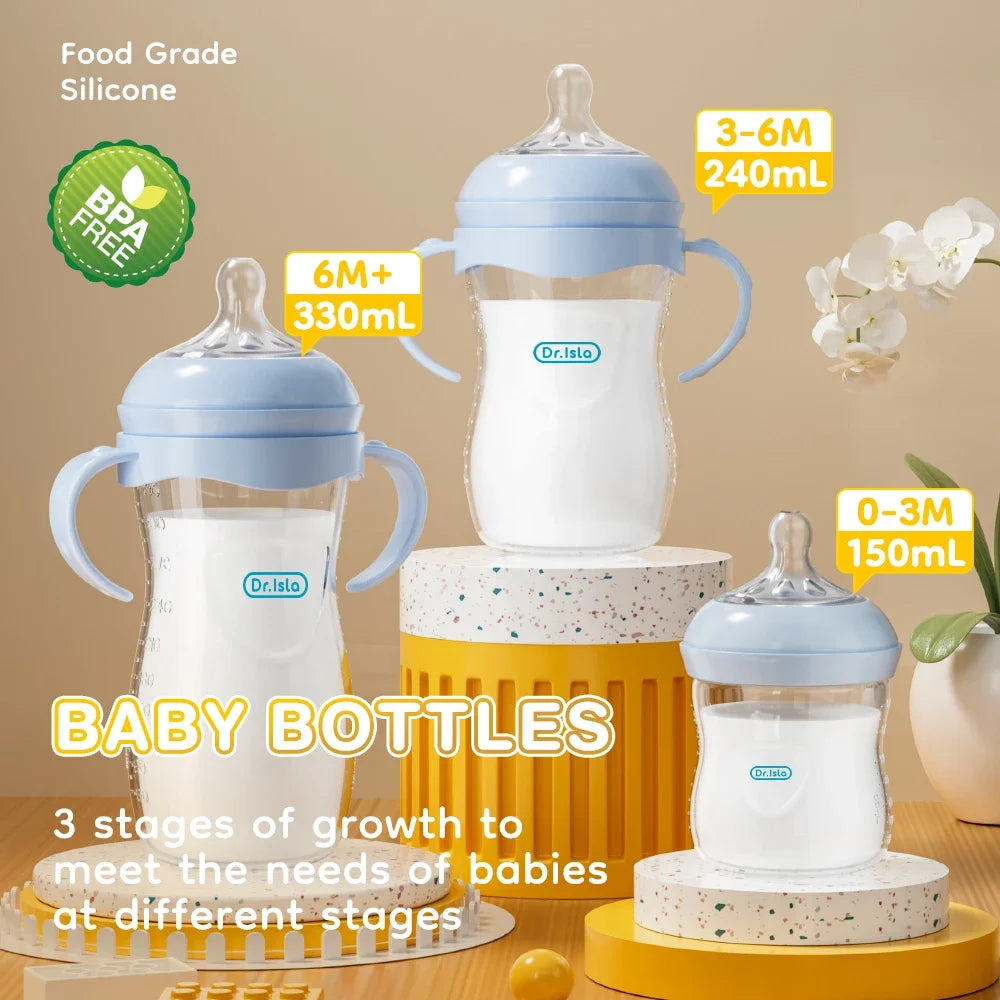
Tips for bottle feeding newborn paired with safe bottle feeding positions build confidence 💡 See it in action
Quick FAQs from new parents
Is coughing during bottle feeding always dangerous?
Occasional coughing happens, but frequent gagging or distress suggests milk flow or positioning needs adjustment.
Can upright bottle feeding help with reflux?
Yes. Upright bottle feeding positions reduce pressure on the stomach and help milk move downward naturally.
How long should a newborn bottle feed last?
Most feeds last 15–25 minutes. Faster feeds may increase choking risk, while very long feeds may signal nipple flow issues.
Pillar Article: Anti Colic Feeding Bottle Reviews: Find the Safest Choice for Newborns
Other Related Articles:
- Why Does My Newborn Have So Much Gas? Bottles That Help
- Best Bottle for Gassy Newborns: Expert Reviews & Tips
- How Do Anti Colic Bottles Work? A Simple Guide for New Parents
- Top Anti Colic Bottles for Newborns: Side-by-Side Comparison
Explore More:





