

Buy Anti Colic Baby Bottle: Honest Reviews and User Insights
Buying an anti colic baby bottle can be a worthwhile investment for families dealing with frequent gas, fussiness, or difficult feeds. The best BPA free PP plastic bottles use vent systems that reduce swallowed air while supporting a comfortable latch. Understanding how anti colic bottles work, who benefits most, and what features matter helps parents choose a bottle that fits their baby's feeding needs rather than relying on marketing claims.
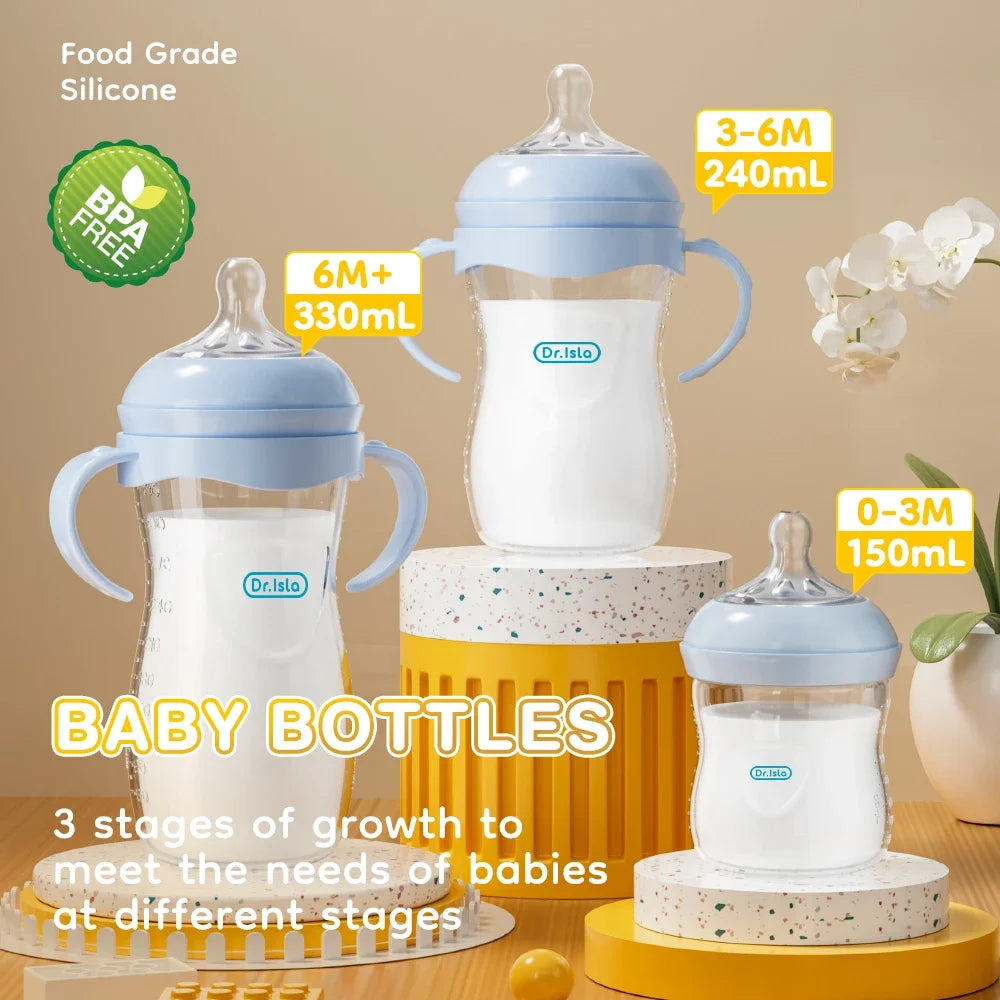
See it in action: buy anti colic baby bottle and reduce newborn gas effectively
⏱ 9 min read
Is it worth buying anti colic bottles?
For many families, yes. Anti colic bottles are designed to reduce the amount of air a baby swallows during feeding, which may help decrease gas, burping, and feeding discomfort. They are especially helpful for babies who regularly seem gassy after feeds, switch frequently between breast and bottle, or become fussy while drinking. If your baby feeds comfortably with a standard bottle and rarely shows signs of gas, a regular bottle may be perfectly adequate.
How Do Anti Colic Bottles Work?
What Is an Anti Colic Bottle?
An anti colic bottle is a feeding bottle designed with an internal vent, valve, or air channel that separates air from milk during feeding. The goal is to help babies swallow more milk and less air, creating a smoother feeding experience.
What Does Anti Colic Mean?
The term anti colic refers to bottle designs intended to reduce factors that may contribute to feeding-related discomfort. While these bottles cannot prevent every cause of infant colic, they can minimize excess air intake that often leads to gas and bloating.
How Vent Systems Reduce Swallowed Air
As your baby drinks, milk leaves the bottle while air enters through dedicated vents instead of bubbling through the milk. This maintains a more consistent flow, reduces vacuum pressure inside the bottle, and helps babies swallow less air. The result may include fewer burping episodes, less gas after feeding, and a calmer feeding routine.
Do Anti Colic Bottles Work? What the Evidence Says
Research suggests that vented bottles can reduce the amount of air swallowed during feeds, which may decrease gas and feeding discomfort in some infants. However, it's important to distinguish between gas and colic . Colic is a complex condition that may involve several contributing factors beyond feeding technique.
Many pediatricians recommend trying an anti colic bottle when a baby consistently experiences excessive gas after feeding, but they also encourage evaluating feeding position, nipple flow, burping routines, and overall feeding habits. While these bottles are not a guaranteed solution, many parents notice meaningful improvements in everyday comfort.
Who Should Buy Anti Colic Bottles and Who Can Skip Them?
An anti colic bottle is often worth buying if your baby:
- Frequently becomes gassy or uncomfortable after feeding.
- Burps excessively or seems to swallow noticeable amounts of air.
- Alternates between breastfeeding and bottle feeding.
- Feeds quickly and often gulps milk.
A standard bottle may be sufficient if your baby:
- Feeds comfortably without excessive gas.
- Maintains steady weight gain with no feeding concerns.
- Shows no signs of discomfort after bottle feeds.
Rather than purchasing the most expensive bottle available, choose one that fits your baby's feeding style, is easy to clean, and offers an appropriate nipple flow.
Anti Colic Bottles vs Standard Bottles
Parents often ask whether anti colic bottles actually work better than traditional bottles. The biggest difference is airflow management. Standard bottles allow varying amounts of air to mix with milk, while anti colic designs attempt to keep air separate throughout feeding.
| Feature | Anti Colic Bottle | Standard Bottle |
|---|---|---|
| Air intake | Reduced through vent systems | Higher depending on feeding angle |
| Milk flow consistency | More controlled | Varies between designs |
| Cleaning | Extra vent parts require attention | Usually simpler |
| Cost | Typically higher | Usually lower |
| Best for | Babies with frequent gas or fussiness | Babies feeding comfortably already |
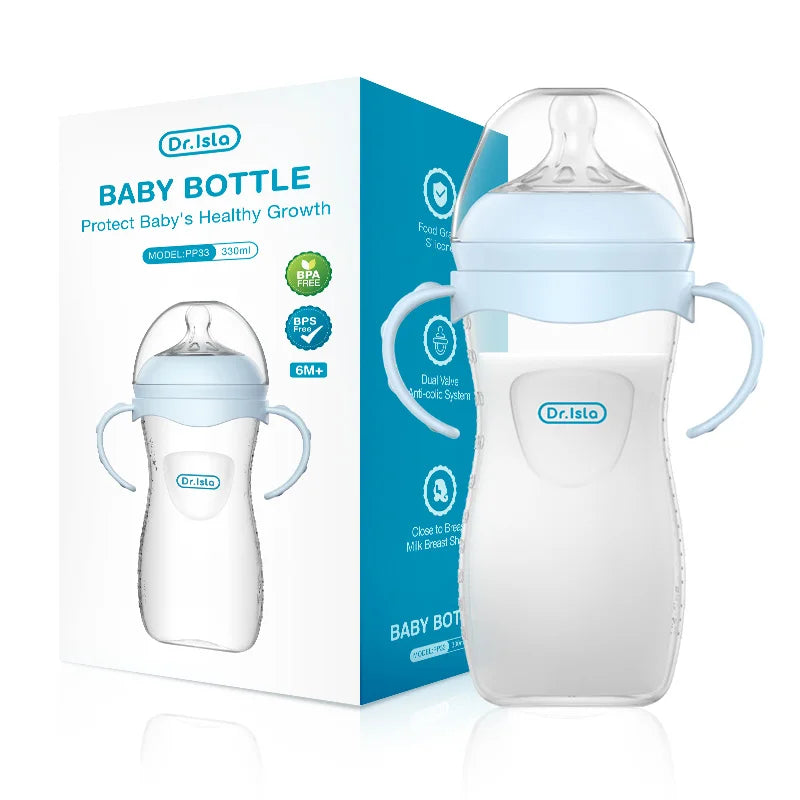
Compare anti colic and standard bottles to understand how airflow design affects feeding comfort.
Choosing the Right Anti Colic Bottle
Selecting the Right Nipple Flow
Choosing the correct nipple flow is just as important as choosing the bottle itself. A flow that's too fast may increase coughing, choking, or spit-up, while a flow that's too slow can cause frustration and excessive sucking that increases swallowed air. Match the nipple stage to your baby's age and feeding pace.
Cleaning and Maintenance Tips
- Disassemble every vent component after each feeding.
- Use bottle brushes designed for narrow vent pieces.
- Inspect silicone nipples regularly for wear.
- Replace damaged valves or nipples promptly.
- Follow proper bottle sterilization recommendations before first use and whenever advised.
How to Use an Anti Colic Bottle Correctly
Even the best bottle performs poorly if used incorrectly. Follow these simple steps for better results:
- Assemble every vent component securely according to the manufacturer's instructions.
- Fill the bottle with breast milk or formula at the recommended temperature.
- Hold your baby in a semi-upright position.
- Keep the nipple completely filled with milk throughout feeding.
- Pause midway to burp your baby before finishing the feed.
- Check that the nipple flow matches your baby's age and feeding speed.
Common mistakes include over-tightening the bottle, using damaged vent pieces, choosing the wrong nipple flow, or allowing the nipple to fill with air during feeding.
What to Do If Anti Colic Bottles Don't Help
If your baby continues to experience excessive gas or fussiness after switching bottles, consider other possible causes.
- Review your feeding position.
- Try a slower or faster nipple flow if feeding seems difficult.
- Burp your baby more frequently during longer feeds.
- Discuss persistent symptoms with your pediatrician, especially if accompanied by poor weight gain, vomiting, or prolonged crying.
Remember that no bottle can completely eliminate colic, and some babies naturally outgrow feeding-related gas as their digestive system matures.
Real Parent Experiences
Parent feedback is generally positive, although results vary between babies.
- "Our newborn became noticeably less gassy within a few days after switching. Night feeds became much calmer." – Sarah, new mom
- "Cleaning takes a little longer because of the vent parts, but the reduced fussiness made it worthwhile." – Alex, dad
- "It wasn't a miracle cure, but we definitely saw fewer burping episodes and more comfortable feeds." – Mia, mom
Pros and Cons
| Pros | Cons |
|---|---|
| May reduce swallowed air and gas | Usually costs more than standard bottles |
| Supports smoother milk flow | Additional vent parts require cleaning |
| BPA free PP plastic options improve safety | Nipples and valves need periodic replacement |
| Helpful for combination feeding and sensitive babies | Not every baby experiences noticeable improvement |
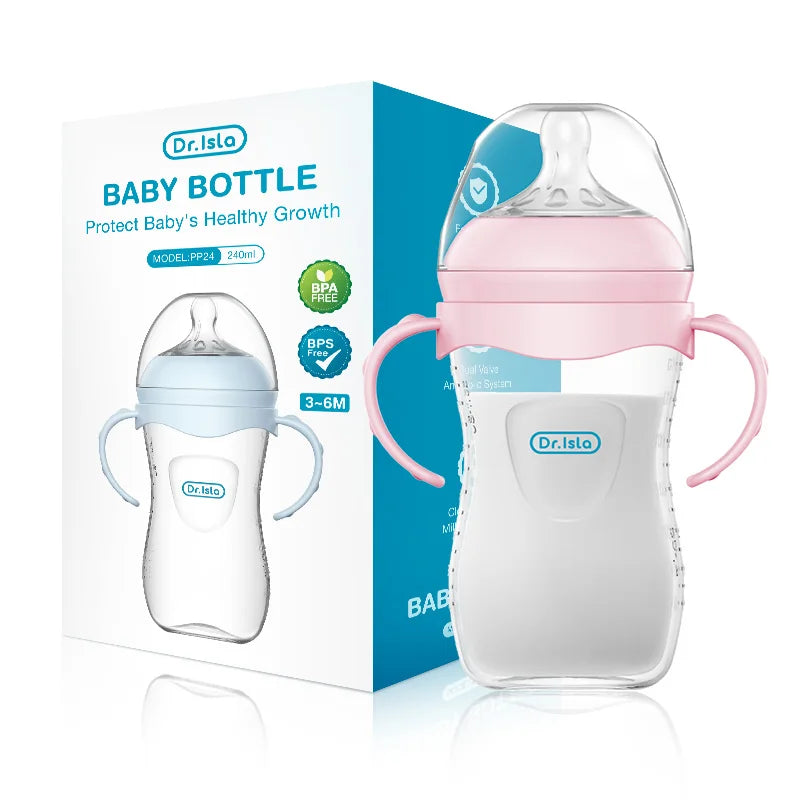
Many parents find that anti colic bottles provide better feeding comfort, although individual results vary.
Mini FAQ
Do anti colic bottles work for every baby?
No. Many babies experience less gas and swallowing of air, but results vary because infant fussiness can have multiple causes.
How do anti colic bottles work differently from regular bottles?
They use vents or valves that separate incoming air from milk, helping maintain smoother milk flow while reducing swallowed air.
What does anti colic mean on a baby bottle?
It means the bottle includes design features intended to reduce air intake during feeding, which may help lessen gas and feeding discomfort.
Are anti colic bottles worth buying for breastfed babies?
They can be beneficial for babies who alternate between breast and bottle because many feature nipples designed to encourage a natural latch while reducing excess air intake.
Can anti colic bottles reduce spit-up and reflux?
Some parents report fewer spit-up episodes when babies swallow less air, but anti colic bottles are not a treatment for reflux or medical digestive conditions.
When should I stop using anti colic bottles?
Many families transition to standard bottles once feeding becomes comfortable and gas is no longer a regular concern, although there is no fixed age for switching.
Pillar Article: Newborn Feeding Safety Bottle Review: Which One Parents Trust
Other Related Articles:
Explore More:





