

How do anti colic bottles work?
How do anti colic bottles work? Anti colic bottles reduce the amount of air a baby swallows during feeding by using venting systems, valves, or air channels that separate air from milk. This helps maintain steady milk flow, reduces vacuum pressure inside the bottle, and may decrease gas, spit-up, and feeding discomfort. While they cannot cure colic, they can make bottle feeding more comfortable for babies who frequently swallow excess air.
How Do Anti Colic Bottles Work? A Simple Guide for New Parents
⏱ 6 min read
How do anti colic bottles work is one of the first questions many exhausted parents ask when feedings become stressful. If your baby gulps quickly, cries during or after a bottle, or seems uncomfortable because of trapped gas, the bottle itself may be part of the solution. Modern anti-colic baby bottle features are designed to reduce air intake, promote a smoother milk flow, and create calmer feeding sessions for both babies and caregivers.
Understanding how airflow moves through an anti-colic bottle makes it easier to choose the right feeding equipment and use it correctly. Below, we'll explain the mechanics behind these bottles, the different venting designs available, and what current evidence says about their effectiveness.
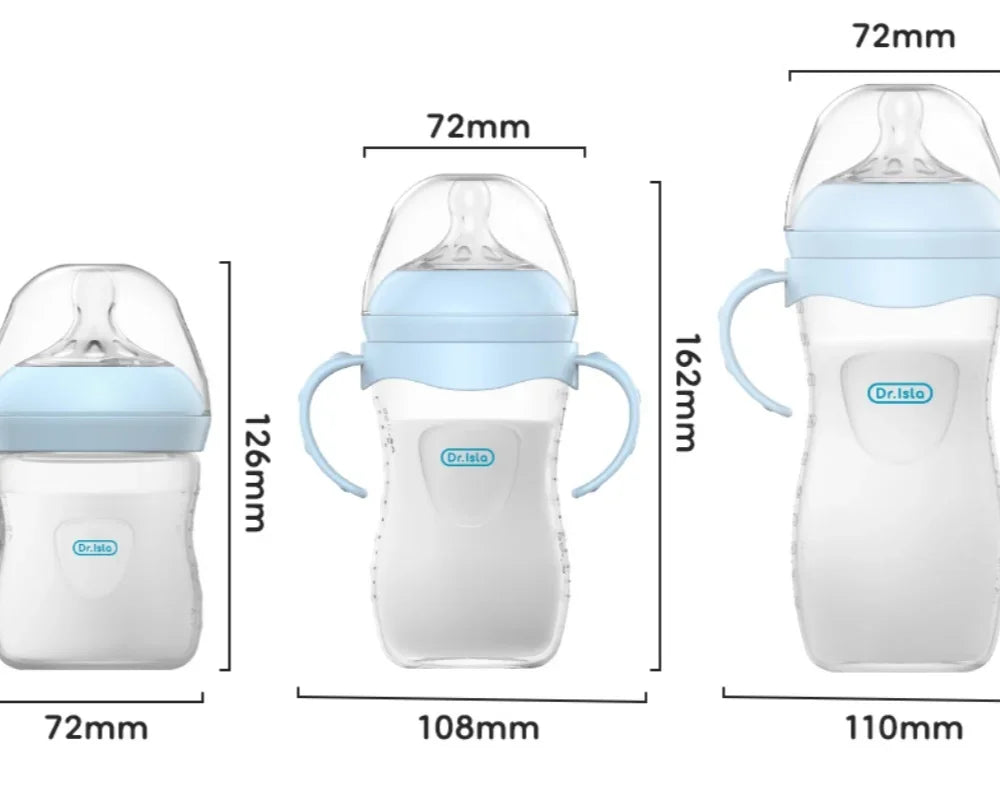
How do anti colic bottles work to reduce air and crying? See it in action.
Types of venting systems explained
Although brands use different designs, every anti-colic bottle aims to solve the same problem: preventing excess air from mixing with milk. When babies swallow less air, there is often less pressure in the stomach after feeding.
- Internal vent tubes channel air to the bottom of the bottle instead of allowing it to travel through the milk.
- Built-in valve systems release air while maintaining a more consistent milk flow.
- Vented nipples allow small amounts of air into the bottle rather than creating a vacuum that can cause babies to gulp.
- Combination designs use both vented nipples and internal airflow systems for additional pressure control.
How airflow control reduces air intake
To understand how does an anti colic bottle work, imagine what happens during a normal bottle feed. As your baby drinks, milk leaves the bottle and empty space forms inside. Without a way for air to enter gradually, negative pressure develops, causing bubbles to travel through the milk. Babies may then swallow those air bubbles along with each sip.
Anti-colic baby bottle features are designed to balance this pressure. Instead of forcing air through the milk, vents or valves guide fresh air around the milk chamber. This creates a smoother, more predictable flow while helping babies maintain a natural sucking rhythm.
- Your baby begins sucking milk through the nipple.
- Air enters through a dedicated vent or valve instead of bubbling through the milk.
- Pressure inside the bottle stays balanced.
- Milk flows more consistently with fewer interruptions.
- The baby is less likely to gulp air during the feeding.
While no bottle can eliminate every cause of fussiness, understanding how do anti colic bottles work helps explain why these designs may reduce common feeding issues linked to swallowed air.
Do anti colic bottles actually work for gas and fussiness?
Do anti colic bottles actually work? For many babies, they can. Studies and clinical experience suggest that bottles designed to reduce air swallowing may help decrease gas, burping, and spit-up associated with feeding. However, it's important to distinguish between reducing feeding-related discomfort and treating true colic, which can have multiple contributing factors.
Evidence on reducing gas vs. true colic
Reducing swallowed air can lower stomach pressure after feeds, making some babies more comfortable. Parents often report less fussiness, fewer interruptions during feeding, and easier burping when switching from standard bottles to anti-colic designs. However, if crying is caused by factors such as food intolerance, reflux, or developmental colic, changing bottles alone may not completely resolve symptoms.
Limitations and expectations
Results vary because every baby feeds differently. An anti-colic bottle works best when paired with the correct nipple flow, proper feeding position, and regular burping breaks. Many families notice improvements within several days, especially during evening feeds when gas discomfort tends to be most noticeable, while others may see only modest changes depending on the underlying cause of their baby's symptoms.
Design features that help reduce swallowed air
Not every anti-colic bottle uses the same technology, but the most effective designs share one goal: keeping air separate from milk so babies swallow less of it during feeding. The right combination of venting, bottle shape, and nipple design can create a steadier feeding experience while reducing interruptions caused by trapped gas.
Internal vent systems vs. nipple vents
Manufacturers use different approaches to manage airflow, each with its own advantages.
- Internal vent systems use tubes or channels to direct air to the bottom of the bottle, keeping bubbles away from the milk.
- Nipple vent systems rely on small valves built into the nipple that allow air to enter gradually, helping prevent vacuum buildup.
- Dual-vent designs combine multiple airflow controls to maintain consistent pressure throughout feeding.
Internal vent systems often provide excellent air separation but may require extra cleaning because they include additional components. Nipple-vent bottles are generally simpler to assemble and maintain while still offering effective airflow control for many babies.
Angled bottles and flow control
Bottle shape also influences feeding comfort. Angled bottles help keep milk near the nipple, reducing the chance of babies sucking in air as the bottle empties. Combined with an age-appropriate nipple flow, this design encourages smoother feeding without requiring babies to suck harder.
- Angled bottle shapes help maintain a continuous milk supply at the nipple.
- Sealed bases and pressure-control valves reduce vacuum formation inside the bottle.
- Soft, flexible nipples respond naturally to your baby's sucking rhythm.
- Appropriate flow rates help prevent gulping, coughing, and unnecessary pauses.
Choosing the correct nipple flow is just as important as choosing the bottle itself. A flow that's too fast can cause coughing and milk leakage, while one that's too slow may encourage stronger sucking, increasing the amount of air swallowed.
For parents building a complete feeding routine, browsing supportive resources from Feeding & Nursing can help you find practical guidance for every stage of bottle feeding.
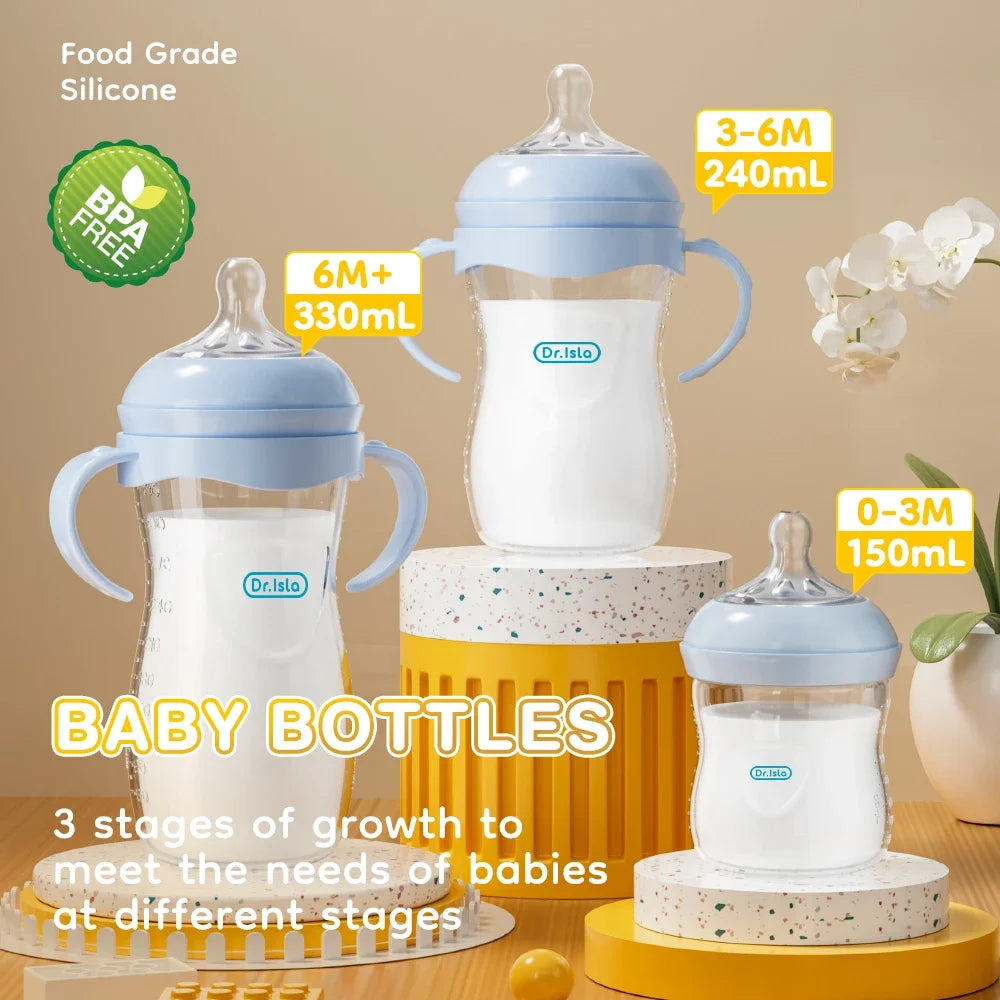
A well-designed anti-colic bottle helps promote smoother, more comfortable feeding. See it in action.
Anti colic bottles vs standard bottles: quick comparison
Choosing between an anti-colic bottle and a standard bottle depends on your baby's feeding habits. Babies who frequently swallow air, experience gas after feeds, or become fussy during bottle feeding often benefit from the additional airflow control found in anti-colic designs. Babies who feed comfortably with minimal gas may do well with a standard bottle.
| Feature | Anti Colic Bottles | Standard Bottles |
|---|---|---|
| Air control | Dedicated venting systems separate air from milk and reduce swallowed air. | Air is more likely to mix with milk as feeding progresses. |
| Pressure inside bottle | Designed to balance pressure and reduce vacuum buildup. | Vacuum can develop during longer feeding sessions. |
| Milk flow | More consistent flow that supports steady feeding. | Flow may become uneven as pressure changes. |
| Gas & spit-up | Often reduced for babies sensitive to swallowed air. | May be more common in babies who gulp during feeds. |
| Cleaning | Some models include extra vent components that require additional cleaning. | Usually fewer parts and simpler to wash. |
| Best suited for | Babies with frequent gas, fussiness, excessive burping, or mild reflux symptoms related to feeding. | Babies who feed comfortably without significant air swallowing. |
Neither style is universally better. The most appropriate choice depends on your baby's feeding behavior, age, and comfort level. If you notice persistent gulping, frequent burping, or discomfort after bottle feeds, an anti-colic bottle may provide meaningful improvement by reducing the amount of air swallowed.
Parents looking for additional feeding and safety guidance can also explore helpful resources in Health & Safety .
Explore the Anti-Choke Baby Bottle trusted by parents seeking smoother feeding experiences.
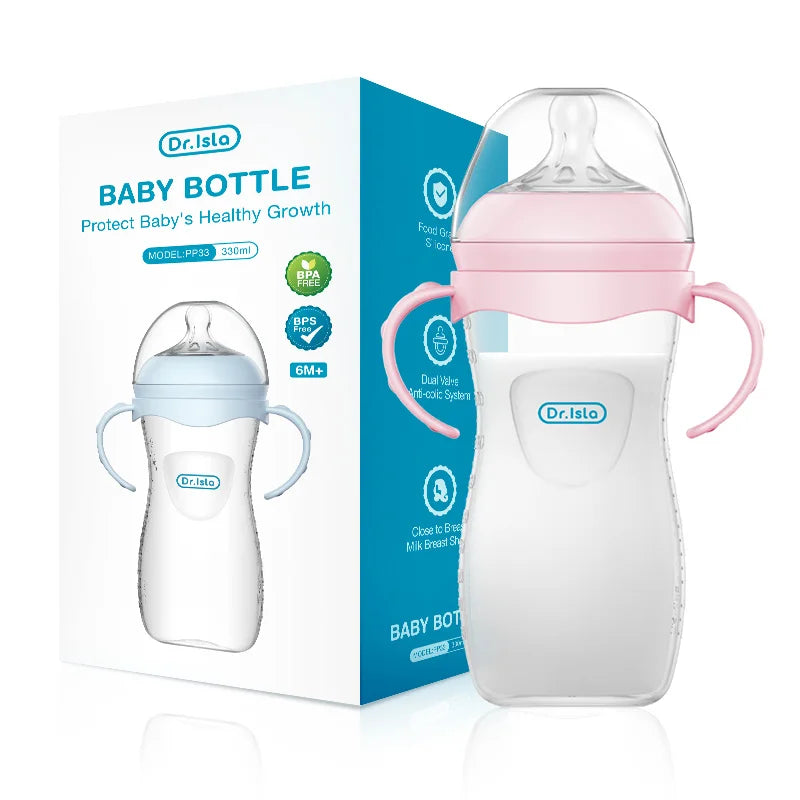
Smart bottle design helps reduce swallowed air and supports more comfortable feeding.
FAQ: anti colic bottle basics
What is an anti colic bottle?
An anti colic bottle is a feeding bottle designed with vents, valves, or airflow systems that reduce the amount of air a baby swallows during feeding. This helps lower gas buildup and may improve feeding comfort for babies prone to fussiness.
How do anti colic bottles reduce gas?
They separate air from milk and maintain more consistent pressure inside the bottle. By reducing swallowed air, they can decrease burping, trapped gas, and discomfort after feeds.
Do anti colic bottles actually prevent colic?
No. Anti colic bottles do not prevent or cure true colic, which can have multiple causes. However, they may reduce feeding-related symptoms caused by excessive air swallowing, making some babies noticeably more comfortable.
Are anti colic bottles better than regular bottles?
They can be a better choice for babies who frequently experience gas, spit-up, or fussiness during bottle feeding. Babies without these issues may feed equally well from a standard bottle.
How soon can I see results?
Many parents notice improvements within a few days after switching, although the timeline varies depending on the baby's feeding habits and the underlying cause of the symptoms.
Can they help with spit-up?
Yes. If spit-up is partly caused by swallowing excess air, an anti-colic bottle may reduce pressure in the stomach and help decrease the frequency of spit-up episodes.
Are they safe for newborns?
Yes. Anti-colic bottles are generally safe for newborns when paired with a newborn-appropriate nipple flow and used according to the manufacturer's instructions.
When should you stop using anti colic bottles?
Many babies naturally swallow less air as they mature and develop stronger feeding skills. You can continue using an anti-colic bottle as long as it benefits your baby, or transition to a standard bottle once gas and feeding discomfort are no longer a concern.
Feeding doesn't have to be stressful. Choosing a bottle that supports healthy airflow, using the correct nipple flow, and following good feeding techniques can help create calmer, more enjoyable feeding sessions for both you and your baby.
Pillar Article: Anti Colic Feeding Bottle Reviews: Find the Safest Choice for Newborns
Other Related Articles:
- Why Does My Newborn Have So Much Gas? Bottles That Help
- Tips for Bottle Feeding Newborns Without Stress or Choking
- Best Bottle for Gassy Newborns: Expert Reviews & Tips
- Top Anti Colic Bottles for Newborns: Side-by-Side Comparison
Explore More:





