

Portable Dehumidifier for Apartment Living Reviewed Side by Side
A portable dehumidifier for apartment living can make a noticeable difference if you're dealing with condensation, musty odors, or excess indoor humidity. Whether you live in a studio, a one-bedroom apartment, or a compact condo, the right unit helps create a healthier and more comfortable environment while protecting furniture, electronics, and personal belongings from moisture damage.
In this side-by-side guide, you'll learn how different apartment dehumidifiers compare, what features are worth paying for, and how to choose the best model based on room size, humidity levels, noise, and energy efficiency.
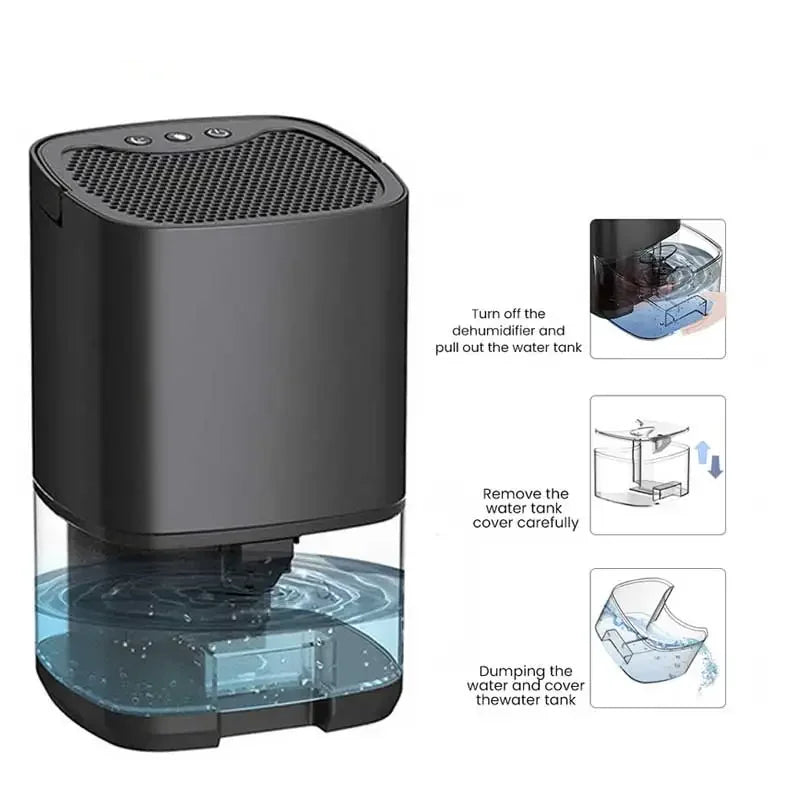
A compact portable dehumidifier can help control moisture in apartments while improving everyday comfort.
Best Dehumidifier for Apartment: Quick Picks for Every Space
If you're shopping for the best apartment dehumidifier, start by matching the unit to your living space instead of simply choosing the largest model available.
- Best overall: A balanced model with quiet operation, continuous drainage, and coverage for most apartments.
- Best for studio apartments: Compact units with 1–1.5L tanks and low energy consumption.
- Best for 1-bedroom apartments: Mid-capacity models offering wider coverage and automatic humidity control.
- Best for 2-bedroom apartments: Larger-capacity dehumidifiers designed for higher daily moisture removal.
- Best compact & portable: Lightweight designs that are easy to move between bedrooms, bathrooms, and laundry areas.
Choosing the right size helps maintain comfortable humidity levels without wasting electricity or running the appliance continuously.
Understanding Common Apartment Moisture Problems
Apartments often trap humidity because of limited ventilation, smaller living spaces, and daily activities such as cooking, showering, and drying clothes indoors. Over time, excess moisture can affect both comfort and the condition of your home.
Signs Your Apartment Has Excess Humidity
- Condensation forming on windows and cold surfaces
- Persistent musty smells in closets or bedrooms
- Mold or mildew appearing around bathrooms and window frames
- Damp walls, peeling paint, or swollen wooden furniture
- Indoor air that feels sticky even with air conditioning
Why Humidity Control Matters
Maintaining indoor humidity between 40% and 50% helps improve comfort, discourages mold growth, protects household items, and creates a healthier indoor environment for people with allergies or respiratory sensitivities. A properly sized portable dehumidifier offers a practical solution without requiring permanent installation.
Side-by-Side Comparison Table
Comparing key specifications makes it easier to find the best portable dehumidifier for apartment living. Capacity, coverage area, operating noise, and drainage options have the biggest impact on everyday performance.
| Model | Water Tank | Coverage Area | Noise Level | Drainage | Best For |
|---|---|---|---|---|---|
| Model A | 1.5L | Up to 250 sq ft | 28 dB | Auto-shutoff | Studios and bedrooms |
| Model B | 2L | Up to 300 sq ft | 30 dB | Continuous drainage | One-bedroom apartments |
| Model C | 1L | Up to 200 sq ft | 26 dB | Auto-shutoff | Bathrooms and closets |
For most renters, a model that balances quiet operation, adequate coverage, and convenient drainage provides the best long-term value. If your apartment experiences consistently high humidity, prioritizing continuous drainage can significantly reduce maintenance.
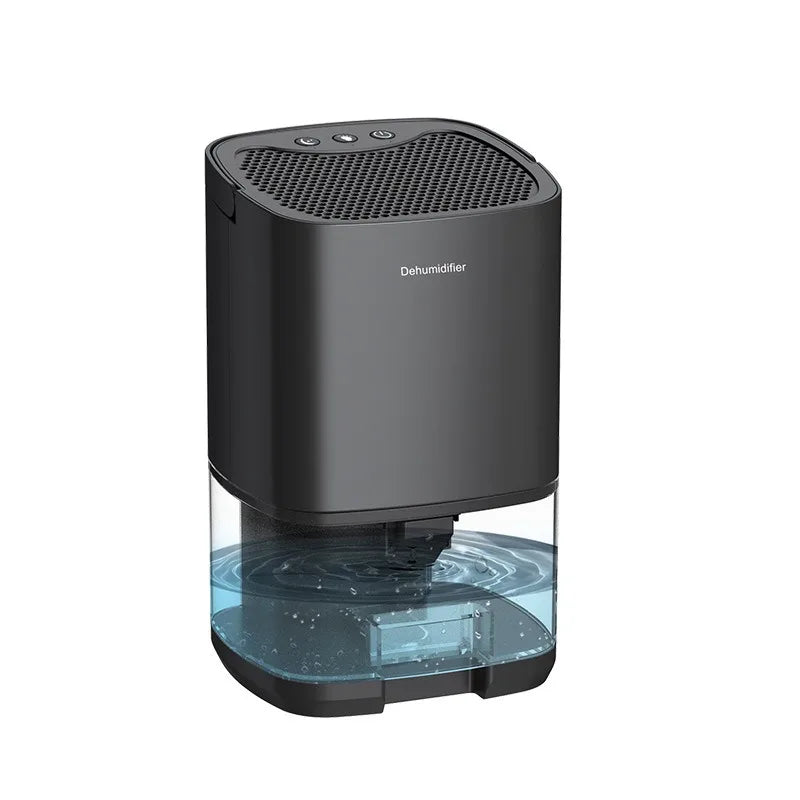
Compare coverage, tank size, and operating modes to find the best apartment dehumidifier for your space.
Detailed Reviews of the Best Apartment Dehumidifiers
Best Overall
Model A offers one of the most balanced combinations of portability, quiet performance, and everyday moisture control. Its moderate tank capacity, adjustable humidity settings, and automatic shutoff make it well suited for bedrooms, living rooms, and most studio apartments.
- Pros: Quiet operation, compact footprint, simple controls.
- Cons: Water tank requires regular emptying in very humid conditions.
- Best for: Renters looking for an all-around apartment dehumidifier.
Best Budget
Model C is designed for smaller spaces where portability matters most. It fits easily on countertops or shelves and performs well in bathrooms, laundry rooms, and closets with mild to moderate humidity.
- Pros: Lightweight, energy-saving mode, low operating noise.
- Cons: Limited coverage area and smaller reservoir.
- Best for: Small apartments and targeted moisture control.
Best Quiet Model
With an operating level around 26–28 dB, quieter models are ideal for bedrooms, nurseries, and home offices where continuous operation should not disturb sleep or concentration.
Best for Larger Apartments
Model B provides broader coverage, a larger water tank, and continuous drainage support, making it the strongest choice for larger one-bedroom layouts or apartments with multiple moisture-prone areas.
How to Choose the Right Dehumidifier for Your Apartment
Studio Apartments
Studios typically benefit from compact dehumidifiers covering 150–250 square feet. Lightweight models with quiet operation are easy to relocate between the sleeping area, kitchenette, and bathroom while using minimal electricity.
1-Bedroom Apartments
A medium-capacity unit with automatic humidity control is usually the best choice. Look for models that cover at least 250–300 square feet and include continuous drainage if humidity remains high throughout the year.
2-Bedroom Apartments
Larger apartments often require higher daily moisture removal and a larger water tank. If moisture affects multiple rooms, choose a model with wider coverage and stronger airflow for more consistent performance.
Humid Climates vs. Mild Climates
Homes in humid regions benefit from continuous operation and larger-capacity dehumidifiers, while apartments in milder climates can often maintain healthy humidity levels using eco mode and scheduled run times.
Compressor vs. Desiccant Dehumidifiers
| Feature | Compressor | Desiccant |
|---|---|---|
| Best temperature | Warm to moderate rooms | Cooler environments |
| Energy efficiency | Typically better in warm climates | Can use more electricity |
| Noise | Slightly louder | Generally quieter |
| Ideal use | Most apartments and condos | Closets, basements, and cooler spaces |
For most apartment dwellers, compressor models deliver the best balance of moisture removal, operating cost, and overall value. Desiccant models remain a good option when temperatures stay relatively cool.
Noise, Energy Efficiency, and Operating Costs
Noise level is an important consideration for apartments where the dehumidifier may operate near sleeping or living areas. Units rated below 30 dB are generally suitable for bedrooms, while models around 35–40 dB are still comfortable for daytime use.
- Choose eco mode to reduce electricity consumption during everyday use.
- Automatic humidity sensors prevent unnecessary operation.
- Energy-efficient models help lower long-term operating costs.
- Running a properly sized unit is typically more efficient than using an undersized model continuously.
Many homeowners also pair moisture control with Beauty & Wellness solutions to create a cleaner, healthier indoor environment.
Drainage Options and Maintenance
Bucket Collection
Built-in water tanks are convenient for occasional use but require emptying whenever the reservoir reaches capacity.
Continuous Drain
Connecting a drain hose allows water to flow directly into a nearby drain, making this option ideal for apartments with consistently high humidity.
Pump Models
Premium units with integrated pumps can move collected water vertically or over longer distances, offering greater flexibility when a floor drain is unavailable.
Regardless of drainage type, cleaning the air filter regularly and keeping air vents unobstructed helps maintain efficient moisture removal and extends the appliance's lifespan.
Pros & Cons of Buying an Apartment Dehumidifier
| Advantages | Limitations |
|---|---|
| Improves indoor comfort by reducing excess humidity | Small tanks require more frequent emptying |
| Helps reduce mold, mildew, and musty odors | Coverage is limited by the unit's capacity |
| Protects furniture, electronics, and stored belongings | Filters and tanks require routine maintenance |
| Energy-efficient models are affordable to operate | Higher-capacity models have a higher upfront cost |
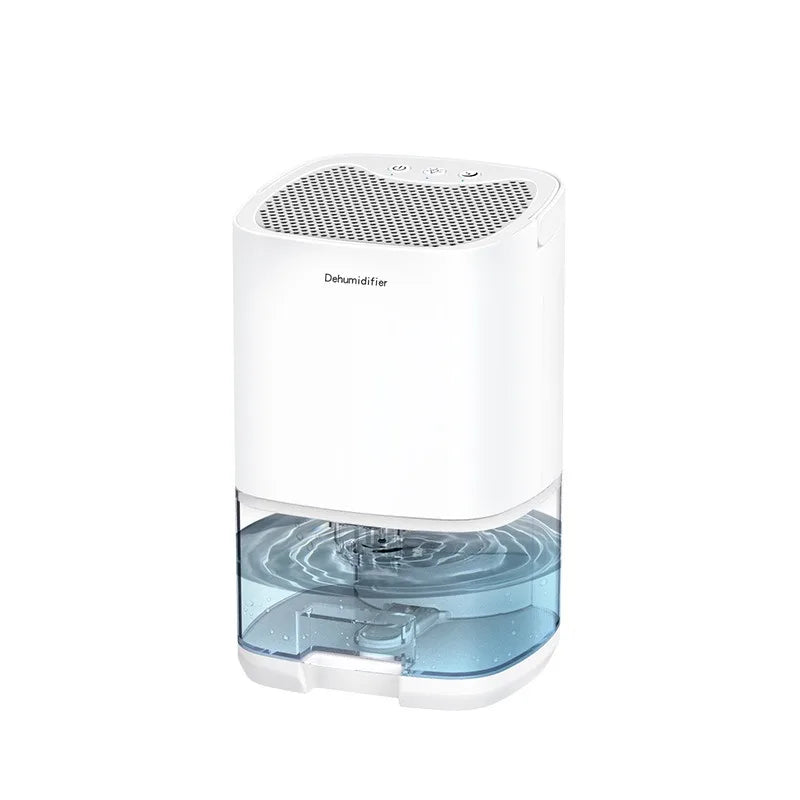
A portable apartment dehumidifier helps maintain healthier humidity levels while protecting your living space from excess moisture.
FAQ
What size dehumidifier do I need for an apartment?
The ideal size depends on both your apartment's square footage and humidity level. A compact unit covering 150–250 square feet is typically sufficient for studio apartments, while one-bedroom apartments often benefit from models rated for 250–300 square feet. Larger or consistently damp spaces may require higher-capacity units.
Do mini dehumidifiers work?
Yes. Mini dehumidifiers work well in small enclosed spaces such as bathrooms, closets, laundry rooms, and bedrooms with mild humidity issues. They are best suited for localized moisture control rather than dehumidifying an entire apartment.
Do small dehumidifiers work for an entire apartment?
Small dehumidifiers can maintain comfortable humidity in compact apartments if they are correctly matched to the room size. For larger layouts or high-humidity environments, a higher-capacity model will deliver better and more consistent performance.
Can one dehumidifier cover a 2-bedroom apartment?
It can, provided the unit has adequate coverage and moisture removal capacity. Open floor plans are generally easier to manage, while apartments with multiple enclosed rooms may benefit from placing the dehumidifier centrally or using more than one unit.
Should I run a dehumidifier all day in an apartment?
Many modern dehumidifiers are designed for extended daily operation. Using an automatic humidity setting between 40% and 50% allows the appliance to cycle on and off as needed, improving efficiency while maintaining a comfortable indoor environment.
What's the ideal humidity level for an apartment?
Most experts recommend maintaining indoor humidity between 40% and 50% . This range helps reduce condensation, discourages mold growth, protects furnishings, and keeps the air comfortable throughout the year.
Should I choose continuous drainage or a water tank?
Continuous drainage is the most convenient option if your apartment experiences persistent humidity or if the dehumidifier runs for long periods. A removable water tank is usually sufficient for occasional use or smaller living spaces.
Can a dehumidifier help prevent mold in apartments?
Yes. Lowering indoor humidity significantly reduces the conditions mold needs to grow. While a dehumidifier cannot eliminate mold that already exists, combining it with proper ventilation and routine cleaning is one of the most effective ways to prevent future growth.
Related Articles:
- Compact Dehumidifier for Bathroom Reviews That Cut Condensation
- Small Room Dehumidifier Reviews That Actually Reduce Dampness
- Portable Dehumidifier for Apartment Living Reviewed Side by Side
- Mini Bathroom Dehumidifier Comparisons for Mold Prevention
- Quiet Dehumidifier for Bedroom Options Ranked by Noise Level
Pillar Articles:





