

Do mini bathroom dehumidifiers really work?
Yes. A mini bathroom dehumidifier can noticeably reduce excess moisture in small bathrooms when used consistently alongside good ventilation. By removing moisture from the air after showers, it helps reduce condensation on walls after shower, shortens drying time for towels and surfaces, and lowers the humidity that encourages mold and mildew growth. While compact models cannot solve structural moisture problems, they are an effective everyday solution for bathrooms under approximately 100 square feet.
Mini Bathroom Dehumidifier Comparisons for Mold Prevention
⏱ 8 min read
Bathrooms may be small, but the moisture problems they create can feel overwhelming. From fogged mirrors to damp towels and persistent musty odors, humidity builds quickly after every shower. If you're wondering whether a mini bathroom dehumidifier is worth buying, this guide compares the main technologies, explains where they work best, and helps you choose the right model for preventing bathroom mold.
Does this sound familiar? You finish a hot shower, wipe down the walls, and still notice condensation on walls after shower hours later. Over time, lingering moisture can stain grout, damage paint, warp cabinets, and create ideal conditions for mold growth. Fortunately, today's compact air moisture remover models are designed specifically for smaller living spaces like bathrooms.
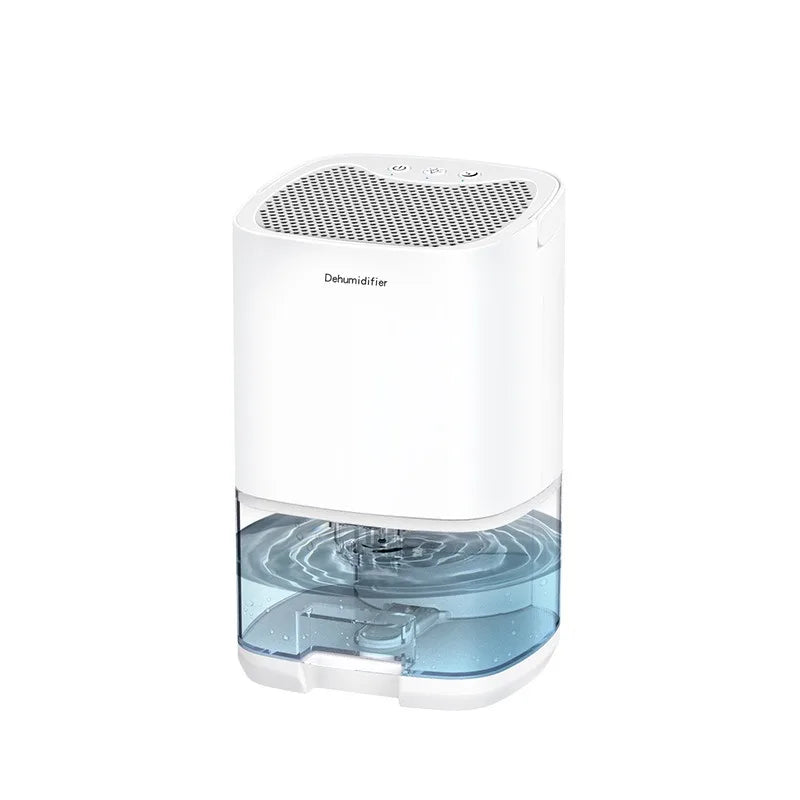
Mini bathroom dehumidifier helps reduce condensation on walls after shower — See it in action
Explore how a compact air moisture remover fits into daily routines
Why bathrooms stay damp even with exhaust fans
Poor ventilation
Even a properly working exhaust fan cannot instantly remove all moisture produced during long, hot showers. Steam often settles on ceilings, walls, mirrors, and grout before the fan can exhaust it outdoors.
Daily moisture sources
- Multiple showers throughout the day
- Wet towels and bath mats
- Closed doors that limit airflow
- Windowless bathroom layouts
- Drying laundry indoors
Signs ventilation alone is not enough
If mirrors remain fogged for long periods, condensation stays on walls after shower, paint begins peeling, or mildew odors return soon after cleaning, adding a dehumidifier for mold in bathroom environments can provide supplemental moisture control instead of relying on ventilation alone.
Do bathroom dehumidifiers work for mold prevention?
How excess humidity causes mold
Mold spores naturally exist indoors, but they need sustained moisture to grow. Bathrooms frequently reach humidity levels well above 70% after showers, creating ideal conditions for mold on grout, silicone, ceilings, and painted walls.
Ideal bathroom humidity
Most experts recommend keeping indoor humidity between 40% and 60%. A bathroom dehumidifier for mold prevention helps return humidity to this healthier range more quickly after bathing.
When a dehumidifier helps most
Using a dehumidifier in bathroom spaces is especially beneficial when:
- Your bathroom has no window.
- The exhaust fan is older or underpowered.
- Several family members shower back-to-back.
- You regularly notice condensation on walls or ceilings.
- You have recurring mildew despite regular cleaning.
The benefits of a dehumidifier in bathroom spaces are greatest when paired with proper ventilation and routine cleaning rather than replacing either practice.
Mini, desiccant, compressor, and portable models compared
| Technology | Best For | Advantages | Limitations |
|---|---|---|---|
| Mini Peltier | Small bathrooms | Quiet, compact, energy efficient | Lower moisture extraction |
| Desiccant | Cool bathrooms | Performs well in lower temperatures | Higher electricity use |
| Portable compressor | Heavy humidity | Highest extraction rate | Larger and slightly louder |
| Countertop portable | Daily maintenance | Easy placement and storage | Smaller water tanks |
Mini Peltier units
These are the most common mini dehumidifier for bathroom models. They're nearly silent and ideal for bathrooms that experience moderate humidity after normal daily showers.
Desiccant units
Desiccant technology performs consistently in cooler bathrooms where compressor models may become less efficient.
Compressor units
If your bathroom experiences heavy condensation every day, portable compressor models remove considerably more moisture, although they occupy more floor space.
Pros and cons
For most households, bathroom size matters more than maximum extraction capacity. Choosing equipment that matches the room generally produces better long-term results than simply buying the largest unit available.
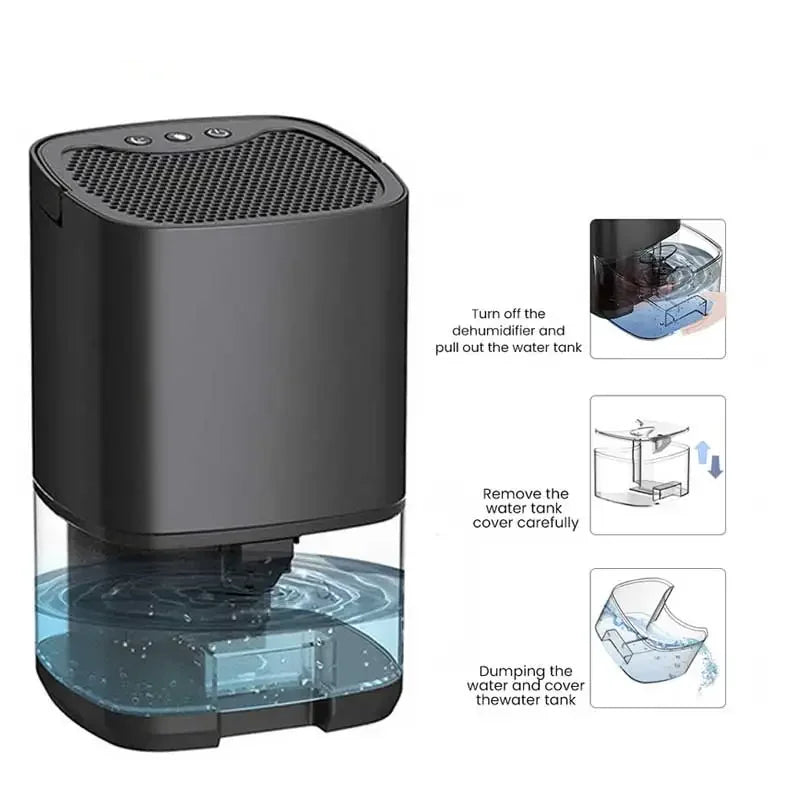
Choosing the right mini bathroom dehumidifier can reduce bathroom condensation — See it in action
Learn how this compact unit compares in real bathrooms
How to choose the right bathroom dehumidifier
Bathroom size
A bathroom under 100 square feet typically benefits from a small dehumidifier for bathroom use, while larger bathrooms or ensuite spaces may require higher-capacity portable models.
Moisture severity
If condensation disappears within an hour, a mini unit is usually sufficient. If moisture remains for several hours, consider stepping up to a compressor-based model.
Tank capacity
Larger tanks reduce how often you'll need to empty collected water, particularly in households with frequent shower use.
Noise and energy use
Peltier models are typically the quietest. Compressor units consume more electricity but remove significantly more moisture per day.
Do you need a dehumidifier or better ventilation?
Decision checklist
- Does your fan vent outdoors?
- Does condensation remain after one hour?
- Does your bathroom lack windows?
- Do mold spots repeatedly return?
When to improve airflow
If your exhaust fan is blocked, noisy, or undersized, upgrading ventilation should be your first priority.
When to add a dehumidifier
If ventilation is already adequate but humidity remains high after showers, adding a bathroom dehumidifier often provides the most cost-effective improvement without remodeling.
Which bathroom dehumidifier is best for your situation?
Shared family bathrooms
Look for quiet models with automatic shutoff and moderate tank capacity that can operate overnight without disturbing nearby bedrooms.
Many parents already browsing Baby Bath Accessories appreciate products that quietly support cleaner bathrooms for the entire household.
Windowless bathrooms
Desiccant units often outperform other technologies in enclosed bathrooms where natural airflow is extremely limited.
Heavy condensation
Portable compressor models provide faster drying when condensation forms on ceilings, mirrors, and painted walls after nearly every shower.
Shower mold prevention
For ongoing shower mold prevention, combine humidity control with regular cleaning of grout, silicone, and corners where moisture tends to linger.
How much does a bathroom dehumidifier cost to run?
Electricity estimates
Most mini bathroom dehumidifiers consume relatively little electricity—often similar to a small household appliance or LED light running continuously. Compressor models generally use more power but remove moisture much faster.
Water tank maintenance
Empty the collection tank whenever it becomes full, and rinse it periodically to prevent odors or mineral buildup.
Long-term value
By reducing moisture-related damage to paint, cabinetry, grout, and caulk, a quality bathroom dehumidifier may help reduce future maintenance costs while improving comfort year-round.
Real-world results after 2–4 weeks
Condensation changes
Most users notice mirrors clearing more quickly and walls drying faster after showers.
Odor reduction
Lower humidity often reduces lingering mildew odors in towels, bath mats, and enclosed cabinets.
Visible mold prevention
A dehumidifier for bathroom to prevent mold won't eliminate existing mold, but many homeowners report slower mold recurrence when humidity is consistently controlled alongside routine cleaning.
Many wellness-focused households pairing humidity control with Beauty & Wellness habits notice improved comfort, especially during humid seasons.
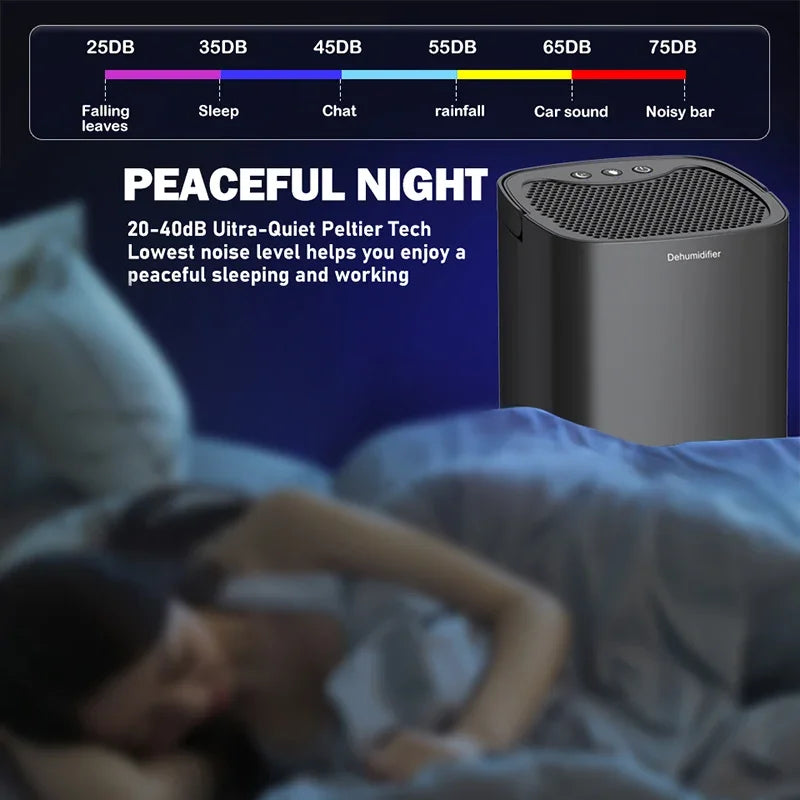
An air moisture remover supports bathroom mold prevention — See it in action
Check availability and details for this portable option
Common mistakes when buying a bathroom dehumidifier
Choosing the wrong size
Buying an undersized unit for a large bathroom can leave humidity levels consistently high despite continuous operation.
Ignoring ventilation
A dehumidifier works best alongside a functioning exhaust fan—not instead of one.
Poor placement
Place the unit where air circulates freely rather than tucking it behind toilets, cabinets, or shower curtains that restrict airflow.
Bathroom dehumidifier FAQ
How long should I run a mini bathroom dehumidifier?
Most homeowners run it for 6–12 hours after showers or overnight. Regular daily use generally produces better results than occasional operation.
Can it replace a bathroom fan?
No. It complements an exhaust fan by removing lingering moisture that ventilation may leave behind.
Is a mini unit enough for mold prevention?
In small bathrooms with moderate humidity, yes. Larger bathrooms or severe moisture issues may require higher-capacity models and improved ventilation.
What humidity should my bathroom stay at?
Aim for approximately 40% to 60% relative humidity to discourage mold growth while maintaining comfort.
Can I leave it running overnight?
Many compact units are designed for extended operation and include automatic shutoff when the tank is full. Always follow the manufacturer's instructions.
How often should I empty the water tank?
That depends on humidity levels and tank size. During humid weather or frequent shower use, daily emptying may be necessary.
Pillar Article: Best Compact Dehumidifier Picks Compared for Small Homes
Other Related Articles:
- Compact Dehumidifier for Bathroom Reviews That Cut Condensation
- Small Room Dehumidifier Reviews That Actually Reduce Dampness
- Portable Dehumidifier for Apartment Living Reviewed Side by Side
- Quiet Dehumidifier for Bedroom Options Ranked by Noise Level
Explore More:





