

Quiet Dehumidifier for Bedroom Options Ranked by Noise Level
Finding a quiet dehumidifier for bedroom use means balancing moisture control, noise levels, energy efficiency, and sleep comfort. The best bedroom models help maintain an ideal indoor humidity level, reduce dampness, and support healthier air without creating distracting background noise. Whether you need a small bedroom dehumidifier quiet enough for a nursery or a powerful unit for a larger room, this guide compares noise ratings, features, and performance to help you choose the right option.
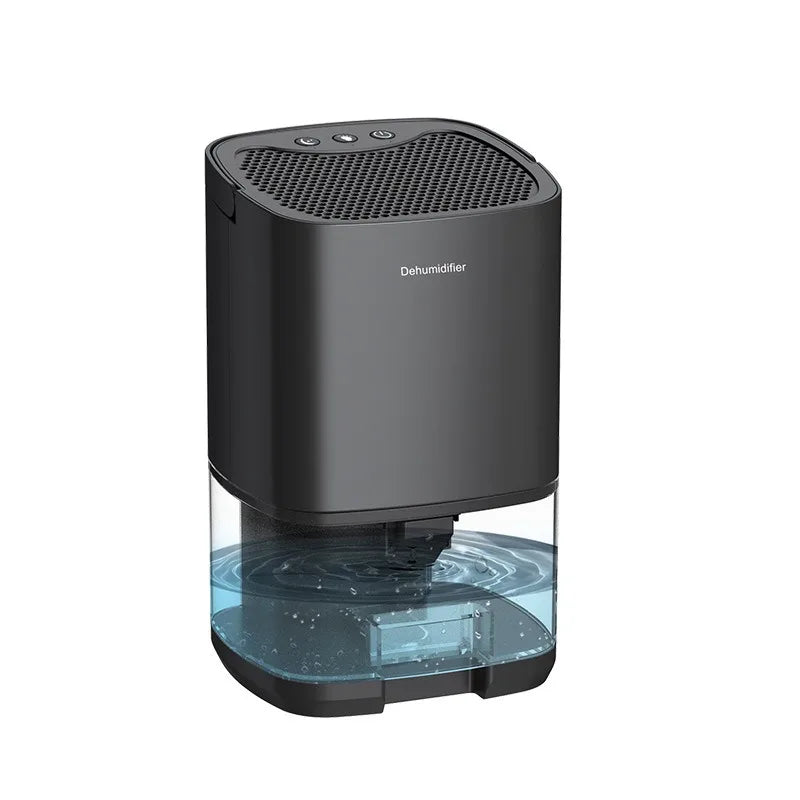
See it in action: quiet dehumidifier for bedroom, mini dehumidifier for bedroom
⏱ 7 min read
What Are the Quietest Dehumidifiers for Bedrooms? Quick Comparison
The quietest dehumidifiers for bedrooms typically operate between 30 and 45 dB, making them suitable for nighttime use. When comparing a dehumidifier noise level, consider more than the published dB rating. Room size, fan speed, compressor cycles, and placement can all affect how noticeable a unit feels during sleep.
| Model | Noise Level (dB) | Coverage & Capacity | Energy Use | Best For |
|---|---|---|---|---|
| Mini Quiet Pro | 28 dB | Small bedrooms and apartments | Low power consumption | Light sleepers, small spaces |
| SilentHome 30 | 32 dB | Medium bedrooms | Moderate efficiency | Nurseries and everyday bedroom use |
| UltraQuiet 50 | 35 dB | Large bedrooms and master suites | Moderate energy use | Larger rooms needing stronger moisture removal |
A best quiet dehumidifier should remove enough moisture for your room size while staying quiet enough for uninterrupted rest. For most bedrooms, models with sleep mode, adjustable fan speeds, and automatic humidity control provide the best balance.
Our Top Picks by Category
The most quiet dehumidifier for bedroom spaces depends on your room size, sensitivity to sound, and moisture level. These categories highlight which features matter most for different sleepers.
Best Overall
Best choice: SilentHome 30
- Balanced noise level around 32 dB
- Strong moisture control for average bedrooms
- Good combination of price, efficiency, and performance
Pros: Quiet operation, reliable humidity control, suitable for daily use.
Cons: May not provide enough capacity for very large rooms.
Best for Light Sleepers
Best choice: Mini Quiet Pro
- Low operating noise for sensitive sleepers
- Compact design for bedside placement
- Ideal for smaller bedrooms and apartments
Pros: Minimal sound disturbance and easy placement.
Cons: Requires more frequent emptying compared with larger models.
Best Budget
Best choice: Compact mini dehumidifier models
- Lower upfront cost
- Energy-efficient operation
- Suitable for mild humidity problems
Pros: Affordable and simple to operate.
Cons: Limited coverage area.
Best for Small Bedrooms
Best choice: Mini Quiet Pro
A small bedroom dehumidifier quiet model works well for rooms where space is limited. Compact units are easier to move and typically create less vibration when placed correctly.
Best for Large Bedrooms
Best choice: UltraQuiet 50
- Higher moisture extraction capacity
- Better coverage for larger sleeping areas
- Advanced humidity control options
Pros: Handles higher humidity levels efficiently.
Cons: Larger units may cost more and require more floor space.
How Loud Is a Quiet Bedroom Dehumidifier?
A quiet bedroom dehumidifier usually falls between 35 and 50 dB during normal operation. However, perceived noise matters as much as the listed rating. A unit with a low fan setting may feel almost silent, while a louder compressor startup can become noticeable at night.
Understanding Decibel Ratings
- Below 30 dB: Very quiet and ideal for light sleepers.
- 30–40 dB: Similar to soft background sounds and suitable for most bedrooms.
- 40–50 dB: Acceptable for many users but more noticeable during quiet nighttime hours.
Common Bedroom Noise Comparisons
For perspective, a quiet refrigerator often operates around 40 dB, while a calm bedroom may be around 30 dB. A sleep-friendly dehumidifier should avoid constant loud fan noise or strong vibration.
Compressor vs. Desiccant: Which Is Quieter?
Choosing between compressor and desiccant technology affects noise, efficiency, and performance. Both can work as a quiet dehumidifier for bedroom use, but they operate differently.
Compressor Models
- Use refrigeration technology to remove moisture
- Usually more energy-efficient in warm climates
- May create mild compressor vibration
Compressor units are popular because they provide strong moisture removal while keeping operating costs lower.
Desiccant Models
- Use moisture-absorbing materials instead of compressors
- Often perform better in cooler rooms
- May produce more heat during operation
Desiccant models can be a good choice for users who prioritize consistent moisture removal in cooler environments, although energy use may be higher.
How to Choose a Quiet Dehumidifier for Your Bedroom
Selecting the right quiet dehumidifier for bedroom use requires matching the machine to your room conditions and sleep habits.
Room Size
A small bedroom dehumidifier quiet model works best in compact spaces, while larger rooms need higher-capacity units. Oversized models may cycle less frequently, while undersized models may run continuously and create more noise.
Sleep Mode and Fan Speed
Look for adjustable fan speeds, night modes, and automatic shutoff features. These settings help reduce noise while maintaining comfortable humidity overnight.
Continuous Drainage
Continuous drainage options reduce the need to empty tanks manually and allow the unit to run longer without interruption.
Energy Efficiency
The best safest dehumidifier options include humidity sensors, automatic controls, and energy-saving settings that reduce unnecessary operation.
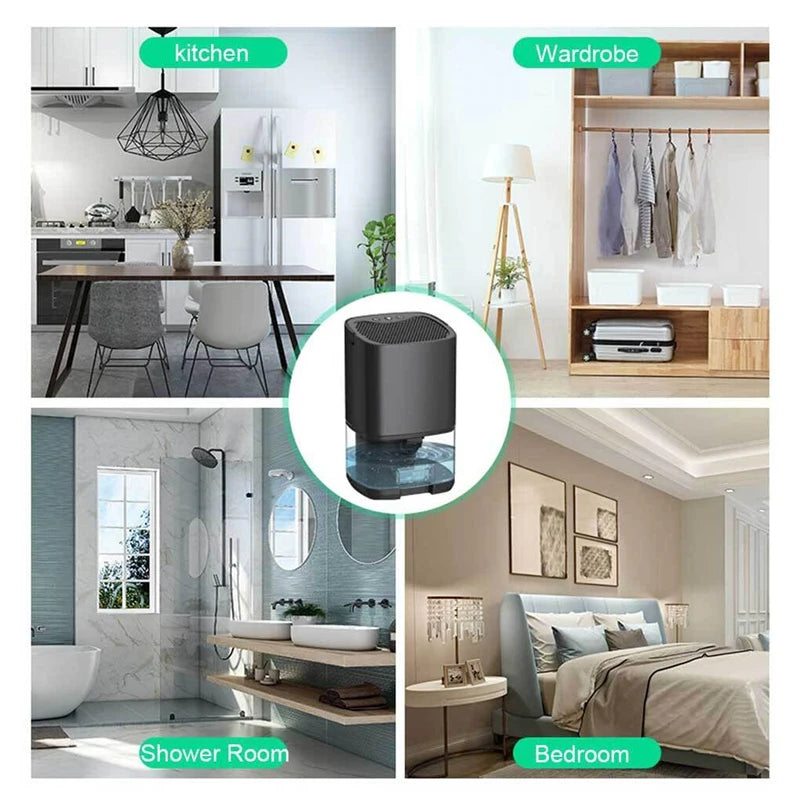
Mini dehumidifier for bedroom vs full-size quiet home dehumidifier — see which fits best
Mini vs Full-Size: Which Is Better for Bedrooms?
When a Mini Model Makes Sense
A mini dehumidifier for bedroom spaces works well when you need light moisture control, portability, and quiet operation. These models are useful for small bedrooms, dorm rooms, offices, and apartments.
- Compact and easy to move
- Lower electricity consumption
- Convenient for small moisture problems
When to Choose Full Size
A full-size quiet home dehumidifier is better for larger bedrooms or areas with persistent humidity problems.
- Higher water removal capacity
- Better performance in larger rooms
- More advanced humidity settings
Energy Use and Long-Term Operating Costs
Energy use depends on room humidity, operating hours, and device efficiency. Many small dehumidifiers use under 200 watts, while larger models may consume more power but remove moisture faster.
Energy Star Benefits
- Lower long-term electricity costs
- Improved moisture control efficiency
- Reduced unnecessary cycling
Tips to Reduce Electricity Use
- Set humidity between 40–50% for bedroom comfort
- Use timers and sleep modes overnight
- Choose automatic humidity control
- Keep doors and windows closed while running the unit
Maintenance Tips for Quiet Operation
Regular maintenance helps quiet dehumidifiers operate smoothly and prevents extra vibration or fan noise.
Filter Cleaning
Clean filters every few weeks to maintain airflow. Dirty filters force the machine to work harder and can increase operating noise.
Tank Care
Wash the water tank regularly to prevent buildup, odors, and mold growth.
Placement Tips
- Place the unit on a flat surface
- Leave space around air vents
- Avoid placing it directly against walls or furniture
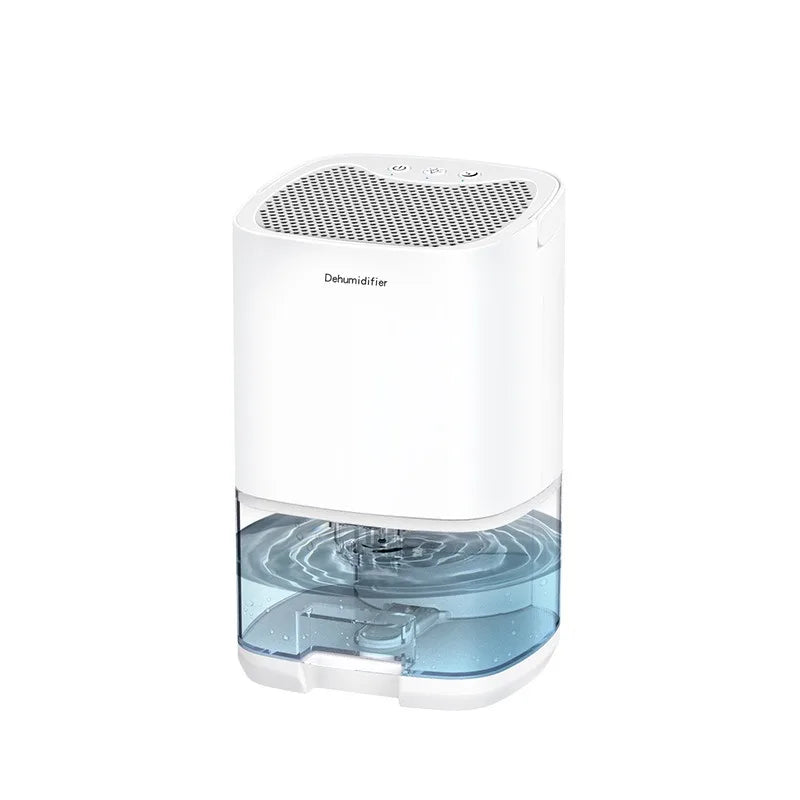
Keep your quiet dehumidifier for bedroom running efficiently — small tips make a big difference
For families with children or light sleepers, consider pairing your dehumidifier with Sleep & Comfort solutions to optimize your bedroom environment.
How We Evaluated These Dehumidifiers
We evaluated these quiet dehumidifiers based on the factors that matter most for bedroom use:
- Noise ratings: How suitable the unit is for nighttime operation.
- Bedroom usability: Size, placement flexibility, and sleep-friendly features.
- Features: Humidity sensors, timers, drainage options, and efficiency settings.
- Value: Performance compared with operating cost and convenience.
Frequently Asked Questions
Is 40 dB quiet enough for a bedroom?
Yes. A 40 dB dehumidifier is generally considered quiet enough for most bedrooms, although very light sleepers may prefer models closer to 30 dB.
Can I sleep with a dehumidifier on every night?
Yes. A quiet bedroom dehumidifier can run overnight when properly maintained and set to a comfortable humidity level.
What humidity level is best for a bedroom?
The ideal bedroom humidity level is usually between 40% and 50%, helping reduce excess moisture while supporting comfortable sleep.
Are desiccant dehumidifiers quieter than compressor models?
Desiccant models can operate smoothly because they do not use compressors, but noise levels depend on the fan design and specific model.
What size quiet dehumidifier do I need for my bedroom?
Small bedrooms often work well with compact units, while larger bedrooms may require higher-capacity models for effective moisture control.
Are small dehumidifiers actually quieter?
Many small models produce less noise because they use smaller fans and motors, but quiet performance depends on design and build quality.
How can I make my dehumidifier less noisy?
Place it on a stable surface, clean filters regularly, maintain airflow clearance, and use lower fan settings or sleep mode when available.
Pillar Article: Best Compact Dehumidifier Picks Compared for Small Homes
Other Related Articles:
- Compact Dehumidifier for Bathroom Reviews That Cut Condensation
- Small Room Dehumidifier Reviews That Actually Reduce Dampness
- Portable Dehumidifier for Apartment Living Reviewed Side by Side
- Mini Bathroom Dehumidifier Comparisons for Mold Prevention
Explore More:





