

Does a compact breast pump really work?
Yes — a compact breast pump can deliver full-size performance when it balances consistent suction, comfortable flange fit (vacuum cup design), and quiet operation. Compact models and wearable, hands-free options let many moms pump effectively on the go, with similar daily yield when used properly and at peak let-down. :contentReference[oaicite:0]{index=0}
Compact Breast Pump Comparison: Small Size, Big Efficiency
⏱ 8 min read
Looking for a compact breast pump that’s truly quiet, comfortable, and actually replaces a full-size unit for daily use? You're not alone. Many parents juggle interrupted sleep, small spaces, and the need to pump discreetly — so the right compact or hands-free pump can change the game. This guide compares the most relevant features (quiet motor, vacuum cup design, battery life, portability) and shows which small devices fit real routines without sacrificing milk flow.
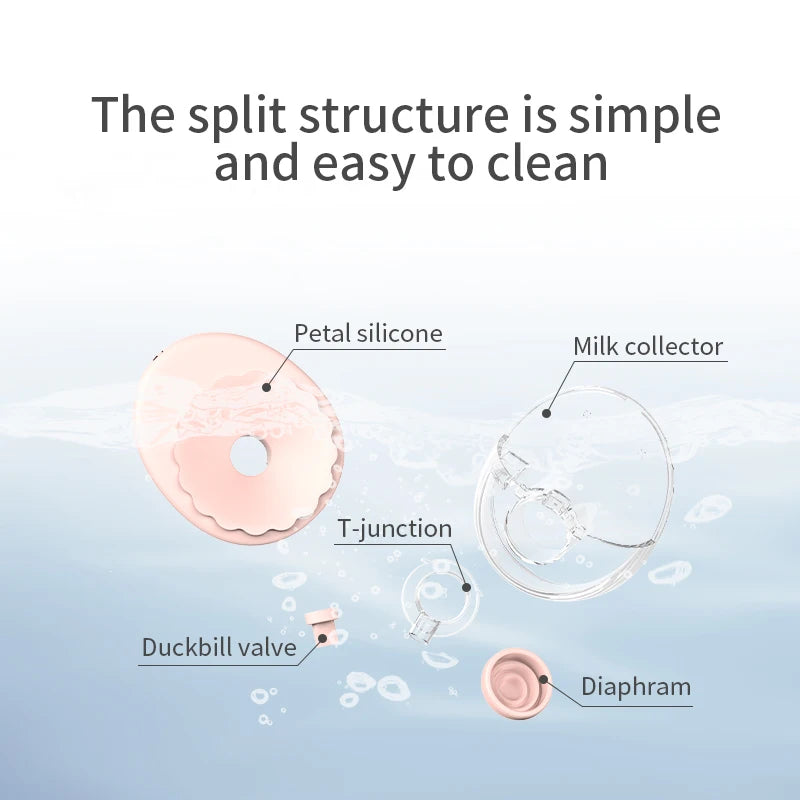
compact breast pump + quiet breast pump: real-world convenience — 💡 See it in action.
Why choose a compact breast pump?
Compact pumps shrink weight and footprint without forcing you to compromise on suction mechanics — many modern wearable and portable models mimic a baby’s feeding rhythm and deliver consistent expression while fitting inside a bag or bra. For busy parents, the biggest wins are mobility, discretion, and easier clean-up. :contentReference[oaicite:1]{index=1}
Quick comparison: types and who they fit
- Mini electric (portable with motor): Best for moms who need good suction and battery power for daily expression; slightly louder than wearables but often more powerful. :contentReference[oaicite:2]{index=2}
- Wearable / hands-free (in-bra): Best for mobility and multitasking; excellent for travel or working from home, but check suction levels and milk capacity. :contentReference[oaicite:3]{index=3}
- Manual / silicone (travel backup): Good for emergency use and quietness, but requires manual effort and is slower. :contentReference[oaicite:4]{index=4}
Key features that matter (and why)
Vacuum cup design: A well-fitted vacuum cup (flange) is crucial — it improves comfort, reduces skin pinching, and helps milk flow more efficiently. Clinical work shows expressing at a mother's comfortable maximum vacuum increases milk flow and yield. :contentReference[oaicite:5]{index=5}
Quiet motor: Noise matters for pumping during naps or at work. Look for decibel specs or user tests that confirm 'quiet' operation; some wearable pumps are designed specifically for low noise. :contentReference[oaicite:6]{index=6}
Suction patterns & levels: Pumps that mimic a baby’s rhythm (stimulation + expression cycles) tend to trigger let-down more reliably. More flexible suction levels let you balance comfort and output. :contentReference[oaicite:7]{index=7}
Closed system vs open system: Closed systems prevent milk backflow into the motor, improving hygiene and motor longevity — useful if you plan to pump many times per day. :contentReference[oaicite:8]{index=8}
Battery life & portability: For on-the-go parents, battery runtime and quick charging are huge conveniences. Many modern compact pumps run several cycles per charge and include USB charging. :contentReference[oaicite:9]{index=9}
Common parent pain points
- Waking the house: loud motors disrupt naps and night feeds.
- Tangled routines: bulky pumps add mental load when traveling.
- Comfort: wrong flange size or harsh suction causes soreness.
- Cleaning and assembly time during busy days.
Side-by-side quick specs
| Type | Strength | Noise | Best for | Notes |
|---|---|---|---|---|
| Mini electric | High–Medium | Medium | Daily use, return-to-work parents | More parts, usually stronger suction. :contentReference[oaicite:10]{index=10} |
| Wearable hands-free | Medium | Low | Multitasking, travel | Discreet; check milk capacity and suction levels. :contentReference[oaicite:11]{index=11} |
| Manual / silicone | Low | Very low | Backup, quick single sessions | Portable and simple; not for heavy daily use. :contentReference[oaicite:12]{index=12} |
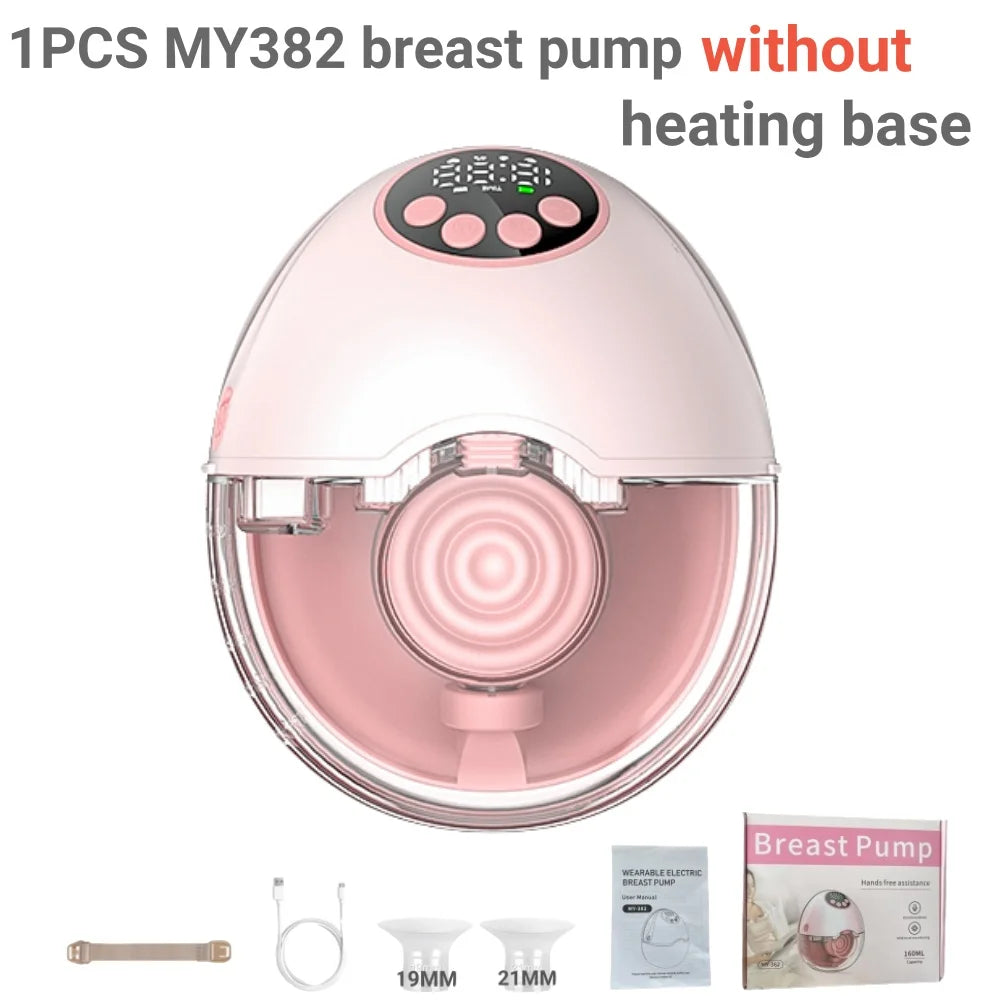
quiet breast pump + vacuum cup design: comfort meets performance — 💡 See it in action.
How to use a compact pump for best results
Small pumps can match full-size output when you follow these steps:
- Start with a clean, correctly sized vacuum cup (measure nipple to flange gap).
- Use a short stimulation phase (higher frequency, lower suction) to trigger let-down, then switch to a slower, stronger expression rhythm.
- Pump at the most comfortable suction that still produces milk; discomfort reduces output. :contentReference[oaicite:13]{index=13}
- Empty both breasts if possible — some moms get more yield when alternating or double-pumping.
- Keep spare parts and a travel kit so you can pump on schedule when away from home.
Quick tips to reduce noise and increase comfort
- Place pump on a soft surface and use a padded pumping bag to muffle vibration.
- Try pumping while reclining slightly — gravity and relaxation can help.
- Swap to a softer flange cushion if you feel pinching.
Real parent reviews & proof
Independent reviews and parent-tested roundups consistently show wearable pumps rank high for convenience while small wired/battery-powered units still lead in sheer suction and daily volume. Trusted review sites test both output and comfort to help parents choose based on real-world use. :contentReference[oaicite:14]{index=14}
Example: lab and parent testers often prefer devices with multiple suction levels and closed-system designs for hygiene and consistent output; wearable models score higher for mobility and quiet operation. :contentReference[oaicite:15]{index=15}
Which compact pump fits your life?
If you want max daily output: Choose a compact motorized pump with proven suction and closed system. Expect slightly more noise and more parts to clean. :contentReference[oaicite:16]{index=16}
If you need quiet, on-the-go pumping: Wearable hands-free pumps are ideal — they trade some suction strength for privacy and mobility. Check battery life and milk cup capacity. :contentReference[oaicite:17]{index=17}
If you want an emergency backup: A compact manual silicone pump fits in any diaper bag and is whisper quiet, though slower. :contentReference[oaicite:18]{index=18}
Looking for a specific model? Check our product page for a hands-free option built for portability and daily use: Hands-Free Electric Breast Pump. You’ll find specs, customer ratings, and details about the vacuum cup design and battery runtime.
Pros & Cons (at a glance)
| Benefit | Why it helps |
|---|---|
| Compact size | Easier travel, less visible, fits small spaces |
| Quiet operation (wearable) | Pump during naps or at work discreetly. :contentReference[oaicite:19]{index=19} |
| Vacuum cup design | Improved comfort and better seal for milk flow. :contentReference[oaicite:20]{index=20} |
| Lower capacity (some wearables) | May need more frequent emptying for heavy producers |
| Maintenance | More frequent cleaning for parts that contact milk |
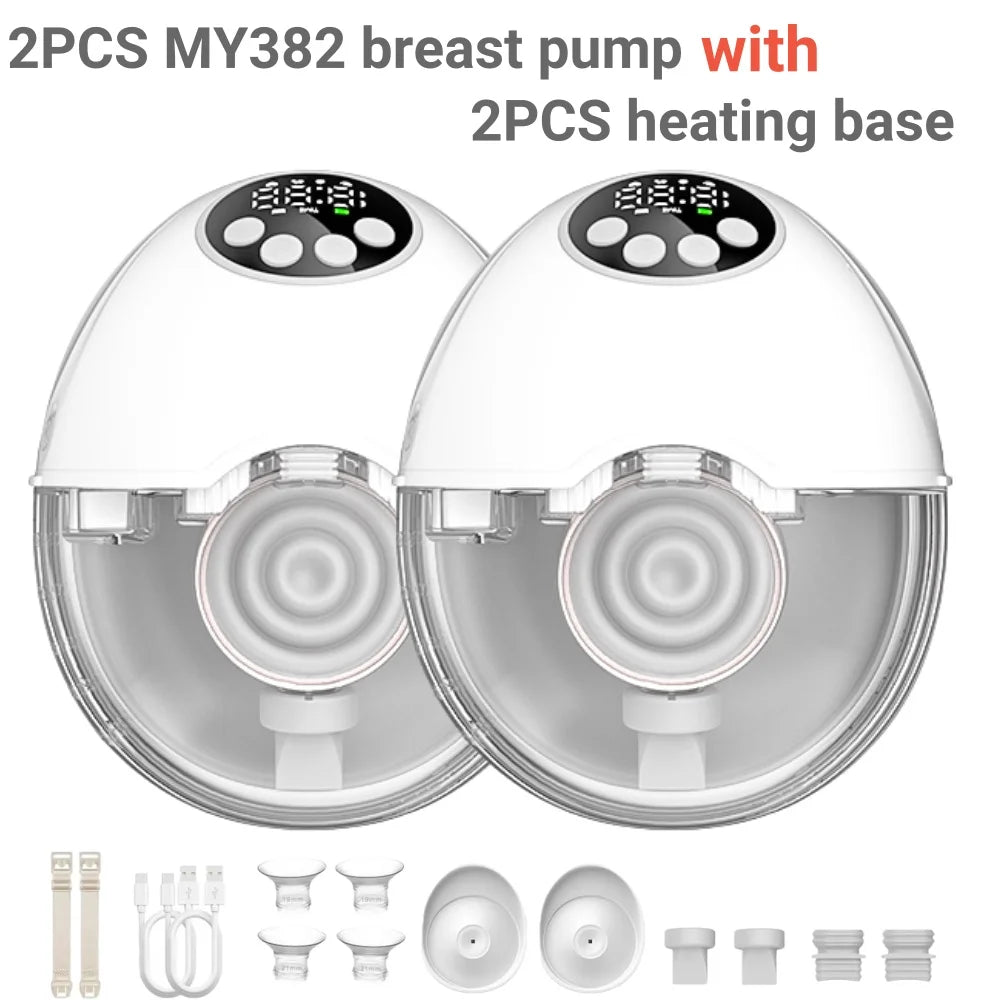
portable breast pump hands free + vacuum cup design — 💡 See it in action.
Mini FAQ
- Will a compact pump give me as much milk as a full-size pump?
Many compact pumps can match daily output when used correctly and with good flange fit; however, some hospital-grade motors remain stronger for very frequent pumping schedules. :contentReference[oaicite:21]{index=21}
- Are wearable pumps hygienic?
Yes — choose a closed system or models designed to prevent backflow and follow cleaning guidelines. Closed systems reduce contamination risk and protect the motor. :contentReference[oaicite:22]{index=22}
- How quiet is 'quiet'?
Manufacturers rarely publish decibel levels; read lab tests and parent reviews focused on night-time use to confirm quiet performance. Wearable pumps generally score lowest for perceived noise. :contentReference[oaicite:23]{index=23}
Still undecided? For comparisons and accessories that support everyday pumping (bags, spare flanges, sterilization), see our Breastfeeding Aids and Feeding & Nursing collections to build a compact, effective pumping kit.
Short buying checklist:
- Confirm flange sizes available and vacuum cup fit.
- Check suction levels and whether the pump mimics baby rhythm.
- Look for closed-system design for hygiene.
- Verify battery life and real-user noise feedback.
- Consider milk capacity in wearable cups if you pump frequently away from home. :contentReference[oaicite:24]{index=24}
Final notes
Compact breast pumps are a practical solution for many parents who value discretion, mobility, and simpler routines. By prioritizing vacuum cup fit, suction patterns, and noise, you can find a small device that supports breastfeeding goals without adding stress. For product details and to compare specs side-by-side, visit the product page for the Hands-Free Electric Breast Pump and explore related tools in Mom Essentials to complete your kit.
Mini FAQ (schema-ready)
- What is a compact breast pump?
- A compact breast pump is a smaller, portable pump designed to be lightweight and often wearable, allowing pumping while on the go or during multitasking.
- How do I get the best output from a compact pump?
- Use the correct vacuum cup (flange) size, start with a stimulation phase, move to expression cycles, and pump at the most comfortable suction setting to encourage let-down.
- Are wearable pumps as hygienic as regular pumps?
- Wearables can be hygienic if they are closed-system or designed to prevent backflow; follow manufacturer cleaning instructions for safety.
Pillar Article: Best Wearable Breast Pump 2025: Reviews and Top Picks for Moms
Other Related Articles:
- Top Rechargeable Electric Breast Pumps for Efficient Milk Expression
- Portable Pump Breastfeeding Guide: Best Options for Moms on the Move
- Expressing Breast Milk by Hand: Techniques and Tool Comparisons
Explore More:





