

⏱ 18 min read
Best Wearable Breast Pump 2025: Reviews and Top Picks for Moms
Looking for the best wearable breast pump 2025 for work, travel, or everyday parenting? This guide compares hands free wearable electric breast pump models based on suction performance, comfort, battery life, noise level, portability, and ease of cleaning. Whether you're exclusively pumping or expressing milk occasionally, you'll learn which features matter most and which wearable pumps deliver the best balance of convenience and milk output.
(Explore related mom and baby essentials while you decide.)
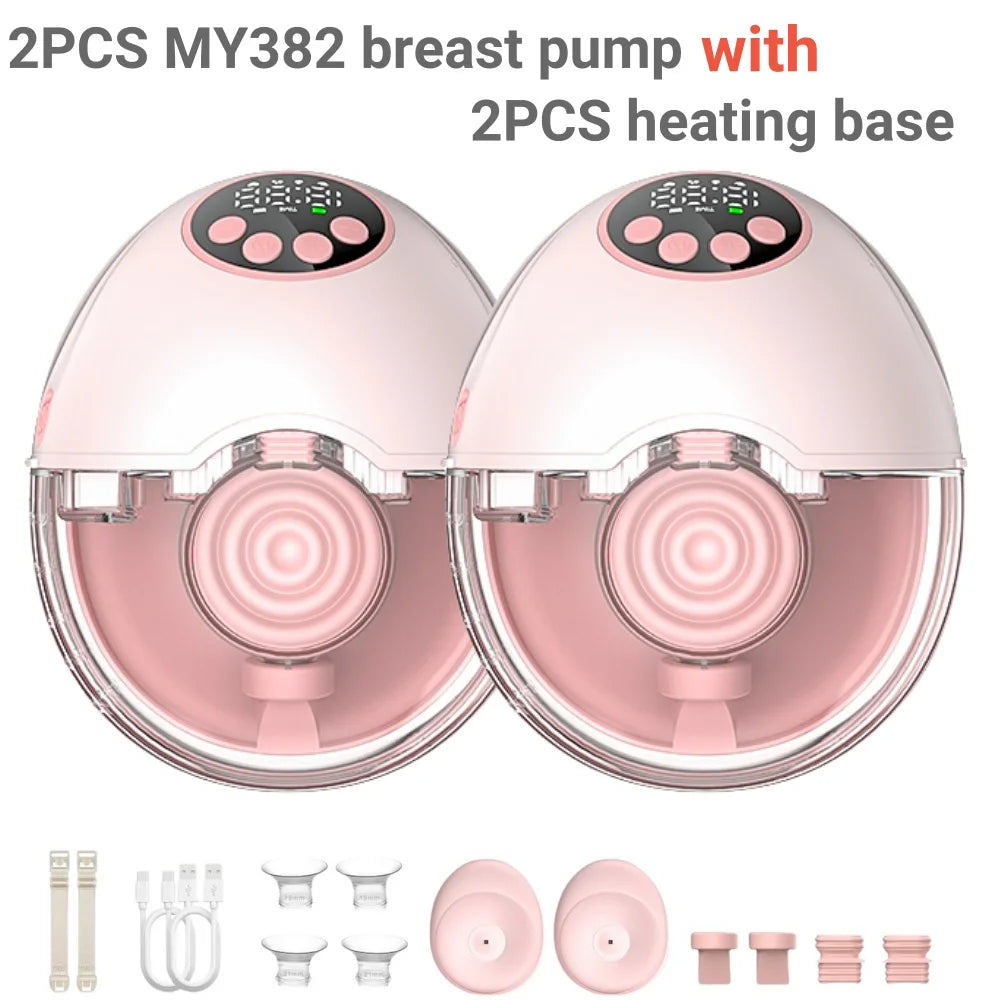
Best wearable breast pump 2025 • Hands free wearable electric breast pump • See it in action
Why choose a wearable pump?
Wearable breast pumps have become a popular alternative to traditional electric pumps because they fit inside your bra, allowing you to express milk with greater mobility and privacy. While they may not always match the maximum output of hospital-grade systems, today's premium wearable pumps provide excellent suction, quieter operation, and enough flexibility for many exclusive and occasional pumpers.
Immediate benefits you'll notice
- True hands-free pumping so you can answer emails, prepare meals, care for your baby, or complete light household tasks.
- Discreet design that fits comfortably inside most nursing bras without external bottles or long tubing.
- Portable convenience thanks to rechargeable batteries that eliminate the need to stay near a power outlet.
- Quiet operation that helps reduce attention during pumping sessions at work or while your baby sleeps.
- Flexible pumping schedules that make it easier to fit shorter sessions into busy daily routines.
Common pain points wearable pumps solve
Many parents struggle to find uninterrupted time for pumping. Traditional pumps often require sitting beside a power source, managing multiple tubes and bottles, and interrupting work or childcare. A quality portable breast pump hands free minimizes these challenges by letting you move around more naturally, simplifying setup, and making pumping feel less disruptive throughout the day.
For commuting parents, frequent travelers, and moms returning to work, wearable pumps can also reduce the stress of finding a private pumping space while making regular milk expression easier to maintain.
Which moms benefit most?
Wearable breast pumps are an excellent choice for:
- Working parents who pump during office hours.
- Moms caring for older children while pumping.
- Parents who travel frequently or spend time away from home.
- Exclusive pumpers looking for greater flexibility alongside a primary pump.
- Occasional pumpers who value portability, comfort, and convenience.
If you have a premature infant, low milk supply, or your healthcare provider recommends hospital-grade suction, a wearable pump may work best as a secondary option rather than your only breast pump.
How to compare wearable pumps (must-check specs)
Power, output, and suction modes
Look for adjustable suction levels and multiple modes (stimulation and expression). More levels let you fine-tune comfort while maintaining milk flow.
Noise level and discretion
Decibel ratings matter. A truly quiet breast pump will run under ~50 dB and feel whisper-soft in a bra.
Battery life and portability
Battery life should match your routine — choose longer runtime for commuters and short quick-charge pumps for at-home use.
Cleaning and compatibility
Fewer parts = faster cleaning. Check for dishwasher-safe parts or silicone components that sanitize easily. Compatibility with standard bottles and accessories is a huge plus.
Fit and comfort
Soft flanges, multiple flange sizes, and low-profile cups reduce nipple pain and improve seal. A poor fit reduces output and increases frustration.
Extras that matter
- Memory settings to store favorite suction patterns.
- App connectivity for tracking sessions (optional).
- Silent vibrations vs mechanical motors (for discretion).
Which one should you prioritize? If you pump at work and need discretion, prioritize noise and fit. If you travel, prioritize battery and portability. If you pump often and for supply reasons, prioritize output and comfort.
Top picks for 2025 — short reviews & where they fit
Direct answer: The best wearable breast pump 2025 blends quiet motors, reliable suction, sensible battery life, and minimal parts. Below are top models by use-case: best for work, best for travel, best for comfort, and best budget option.
Best for work: Pocket-style dual wearable (Model A)
Why it fits: Lightweight, whisper-quiet dual motors, programmable cycles, and a secure bra-fit make it perfect for commuting and conference calls. Battery holds ~3 sessions or 2–3 hours continuous use.
- Pros: Dual pumping, quiet, memory settings.
- Cons: Premium price, slightly more parts to clean.
Best for travel: All-in-one single-unit pump (Model B)
Why it fits: Integrated milk collection, compact design, and fast USB-C charging make corralling pumps for travel easy. Slightly lower suction than hospital-grade but excellent convenience.
- Pros: Compact, long battery life, easy cleaning.
- Cons: Single-side pumping only, lower output for established heavy-lactating users.
Best for comfort: Soft-silicone flange wearable (Model C)
Why it fits: Multiple flange sizes, ultra-soft silicone, and gentle suction modes for sensitive nipples or early weeks. Great for moms rebuilding a supply or easing back into pumping.
- Pros: Soft fit, low-pressure mode, great for long sessions.
- Cons: Slightly louder motor and lower battery time.
Best budget option: Minimalist wearable (Model D)
Why it fits: Affordable, straightforward controls, fewer parts to clean — perfect for parents trying wearable tech for the first time.
- Pros: Affordable, lightweight, simple.
- Cons: Fewer features, shorter battery life.
Side-by-side comparison
| Feature | Model A (Work) | Model B (Travel) | Model C (Comfort) | Model D (Budget) |
|---|---|---|---|---|
| Type | Dual wearable | Single all-in-one | Dual soft-silicone | Single minimalist |
| Battery life | ~3 sessions | 4–5 sessions | 2–3 sessions | 1–2 sessions |
| Noise | <50 dB | <48 dB | <52 dB | <55 dB |
| Suction modes | 8 levels + memory | 5 levels | 7 levels (gentle) | 3 levels |
| Cleaning | More parts | Fewer parts | Silicone parts | Very simple |
| Best for | Working parents | Travelers | Sensitive nipples | Trying wearable tech |
Note: Choose based on your daily rhythm. For frequent double pumping prioritize Model A; for occasional express sessions, Model B or D can be ideal.
How to use and care for your wearable pump (save time & stay sanitary)
Step-by-step quick start
- Wash your hands thoroughly and prepare a clean, dry surface for assembling the pump components.
- Select the correct flange size. A proper fit improves comfort, supports efficient milk removal, and helps prevent nipple soreness.
- Assemble all parts according to the manufacturer's instructions, ensuring valves, membranes, and seals are securely positioned.
- Center the nipple inside the flange before placing the collection cup inside your nursing bra to maintain an effective seal.
- Begin with stimulation mode to encourage let-down, then switch to expression mode once milk begins flowing.
- Adjust suction gradually to the highest comfortable setting rather than using maximum suction immediately.
- Transfer expressed milk into labeled storage containers and refrigerate or freeze it promptly following recommended milk storage guidelines.
Daily cleaning routine
Proper cleaning helps maintain suction performance and protects your baby's health. Always follow the cleaning instructions provided for your specific pump model.
- Rinse removable milk-contact parts immediately after each session.
- Wash components with warm water, mild dish soap, and a dedicated bottle brush.
- Use the dishwasher only if the manufacturer specifically approves the parts.
- Allow all components to air dry completely on a clean drying rack before reassembly.
- Inspect valves and membranes regularly, replacing worn parts that may reduce suction performance.
- Sanitize pump parts regularly, especially during the first three months or if your healthcare provider recommends additional precautions.
Travel and storage tips
Wearable breast pumps are designed for mobility, but a little preparation makes pumping away from home much easier.
- Carry a clean storage pouch for sanitized parts.
- Pack a separate waterproof bag for used components.
- Bring spare valves, membranes, and charging cables.
- Keep a portable battery pack or USB-C power bank for longer trips.
- Use insulated cooler bags with ice packs if refrigeration is unavailable.
- When flying, carry your pump and milk storage supplies in your cabin luggage for easier access.
(Practical guidance for the how-to stage of choosing products you'll rely on.)
Wearable breast pump buying guide
Choosing the best wearable breast pump 2025 comes down to matching the pump to your daily routine rather than simply buying the model with the most features. Consider how often you pump, where you'll use it, and how much convenience matters compared with maximum milk output.
Shopping checklist
- Identify your primary use case: commuting to work, frequent travel, exclusive pumping, or occasional pumping.
- Confirm compatible flange sizes are included or readily available, since proper sizing improves both comfort and milk removal.
- Check battery runtime and charging method. USB-C charging is convenient for home, office, and travel.
- Read verified user reviews that specifically mention suction consistency, noise level, and leak resistance.
- Verify warranty coverage, customer support, and replacement part availability before purchasing.
- Choose a model with removable parts that are simple to wash and sanitize after each session.
- Consider whether app connectivity, memory settings, or adjustable pumping programs are features you'll actually use.
Is a wearable pump worth the price?
For many parents, the answer is yes. Although wearable pumps typically cost more than traditional electric pumps, the added mobility can make daily pumping significantly easier. Being able to pump while working, caring for another child, commuting, or completing household tasks often translates into meaningful time savings and less disruption throughout the day.
When comparing value, look beyond the purchase price and consider:
- How frequently you'll pump each day.
- The quality of suction and comfort over long-term use.
- Availability and cost of replacement valves, membranes, and flanges.
- Battery longevity and charging convenience.
- Warranty coverage and responsive customer support.
Pro tip: If you're unsure about sizing or comfort, purchase from a retailer with a flexible return policy so you can evaluate flange fit and overall performance during your normal pumping routine.
Final picks and decision help
If you're narrowing down your options, use your daily routine as the deciding factor rather than focusing on specifications alone.
- Best for work: Choose a dual wearable pump with quiet operation, memory settings, and dependable suction similar to Model A.
- Best for travel: Select a lightweight all-in-one design with extended battery life and fast USB-C charging like Model B.
- Best for comfort: Prioritize soft silicone flanges, multiple flange sizes, and gentle expression modes similar to Model C.
- Best budget choice: A straightforward wearable pump like Model D is ideal for parents trying hands-free pumping without a premium investment.
Want to compare a specific model while shopping? Use the following product path as a reference in your store search: /products/hands-free-electric-breast-pump
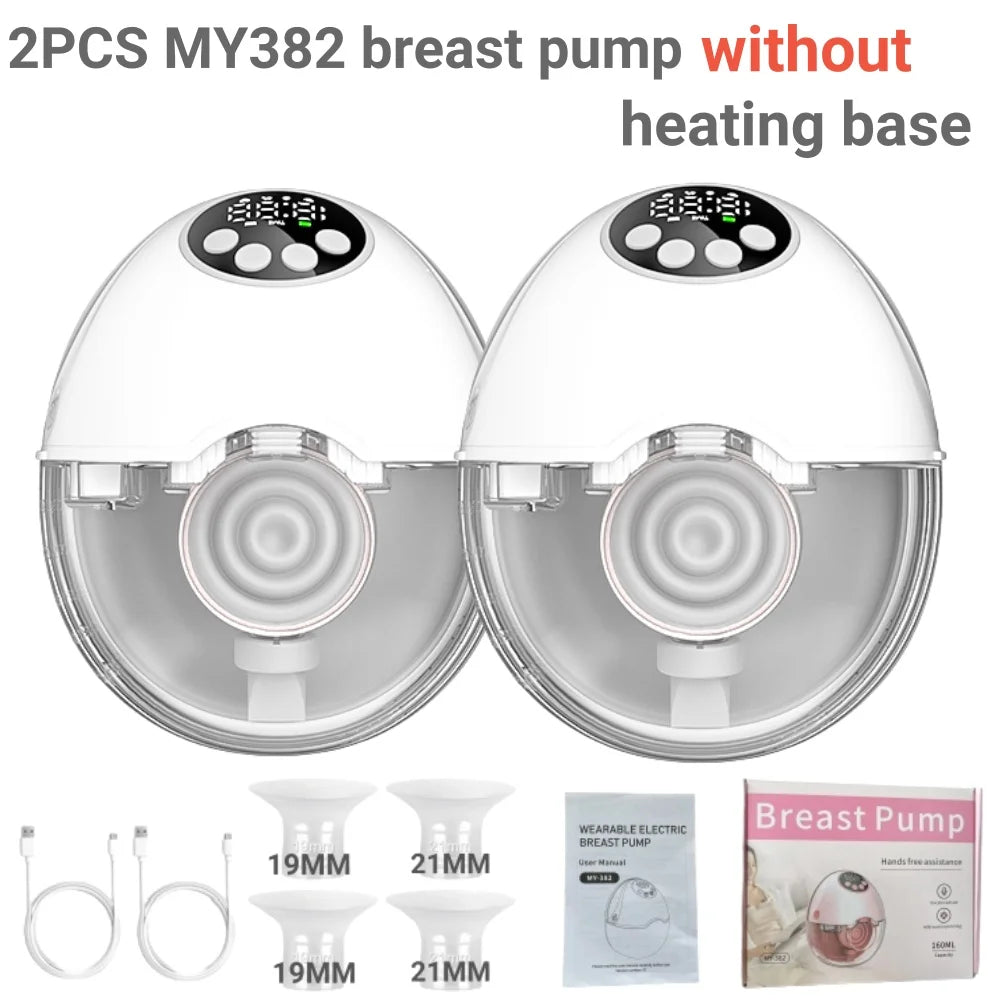
hands free wearable electric breast pump • quiet breast pump • See it in action
Frequently asked questions
Which wearable breast pump has the strongest suction?
The strongest wearable pumps typically offer multiple expression modes, adjustable suction levels, and well-designed flanges that create an effective seal. However, stronger suction is not always better. A properly fitted flange and comfortable settings usually result in better milk removal than using maximum suction.
Are wearable breast pumps as effective as traditional electric pumps?
For many parents, yes. Modern wearable pumps provide excellent performance for daily pumping sessions and maintaining milk supply. Parents who exclusively pump, have established low milk supply, or require hospital-grade performance may still benefit from a traditional electric pump for some sessions.
What is the quietest wearable breast pump?
Many premium wearable pumps operate below 50 dB, making them suitable for offices, shared spaces, and nighttime use. In practice, proper assembly and replacing worn valves and membranes often reduce operating noise as much as the motor itself.
Which wearable breast pump is best for exclusive pumping?
Parents who exclusively pump generally benefit from dual wearable models with longer battery life, multiple expression programs, consistent suction, and widely available replacement parts. Comfort and flange fit are especially important when pumping multiple times each day.
How do I choose the correct flange size?
Your nipple should move freely through the flange tunnel without excessive rubbing or pulling in surrounding breast tissue. A flange that's too small can cause discomfort and reduce milk flow, while one that's too large may decrease suction efficiency. If your size changes after birth or during breastfeeding, reassess your fit.
Can wearable breast pumps be covered by insurance?
Coverage varies by country, insurance provider, and individual plan. Some plans fully or partially cover wearable pumps, while others only cover standard electric pumps. Contact your insurance provider before purchasing to understand your available benefits.
How often should pump valves and membranes be replaced?
For regular use, inspect valves and membranes frequently and replace them approximately every one to three months, or sooner if they become stretched, cracked, or if suction noticeably decreases.
Can I bend over while wearing a wearable breast pump?
Most wearable pumps allow normal movement, but bending completely forward may increase the chance of leaks depending on the collection cup design and milk volume. Move carefully and avoid sudden movements when the containers are nearly full.
Which wearable breast pump is easiest to clean?
Models with fewer removable parts and dishwasher-safe components generally require less daily maintenance. Before buying, compare the number of parts, cleaning instructions, and replacement component availability.
Are app-connected wearable breast pumps worth it?
App connectivity can be useful for tracking pumping sessions, recording milk output, and saving preferred suction settings. However, if you value simplicity, these features are optional rather than essential for effective pumping.
Final recommendations: Which wearable breast pump should you buy?
Best overall
Choose a balanced dual wearable pump that combines reliable suction, quiet performance, comfortable flanges, and dependable battery life. This combination works well for most parents who pump regularly at home and away from home.
Best value
A straightforward wearable model with good suction, simple controls, and easy-to-clean parts delivers excellent value if you pump occasionally or are purchasing your first wearable breast pump.
Best premium
If you pump several times daily, premium models with customizable programs, memory settings, extended battery life, and multiple flange options can improve long-term comfort and convenience.
Quick decision guide
- Working parents: Prioritize quiet operation, secure fit, and long battery life.
- Frequent travelers: Choose compact size, USB-C charging, and minimal cleaning.
- Sensitive users: Focus on flange comfort and gentle expression modes.
- Budget-conscious buyers: Select a reliable model with essential features rather than paying for extras you may never use.
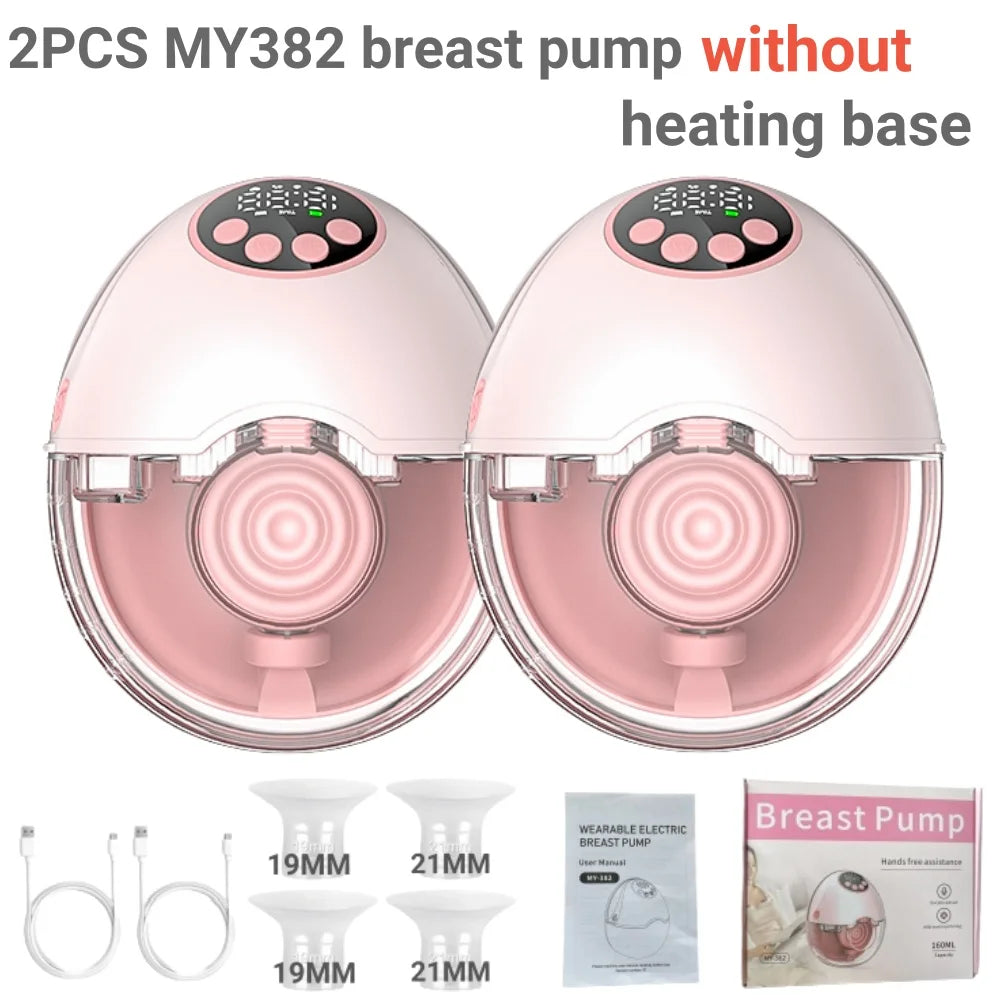
portable breast pump hands free • pumping accessories • See it in action
Related Articles:
- Top Rechargeable Electric Breast Pumps for Efficient Milk Expression
- Compact Breast Pump Comparison: Small Size, Big Efficiency
- Portable Pump Breastfeeding Guide: Best Options for Moms on the Move
- Expressing Breast Milk by Hand: Techniques and Tool Comparisons
Pillar Articles:
- Breast Pump Quiet Reviews: Top Models Moms Recommend
- Breastfeeding Tips for First Time Moms: Tailored Strategies That Work
- Breast Pump Travel Guide: Choosing the Right Pump for Your Trips
- Double Breast Pumps Electric: Features That Maximize Milk Output
- How to Increase Milk Flow: Proven Tips for Consistent Supply





