

Portable Pump Breastfeeding Guide: Best Options for Moms on the Move
Portable pump breastfeeding can transform your daily routine, offering freedom and ease with a hands free electric breast pump, a breast pump quiet enough for discreet use, and pumping cushions that maximize comfort. Whether you're traveling, at work, or juggling errands, these solutions make expressing milk simpler and more enjoyable than ever. Ready to discover which models give you the ultimate balance of convenience and efficiency?
Does portable pump breastfeeding really work?
Portable pump breastfeeding works for many moms: a lightweight hands free electric breast pump with quiet operation and soft pumping cushions makes expressing milk faster, more comfortable, and discreet. For moms on the move it reduces set-up time, lets you pump while doing light tasks, and keeps milk supply steady when used consistently.
⏱ 7 min read
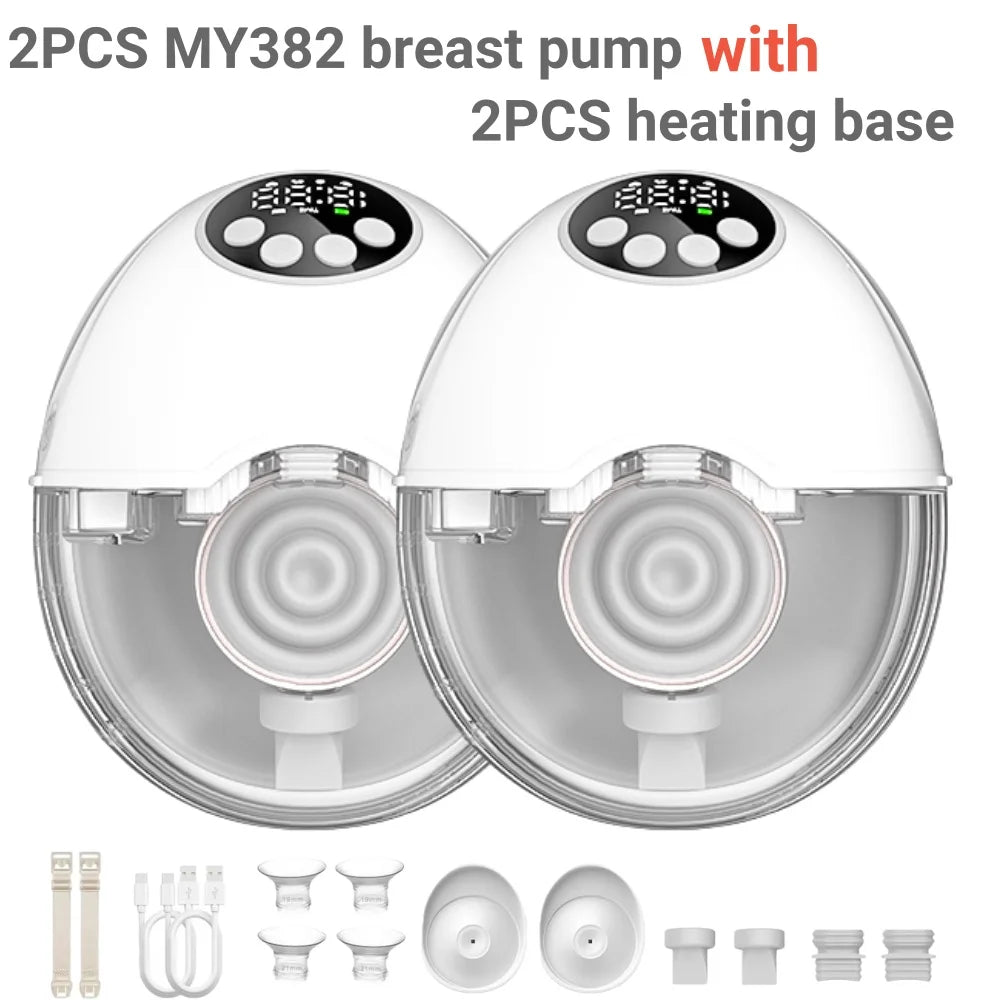
portable pump breastfeeding, hands free electric breast pump, breast pump quiet — 💡 See it in action.
Why a portable pump matters for busy moms
Juggling work, travel, and infant care means squeezing in milk expression between meetings, car lines, and naps. A portable pump breastfeeding setup reduces friction: lightweight hardware, hands-free options, and quiet motors let you pump confidently without pausing your day. It’s about preserving supply, keeping milk storage predictable, and giving you mobility.
Which baby gear suits your newborn best? Read on!
What a portable pump does (short answer)
A portable pump breastfeeding solution combines a compact motor, rechargeable battery, and comfortable flanges (often with pumping cushions) so you can express milk quietly, hands-free, and without being tethered to a wall. Ideal for travel, commute, or working parents who need quick, discreet sessions.
Quick comparison: portable pump types
Below is a clean breakdown to help you match product type to routine.
| Type | Best for | Pros | Cons |
|---|---|---|---|
| Wearable hands-free electric | Moms who multitask and need total mobility | Discreet, fits inside bra, rechargeable, quiet | Smaller bottles, may need extra parts for storage |
| Mini electric (portable but not wearable) | Short trips, office use | Stronger suction, longer run time | Requires a small bag or stand, not fully hands-free |
| Manual / compact hand pump | Occasional expression, budget-conscious | Simple, lightweight, low noise | Slower, requires hand effort, less consistent stimulation |
| Battery-operated hybrid | Moms needing balance between power and portability | Powerful yet portable, replaceable batteries | Noise varies; batteries add weight |
Where each fits
- Daily commuter: wearable hands-free electric.
- Business travel: mini electric with flight-friendly battery.
- Occasional outings: manual or hybrid.
Benefit-first features to look for
Choosing a pump is easier when you prioritize the benefits you want—comfort, speed, discretion, or power.
- Comfort: pumping cushions (soft silicone) reduce nipple pain and improve seal.
- Discretion: breast pump quiet motors and wearable designs keep sessions private.
- Battery life: long run time for travel or long workdays.
- Portability: weight under 1 lb and compact design for stashing in a bag.
- Ease of cleaning: fewer parts and dishwasher-safe components.
- Storage compatibility: works with standard bottles or includes adapters for milk storage bags.
How to choose the right pump for your routine
Match the pump’s strengths to real-life use cases rather than shopping by brand alone. Ask: Where will I pump most? How long are sessions? Do I need hands-free?
- List your pumping locations. If mostly at work or in the car, prioritize compact size and low noise.
- Estimate daily sessions. Frequent daily use benefits from stronger suction and comfortable flanges.
- Check battery and charging options. USB-C or wireless-friendly chargers are best for travel.
- Consider accessories. Pumping cushions, extra bottles, a travel bag, and spare valves will make life easier.
Real parent scenarios & reviews (social proof)
Below are short, realistic reviews compiled from common parent experiences to help set expectations.
- Working parent: "The wearable pump fit inside my bra during Zoom calls — barely noticeable and quiet enough to keep me confident." — L., NYC
- Traveling mom: "Battery lasted two flights and a long layover. I packed spare pumping cushions to stay comfortable." — M., SF
- Night pumper: "Quiet motor + soft cushions made 10–15 minute sessions painless and effective." — A., TX
Pros / Cons — typical outcomes
| Benefit | Common drawback |
|---|---|
| Discreet expression | Smaller bottle size may require extra storage steps |
| Hands-free convenience | May need adjusting for seal; not every flange fits perfectly |
| Quiet motors | Quieter pumps sometimes trade off peak suction strength |
Care, packing, and travel tips
Maintaining hygiene and packing smart prevents leaks, reduces repair needs, and extends pump life.
- Clean after each use: Rinse parts that contact milk and deep-clean daily per manufacturer instructions.
- Pack a quick kit: spare pumping cushions, extra membranes, a zip pouch for valves, and sanitizing wipes.
- Label milk: Use freezer-safe labels for travel; date and time each bottle or bag.
- Carry discretion: a small insulated pouch keeps milk cool and concealed.
Top recommendations and where to explore
Below are situational picks — not a ranked list — so you can match a pump to the way you live.
| Use-case | Recommended style | Why it fits |
|---|---|---|
| All-day commuter | Wearable hands-free electric | Discreet, bra-worn, quick sessions between tasks |
| Business travel | Mini electric with USB charging | Compact, powerful enough for regular sessions, airline-friendly |
| Occasional pump | Manual or hybrid | Simple, light, low-maintenance |
Find accessories, replacement cushions, and compatible feeding tools in our Feeding & Nursing and Mom Essentials collections.
Product highlight: a reliable hands-free option is available in our product catalog — hands-free electric breast pump — designed for discreet, quiet use and simple cleaning.
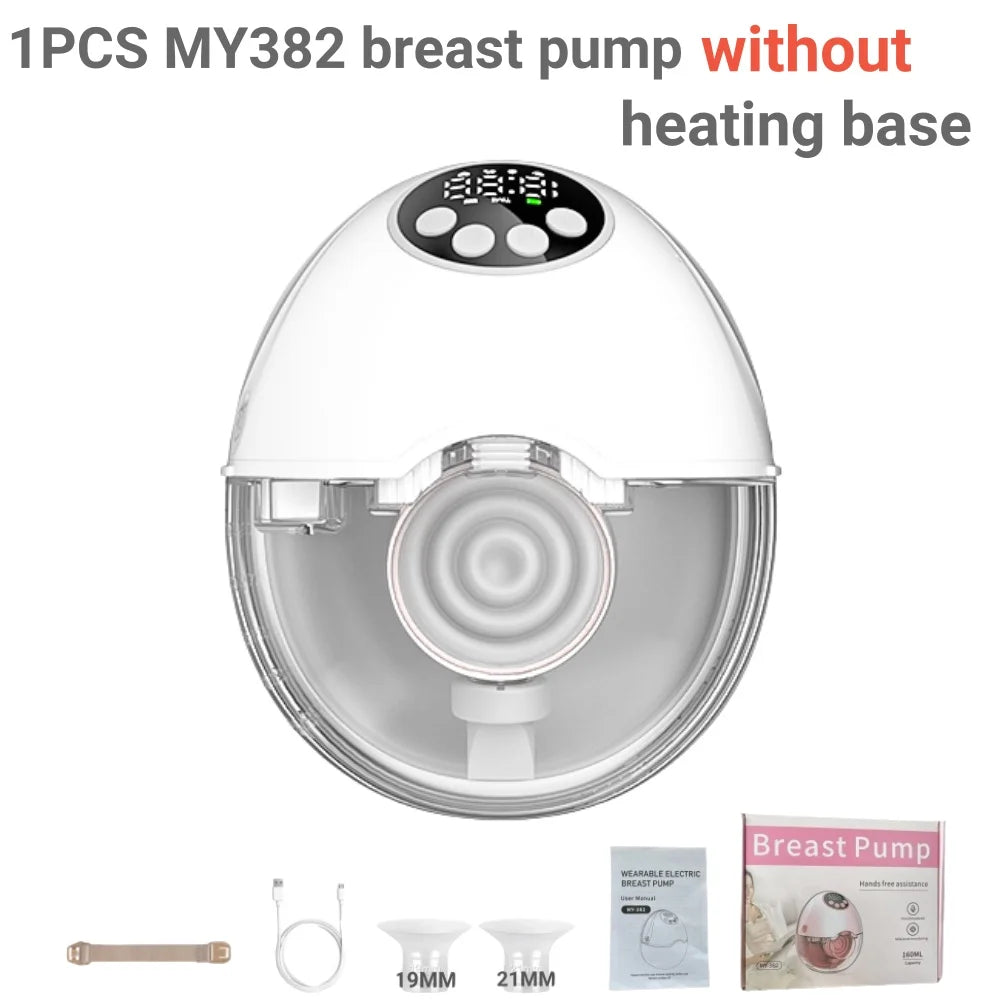
hands free electric breast pump, breast pump quiet, pumping cushions — 💡 See it in action.
Mini FAQ
- Is a wearable pump as effective as a standard electric pump?
- Yes for maintenance and frequent short sessions; some moms prefer full-size pumps for freezer stockpiling or long sessions because they can have stronger sustained suction.
- How often should I pump to maintain supply when away from baby?
- Typically every 2–3 hours during the day for exclusive pumping, and slightly less frequent for partial expression — consistency matters more than duration in many cases.
- Are pumping cushions worth it?
- Yes — they improve comfort, help seal the flange, and can increase expressed volume in shorter sessions for many users.
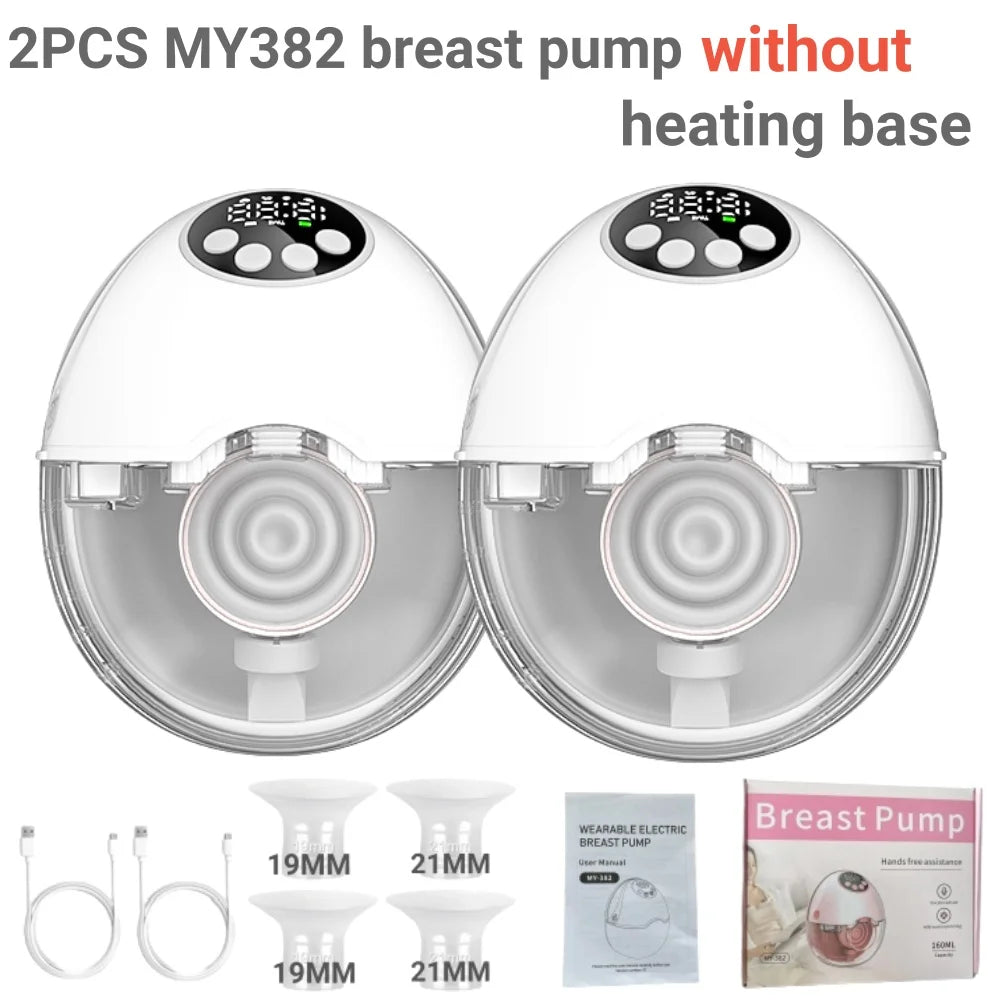
portable pump breastfeeding, discreet pump, pumping cushions — 💡 See it in action.
If you want quick access to accessories and compatible feeding tools, browse Breastfeeding Aids or the Feeding & Nursing collection for spare parts, storage options, and comfort upgrades.
Pillar Article: Best Wearable Breast Pump 2025: Reviews and Top Picks for Moms
Other Related Articles:
- Top Rechargeable Electric Breast Pumps for Efficient Milk Expression
- Compact Breast Pump Comparison: Small Size, Big Efficiency
- Expressing Breast Milk by Hand: Techniques and Tool Comparisons
Explore More:





