

Does an electric portable breast pump really make pumping easier?
Yes — an electric portable breast pump delivers faster, more consistent milk expression with less effort than manual options. The electric portable breast pump offers hands-free use, a silent motor for discreet pumping, and BPA-free components to protect milk quality, making it ideal for busy parents who need reliable, on-the-go performance.
Electric Portable Breast Pump Benefits: Convenience Meets Performance
⏱ 7 min read — If juggling work, naps, and feedings feels impossible, an electric portable breast pump could be the practical change you need. This guide explains how a lightweight, quiet, and BPA-free electric pump saves time, protects milk quality, and fits into real-life routines—so pumping becomes one less stressor in your day.
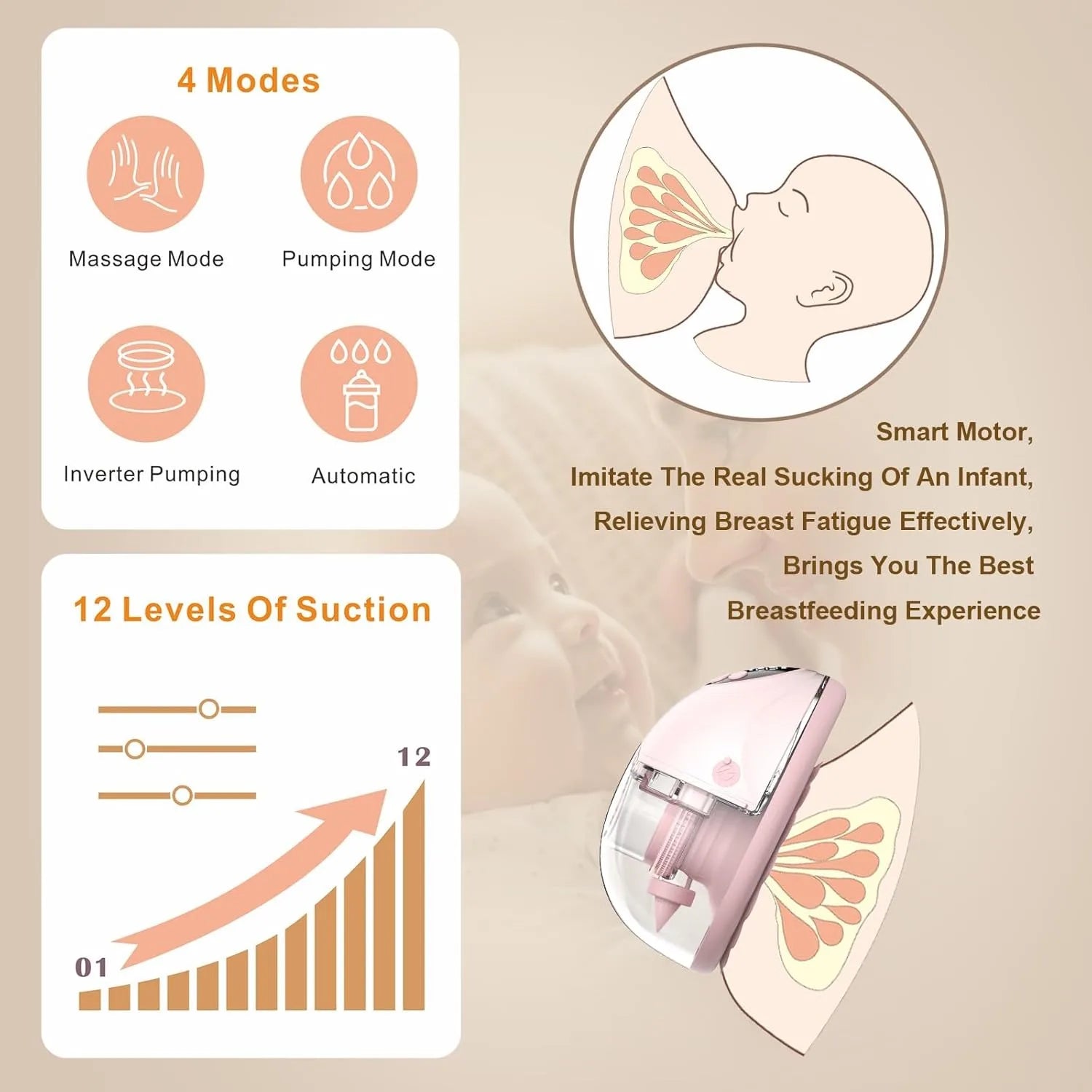
electric portable breast pump • portable breast pump hands free • 💡 See it in action
Why switch to an electric portable breast pump?
Many parents start with a manual pump or try expressing by hand because it feels familiar or cheap. But when you need consistent output, predictable sessions, or the ability to pump while doing other tasks, the electric portable breast pump changes the equation. It's designed for sustained performance: lightweight, battery-powered, and built to keep milk safe with BPA-free components.
How it works — technology that protects milk and saves time
The electric portable breast pump uses a small, efficient motor to create a controlled vacuum rhythm that mimics a baby’s natural latch and suck pattern. Advanced models offer adjustable suction and cycle speed, memory modes for repeat sessions, and a silent motor so you can pump without drawing attention.
- Microprocessor-controlled suction: consistent, measurable cycles.
- Soft silicone flanges and one-way valves: reduce backflow and protect milk.
- Rechargeable battery: true portability for work, travel, or errands.
- BPA-free materials: safe storage and handling of expressed milk.
Top benefits: What you’ll actually gain
Here are the outcome-driven benefits parents notice right away—less guesswork, quieter sessions, and more usable milk per minute.
Hands-free pumping that frees your time
With a portable breast pump hands free design, you can answer emails, read, or soothe your baby while pumping. That dual-tasking ability converts pockets of idle time into productive feedings, which is crucial for working parents or those balancing multiple children.
Quiet sessions—discreet and stress-free
A silent motor allows discreet pumping during naps or in office environments. Less worry about noise means you’re more likely to stick to a pumping schedule that maintains supply.
Safer milk, easier storage
BPA-free electric breast pump materials ensure the expressed milk isn’t exposed to harmful chemicals. That matters for long-term storage and for peace of mind when giving expressed milk to a partner or at daycare.
Consistent output and faster sessions
Because the device mimics natural feeding patterns, many parents report equal or greater milk volume in shorter sessions compared with older manual pumps.
Real-world routines: Pumping in the wild
Here are scenarios where an electric portable breast pump shines, with tips to make each session smoother.
At work
- Schedule 10–15 minute sessions—use a wearable or hands-free kit to keep your desk time productive.
- Opt for a model with memory settings so you don’t reset suction each session.
While traveling
- Battery life and a compact case make long trips easier; keep a cooler pack for longer storage.
- Choose a silent motor for discreet use on planes or in lounges.
At home during naps
- Use low suction with longer cycles to mimic a sleepy baby’s rhythm and reduce discomfort.
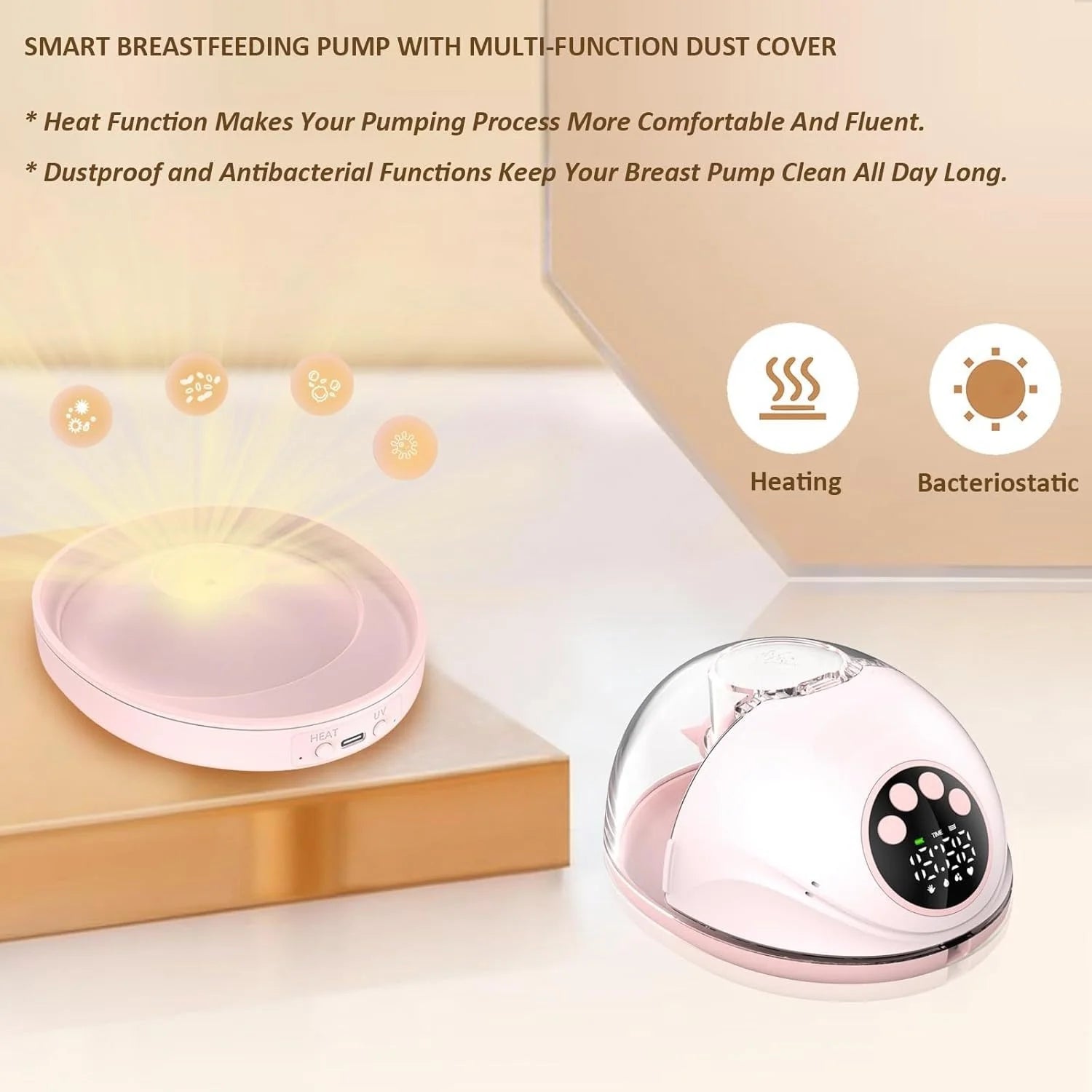
portable breast pump hands free • silent motor • 💡 See how it fits daily life
Compare options: electric vs. manual vs. hybrid
An electric portable breast pump delivers higher average milk output per minute and less physical effort than manual pumps, while hybrid options offer manual fallback. The electric portable breast pump is best for regular pumpers; hybrids suit occasional users who want flexibility. Choose based on frequency, comfort, and noise needs.
| Feature | Electric Portable Pump | Manual Pump | Hybrid |
|---|---|---|---|
| Effort required | Low | High | Medium |
| Portability | High (battery) | Medium | High |
| Noise | Low (silent motor models) | None (manual) | Low–Medium |
| Cost | Moderate–High | Low | Moderate |
How to get the best results (step-by-step)
- Wash hands and assemble the pump using the manufacturer's instructions.
- Find the right flange size for comfort—wrong size reduces output.
- Start on a low suction, 2–3 minute warm-up phase if available, then increase to a level that matches comfort with good flow.
- Remain relaxed—massage the breast for 30–60 seconds if output is slow.
- Store milk in sterilized containers and refrigerate or freeze promptly following safe storage guidelines.
Safety, cleaning, and BPA-free materials
Choose a pump with clearly labeled BPA-free parts for any component that contacts milk. Use single-use or properly sterilized storage bags/bottles, and follow manufacturer cleaning instructions. One-way valves and anti-backflow systems reduce contamination risk—learn the specifics for your model before first use.
Want related cleaning tools and sterilizers? Check Sterilization Devices to pair with your pump and keep parts safe and ready.
Proof: reviews, data, and what parents say
Surveys of regular pumpers show that portable electric pumps increase satisfaction with pumping schedules and perceived milk output compared to manual pumps. Parents commonly cite the silent motor and hands-free capability as game-changers for productivity and privacy. Look for models with memory settings and comfortable flanges for the best experience.
“I took my electric portable pump to work and could pump during short breaks without missing a beat. The quiet motor meant I could pump during meetings when necessary, and the BPA-free parts gave me peace of mind for day-care bottles.” — J., working mom
Quick pros & cons
- ✅ Pros: Hands-free options, silent motor, consistent output, BPA-free parts, battery portability.
- ❌ Cons: Higher upfront cost than manual pumps; need to keep battery charged; small learning curve for flange fit and settings.
Where to buy & next steps
If you’re ready to move from trial to reliable performance, consider a model that emphasizes a silent motor, hands-free compatibility, and BPA-free construction. Try scheduling a short, timed test each day for the first week to tune settings and flange size. For accessory pairings—bottle warmers, sterilizers, and feeding tools—browse Feeding & Nursing and Breastfeeding Aids.
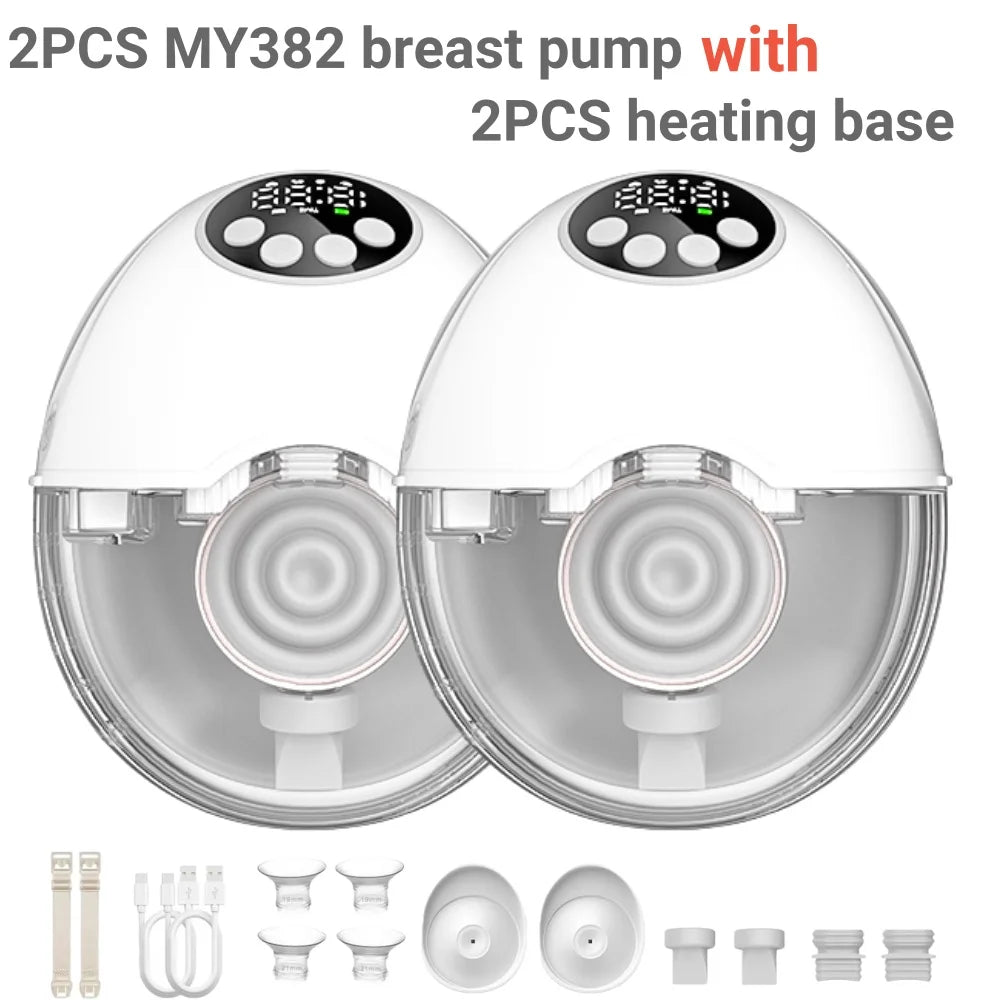
bpa free electric breast pump • hands free pump • 💡 See it in action
Free returns within 30 days • Ships quickly
Mini-FAQ
1. How long will battery last on a single charge?
Battery life varies by model and suction settings; expect 4–8 pumping sessions per full charge for many portable models. Lower suction and intermittent use extend runtime.
2. Is the pump loud when used at high suction?
Top portable models use a silent motor design; noise is typically low hum-level and often unnoticeable in normal environments. Check user reviews for real-world noise impressions.
3. Can I use bottles I already own with the pump?
Many pumps are compatible with standard bottles, but adapters may be required. Confirm compatibility with your bottle brand or choose standard-neck bottles that work with most adapters.
Final note: if consistent output, privacy, and freedom to multitask matter to you, the electric portable breast pump is worth considering. Try pairing it with trusted accessories from Sterilization Devices and Feeding & Nursing to build a complete, low-stress routine.
Pillar Article: Double Breast Pumps Electric: Features That Maximize Milk Output
Other Related Articles:
Explore More:





