

Sterilizer for Breast Pump Parts: Why UV and Heat Matter
⏱ 7 min read
Does a sterilizer for breast pump parts really work?
A sterilizer for breast pump parts reduces surface bacteria and viruses using focused ultraviolet light or controlled heat cycles, making cleaning faster and more consistent than soap-and-water alone. For parents storing expressed breast milk in fridge conditions, adding UV or heat sterilization cuts contamination risk and helps preserve milk quality.
Worried that your daily cleaning routine for pump parts might be missing microscopic threats? You’re not alone. Many parents think rinsing or quick soap washes are enough—but bacteria and residue hide in seams and valves. This guide explains why choosing a modern sterilizer for breast pump parts (UV + heat) gives clearer protection, easier routines, and better peace of mind for night feeds and milk storage.
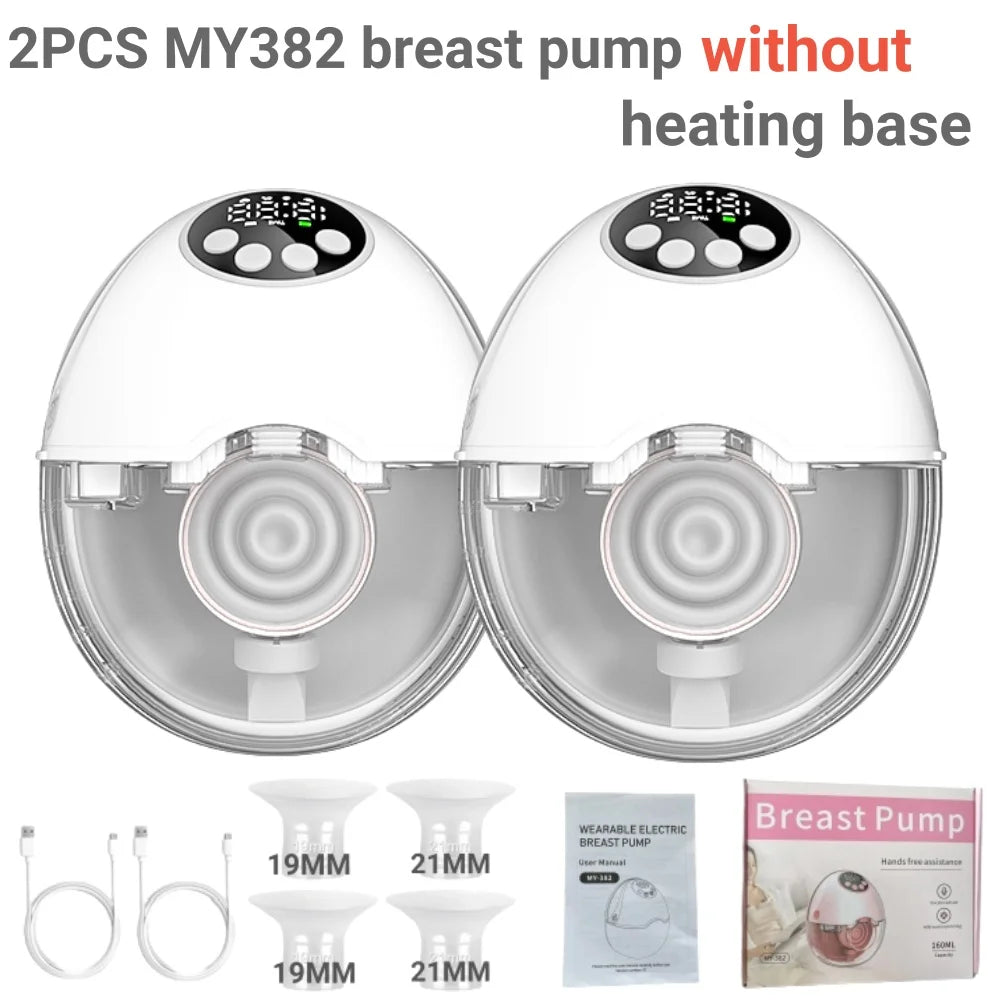
sterilizer for breast pump parts, breast pump uv sterilizer — 💡 See it in action
Curious about baby gear that truly simplifies care? Start here to compare smart hygiene tools and practical devices for busy parents.
Why sterilize pump parts? (Quick answer)
Breast pump parts contact milk and skin repeatedly; residue, milk film and microbes can build up in hard-to-clean joints. Sterilizing removes those unseen risks so expressed breast milk in fridge conditions stays safer for longer and your baby’s immune exposure is minimized.
How UV and heat sterilizers work — simple science
- UV-C light: Damages DNA/RNA of bacteria and viruses so they can’t reproduce. Best for dry items and quick cycles.
- Controlled heat (steam/dry-heat): Uses temperature and time to denature proteins and kill pathogens; effective for stubborn residues and wet parts.
- Combination cycles: Some units use a heat pre-clean then UV finishing to cover both organic residue and microbial kill.
Benefit-first: How a sterilizer for breast pump parts improves daily feeding
Using a dedicated sterilizer reduces cleaning time, lowers contamination risk, and simplifies night-time prep so you can focus on feeding, sleep, and recovery.
Top benefits at a glance
- Fewer hand-scrub sessions — clean one cycle, done.
- Consistent sanitization vs. human error in hand-washing.
- Safer storage of expressed milk in fridge — less bacterial growth.
- Non-contact sterilization options (UV) keep delicate silicone safer than harsh chemicals.
Comparing sterilization options: pick what fits your routine
| Method | Typical cycle time | Best for | Pros | Cons |
|---|---|---|---|---|
| UV-C sterilizer | 5–15 minutes | Dry parts, quick top-up sanitizing | Fast, no water, gentle on plastics | Less effective on heavily soiled/wet items |
| Steam heat sterilizer | 8–20 minutes | Wet parts and bottles | Very effective on wet residue, no chemicals | Requires water, may wear some materials over time |
| Boiling / manual | 10–15 minutes | Occasional deep-clean | Cheap, effective | Time-consuming, potential warping of parts |
Which one should you choose?
If you want fast, daily-ready cleaning for multiple parts, a combo unit (heat + UV) or a dedicated UV sterilizer paired with a quick rinse often gives the best balance of speed and protection.
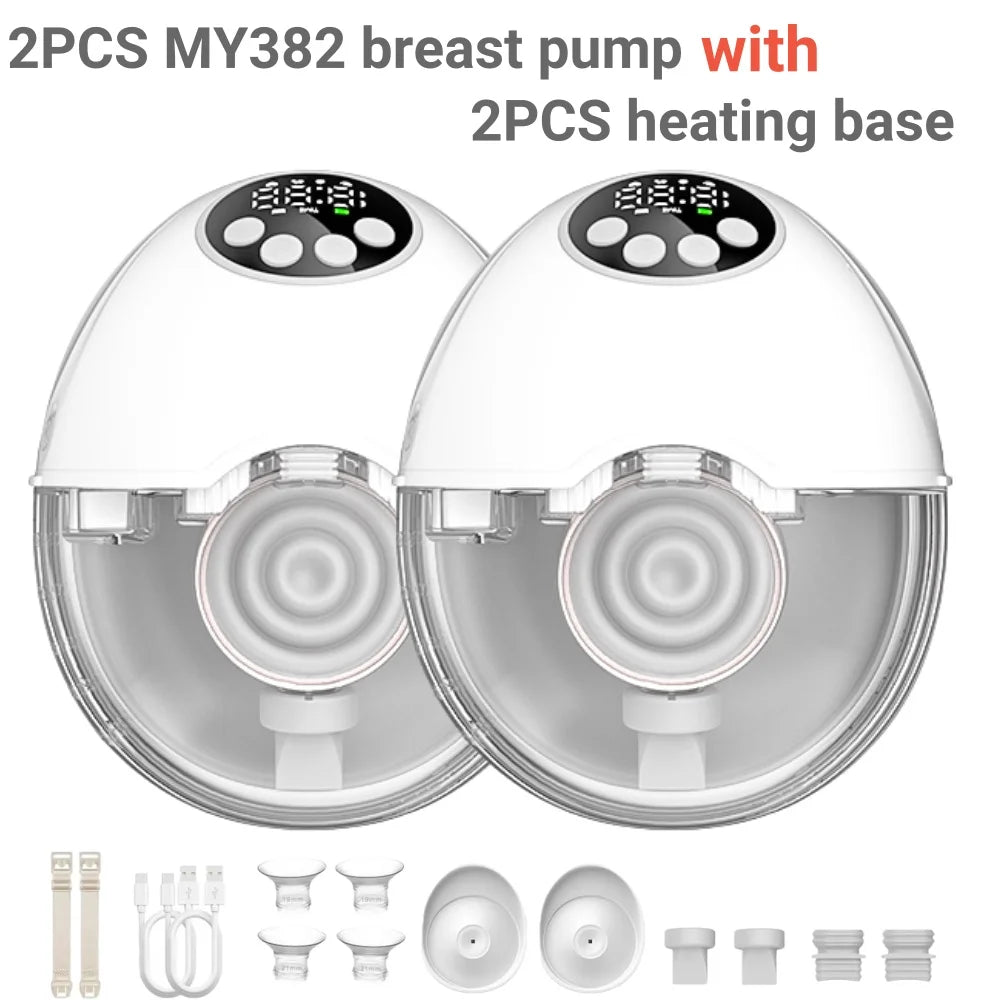
breast pump uv sterilizer, heating milk to kill bacteria — 💡 See it in action
How to use a UV + heat sterilizer (step-by-step)
Ready-to-use guide for busy parents — follow these short steps after every pumping session.
- Rinse parts under cold water to remove visible milk residue.
- Disassemble valves, membranes, and bottles so surfaces are exposed.
- Place items in sterilizer basket; avoid overlapping pieces for even exposure.
- Select a combined heat + UV cycle (if available) or run heat first, then UV.
- Remove with clean hands or tongs; allow to air-dry completely before storing.
Quick tips for best results
- Follow manufacturer instructions for max load and cycle times.
- Check seals and membranes regularly — replace worn parts.
- When storing expressed milk in fridge, use cold storage guidelines and label with date/time.
Real results: What parents notice
Parents report fewer blocked valves, less lingering milk smell, and fewer concerns about fridge-stored milk turning quickly. One common pattern: after adding sterilization, families saw fewer feeding interruptions due to clogged parts.
Before / After (example)
- Before: Daily scrubbing, occasional funky scent in bottles, one membrane replaced monthly.
- After: One sterilize cycle per pump session, cleaner-feeling parts, membrane lasts longer.
Buying guide: What to look for in a sterilizer for breast pump parts
Look for models with clear cycle specs, capacity that fits your most frequent use (single vs. double pumping), and reputable safety certifications. Extras like timers, detachable trays, and compact footprints are helpful for small kitchens.
Key features checklist
- UV-C wavelength specification (commonly ~254 nm) or verified ozone-free operation.
- Adjustable heat settings and validated temperature/time profiles.
- Capacity to hold multiple pump sets or a bottle plus parts.
- Low maintenance — easy-to-clean trays and replaceable bulbs (if applicable).
- Certifications (electrical safety, materials safety for baby products).
Pairing idea: match a sterilizer with compact Feeding & Nursing accessories to create a tidy night-feed station.
✅ Pros & ❌ Cons (short list)
- ✅ Consistent, science-backed sanitization.
- ✅ Saves time over frequent manual boiling.
- ✅ Some units are multifunctional — sterilize toys, pacifiers, and more.
- ❌ Upfront cost vs. simple boiling.
- ❌ UV-only units need clean, dry items to be fully effective.
Detailed comparisons and practical tips to match a sterilizer to your pumping pattern and storage needs.
How sterilization affects expressed breast milk in fridge storage
Keeping pump parts sterile lowers the chance of introducing microbes into stored milk. That matters because milk kept at fridge temperatures can still support bacterial growth if contaminated — even small reductions in initial contamination reduce risk over storage time.
Practical fridge-storage rules
- Label milk with date and time; use oldest first.
- Store milk in the back of the fridge where temperature is most stable.
- Use within recommended time windows for refrigerated milk.
Evidence & safety: What research and guides say
Clinical and consumer guidance consistently notes that proper cleaning and sterilization reduce contamination risks. While hand-washing and boiling are effective, modern UV and heat devices offer repeatable cycles and convenience — both important for adherence in busy households.
Parent voices — short testimonials
“Switching to a sterilizer cut my pump-cleaning time in half and I felt calmer about storing extra milk for daycare.” — L., new mom
“The UV cycle is great for quick top-ups between feeds. No weird smells and the parts look brand new.” — S., pumping exclusively
Purchase, maintenance, and real-world tips
Consider where the unit will live — countertop, shelf, or travel. Replace UV bulbs per the manufacturer schedule and descale heat-based units periodically. Keep spare valves and membranes on hand so parts aren’t overused.
If you want to compare a complementary feeding product, check the Feeding & Nursing collection for compatible bottles and accessories.
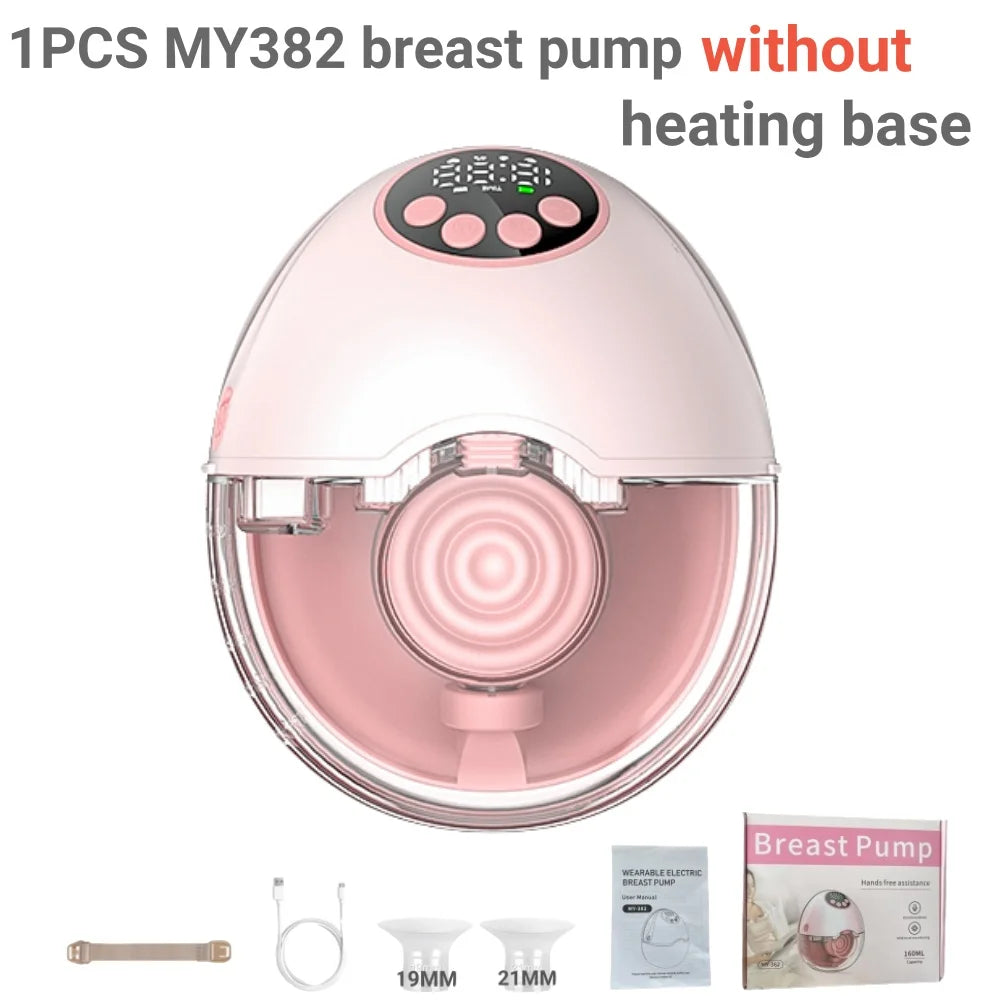
expressed breast milk in fridge, breast pump uv sterilizer — 💡 See it in action
Pricing and where to buy
Prices vary by capacity and features. Basic UV units are lower cost; combo heat + UV models cost more but cover more use-cases. Compare warranty, replacement parts availability, and energy use. For a compact, hands-free pumping setup, see the product details at this hands-free electric pump which pairs well with countertop sterilizers.
Mini FAQ
-
Do I need to sterilize pump parts every time?
For newborns or immunocompromised infants, sterilize after each use. For healthy older babies, daily sterilization plus rinse is often sufficient — follow health guidance and product instructions.
-
Can UV damage silicone parts?
Prolonged direct UV exposure can degrade some materials; choose units designed for baby gear and follow recommended cycle durations to limit wear.
-
Will sterilization change milk nutrients?
Short sterilization cycles that clean pump parts do not affect the milk already expressed. Avoid exposing stored milk to heat; sterilizers are for pump parts, not milk containers filled with milk during a cycle unless the device specifically supports bottle-warming with safe profiles.
Final thoughts — make feeding simpler and safer
Choosing a sterilizer for breast pump parts is a practical step for parents who want reliable, repeatable cleaning without constant scrubbing. Whether you pick a UV unit for speed or a heat + UV combo for deep-cleaning, the result is the same: fewer worries about contamination and smoother feeding routines. Pair a sterilizer with organized storage (labeling, fridge placement) and quality pump parts for the best results.
Ready to simplify cleaning and protect your milk supply? Check product details and availability for faster, safer feeding.
Related gear and collections
Frequently Asked Questions
1. Is UV sterilization safe for pump parts?
Yes—when used as directed. UV units designed for baby gear avoid ozone and use controlled exposure times. Always follow manufacturer guidance and replace bulbs as recommended.
2. How long should I run a heat cycle?
Typical steam cycles run 8–20 minutes depending on the model. Check the device manual for temperature/time settings to ensure proper sanitization.
3. Can I sterilize other items in the same unit?
Many sterilizers accept pacifiers, small toys, and bottle parts — confirm the unit’s capacity and recommended item types before mixing categories.
Pillar Article: Double Breast Pumps Electric: Features That Maximize Milk Output
Other Related Articles:
Explore More:





