

Does a Double Electric Breast Pump Really Increase Milk Output?
Answer: Yes — a double electric breast pump can help many parents collect more milk in less time by expressing both breasts simultaneously. It may improve efficiency, encourage more complete breast emptying, and support milk supply when combined with the right flange fit, comfortable suction settings, and a consistent pumping schedule. It is especially useful for working parents, exclusive pumpers, and anyone looking for an electric breast pump for maximum milk output .
⏱ 14 min read
Double Electric Breast Pump (2026): Features That Maximize Milk Output
Choosing the right double electric breast pump can make pumping sessions faster, more comfortable, and easier to maintain long term. This updated guide compares the features that matter most, including suction performance, flange comfort, quiet operation, portability, hands-free designs, and cleaning requirements. Whether you need a quiet double electric breast pump , a hands free double electric breast pump , or a higher-powered option for frequent pumping, these insights help you find the best match for your routine.
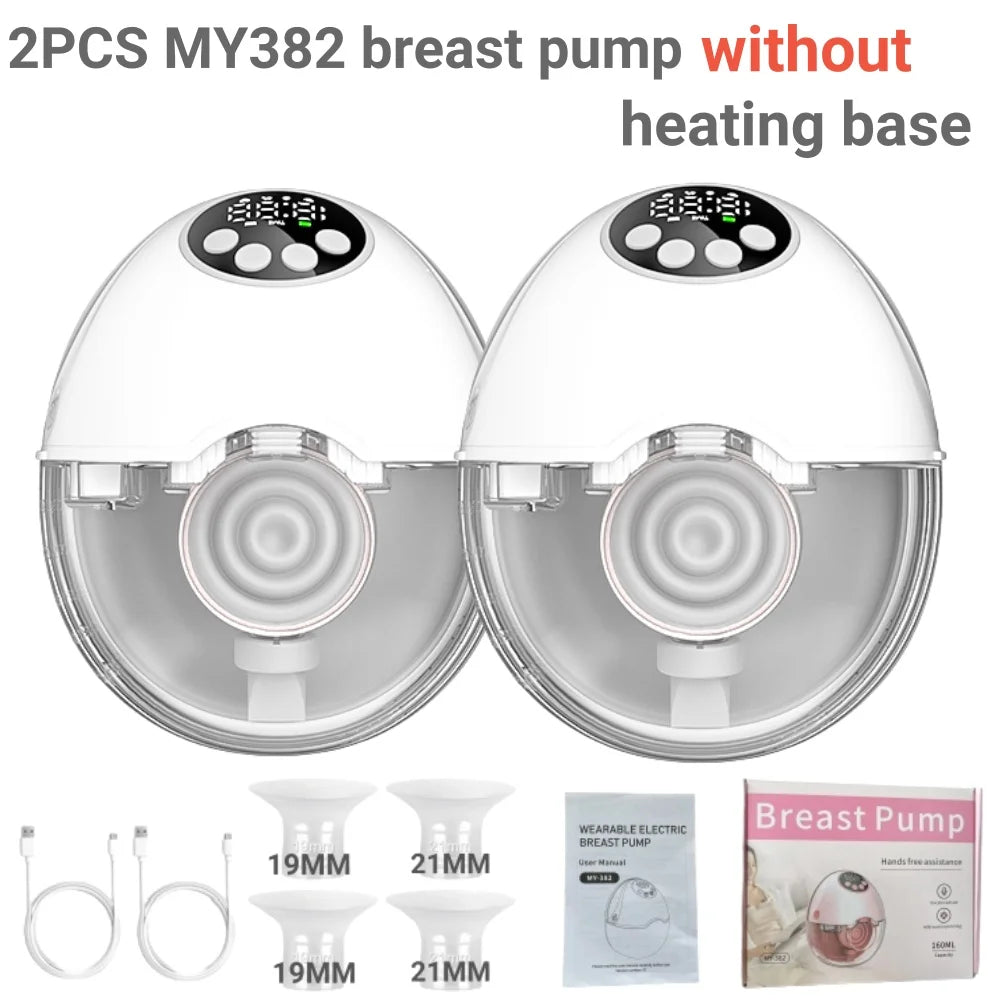
double breast pumps electric + quiet breast pump + vacuum cup design — See it in action.
Best Double Electric Breast Pumps (2026): Top Picks by Need
The best double electric breast pump depends on your pumping frequency, comfort needs, budget, and lifestyle. Some parents prioritize hospital-level performance, while others need lightweight wearable convenience or quiet operation for nighttime pumping.
Best overall double electric breast pump
Recommended for: Parents who pump daily and want a balance of suction, comfort, and reliability.
- Key specifications: Dual breast expression, adjustable suction levels, multiple flange options, rechargeable operation.
- Pros: Efficient sessions, customizable settings, suitable for regular pumping.
- Cons: Usually larger than basic single pumps.
Best hospital grade double breast pump
Recommended for: Exclusive pumpers, parents building supply, or those needing maximum daily durability.
- Key specifications: Stronger motor performance, advanced cycling patterns, longer operating life.
- Pros: Designed for frequent use and consistent output.
- Cons: Higher price and less portability.
Best hands free double electric breast pump
Recommended for: Parents who need mobility while working, caring for another child, or managing daily tasks.
The hands-free electric breast pump provides more flexibility by reducing the need to stay connected to a traditional pump setup.
- Pros: More freedom during pumping sessions, easier daytime use.
- Cons: Wearable designs may require careful fitting for the best seal.
Best quiet double electric breast pump
Recommended for: Night pumping or parents who want a calmer environment.
- Key specifications: Low-noise motor, smooth operation, vibration control.
- Pros: Less disruptive during sleep schedules.
- Cons: Quiet operation does not always mean stronger suction.
Best value for money
Recommended for: Parents who want essential features without paying for premium extras.
- Look for: Adjustable suction, replacement part availability, comfortable flange options, and dependable battery performance.
Quick Comparison Table
| Feature | Best Double Electric Breast Pump | Hospital Grade | Hands-Free Model | Quiet Model |
|---|---|---|---|---|
| Suction strength | Adjustable daily-use suction | Highest performance range | Moderate to high depending on design | Balanced performance |
| Noise | Medium-low | Medium | Low-medium | Lowest operation noise |
| Battery life | Rechargeable options available | Often plug-in focused | Built for mobile pumping | Rechargeable options common |
| Portability | Good | Limited | Excellent | Good |
| Price | Mid-range | Higher | Mid to premium | Mid-range |
Does a Double Electric Breast Pump Really Increase Milk Output?
A double electric breast pump can improve pumping efficiency because both breasts are stimulated and emptied at the same time. Many parents choose double pumping because shorter sessions make it easier to maintain frequent milk removal, which is important when learning how to increase milk supply with breast pump routines.
The biggest benefits usually come from:
- Reduced pumping time compared with switching between breasts.
- More consistent breast stimulation.
- Better convenience for parents balancing feeding, work, and rest.
- Improved comfort when paired with correct flange sizing.
How We Evaluated These Breast Pumps
To identify the most useful double electric breast pump features, evaluation focuses on the factors that affect daily pumping success:
- Comfort: flange fit, soft materials, and reduced nipple pressure.
- Performance: suction adjustment, cycling options, and pumping efficiency.
- Ease of cleaning: number of removable parts and maintenance requirements.
- Daily usability: noise level, portability, battery life, and setup time.
- Value: replacement parts, durability, and long-term convenience.
Key Features That Matter Before You Buy
The right features can make the difference between a frustrating pumping experience and a comfortable routine.
Breast pump suction levels explained
Modern pumps usually include stimulation mode and expression mode. Stimulation uses faster, lighter cycles to encourage let-down, while expression mode uses slower cycles to remove milk efficiently.
- Multiple suction levels allow adjustment for comfort.
- Higher suction is not always better if it causes pain.
- A comfortable setting often produces better consistency over time.
Flange sizing and comfort
Proper flange sizing is essential for comfort and output. A well-fitting flange creates an effective seal while allowing the nipple to move freely without excessive rubbing.
- Choose a size that matches your nipple measurement.
- Consider silicone inserts for customized comfort.
- Replace worn parts that affect suction.
Quiet motors
A quiet double electric breast pump can make early morning and nighttime sessions easier. Many parents prefer lower-noise models because they reduce disruption while pumping near sleeping babies.
Battery and portability
Rechargeable batteries make pumping away from an outlet easier. Consider battery duration, charging speed, and overall pump weight before choosing a model for work or travel.
Hands-free convenience
A hands free double electric breast pump allows more flexibility during daily routines. Wearable designs and adapter systems can help parents pump while working or completing household tasks.
Double Pump vs Single Pump: Which Is Better?
| Factor | Double Pump | Single Pump |
|---|---|---|
| Session time | Shorter because both breasts pump together | Longer because breasts are pumped separately |
| Milk output | Often more efficient for frequent pumping | Works well for occasional use |
| Comfort | Requires correct fitting for both sides | Simpler setup |
| Best for | Working parents, exclusive pumping, supply support | Supplemental pumping |
Hospital-Grade vs Standard Double Electric Breast Pumps
A hospital grade double breast pump is designed for frequent, intensive use. These pumps typically offer stronger motors, longer durability, and advanced suction control.
Standard double electric pumps are usually better for parents who need reliable daily pumping without hospital-level performance.
- Hospital grade: Best for exclusive pumping or building supply.
- Standard: Better value for regular home use.
- Rental options: Useful when high-performance pumping is needed temporarily.
Choosing the Best Breast Pump for Large Breasts
The best breast pump for large breasts should offer flexible flange sizing, comfortable seals, and accessories that accommodate different breast shapes.
- Check available flange diameters before buying.
- Look for deeper cups or flexible silicone designs.
- Choose pumps with replacement sizing options.
For additional accessories, browse the Breastfeeding Aids collection.
How to Increase Milk Supply While Pumping
Consistent milk removal is one of the most important parts of improving supply. A double electric breast pump can support this process by making regular sessions easier.
- Pump on a consistent schedule.
- Use gentle massage before and during pumping.
- Adjust suction levels to avoid discomfort.
- Ensure proper flange fit.
- Track output patterns and adjust routines when needed.
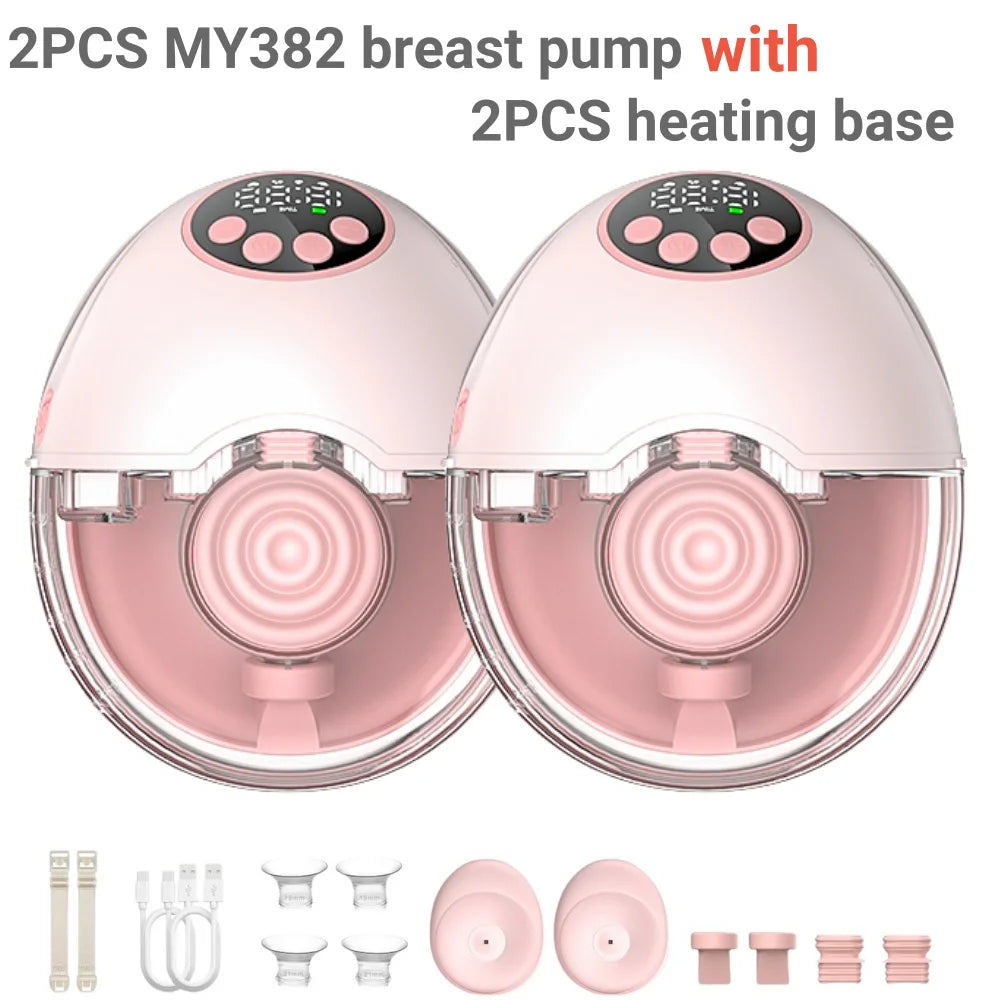
double breast pumps electric + pumping accessories = smoother sessions — See it in action.
Troubleshooting Common Pumping Problems
Low milk output
- Check flange size and positioning.
- Increase pumping consistency.
- Add gentle massage before sessions.
Pain or pinching
- Lower suction intensity.
- Try a different flange size.
- Check whether the seal is centered correctly.
Loss of suction
- Replace worn valves or membranes.
- Check connections and tubing.
- Clean parts thoroughly.
Excessive noise
- Inspect parts for incorrect assembly.
- Check for moisture entering the motor area.
- Replace damaged components.
Cleaning, Safety, and Maintenance
Regular cleaning helps protect milk quality and maintain pump performance.
- Wash removable parts after each session.
- Sterilize parts regularly, especially for newborns.
- Replace valves, membranes, and worn silicone parts as needed.
Browse Sterilization Devices and Feeding & Nursing for additional care resources.
Battery Life, Portability, and Travel Comparison
For parents who pump outside the home, portability can matter as much as suction strength.
- Rechargeable pumps: Convenient for commuting and travel.
- Wearable pumps: Best for hands-free movement.
- Lightweight models: Easier for daily carrying.
- Quiet pumps: Better for discreet sessions.
When portability is a priority, consider the hands-free electric breast pump for flexible pumping sessions.
Mini FAQ
What is the best double electric breast pump?
The best double electric breast pump depends on your needs. Daily pumpers may prefer strong adjustable suction, while busy parents may prefer a hands-free model with portability.
Is a hospital-grade double breast pump worth it?
A hospital-grade double breast pump can be worthwhile for frequent pumping, exclusive pumping, or parents who need maximum durability.
Does double pumping increase milk supply?
Double pumping may support milk supply by improving milk removal efficiency and helping parents maintain consistent pumping schedules.
How do breast pump suction levels work?
Suction levels control the strength of the vacuum. Comfortable settings that encourage consistent pumping are usually more effective than using maximum suction.
Are hands-free double electric breast pumps as effective?
Hands-free double electric breast pumps can be effective when properly fitted and used with suitable suction settings.
Which breast pump is best for large breasts?
The best choice includes multiple flange sizes, comfortable materials, and adjustable fitting options.
How often should I pump with a double electric breast pump?
Many parents pump every few hours when building supply, then adjust frequency based on feeding needs and personal goals.
Is a quiet double electric breast pump less powerful?
No. Quiet operation depends on motor design and does not automatically mean weaker suction.
Quick resources: For flange kits, supportive bras, and storage tools, visit Breastfeeding Aids and explore sterilization options at Sterilization Devices .
Related Articles:
- Sterilizer for Breast Pump Parts: Why UV and Heat Matter
- Electric Portable Breast Pump Benefits: Convenience Meets Performance
Pillar Articles:
- Breast Pump Quiet Reviews: Top Models Moms Recommend
- Breastfeeding Tips for First Time Moms: Tailored Strategies That Work
- Breast Pump Travel Guide: Choosing the Right Pump for Your Trips
- How to Increase Milk Flow: Proven Tips for Consistent Supply
- Best Wearable Breast Pump 2025: Reviews and Top Picks for Moms
- Hands-Free Electric Breast Pump Reviews: Which Model Fits Your Lifestyle





