

Does excess humidity in house really cause problems?
Excess humidity in house environments traps moisture that can damage walls, fabrics, and indoor air quality. When humidity stays above 60%, condensation, musty odors, and mold risks increase. Simple humidity control for home setups can remove moisture from the air, protect belongings, and create a healthier space without high energy use.
Excess Humidity in House? How to Control It Effectively
⏱ 7 min read · Excess humidity in house issues often show up as foggy windows, damp closets, or lingering odors. For families—especially those with babies—balanced indoor air matters for comfort, sleep, and safety. This guide explains practical humidity control for home routines, answers do small dehumidifiers use a lot of electricity, and shows how targeted solutions can remove moisture from the air efficiently.
Quick question: Are you noticing condensation near cribs, damp laundry rooms, or closets that never feel dry? Let’s fix it—step by step.
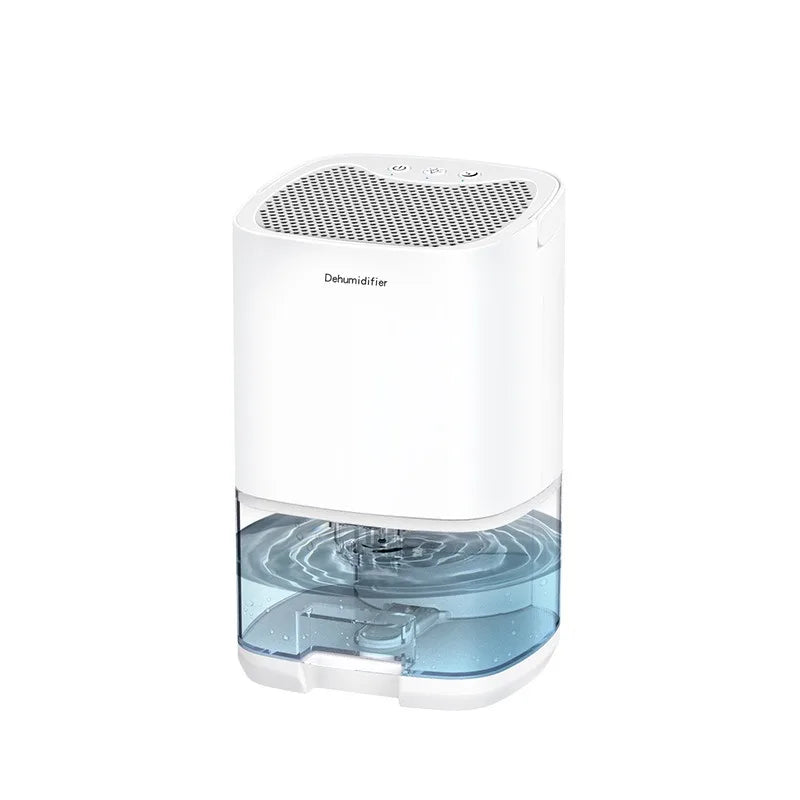
Excess humidity in house control made simple — see how to remove moisture from the air 💡
Why Excess Humidity Happens Indoors
Everyday routines add moisture to the air. Cooking, showers, baby baths, and even drying clothes indoors release water vapor. In tightly sealed homes, that moisture has nowhere to go, leading to excess humidity in house conditions.
- Long hot showers without ventilation
- Cooking steam lingering in the kitchen
- Indoor laundry drying
- Poor airflow in closets and corners
For families, this can affect comfort during sleep and storage of baby items. Pairing airflow tools with smart humidity control for home habits keeps levels balanced.
Early Signs You Shouldn’t Ignore
Spotting moisture early prevents long-term damage. Watch for these common clues:
- Condensation on windows or mirrors
- Musty smells in bedrooms or nurseries
- Damp-feeling clothes or linens
- Peeling paint or wallpaper
High humidity can also make rooms feel warmer and stuffier, disrupting naps and nighttime routines.
How to Control Humidity at Home (Simple Steps)
Excess humidity in house control works best with a mix of habits and tools. Start with these practical actions:
- Vent daily: Open windows briefly or use exhaust fans after showers.
- Target problem rooms: Bathrooms, kitchens, and nurseries need extra attention.
- Declutter airflow: Keep closets and corners from becoming moisture traps.
- Use compact devices: Small units can remove moisture from the air where it builds up most.
Parents often pair these steps with tools from Health & Safety to keep indoor environments comfortable and safe.
Do Small Dehumidifiers Use a Lot of Electricity?
Small dehumidifiers are designed for efficiency. Most use about the same power as a light bulb, making them suitable for continuous use in bedrooms or closets. When used in targeted areas, they can reduce excess humidity in house conditions without significantly increasing energy bills.
| Option | Power Use | Best For |
|---|---|---|
| Small Dehumidifier | Low | Bedrooms, nurseries, closets |
| Whole-House System | Higher | Large, open spaces |
This is why many families choose compact units for humidity control for home routines—effective without constant worry about energy costs.
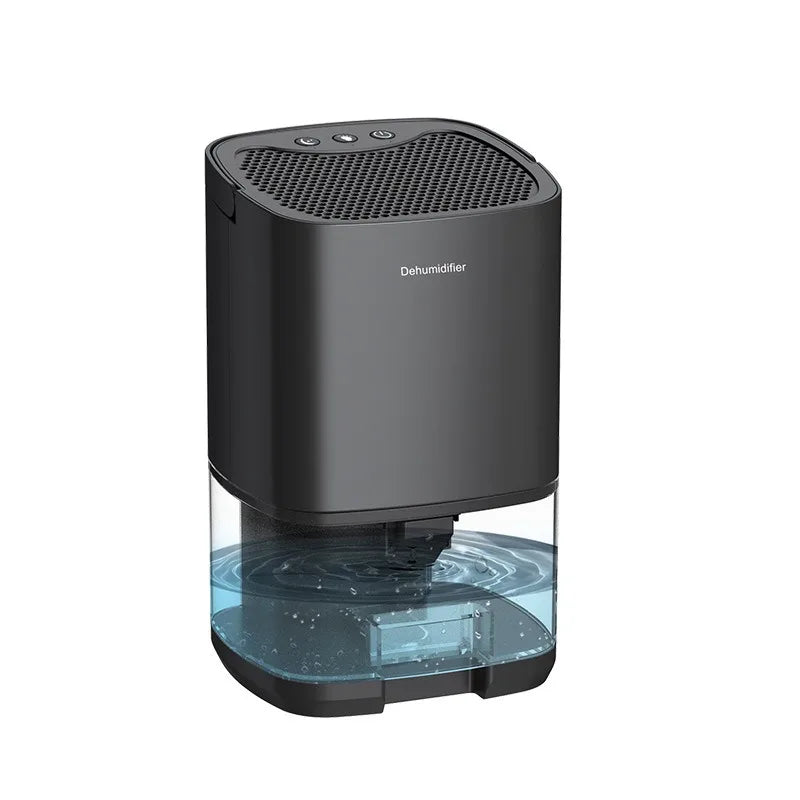
Targeted humidity control for home comfort — small devices, big difference 💡
Room-by-Room Moisture Solutions
Different rooms need different strategies. Here’s a quick guide:
- Nursery: Maintain balanced air for sleep comfort; avoid damp corners near cribs.
- Bathroom: Vent immediately after baths to prevent lingering moisture.
- Bedroom: Use quiet devices overnight to remove moisture from the air.
- Laundry area: Avoid indoor drying when possible.
Families often explore supportive tools from Sleep & Comfort to improve rest while managing humidity.
Moisture Remover for Closet Spaces
Closets trap humidity due to limited airflow. A moisture remover for closet use helps protect clothes, baby blankets, and stored gear from dampness and odors.
- Place near the back wall where air is stagnant
- Keep doors slightly open weekly to refresh airflow
- Check moisture levels monthly
This simple habit can extend the life of fabrics and keep storage areas fresh.
A Simple Tool to Remove Moisture from the Air
Excess humidity in house issues are easiest to manage with a compact, portable solution. A small unit designed for bedrooms, nurseries, and closets removes moisture quietly and efficiently, supporting daily comfort and healthier air.
Why families choose it:
- Quiet operation for naps and nighttime
- Low electricity use
- Easy to move between rooms
- Helps prevent mold and musty odors
Explore a practical option here: portable air dehumidifier for home use.
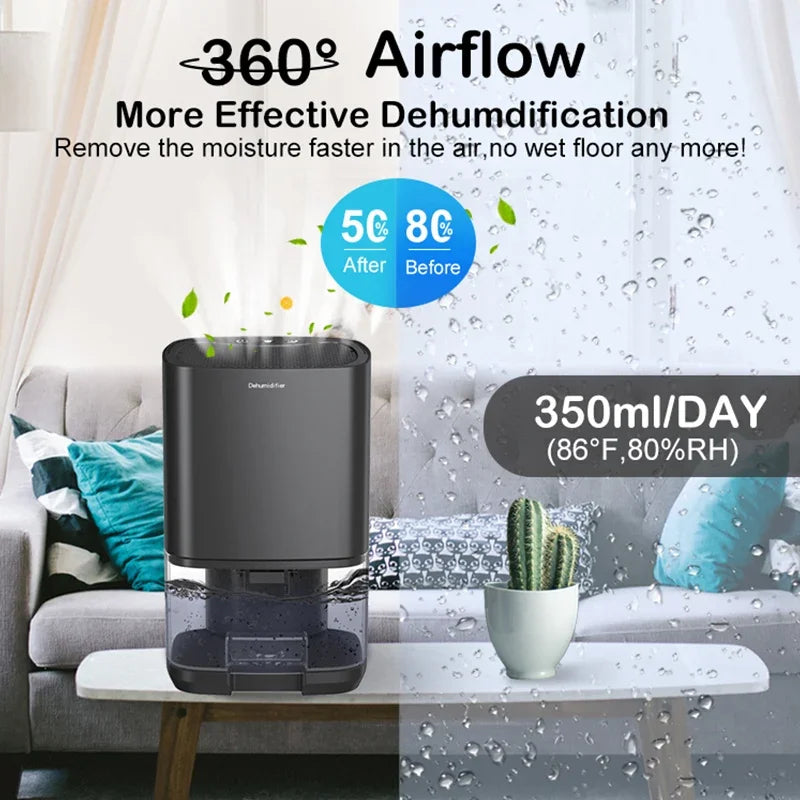
Remove moisture from the air effortlessly — protect comfort and belongings 💡
Parents often combine humidity solutions with wellness tools from Beauty & Wellness to maintain a calm, healthy home environment.
Quick FAQs
What’s the ideal indoor humidity level?
Most homes feel best between 40–60% humidity. Staying in this range reduces excess humidity in house problems while keeping air comfortable.
Can humidity affect baby sleep?
Yes. Air that’s too damp can feel stuffy and uncomfortable, disrupting sleep. Balanced humidity supports better rest.
How often should I empty a small unit?
In moderate conditions, every few days. High humidity areas may need daily checks at first.
Ready to make your home feel lighter and fresher? Small changes today can protect comfort, fabrics, and air quality all year long.
Pillar Article: Not Found
Other Related Articles:
- High Humidity in House Causes and How to Fix Them
- Lowering Indoor Humidity Made Easy for Every Room
- How to Reduce Humidity in House: Step-by-Step Guide
- Small Dehumidifier for Bathroom Reviews That Stop Damp Odors
Explore More:





