

Does lowering indoor humidity really work?
Lowering indoor humidity works by reducing excess moisture that causes discomfort, odors, and poor air quality. When you remove moisture from the air using ventilation habits, absorbent materials, and a reliable dehumidifier, rooms feel cooler, sleep improves, and mold risk drops—especially when a bedroom feels humid despite fans or air conditioning.
Lowering Indoor Humidity Made Easy for Every Room
Lowering indoor humidity doesn’t have to be complicated or expensive. When excess humidity in home spaces lingers, it can affect sleep, trigger musty smells, and make daily routines feel uncomfortable—especially for families with babies or sensitive skin. The good news? Simple, room-by-room habits paired with the right tools can remove moisture from the air quickly and keep your home feeling fresh and calm.
⏱ 7 min read
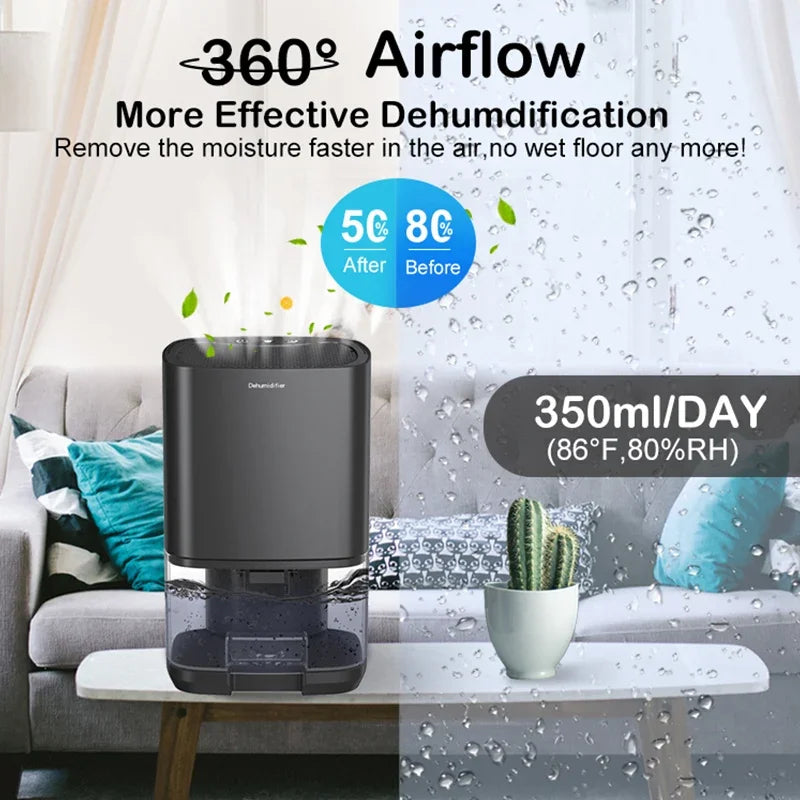
Lowering indoor humidity for healthier air and calmer spaces 💡 See it in action
Why Humidity Builds Up Indoors
Everyday activities release moisture into the air. Cooking, showering, drying laundry, and even breathing all add water vapor. In well-sealed homes or apartments, that moisture gets trapped, leading to excess humidity in home spaces.
- Steamy bathrooms without windows
- Bedrooms with poor airflow at night
- Kitchens used frequently for family meals
- Closets and storage areas with no ventilation
When humidity stays high, rooms feel warmer, fabrics stay damp, and surfaces can develop mildew. Parents often notice this first when a bedroom feels humid and sleep becomes restless.
Quick Wins to Lower Humidity Fast
Lowering indoor humidity can start today with a few easy adjustments. These steps work well as a foundation before adding dedicated tools.
- Open windows briefly after showers or cooking.
- Use exhaust fans for at least 20 minutes.
- Keep doors open between rooms to improve airflow.
- Wipe down wet surfaces instead of letting them air-dry.
These small actions remove moisture from the air before it settles into walls, bedding, and furniture.
Room-by-Room Humidity Control for Home Comfort
Bedrooms: Sleep Cooler and Drier
Lowering indoor humidity in bedrooms supports deeper sleep and easier breathing. Babies and children are especially sensitive to stuffy, damp air.
- Wash bedding weekly and dry completely.
- Avoid drying clothes indoors overnight.
- Use breathable fabrics for sheets and pajamas.
Pairing these habits with tools from Sleep & Comfort collections can help maintain a cozy, balanced environment.
Bathrooms: Stop Moisture at the Source
Bathrooms produce the most moisture in the shortest time. Without quick removal, humidity spreads to nearby rooms.
- Run fans during and after showers.
- Hang towels with space between them.
- Keep doors open once steam clears.
Families often combine these steps with supportive items from Health & Safety to reduce slip risks and surface dampness.
Living Areas: Protect Furniture and Air Quality
Living rooms collect moisture from people, pets, and kitchens. Over time, this can affect sofas, rugs, and electronics.
- Rearrange furniture to allow airflow.
- Vacuum regularly to remove damp dust.
- Monitor humidity during rainy seasons.
Monitoring tools from Monitoring Devices help families notice changes before discomfort sets in.
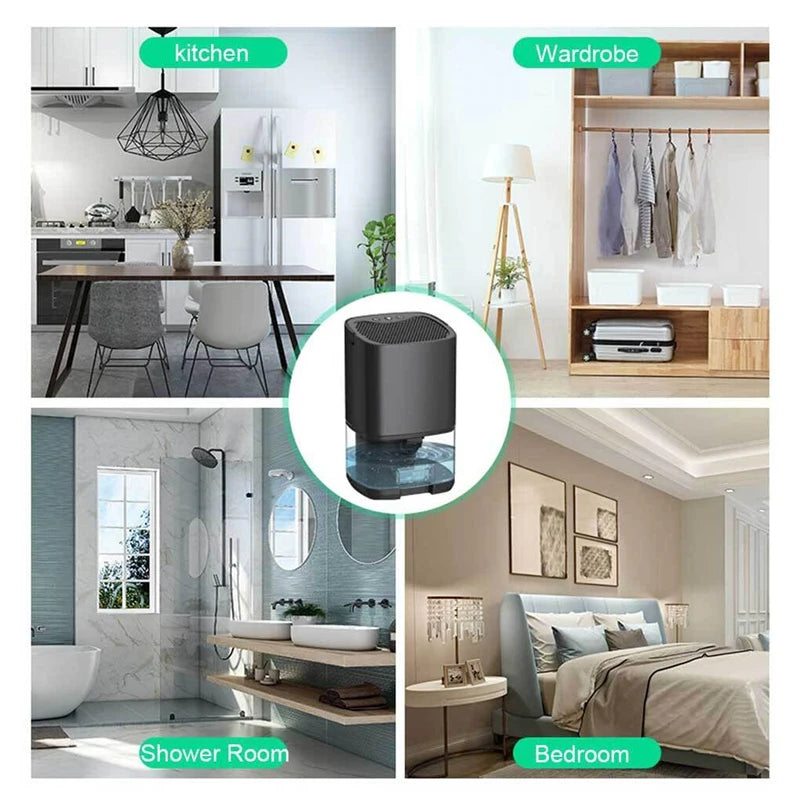
Humidity control for home comfort, room by room 💡 See it in action
Why a Portable Dehumidifier Makes It Easier
Lowering indoor humidity becomes much simpler when you use a dedicated device designed to pull moisture directly from the air. Portable options work well for apartments, bedrooms, nurseries, and shared family spaces.
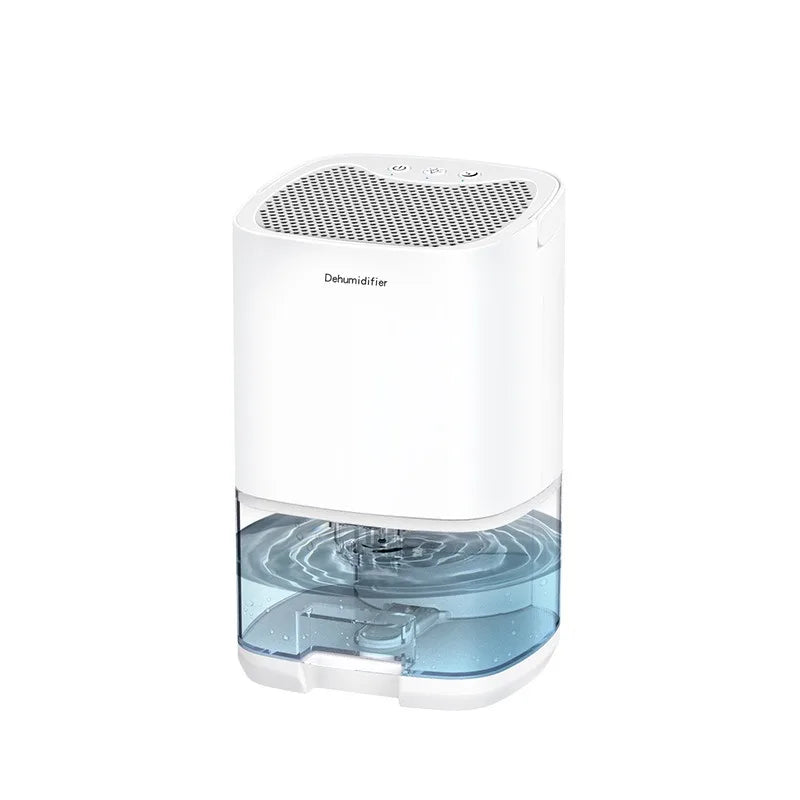
A compact unit like a portable air dehumidifier for home targets problem areas without complex installation or high energy use.
| Benefit | What It Solves |
|---|---|
| Quiet operation | Better sleep when a bedroom feels humid |
| Compact size | Fits nurseries, closets, and bathrooms |
| Continuous moisture removal | Prevents excess humidity in home spaces |
Many parents pair dehumidifiers with calming routines and supportive items from Massage & Relaxation to create a more restful home atmosphere.
Daily Habits That Keep Moisture Away
Once humidity levels improve, consistency keeps them stable. These habits take little time but protect comfort and indoor air quality.
- Check humidity levels in the morning and evening.
- Empty and clean water tanks regularly.
- Rotate airflow between rooms during the day.
- Adjust routines during rainy or humid seasons.
Families juggling busy schedules often appreciate simple systems that work quietly in the background.
Remove moisture from the air for calmer, healthier living 💡 See it in action
Frequently Asked Questions
What is the ideal indoor humidity level?
Most homes feel comfortable between 40% and 50% humidity. Staying in this range helps prevent a bedroom feels humid sensation and reduces mold risk.
Can lowering indoor humidity help with sleep?
Yes. Drier air feels cooler and fresher, making it easier to fall asleep and stay asleep, especially for babies and light sleepers.
How long does it take to notice results?
With consistent habits and a reliable dehumidifier, many families notice improved comfort within a few days.
Pillar Article: Not Found
Other Related Articles:
- Excess Humidity in House? How to Control It Effectively
- High Humidity in House Causes and How to Fix Them
- How to Reduce Humidity in House: Step-by-Step Guide
- Small Dehumidifier for Bathroom Reviews That Stop Damp Odors
Explore More:





