

How can you quickly reduce humidity in your house?
How to reduce humidity in house starts with controlling moisture sources, improving airflow, and using targeted tools. Simple habits like ventilating wet areas, sealing leaks, and managing indoor moisture can lower excess humidity in home within days, improving comfort and helping prevent mold in house without major renovations.
How to Reduce Humidity in House: Step-by-Step Guide
⏱ 7 min read
Wondering why your home feels sticky even when the temperature is comfortable? For many families, excess humidity in home leads to musty smells, restless sleep, and worries about air quality—especially around babies and kids. This guide shows exactly how to reduce humidity in house using practical steps that fit busy households, helping you protect comfort, health, and peace of mind.
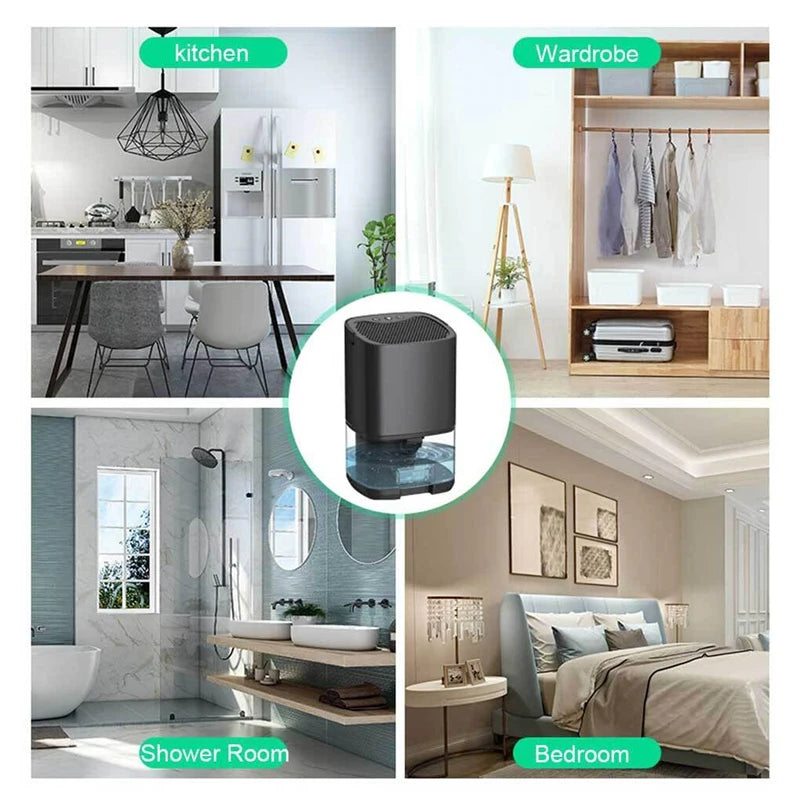
Humidity control for home made simple—small changes can lower indoor humidity fast. 💡 See it in action
Why Indoor Humidity Matters for Families
High moisture levels don’t just feel uncomfortable. For households with children, excess humidity in home can affect sleep, trigger allergies, and damage furniture or walls over time. Maintaining balanced humidity supports indoor air quality and helps everyone breathe easier.
Common family concerns linked to humidity
- Sticky air that makes naps and bedtime harder
- Condensation near cribs, windows, and closets
- Lingering odors in bathrooms and laundry areas
- Increased risk of mold growth in hidden corners
Signs of Excess Humidity in Home
Not sure if moisture is the problem? Many parents overlook early signs until damage appears. Watch for these clues:
- Foggy windows even in mild weather
- Peeling paint or bubbling wallpaper
- Clothes or towels that never fully dry indoors
- Persistent damp or musty smells
Step-by-Step: How to Reduce Humidity in House
How to reduce humidity in house works best when you combine ventilation, moisture control, and consistent habits. By addressing where moisture starts and how it lingers, you can lower indoor humidity safely and effectively, creating a healthier space for your family.
- Identify moisture sources: Bathrooms, kitchens, laundry rooms, and basements are common trouble spots.
- Improve airflow: Open windows when weather allows and use exhaust fans during showers or cooking.
- Seal leaks: Fix dripping pipes and roof leaks promptly to stop hidden moisture buildup.
- Manage indoor drying: Avoid air-drying large loads of laundry inside without ventilation.
Which room in your house feels dampest right now? That’s the best place to start.
Daily Habits That Lower Indoor Humidity
Small routines make a big difference. These family-friendly habits support humidity control for home without adding stress to your day.
- Run bathroom fans for 20 minutes after baths
- Wipe down wet surfaces after kids’ bath time
- Keep closet doors slightly open for airflow
- Use lids while cooking to reduce steam
Families focused on overall home wellness often pair these habits with solutions from Health & Safety to maintain a safer environment for children.
Tools That Make Humidity Control Easier
Sometimes habits alone aren’t enough—especially in humid climates or older homes. Targeted tools simplify lowering indoor humidity without constant monitoring.
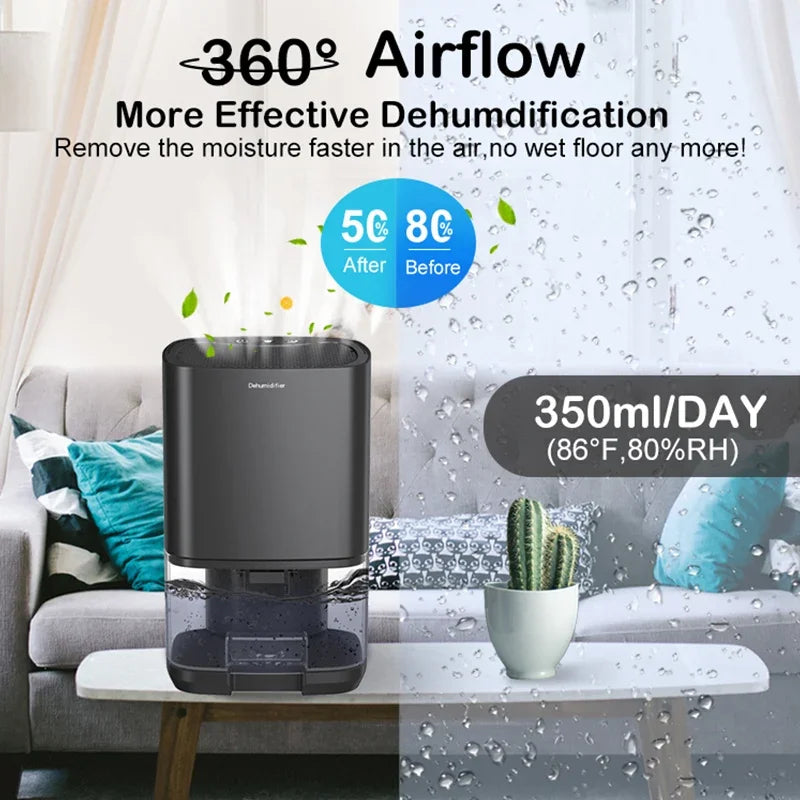
Lowering indoor humidity is easier with the right setup. 💡 See it in action
Helpful options for busy households
- Portable dehumidifiers: Ideal for bedrooms, nurseries, and playrooms
- Moisture-absorbing materials: Useful in closets and storage areas
- Humidity monitors: Let you track changes at a glance
Many parents choose a compact solution like a portable air dehumidifier for home to manage excess humidity in home quietly while kids sleep.
For families already investing in comfort, pairing humidity control with calming routines from Sleep & Comfort can noticeably improve rest.
How to Prevent Mold in House Long-Term
How to reduce humidity in house isn’t just about comfort—it’s key to prevent mold in house. Keeping indoor humidity between 30–50% limits mold growth and protects walls, furniture, and air quality.
- Clean and dry spills immediately
- Check under sinks and around windows monthly
- Rotate stored items to avoid trapped moisture
- Use a dehumidifier during humid seasons
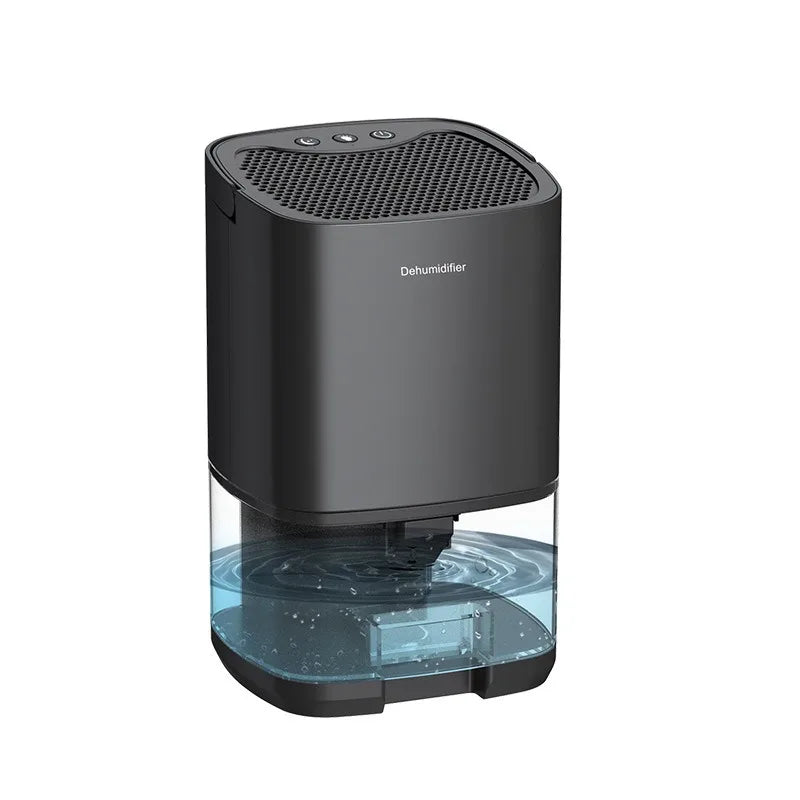
Prevent mold in house by staying consistent with humidity control for home. 💡 See it in action
Parents often notice fewer odors and cleaner surfaces within weeks of consistent humidity management. One mom shared that after adding a dehumidifier near the nursery, condensation disappeared and sleep improved for everyone.
Complement moisture control with wellness-focused choices from Beauty & Wellness to support a fresher-feeling home.
Quick FAQ
What is the fastest way to lower indoor humidity?
Improving ventilation and using a dehumidifier are the quickest ways. Together, they can reduce excess humidity in home within days, especially in bedrooms and bathrooms.
Can high humidity affect babies and kids?
Yes. High moisture can worsen allergies, disrupt sleep, and encourage mold growth. Managing humidity supports healthier indoor air quality for children.
Do I need multiple devices to control humidity?
Not always. A single portable unit placed in the dampest area often handles humidity control for home effectively, especially when combined with good daily habits.
Pillar Article: Not Found
Other Related Articles:
- Excess Humidity in House? How to Control It Effectively
- High Humidity in House Causes and How to Fix Them
- Lowering Indoor Humidity Made Easy for Every Room
- Small Dehumidifier for Bathroom Reviews That Stop Damp Odors
Explore More:





